- Moderator
- #101

- Joined
- Apr 19, 2007
- Messages
- 13,392
- Reaction score
- 796
- Points
- 113
- Location
- Los Angeles
- Website
- www.phfx.com
I'm more curious in the modern era how many shots we've integrated via pure CGI or digital cinema acquisition on features primarily shot on film and if anybody noticed 
Most interesting there is we were indeed going back to print at the time "all the time", but it eventually switched over to a print emulation as well for pure digital masters. Which is where it got real exciting for me as various lab processes were suddenly desired in post. This is in a very pre-Davinci Resolve era.
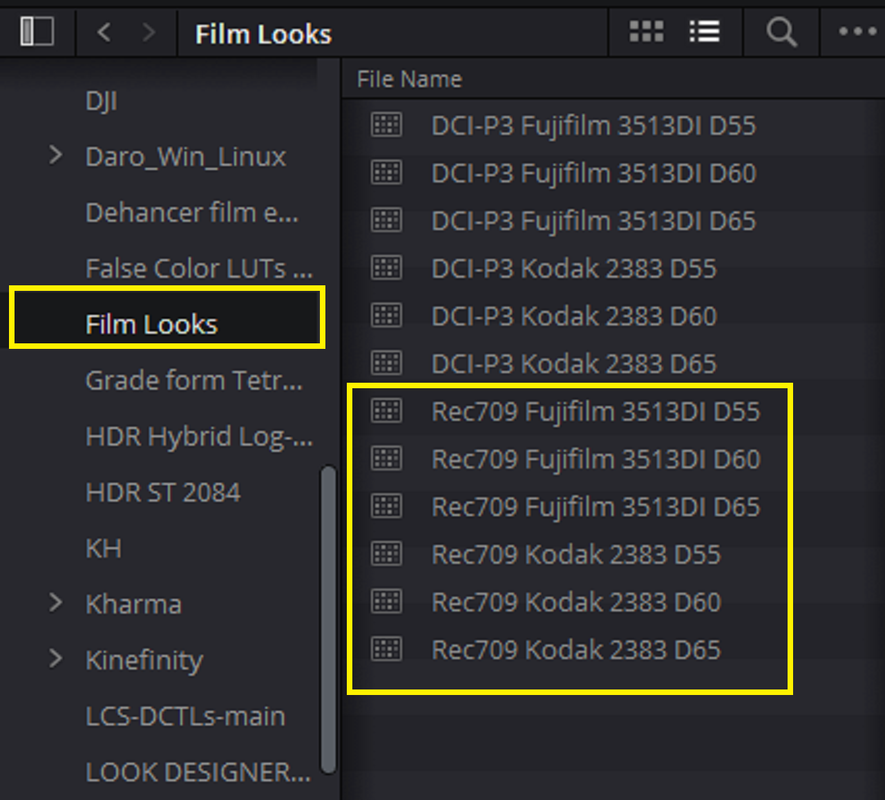
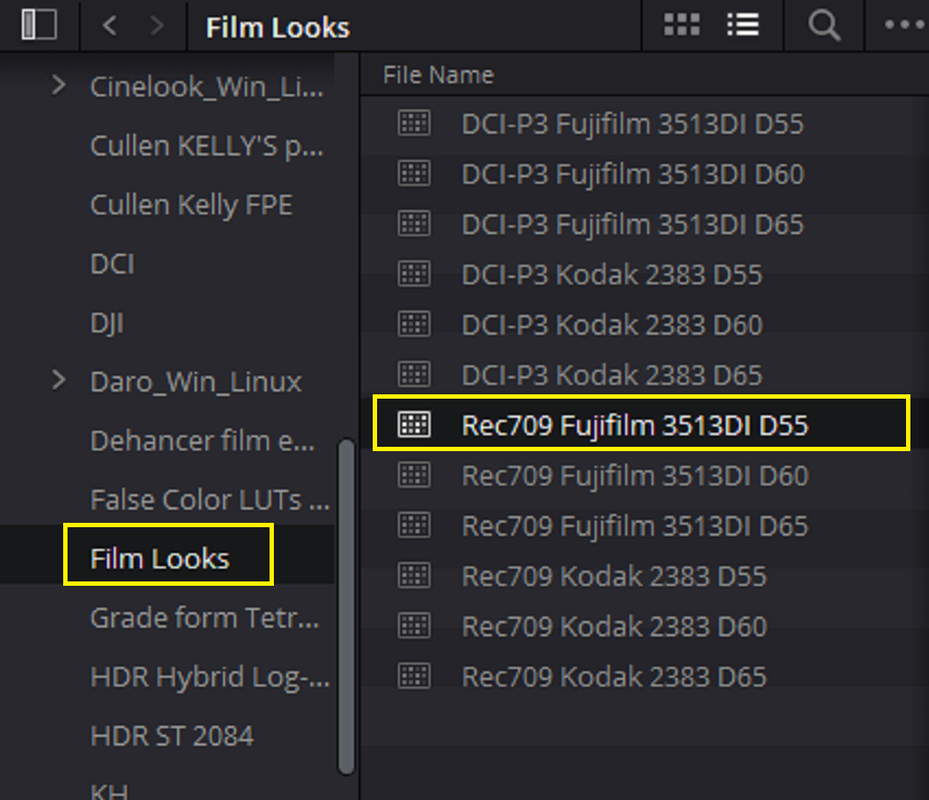
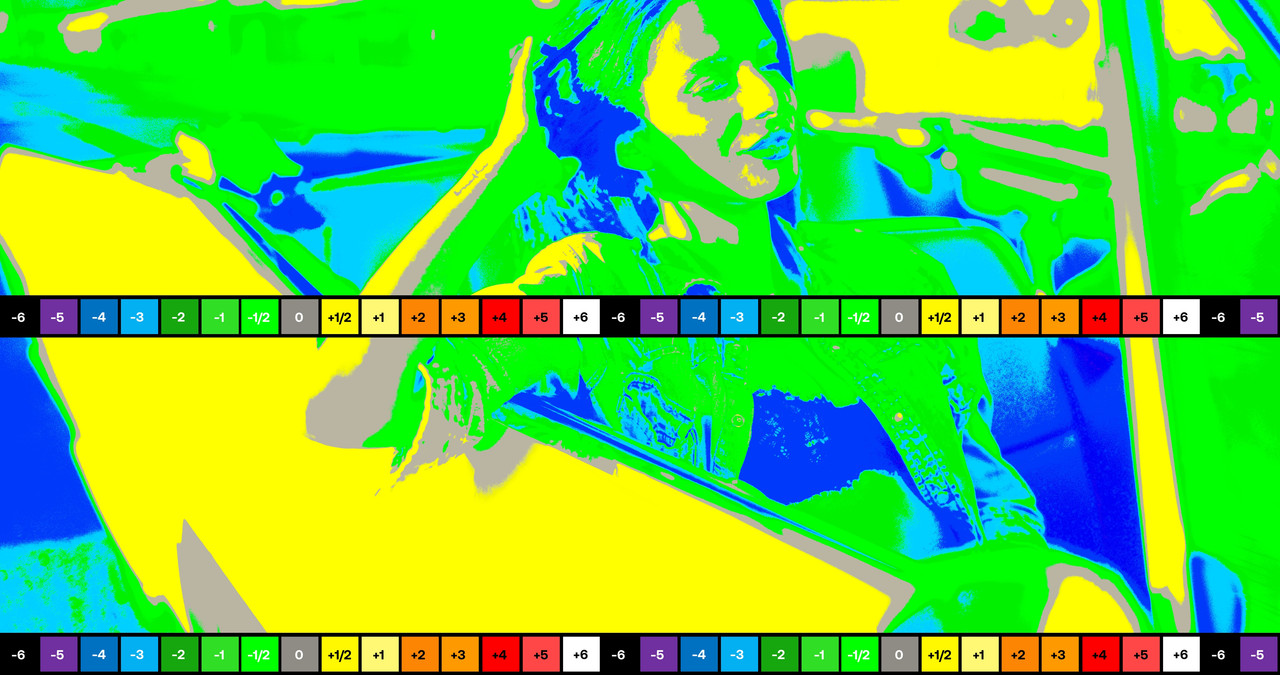
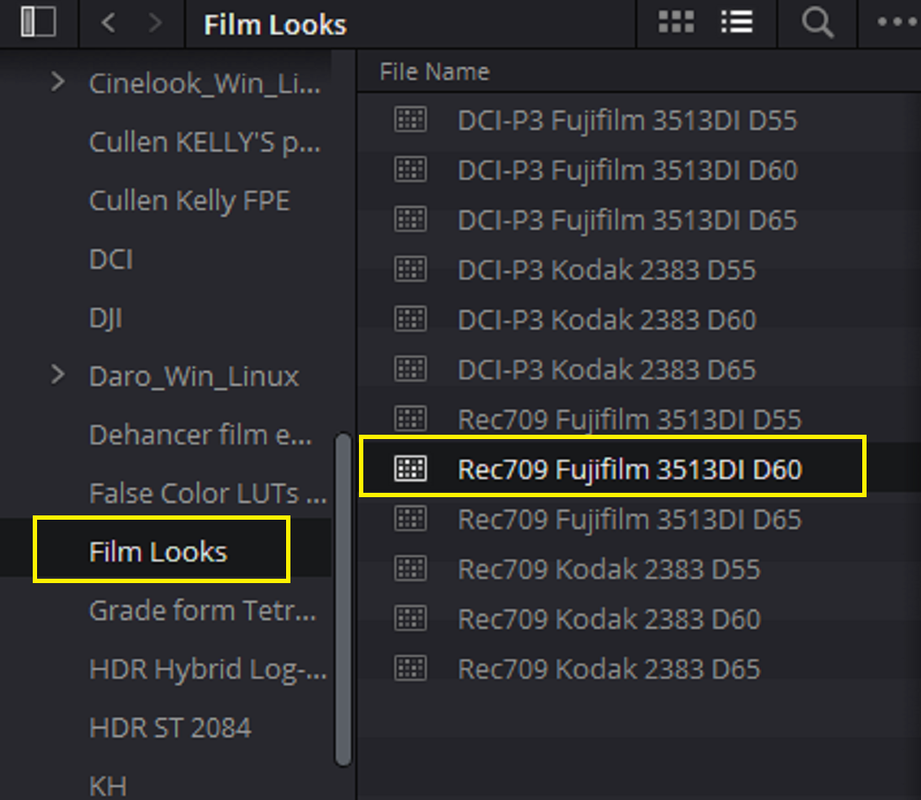
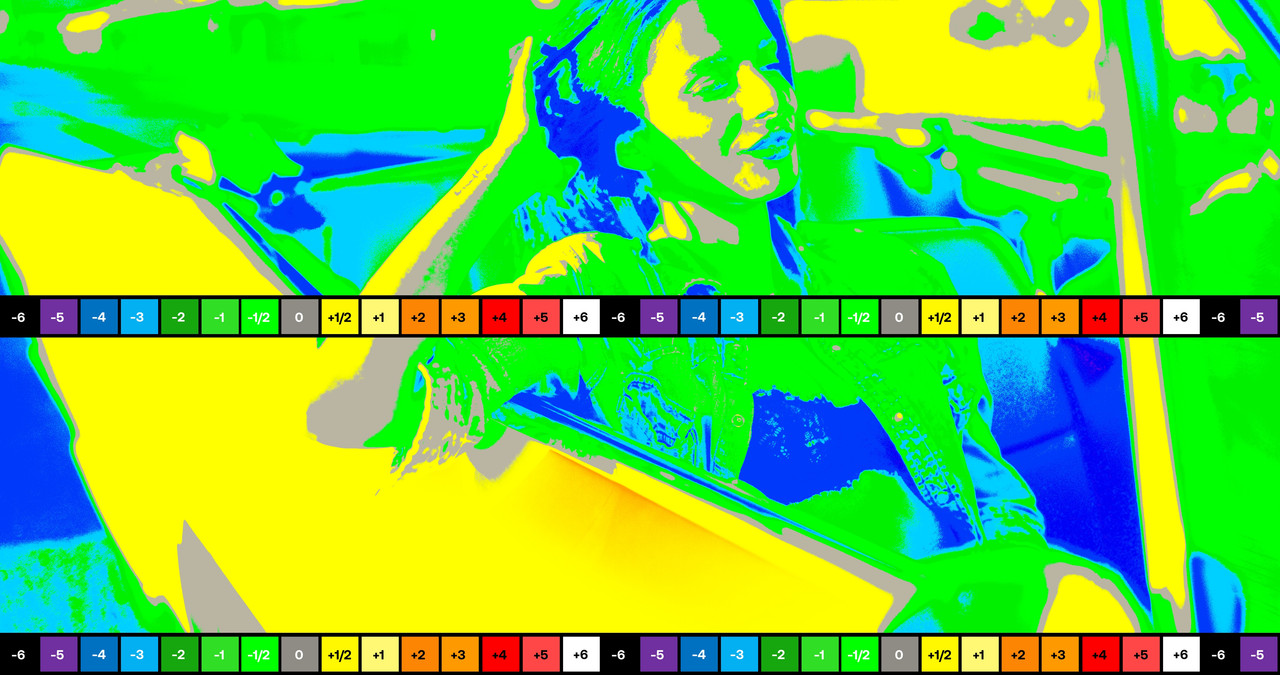
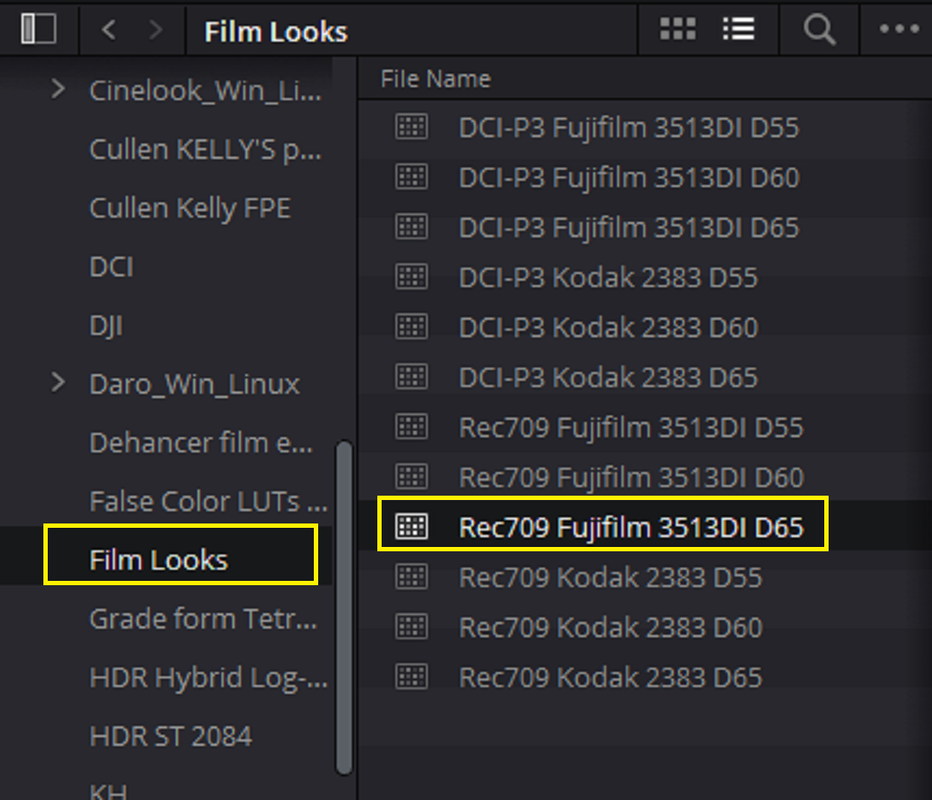
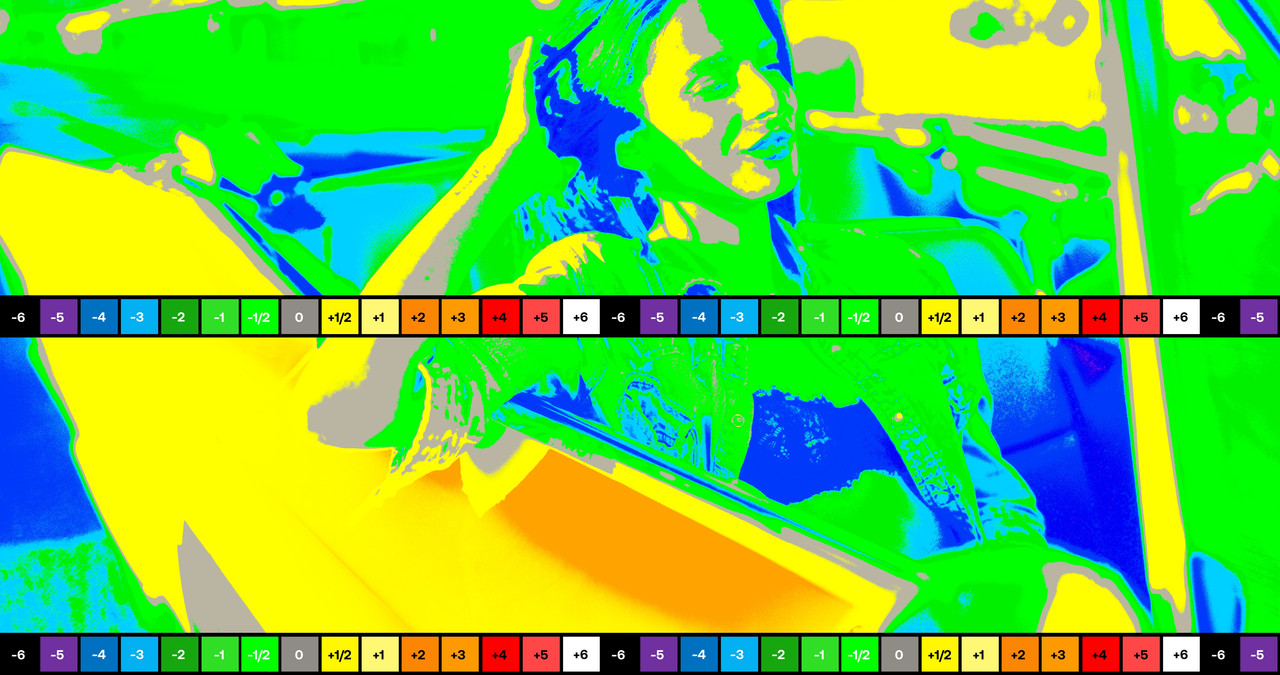
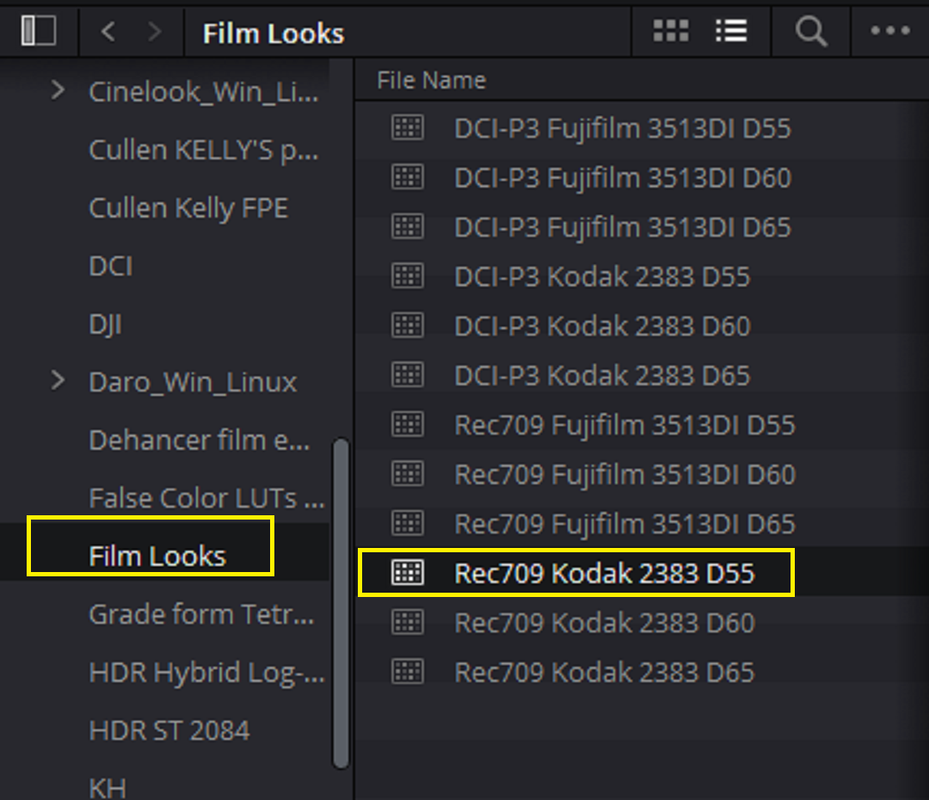
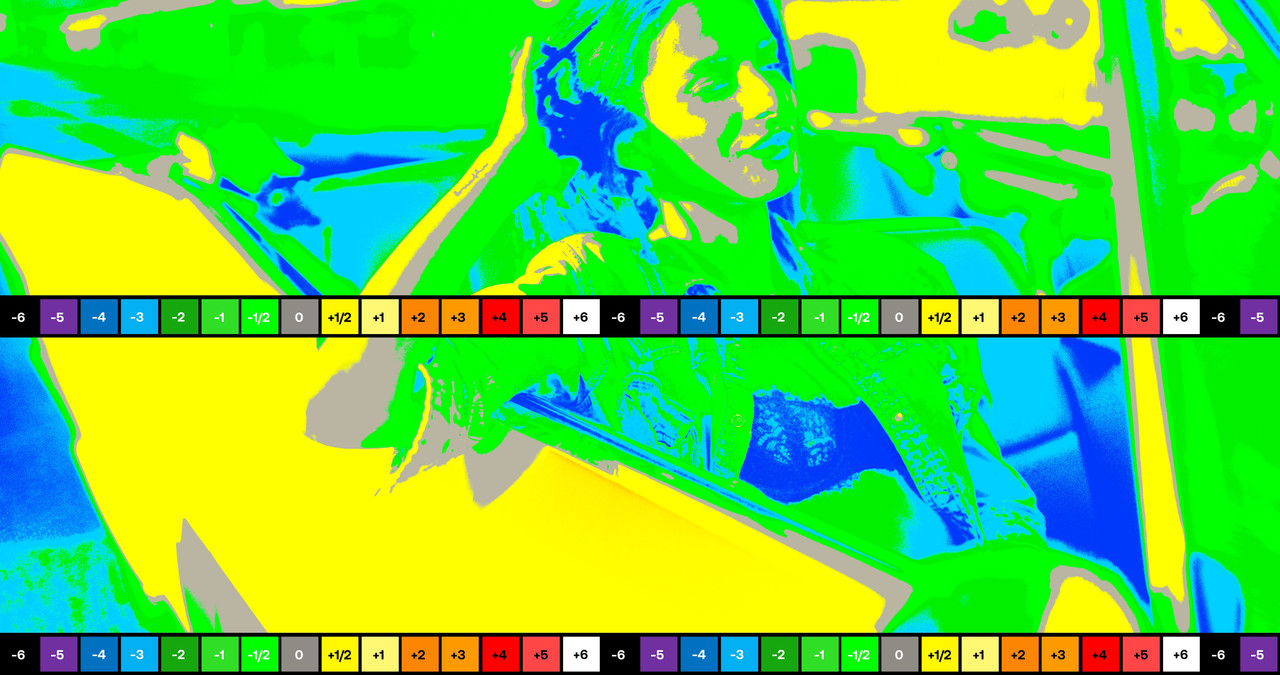
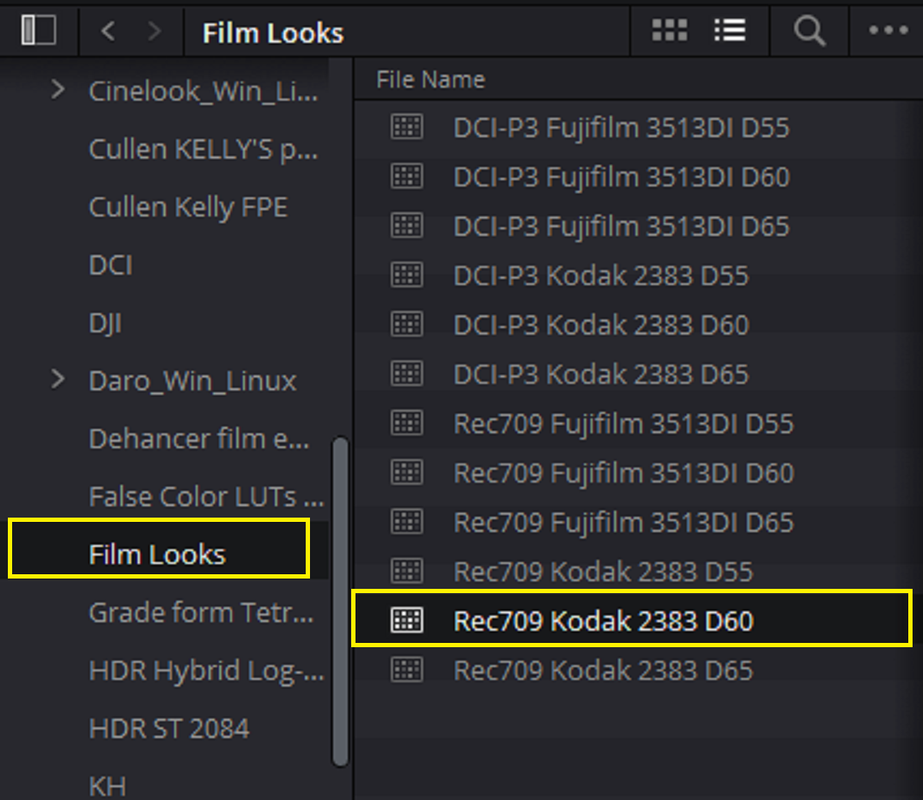
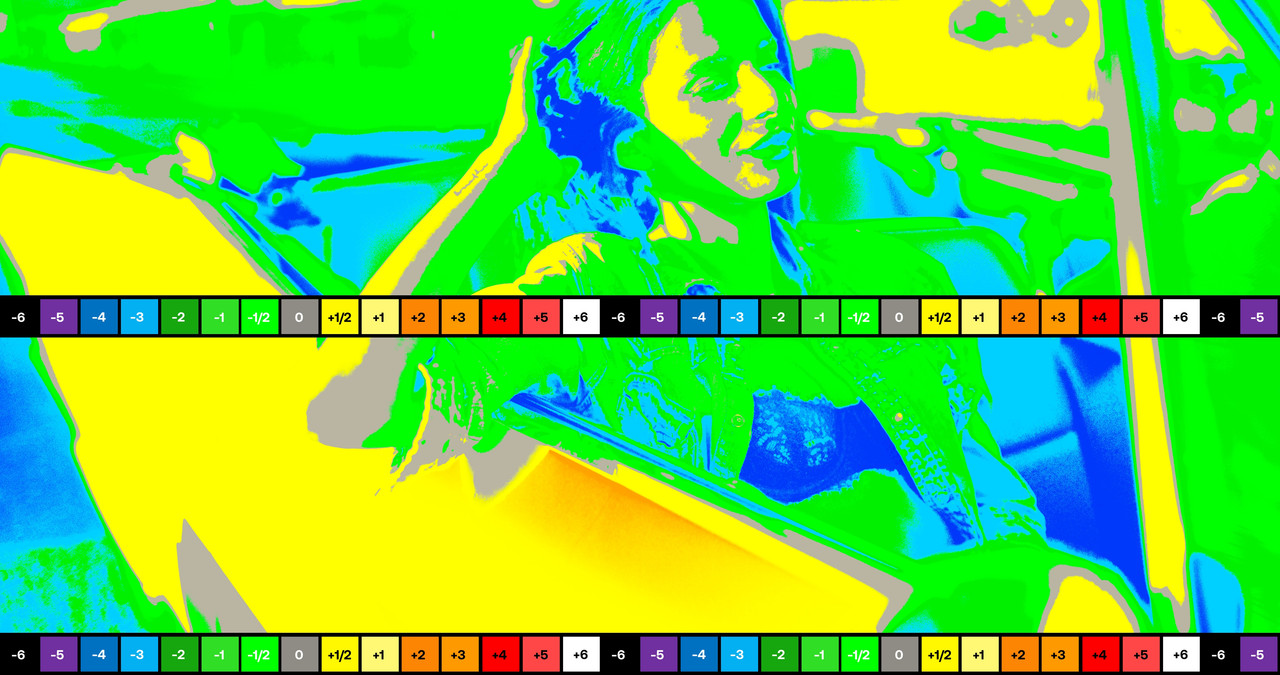
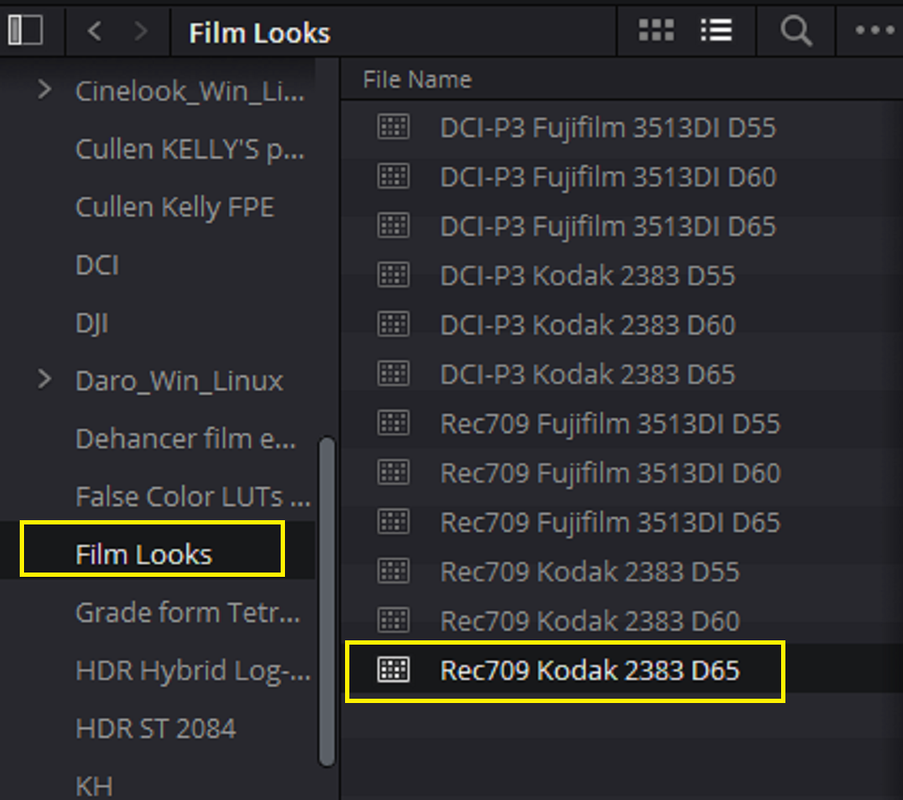
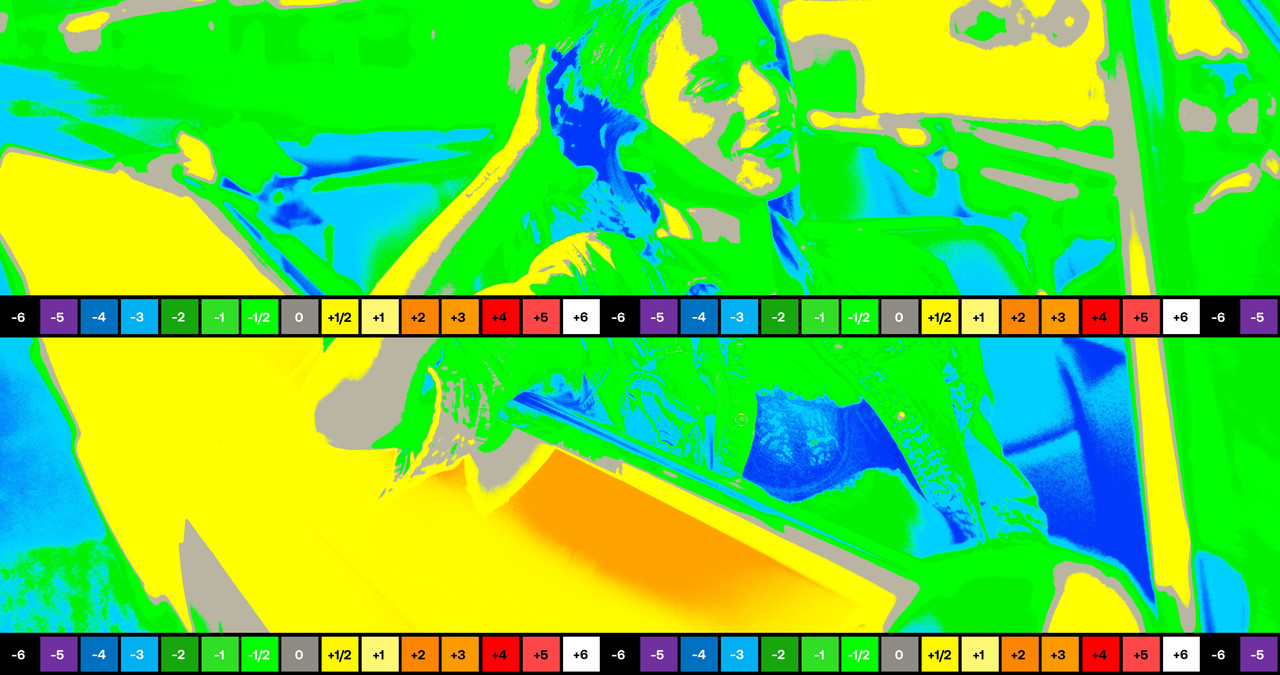
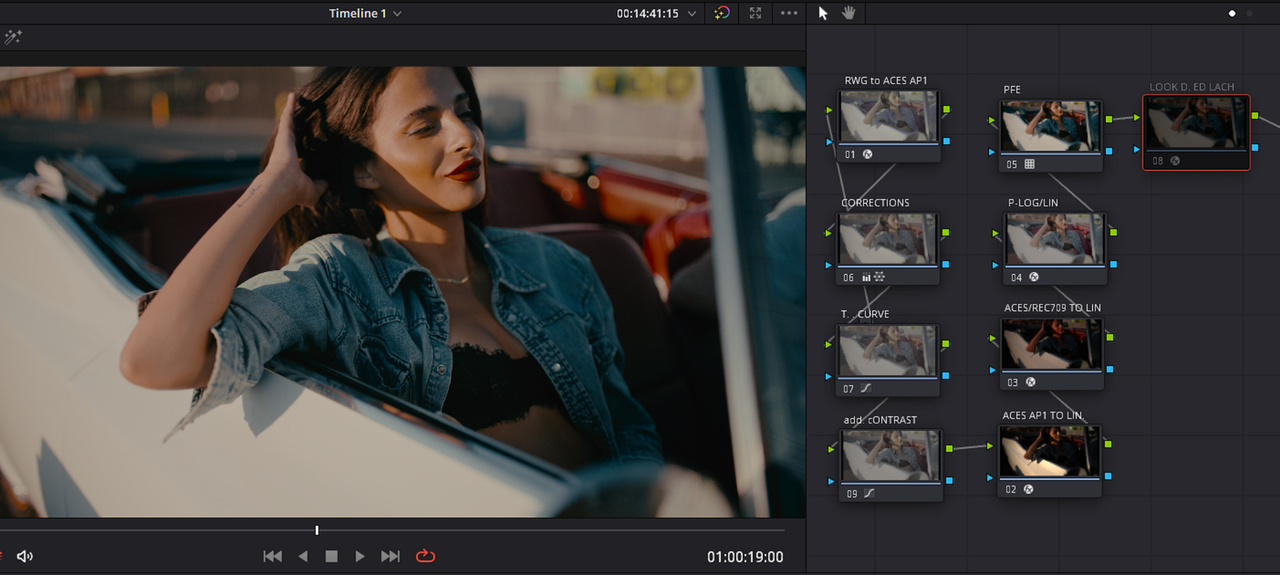
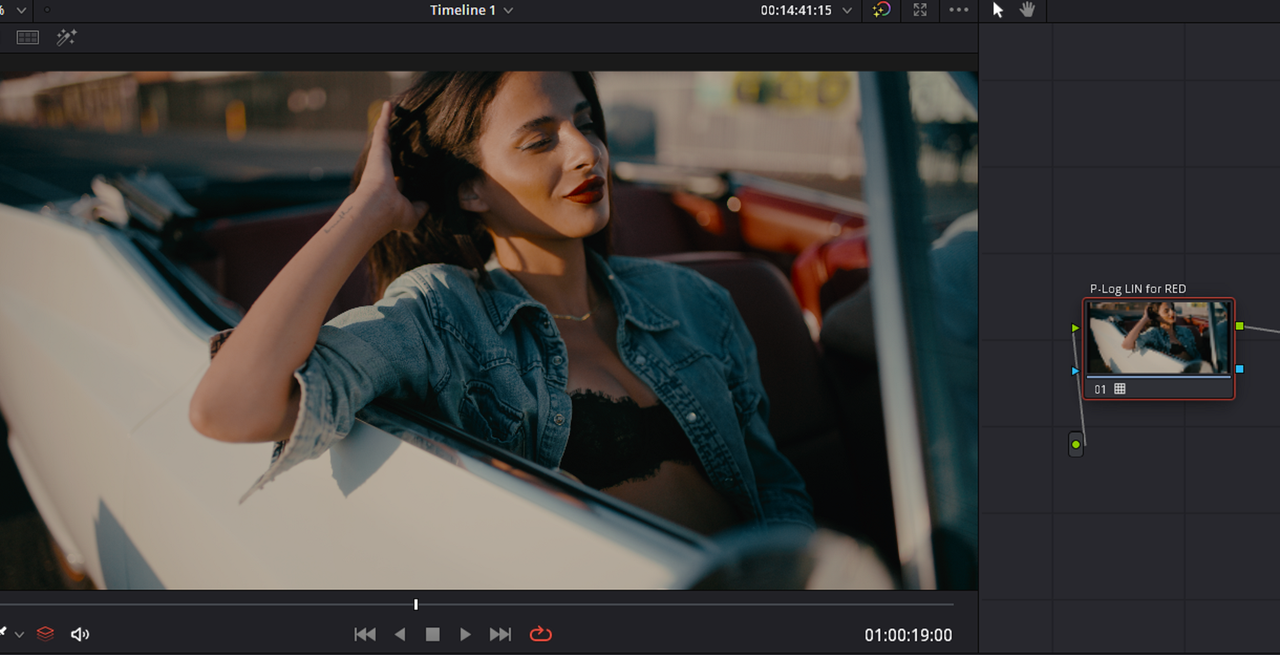
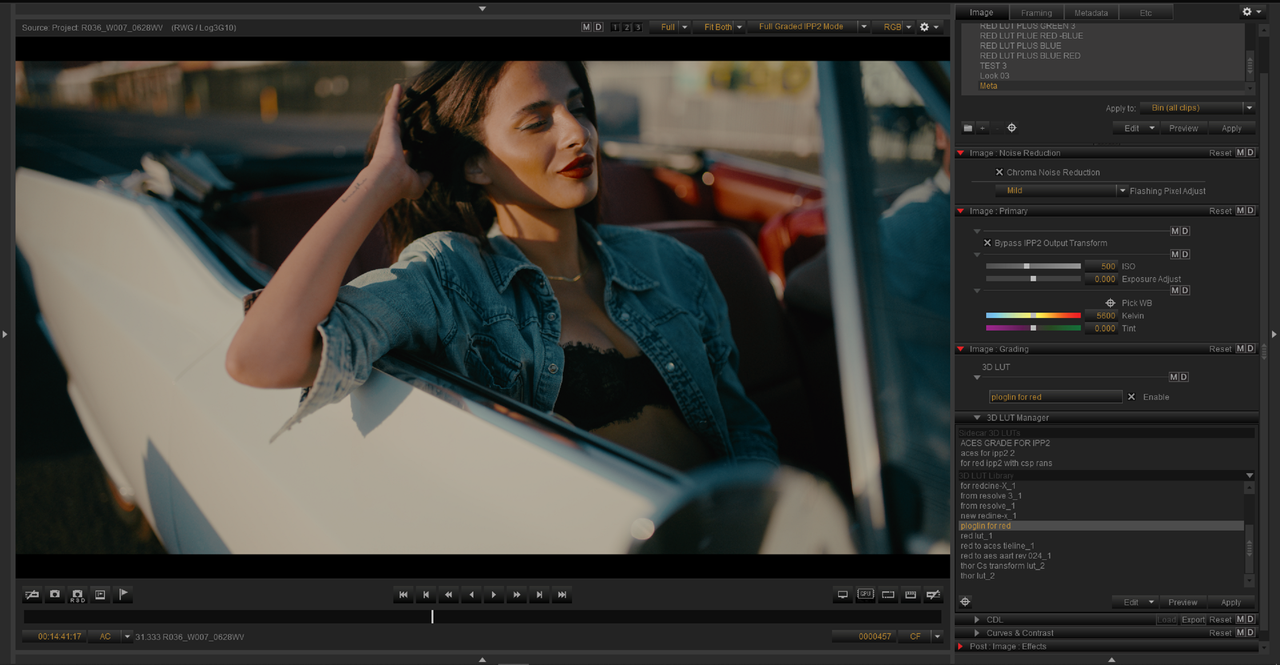
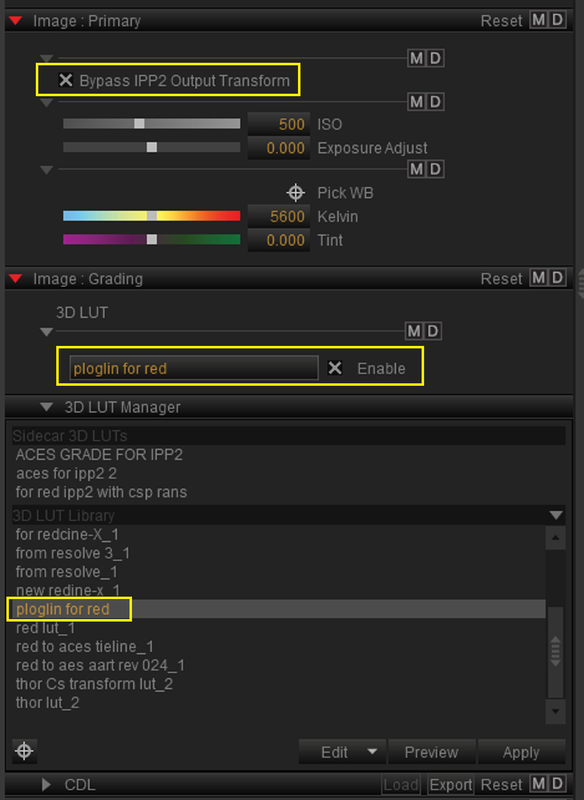
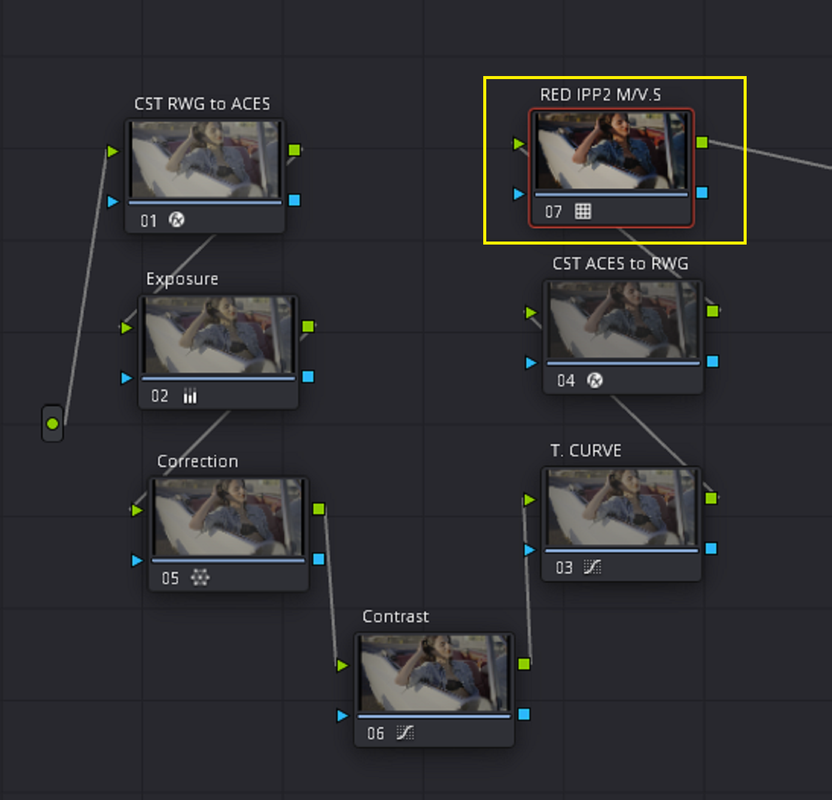
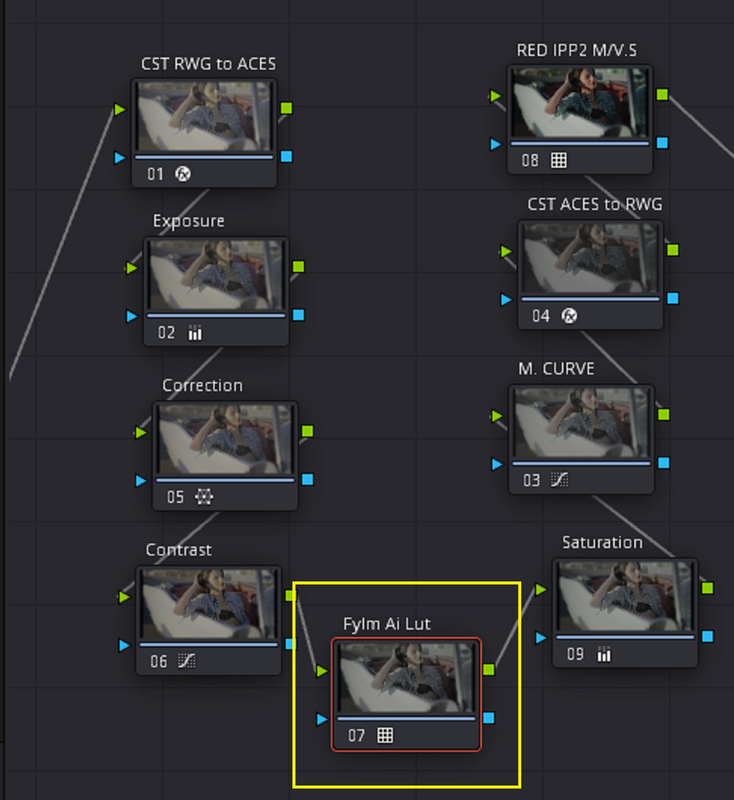
Speaking with BMD when I did the last round of philmColor's release to make "officially sanctioned" versions of their Film Looks for RED IPP2 they came into existence so long ago that they didn't know much about them and how they were developed, so I tore them apart to study the for a bit and I can see how they were created if you know what to look for, good and bad there, but a non-issue really. I cross referenced them with every other print LUT used around the globe over the years and they are indeed their own thing, even over the ICC profiles some we using via After Effects. ILM, R&H, DD, and others at the time weren't using those. But they have become rather popular nonetheless. The LUTs that were found in Lustre leaked ages ago to the public and they are also not quite the same, but those have also been the basis of many releases.
What is nice about the modern plugins is you get a one stop shop to tend to the "other things" beyond the look like halation, grain, etc.
FilmConvert did have some nice profiles derived correctly, I honestly haven't looked at that stuff in many years as I had my own densitometer and could do the work required. I remember they changed something and people got grumpy, never looked into it. I've had a few companies reach out to me to demo their software, much like anything that occurs within Resolve, you can build it up on your own if need be, but you are paying for the convenience and presented workflow, which is neat to see people's takes on.
Most interesting there is we were indeed going back to print at the time "all the time", but it eventually switched over to a print emulation as well for pure digital masters. Which is where it got real exciting for me as various lab processes were suddenly desired in post. This is in a very pre-Davinci Resolve era.
Speaking with BMD when I did the last round of philmColor's release to make "officially sanctioned" versions of their Film Looks for RED IPP2 they came into existence so long ago that they didn't know much about them and how they were developed, so I tore them apart to study the for a bit and I can see how they were created if you know what to look for, good and bad there, but a non-issue really. I cross referenced them with every other print LUT used around the globe over the years and they are indeed their own thing, even over the ICC profiles some we using via After Effects. ILM, R&H, DD, and others at the time weren't using those. But they have become rather popular nonetheless. The LUTs that were found in Lustre leaked ages ago to the public and they are also not quite the same, but those have also been the basis of many releases.
What is nice about the modern plugins is you get a one stop shop to tend to the "other things" beyond the look like halation, grain, etc.
FilmConvert did have some nice profiles derived correctly, I honestly haven't looked at that stuff in many years as I had my own densitometer and could do the work required. I remember they changed something and people got grumpy, never looked into it. I've had a few companies reach out to me to demo their software, much like anything that occurs within Resolve, you can build it up on your own if need be, but you are paying for the convenience and presented workflow, which is neat to see people's takes on.