Welcome to our community

Be a part of something great, join today!

  • Hey all, just changed over the backend after 15 years I figured time to give it a bit of an update, its probably gonna be a bit weird for most of you and i am sure there is a few bugs to work out but it should kinda work the same as before... hopefully :)

Red V Raptor Rhino S35 Camera

i wish they went towards highlights instead of shadows.

Graeme commented via a FB thread to mention Raptor S35 received a subtle amount of gain which produces the highlight and shadow tonal variance. Raptor VV still edges it out in Dynamic Range.

The "i wish they went towards highlights instead of shadows" comment. As most experienced filmmakers with the RED cameras know already, rate the camera higher and you'll be getting that tonal weighting you're after.

Remember many Dragon 6K S35 productions were exposed at ISO 1600 to gain that stop in the highs because lows were/are so clean.

People get way, way, way too locked into shooting at only ISO 800. Though it's the Recommended Base ISO, many overlook or don't understand what you can do with the entire Suggested ISO Range or the Extended ISO Range for that matter. Glad CVP shows a clip pulled to ISO 100 even in their demo. Though I'd say that's a gamble in many exposure circumstance, if you know what you're doing that's clean as glass.
 
RED DIGITAL CINEMA V-Raptor S35 vs Helium S35

by
Florian Schulz Productions


''After having owned a V-Raptor FF Vista Vision for a while, this is a first look at the new RED V-Raptor S35 in comparison to the RED Helium S35. In my work as a wildlife filmmaker the RED Helium has been my go-to camera for many years, paired with the Canon CINE-SERVO 50-1000mm T5.0-8.9 PL lens. Now RED has come out with the V-Raptor S35 and I wanted to do an initial side-by-side comparison to mainly understand the difference in ISO performance and the sensor size (crop factor in comparison to Helium ) and what that would mean for future lens choices.
I am also discussing the Canon CN-E 30-300mm T2.95-3.7 L SP PL lens that now does NOT have the vignetting problem with the V-Raptor S35 even if one is recording in full 8k resolution.''


Great Wildlife Lenses on the V-Raptor S35:
Canon CINE-SERVO 50-1000mm T5.0-8.9 PL
CN-E 30-300mm T2.95-3.7 L SP PL

Lenses I mainly use with V-Raptor FF Vista Vision:
Fujinon Premista 19-45mm T2.9 Large-Format Cine Lens (PL)
Fujinon Premista28-100mm T2.9 Large-Format Cine Lens (PL)
Fujinon Premista80-250mm T2.9-3.5 Large-FmtZoom Lens (PL)
 
RED RAPTOR S35 SLOW MOTION

by

Freehands Films


I don't know for sure if this is from the V-Raptor 8K S35 Camera or if it is an S35 crop from the V-Raptor 8K VV


V-RAPTOR Rhino S35 ISO TEST

25 second ISO Test


By
Christian Soriano


is the s35 going to come in black?

Jonathan,

This will be like a Red ''STORMTROPPER" version of their cameras. It's a special edition ''first run'' Red Camera that will be followed by a black version
 
Thanks Rand, I figured they would but I wasn't sure with some of the proceeds going to wildlife foundations and what not.

I get what you're saying Jonathan. Since this sensor's size is being marketed for it's longer range for telephoto lenses for use with Wildlife videography, they might keep this Rhino grey color indefinitely for the S-35 model.
 
I get what you're saying Jonathan. Since this sensor's size is being marketed for it's longer range for telephoto lenses for use with Wildlife videography, they might keep this Rhino grey color indefinitely for the S-35 model.

Right, I don't think komodo stoormtrooper and v-raptor stroomtrooper were out this long. Maybe its till they sell out of special edition, then black ones come.
 
Right, I don't think komodo stoormtrooper and v-raptor stroomtrooper were out this long. Maybe its till they sell out of special edition, then black ones come.

Yeah it could be since the ''Rhino'' edition was aimed at contributing financially to ''Wildlife'' oriented causes, that the period to sell this specific version may have been extended.


Wildscreen

Jackson Wild

BBC Natural History Unit's Global Talent Initiative

Wildstar Acacemy
 
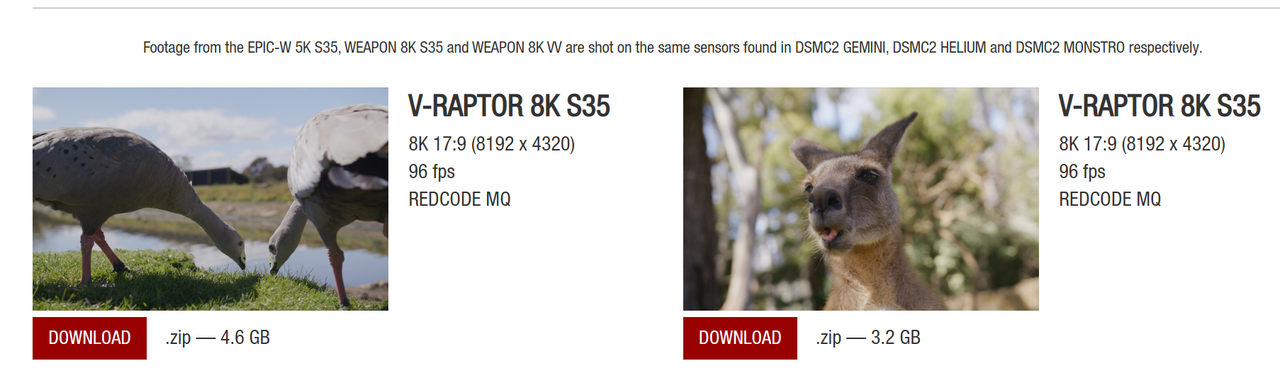
Thanks for the links to the sample R3D's.

I found the geese shot was a good test for highlight and shadow balancing, and the kangaroo shot was a good combined low-light (shadow) and fine detail (fur) torture test for the camera.

The result is a 'new best' imo.

The only thing I haven't seen yet is whether it has any degree of the sensor smear that the Helium was sometimes prone to in high-contrast scenes. If it was there I think it would have been noticed already, but it'd be good to have visual confirmation that it's been reduced or eliminated.

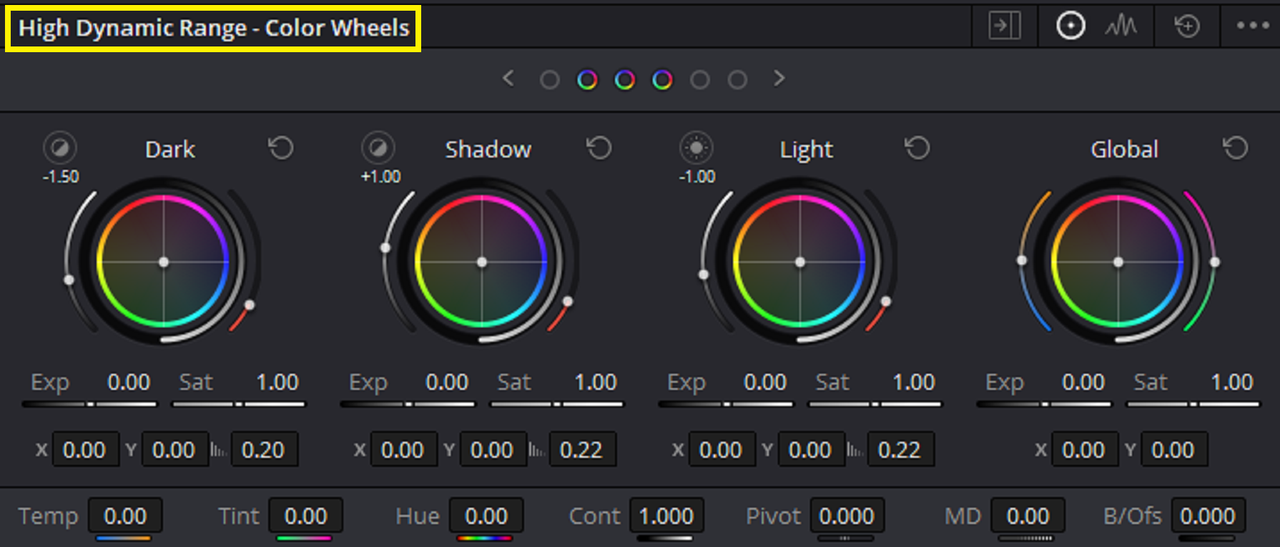
Just want to mention too, if people haven't checked out the HDR controls in the Color section of the latest versions of Resolve yet, they really should. Even with a regular SDR image, when grading properly shot RED originated images that have such a high native dynamic range, the HDR controls in Resolve allow fine tuning that just wasn't that accessible before. I'd still like to see even more range in the captured images, to allow for even greater separation and control of the lows and highs in grading, but those areas are already starting to get opened up with the sensors and software we now have. As can be seen with these V-Raptor samples.
 
On very first blush, I don't quite understand it. Outside of someone who is looking to maximize the sensor size natively while using super 35 lenses...why?

The pixel pitch is way tighter than the VV iteration, leading to decreased dynamic range and noise performance, as far as I know the sensor is not global like Komodo, it's only what, $5K cheaper than the VV?

Am I missing something?

Please understand that I'm not throwing shade here...I just don't quite understand why I would buy one of these over the VV V-Raptor, or even Komodo if we're comparing relative value.

Every format has its own set of advantages. A smaller sensor like S35 vs VV allow for faster glas with lower Tstops with less focus falloff for the same FOV. A lot of times that is preferable to a larger sensor that is in general terms is capable of a capturing a greater DR and is less demanding on the accuracy / quality of the glas.

As it works simplified. If you take any given lens that covers VV and boost it so it so it instead only covers s35 and still provide the same FOV the setup is likely to go from something like a T1.8 lens to become a T1.2 lens. (all depending on the light loss in the added glas etc) You see this type of difference if you compare supreme primes with Master primes and such.

The above means that, lets say you want to create an image and your ideal preference is s35 with a 35mm lens at F1.2 but now instead you are using a VV camera.
It then means that to get the same result you need to put in a 50mm lens and to get somewhat the same DOF you need to stop down to about F1.8.

So the extra light sensitivity that you might have in a larger sensor is actually to a great extent lost as you need to stop it down more to create the same image. Very few DP´s that I discuss this with fully understand this actual correlation. Example, while shooting green screen, light is limited, we want a short shutter to not get to much motion blur, we want a some what deep focus like F5.6 to get cleaner edges... Well, the larger format can quite quickly then become a limting factor.
 
There has always been a legitimate desire for the selective focus offered by s35 and larger sensors - despite the moderate success :wink5: of deep focus films like CITIZEN KANE - but in the years before RED where we were dealing with 2/3" sensors and Letus adapters and such it became somewhat "fetishized".

There are other situations that benefit from smaller sensors as well. There have been some fully corrected underwater optics for 2/3" cameras but the attempts I have seen for S35 and larger sensor cameras were ridiculously large and heavy and not really practical. Smaller sensors help minimize the effects of aberrations inherent with the dome and flat ports that are still the prime underwater optics available.
 
Thanks for the links to the sample R3D's.

I found the geese shot was a good test for highlight and shadow balancing, and the kangaroo shot was a good combined low-light (shadow) and fine detail (fur) torture test for the camera.

The result is a 'new best' imo.

The only thing I haven't seen yet is whether it has any degree of the sensor smear that the Helium was sometimes prone to in high-contrast scenes. If it was there I think it would have been noticed already, but it'd be good to have visual confirmation that it's been reduced or eliminated.

Just want to mention too, if people haven't checked out the HDR controls in the Color section of the latest versions of Resolve yet, they really should. Even with a regular SDR image, when grading properly shot RED originated images that have such a high native dynamic range, the HDR controls in Resolve allow fine tuning that just wasn't that accessible before. I'd still like to see even more range in the captured images, to allow for even greater separation and control of the lows and highs in grading, but those areas are already starting to get opened up with the sensors and software we now have. As can be seen with these V-Raptor samples.

Les,

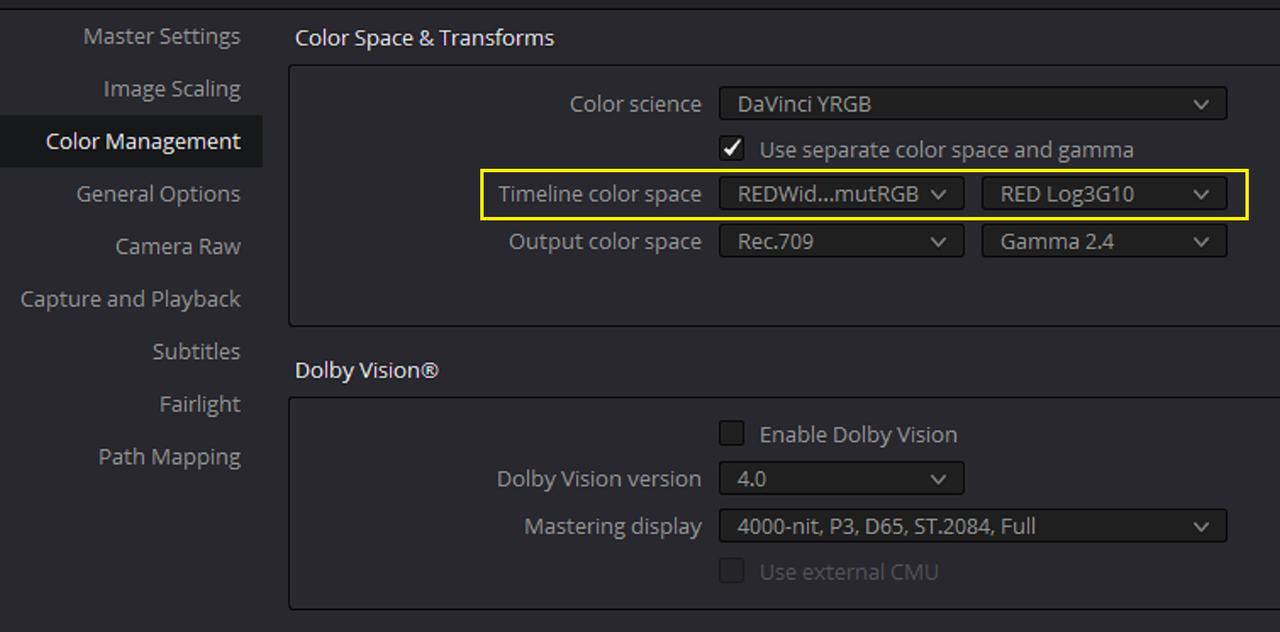
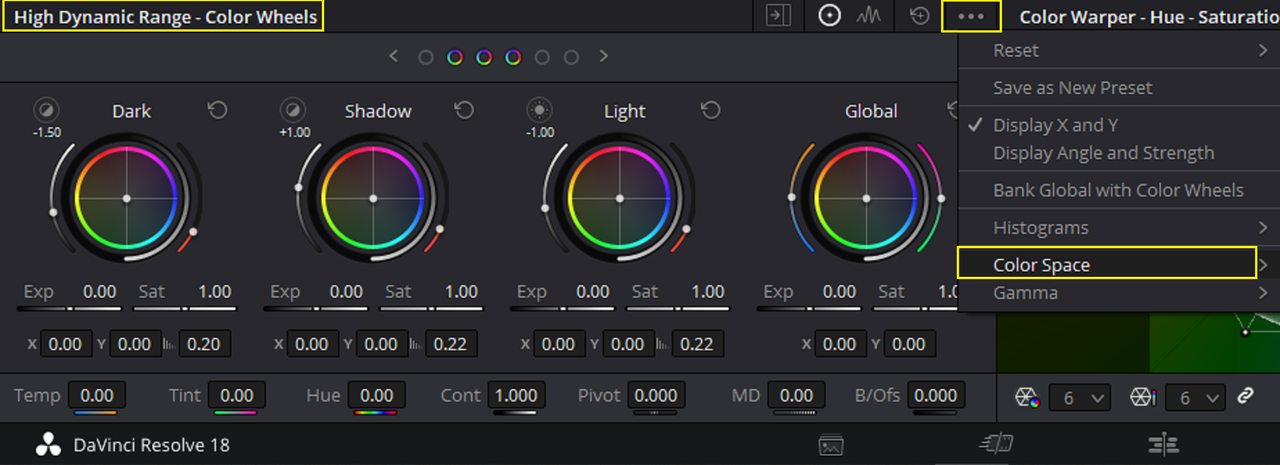
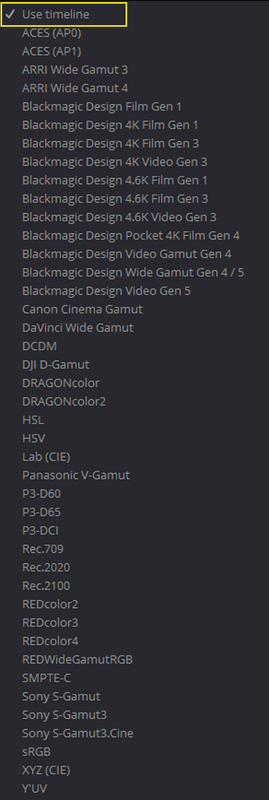
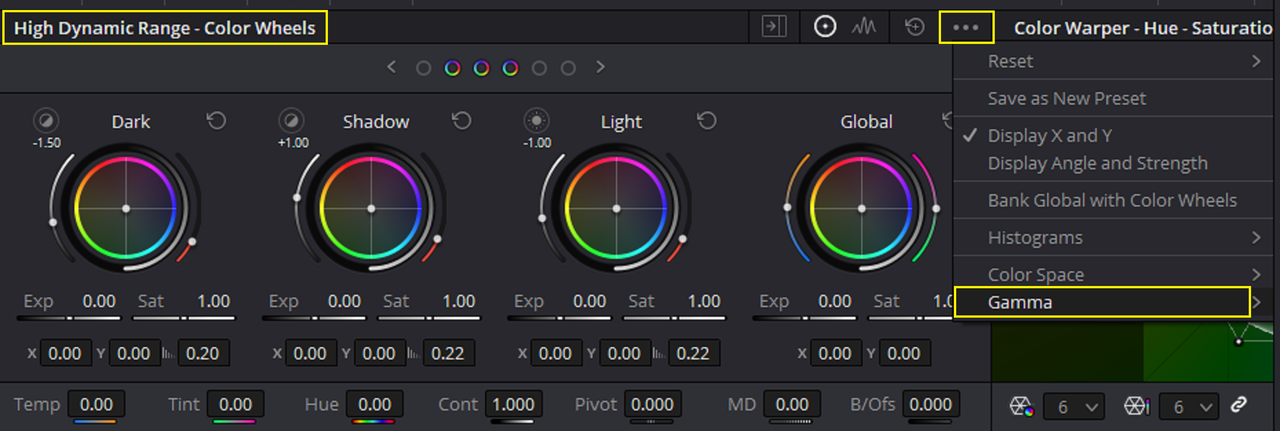
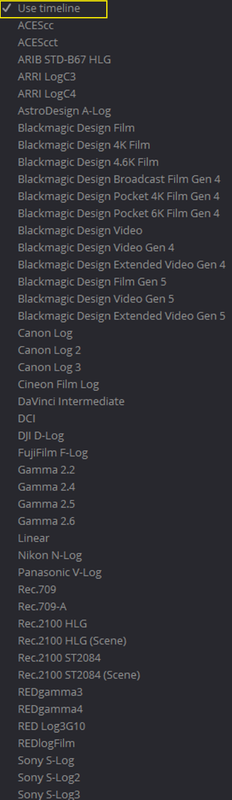
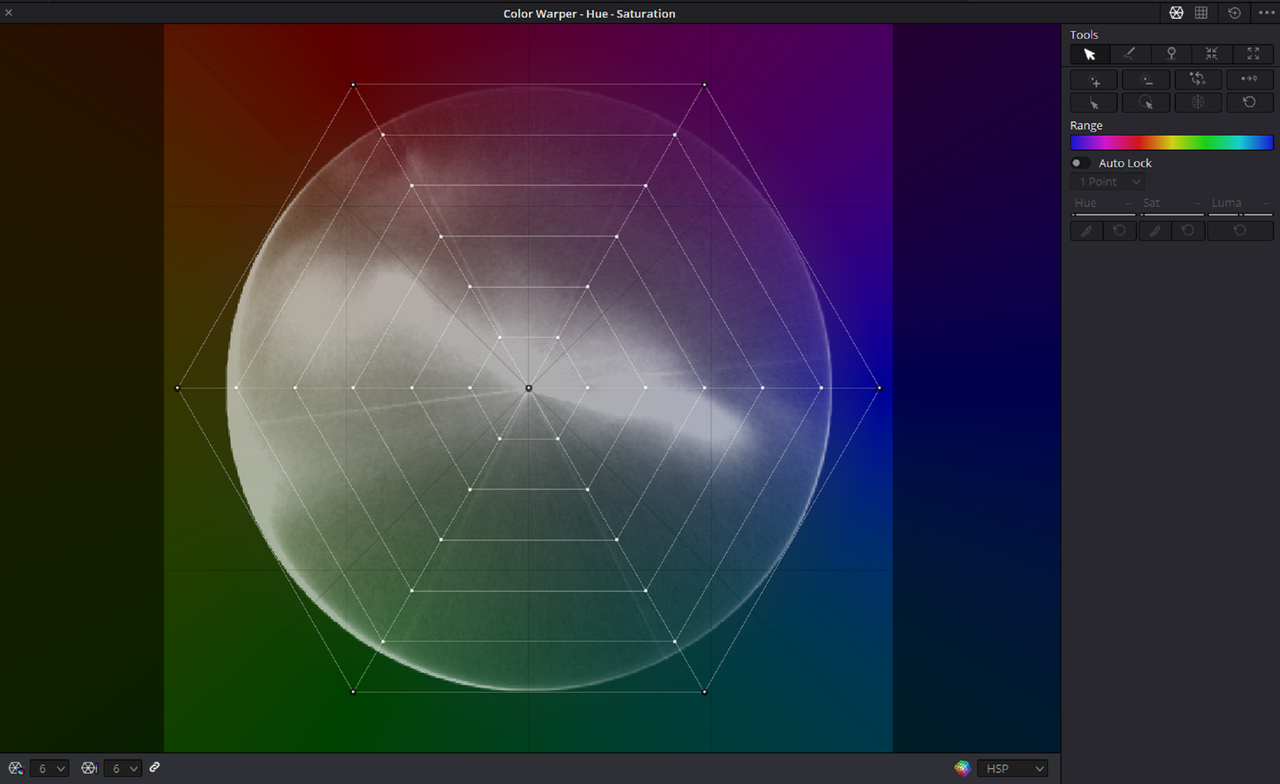
You're Welcome! Yeah the "HDR Palette" (High Dynamic Range-Color Wheels) is a great tool for color correcting in Resolve. However, you have to make sure that you give it the correct 'Metadata" for what "Color Space" and " Gamma" it will be working in to get the best results and the results you expect.

It gets this Metadata from the "Timeline Color Space" area of the "Color Management" Tab in the "Project Settings", so does the "COLOR WARPER",. You can also select a different Color Space and Gamma to work in for a select Node if you wanted to.


Screenshot-8340.png


Screenshot-8328.png


Screenshot-8343.png


Screenshot-8345.png


Screenshot-8344.png


Screenshot-8346.png


Screenshot-8339.png
 
Last edited:
Thanks Rand, I was just using a Rec.709/Gamma 2.4 timeline, changed it to a RWG/REDLog3G10 and got some better results.

https://youtu.be/fqAjKFMieHo

But who needs colour anyway -

https://youtu.be/ujFqa0h5jFk

That looks good in B&W Les! I just wish there was more samples with Humans in maybe high Key light scenes to judge how well the S-35 handles Highlights in comparison to other RED cameras. It's was demonstrated by CVP to be better with highlights.
 
Last edited:
Thanks Rand, what the CVP test showed and what Phil said about the slightly different approach Graeme took to the S35's highlight handling makes me think it'll be RED's best effort yet, but yeah, some more sample footage to twist out of shape would be good.
 
Back
Top