Welcome to our community

Be a part of something great, join today!

  • Hey all, just changed over the backend after 15 years I figured time to give it a bit of an update, its probably gonna be a bit weird for most of you and i am sure there is a few bugs to work out but it should kinda work the same as before... hopefully :)

RED V-Raptor 8K-VV: First Test Footage

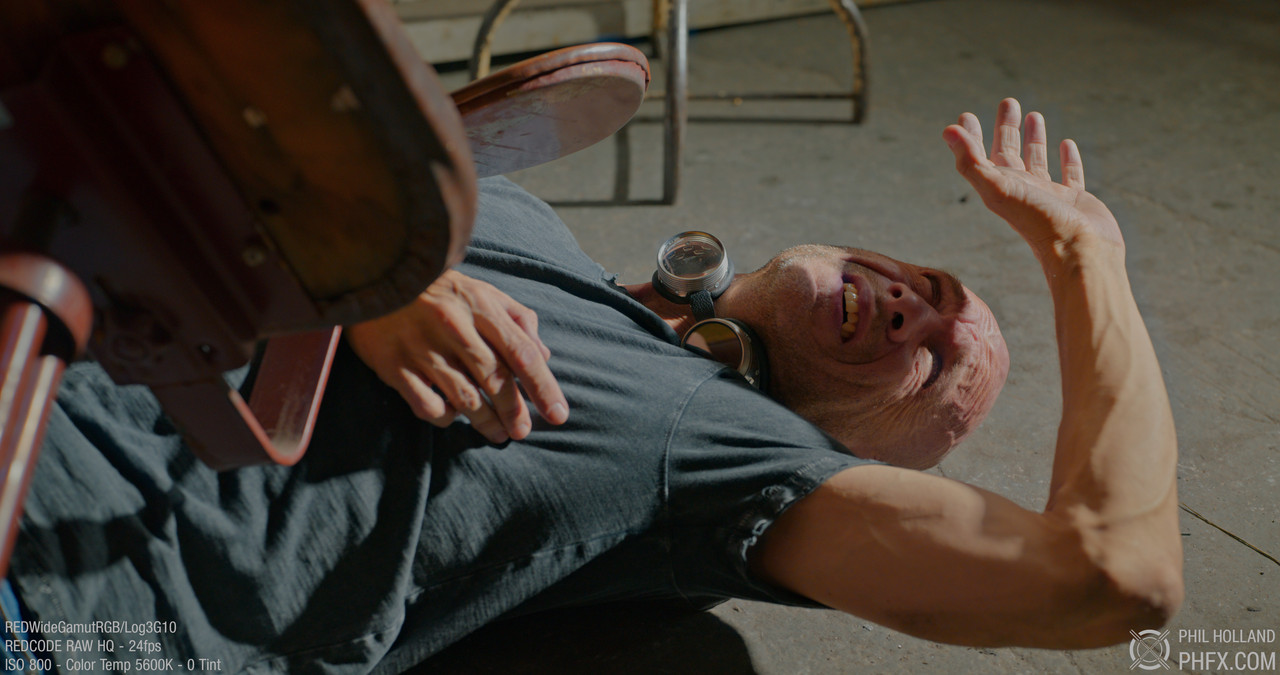
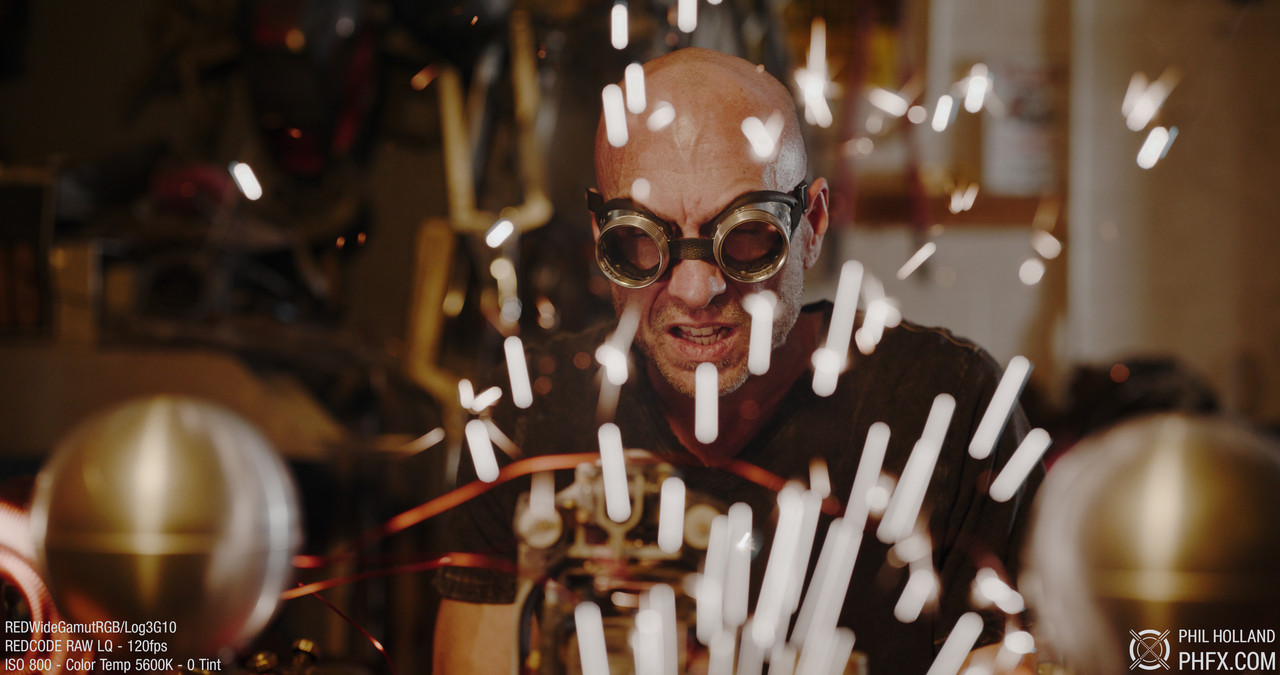
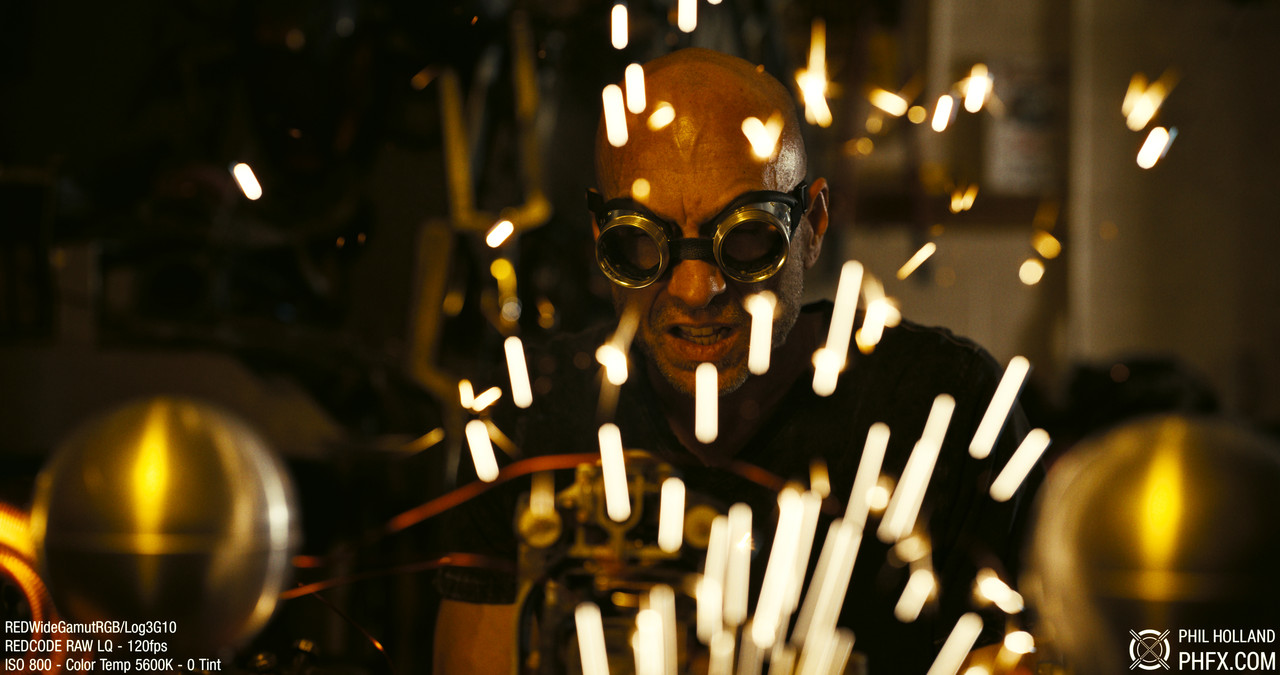
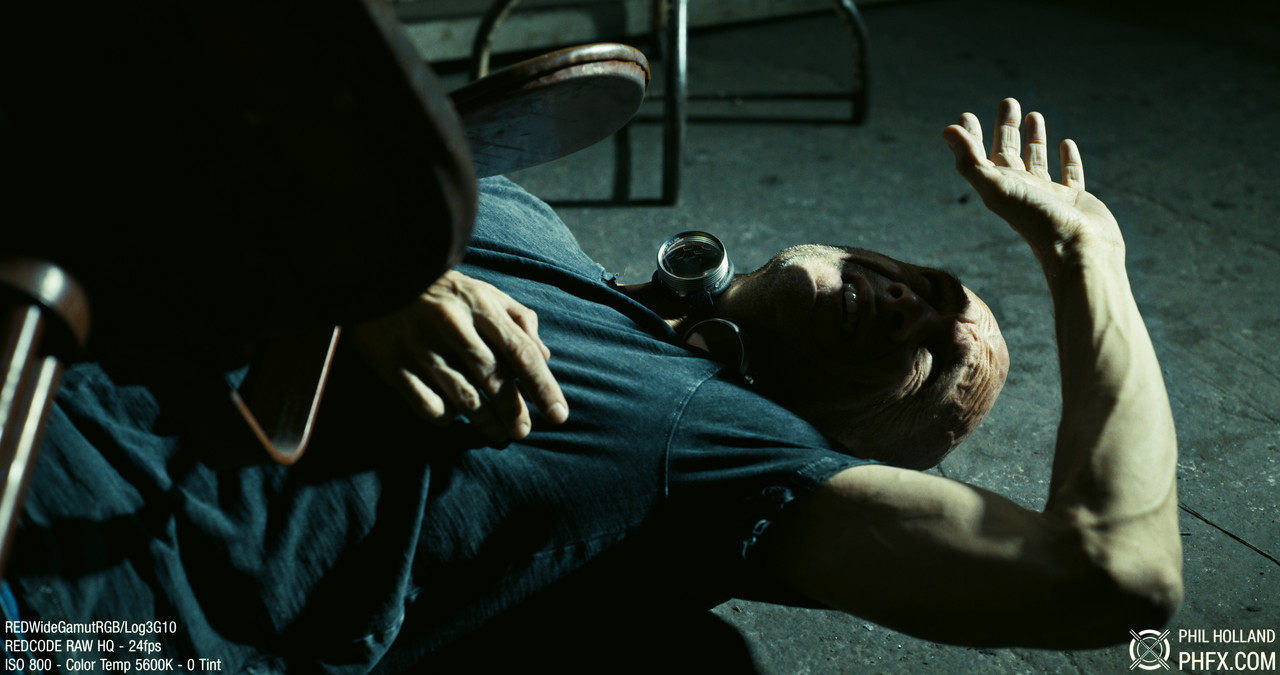
Here's Mine Phil


1-2-1-1-2-1.jpg


1-1-10-1-1-10.jpg
 
Last edited:
Thank you for the files. Alot of info to color with. Looking forward to using the camera!
1-1-1-1-1-1.jpg

1-2-1-1-2-1.jpg
 
A very fat negative indeed - the signal-to-noise must be pretty stellar.

There seems to be an absence of low frequency (chroma) noise in the shadows too.

Curious if this means colour (and saturation) remains stable right into the shadows.

AJ

lol, you can read what it says on the glasses :) this is crazy
 
Great job as usual Phil!
Love the work you did here.
Any BTS on how you lit the shop?
Maybe I missed it?
And sorry but did you use that single lens and what is it?
 
Thanks for sharing this stuff, Phil-- great material for getting a sense of what this camera can do!

I imagine it's early to really know anything about the wireless performance on the camera, but I'm very excited about where Raptor and Komodo are taking this. Impressive sensor capability but, for me, rock solid built-in wireless control and image transmission is one of the major features that would most distinguish these cameras from other stuff on the market. The idea of being able to deploy a sensor of this capability in a wide range of situations with very little supporting equipment (no additional i/o or power module, no Teradek, etc.) is exciting.

It's been a bit hit-or-miss for me with Komodo, but I recently replaced the stock antenna and had a very good experience on a recent shoot with a remote director. When it works, it's fantastic.
 
Playing with those TIFF's -


Still not sure about how nicely the image 'breaks' when pushing it too far, but it looks like there's a lot of room there to avoid having to do that anyway.

Thanks for the video and TIFF examples Phil.
 
Will our Nikon EF LEICA MOUNTS WORK IN THIS NEW BRAIN?
 
  • Thread starter
  • Moderator
  • #72
Will our Nikon EF LEICA MOUNTS WORK IN THIS NEW BRAIN?

For the smaller camera you will need Mount Adapters.

For the XL it currently looks like it's a slightly different mounting plate compared to DSMC2. Too early to tell though as that's just a teaser drawing.

All of those lenses should be able to fit on both systems from what I can see. Planning on putting some Leica glass on the smaller V-Raptor to see how it handles that glass.
 
Thanks yes I noticed the scetch designd is not square, I really wont like to loose all those Mount collections
 
I forgot to ask, did you test any other sizes?
Like what happens during 2K@600fps?
Sensor crop?
 
  • Thread starter
  • Moderator
  • #79
Nice color and grain. Reminds me of Riddick

Appreciate that. For those that don't know me, I did the color for Chronicles of Riddick studio-side and this is indeed a nod to it. When I bought the goggles for sure.


I forgot to ask, did you test any other sizes?
Like what happens during 2K@600fps?
Sensor crop?

I didn't have the camera for long Eric, so didn't get to dive too much into real high frame rates. More concerned on actually finishing the shoot. But I will do that.

I have been examining the 8K HQ, MQ, and LQ footage though at 1:1 pixel resolution, exporting crops, looking closely at it like there's a buried treasure hidden in there.


I have some thoughts about formats on V-Raptor. As much as the major resolution milestones are very interesting, things like 6K, 5.5K, and 5K will be useful for S35 peeps. And things like 3K, 2.5K, and 2K will be useful for S16 peeps. Perhaps 3.5K, but that would be largely lens dependent.

If only concerned about the top speed though, yep, things like 600fps are going to be nuts and in some cases replace the need for an additional high speed rental, unless you need absolute nutty frame rates.

I've examined RED's spec sheet a $#!+ton and I think what's also critical here is the data rates in which you can record at lower resolutions at high frame rates too. 4K 240fps for instance can be done at HQ and similarly 8K 60fps at HQ rather than 12:1. The 8K 120fps you see from the sparks onward in the short is all LQ and that look amazingly solid at that high frame rate.


In terms of format size/sensor cropping this sensor size is identical to both the Monstro and Dragon 8K VV sensors. The only difference is the format nomenclature in modern times that we saw introduced with Komodo.

In short this is how things are now:
- FF = 17:9 (is actually the DCI 1.9:1 Ratio)
- HD = 16:9 (is actually 1.78:1 used for HD and UHD)
- WS = 2.4:1 (is actually 2.37:1, notably slightly taller than the DCI Scope Ratio of 2.39:1 likely due to floating point/rounding needs)

I actually didn't notice if 2:1 was in there. One day I hope to be able to dial in custom format sizes outside of the standard ones found in RED bodies, be able to save them, and have them reap the benefits of frame rates and compression ratios available to those unique formats. Not a "need", but would be nice.

Notable on the specs is support for "all the anamorphic" of 2x, 1.8x, 1.6x, 1.5x, 1.3x, 1.25x. Appears support is in there for 6K and up, but unknown if that gets an update. Curious how that pans out, but also a welcomed addition.


Another thing on my mind going way back to DSMC and needing that 4K Broadcast Module is we now have 4K 60p 4:2:2 via the 12G SDI out right on the body, which makes this camera capable of certain broadcast tasks. Not exactly my filmmaking world, but I have a few clients who "do that".


Hopefully you can see how my "gears are turning" in response to the new camera.

But here's another nugget bouncing around in my noggin:

RED V-Raptor + DSMC3 7.0" LCD Touch + REDVOLT Micro-V + Approx RED Pro CFx = 6.85lbs (3.01kgs)

That's essentially the approximate operating base weight without optics or lens adapters thrown into the mix. Examining this allows me to digest how heavy my typical rigs would be. The square difference is I'm not adding modules or baseplates. Essentially my rigs will be under 15lbs fully rigged pretty often. Smallest lenses I have here that I shoot with keep this build under 8lbs. DSMC2 builds with similar considerations are typically around 12-16lbs. Doesn't always add up to half the weight, but many of my builds will still be in the 12-25lbs range with the lens being the largest factor, but it's notable nonetheless for handheld and compact rig building.

Komodo represents half of that weight if you build it with a similar mindset with lightest weight components. 4-6lbs rigged.
 
Back
Top