Welcome to our community

Be a part of something great, join today!

  • Hey all, just changed over the backend after 15 years I figured time to give it a bit of an update, its probably gonna be a bit weird for most of you and i am sure there is a few bugs to work out but it should kinda work the same as before... hopefully :)

ARRI 4K Super 35 Camera Will be Launched Next Month

EXCLUSIVE Look at the ALEXA 35 TEXTURE Modes!


by New East Rental


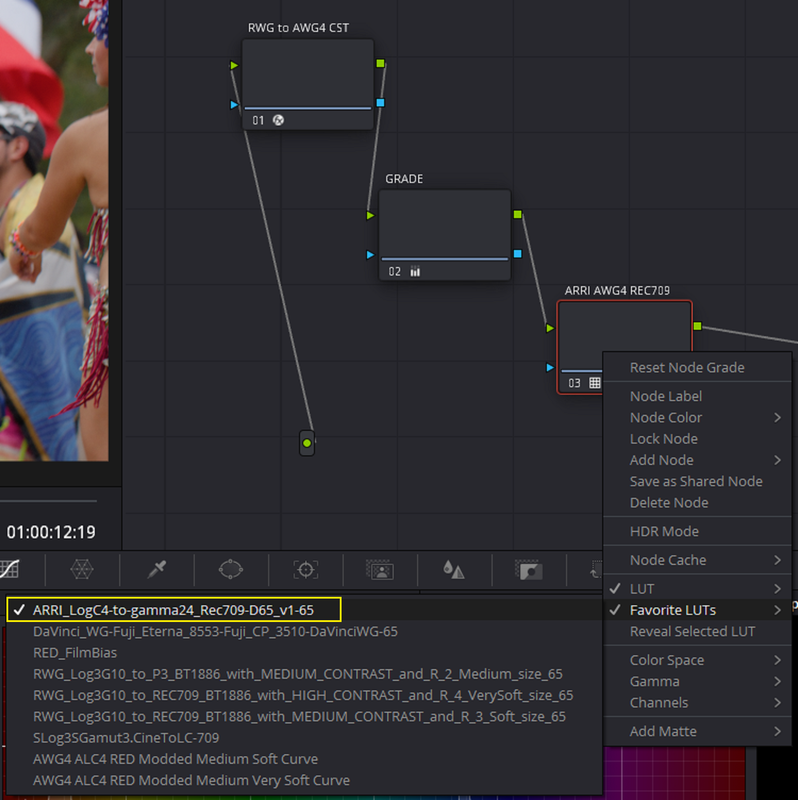
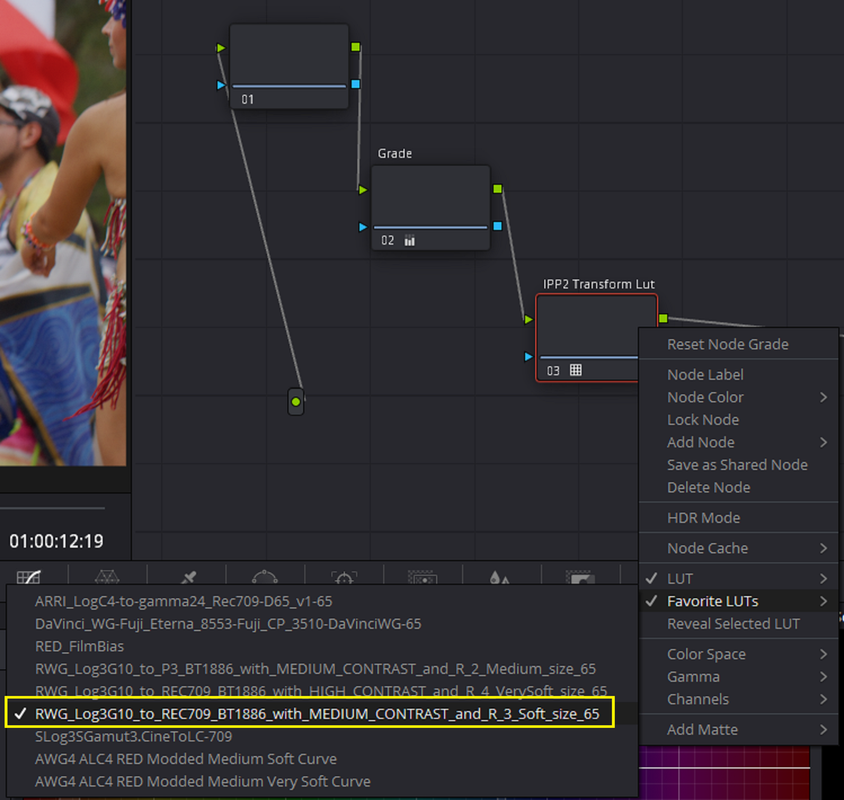
I've been doing a little Frankensteining with the ARRI AWG4/ALC4 to Rec709 Gamma 2.4 Transform Lut and the RED Medium Contrast/ Soft Rec709 BT1886 Lut and the RED Medium Contrast/ Very Soft Rec709 BT1886 Output Transform Luts.


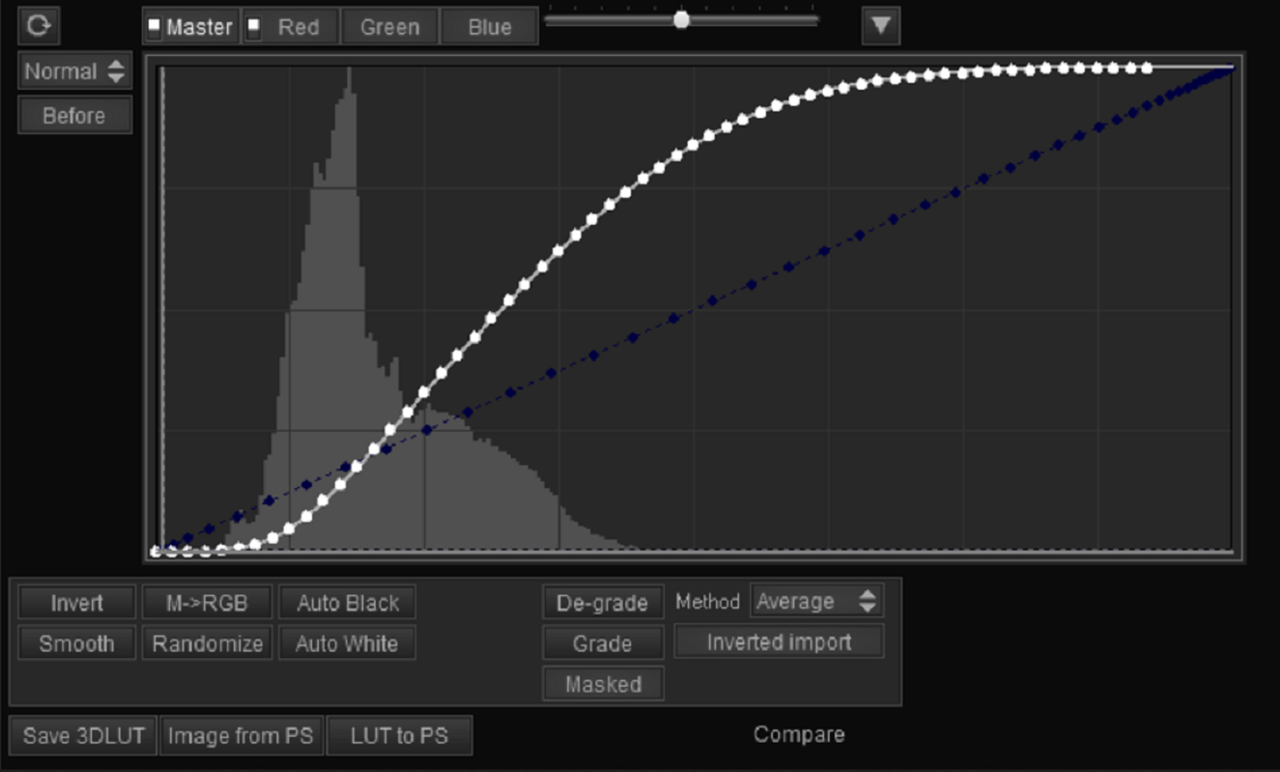
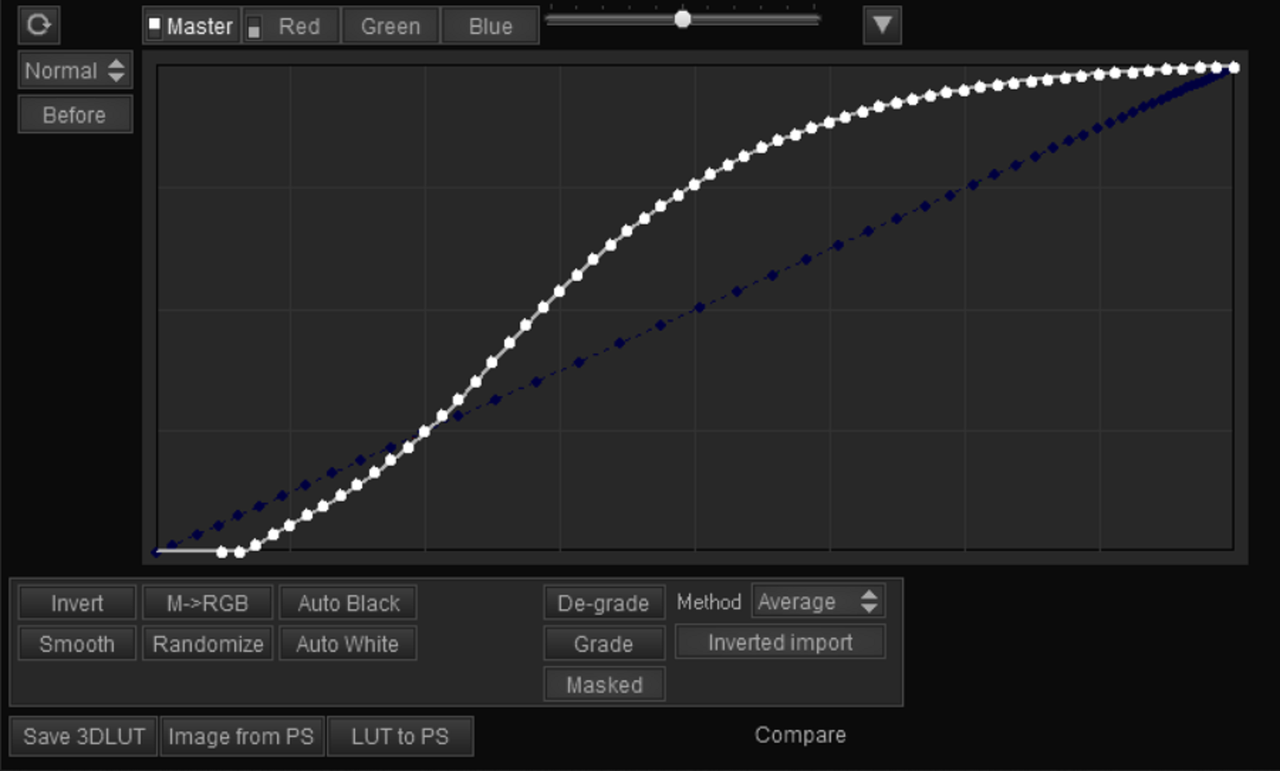
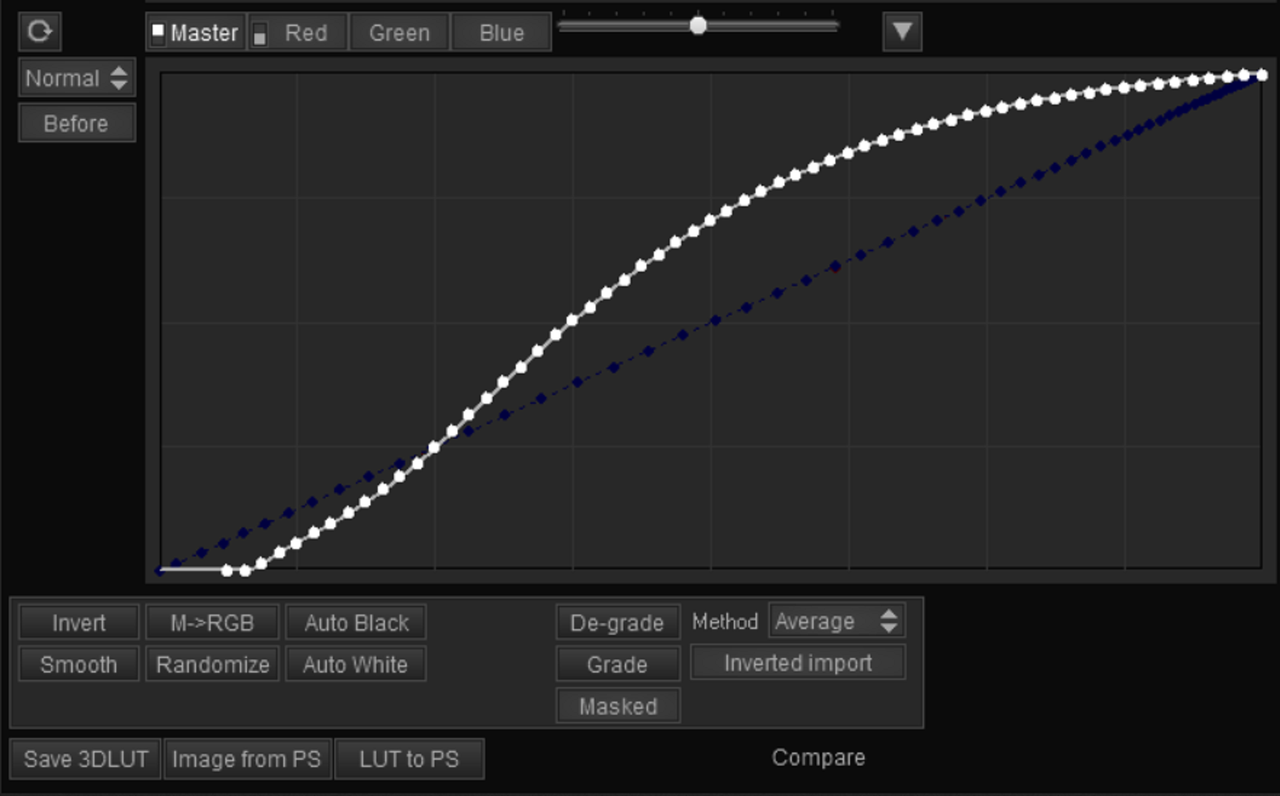
I extracted the curves from the ARRI AWG4/ALC4 to Rec709 Gamma 2.4 Transform Lut and the RED Medium Contrast/ Soft Rec709 BT1886 Lut and the RED Medium Contrast/ Very Soft Rec709 BT1886 Output Transform Lut

I deleted the Master Curve from the ARRI AWG4/ALC4 Lut and I made two separate Luts, one with a Modified Master Curve from the RED Medium/ Soft Lut and One with a Modified Master Curve from the RED Medium/ Very Soft Lut.


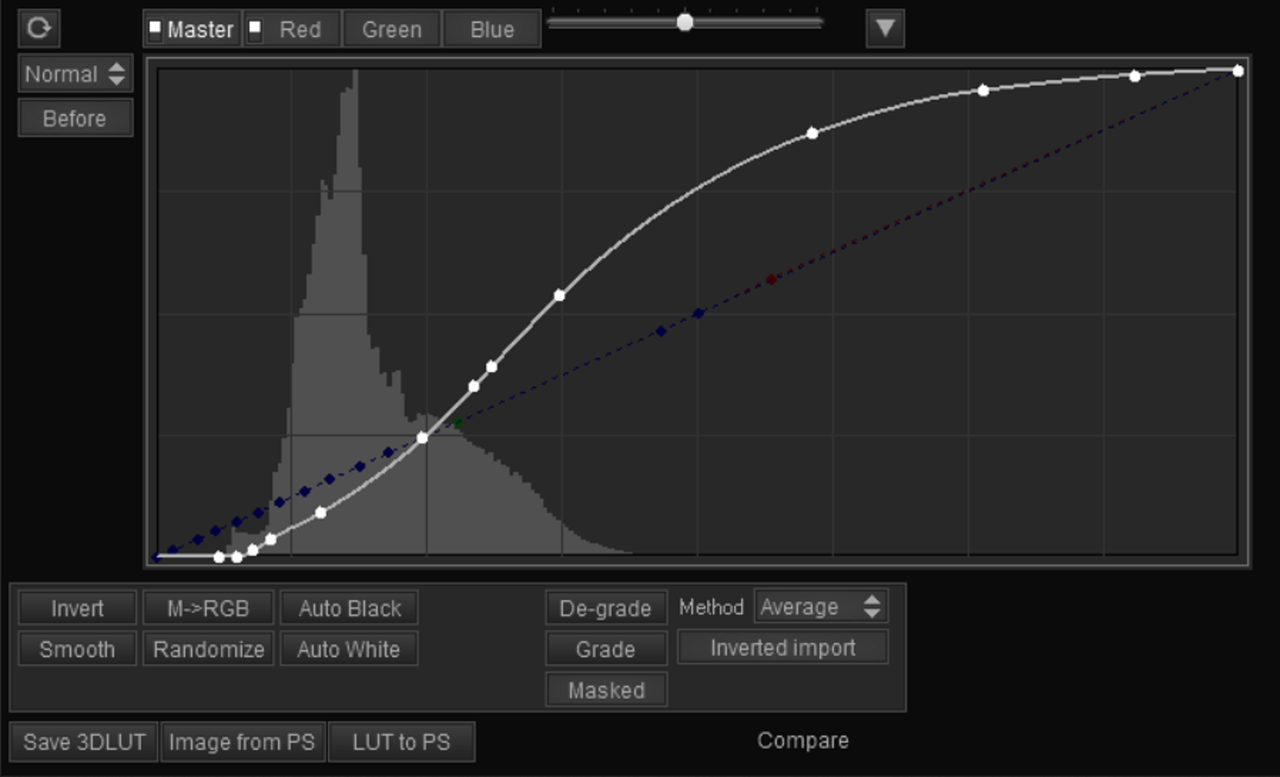
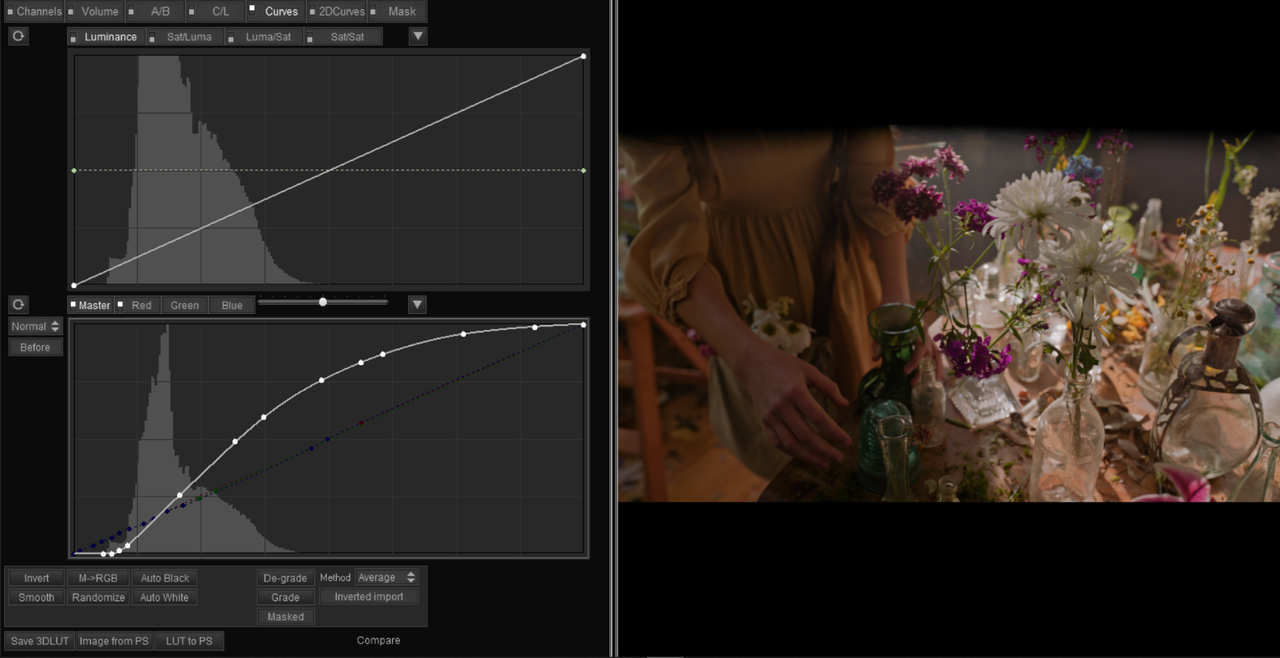
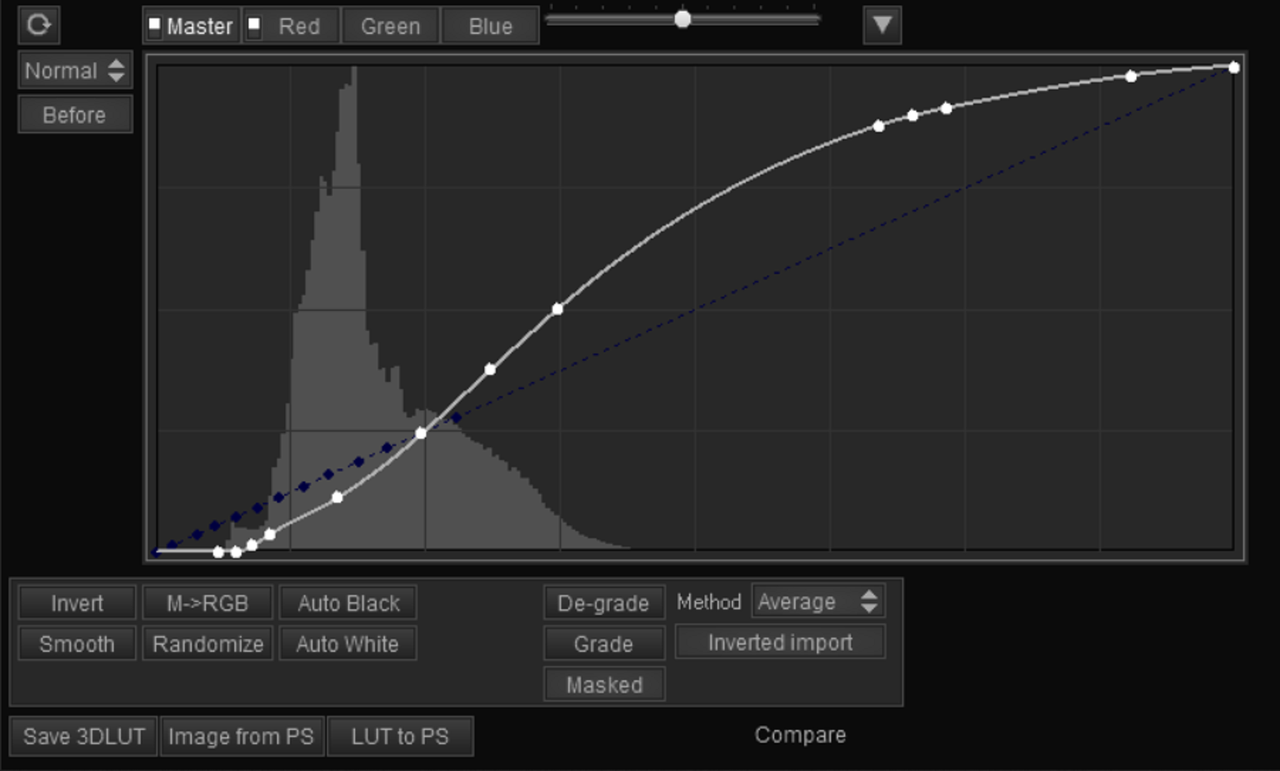
Here is the Master Curve from the ARRI AWG4/ALC4 TO REC 709 GAMMA 2.4 LUT

42.png


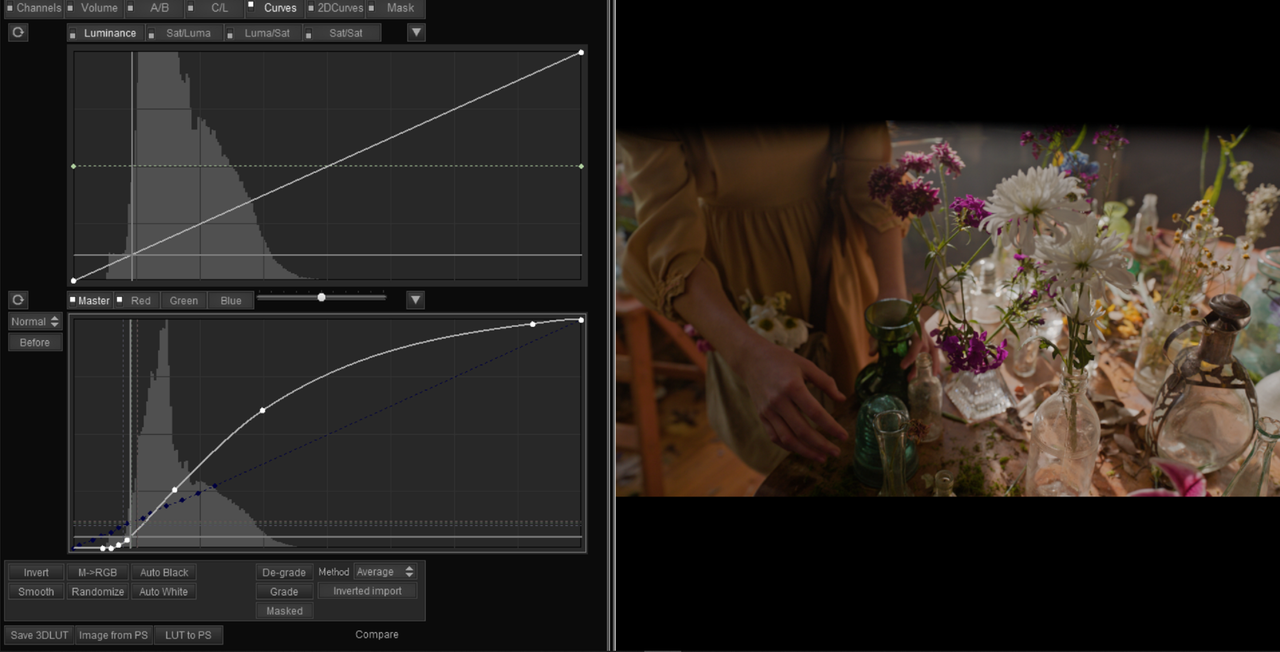
Here is the Master Curve from the RED Medium/ Soft REC709 BT1886 Lut


Screenshot-6110.png


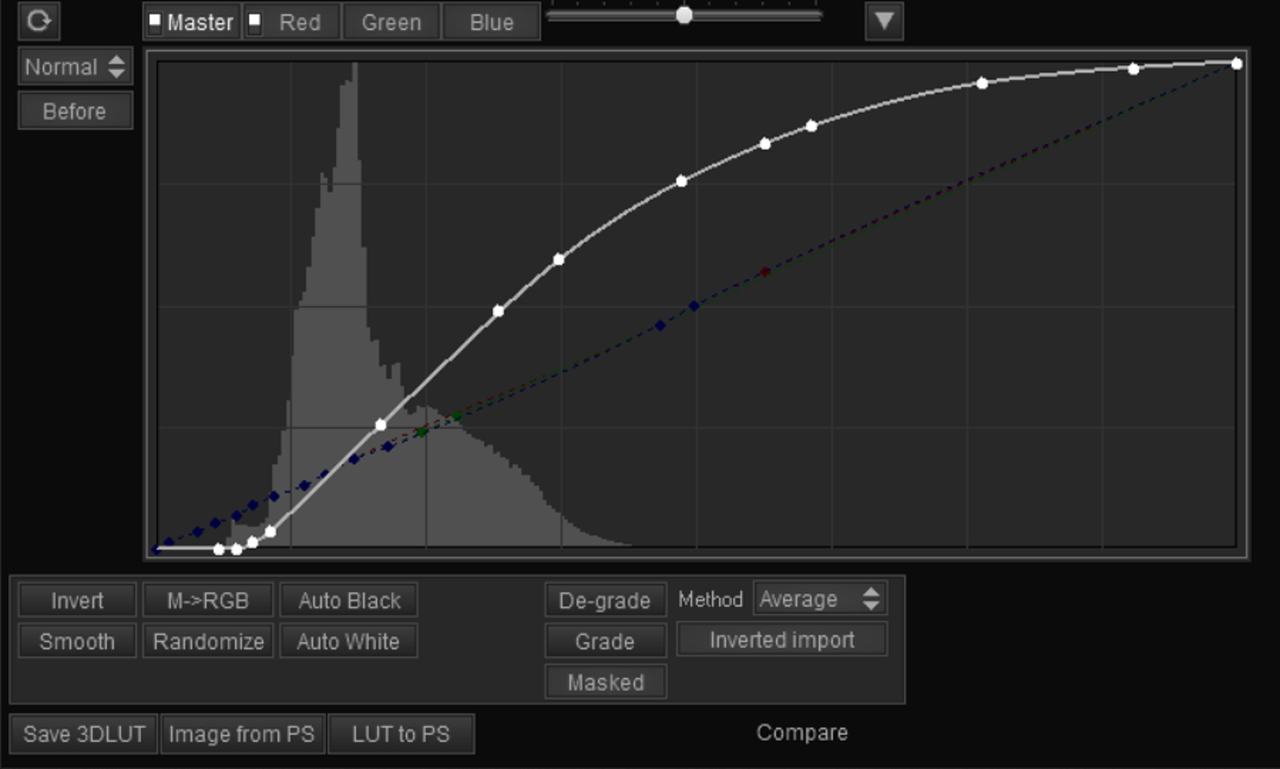
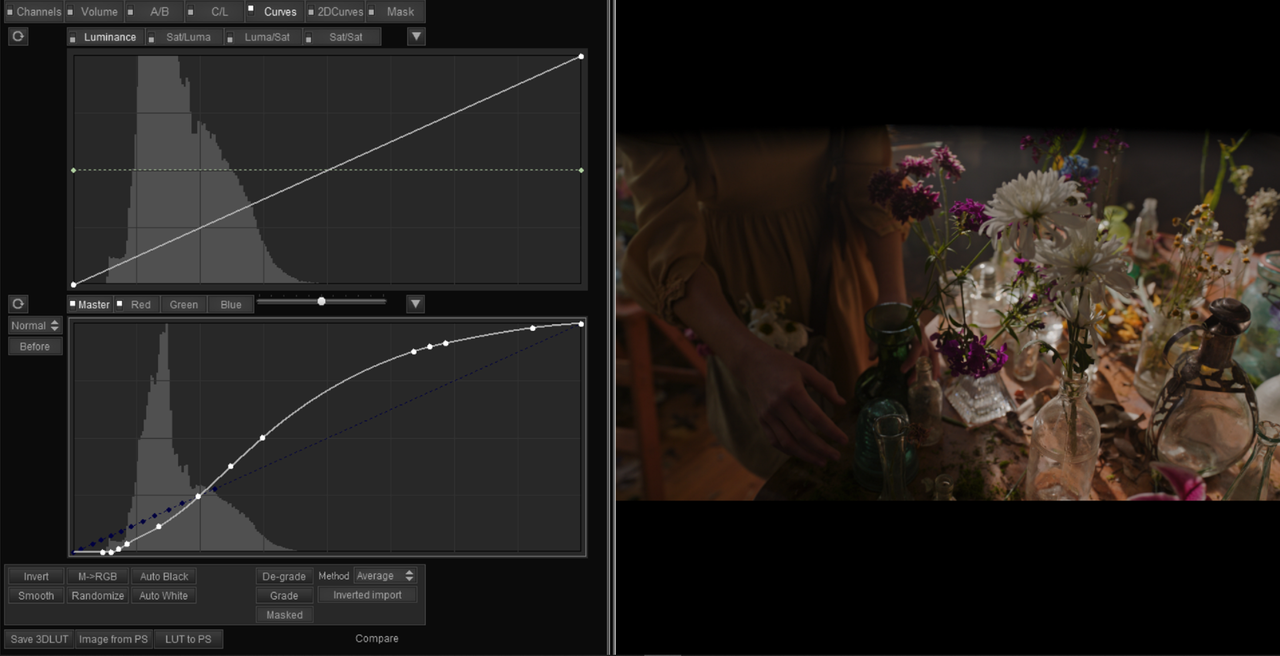
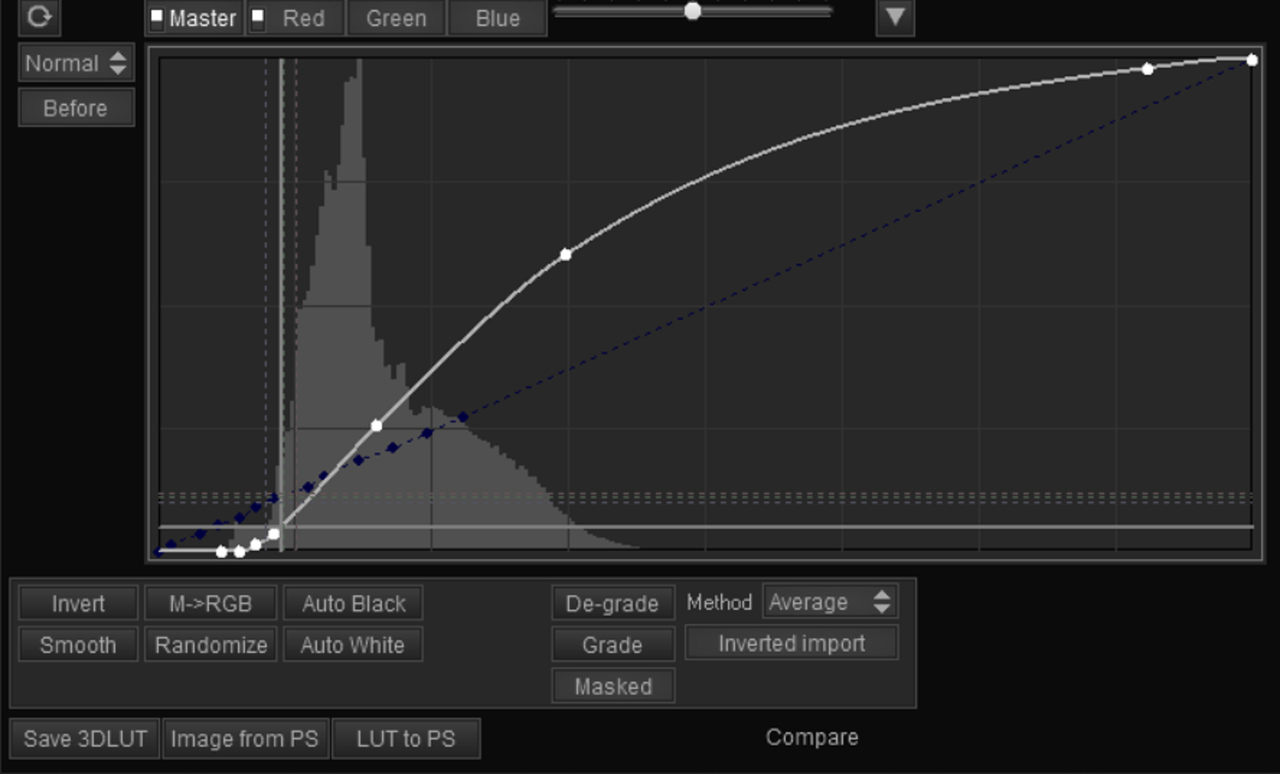
Here is the Master Curve from the RED Medium/ Very Soft REC709 BT1886 Lut


Screenshot-6111.png


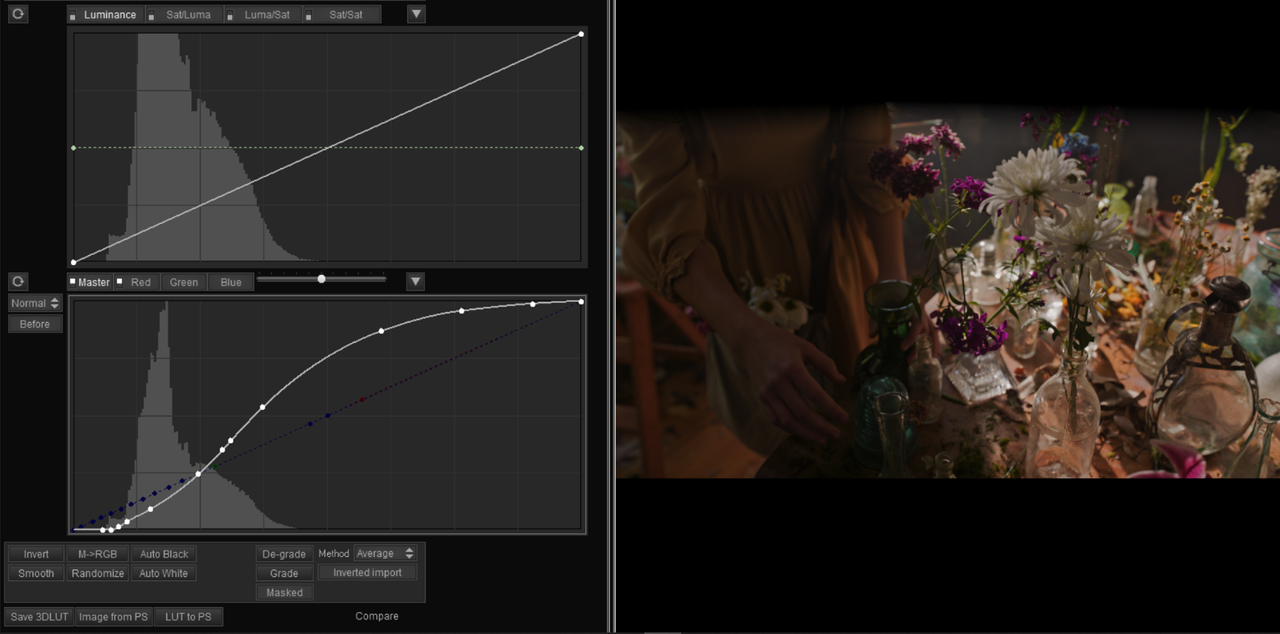
I saved all three Master Curves From above as "Lightroom Curves". I modded the two RED curves to try to approximate the Master Curve from the ARRI Lut.


Original RED Medium/Soft Curve

Screenshot-6115.png

Screenshot-6115-2.png


Modded RED Medium/Soft Curve


Screenshot-6116.png


Screenshot-6116-2.png


Original RED Medium/Very Soft Curve


Screenshot-6117.png


Screenshot-6117-2.png


Modded RED Medium/Very Soft Curve


Screenshot-6118.png


Screenshot-6118-2.png


Here are Examples with the Original ARRI AWG4/ALC4 to REC709 Gamma 2.4 Lut and the ARRI AWG4/ALC4 Color Info combined with both the Original and Modded RED Medium/ Soft Curve and RED Medium/ Very Soft Curve at the end of Node Tree with a Grade before the Luts.


Original ARRI AWG4/ALC4 Lut


AWG4-ALC4-ARRI-ORIGINAL-l-UT-1-4-1.jpg


ARRI AWG4/ALC4 Color Info with Original RED Medium/Soft Curve


awg4-alc4-RED-Medium-Soft-1-4-2.jpg


ARRI AWG4/ALC4 Color Info with Original RED Medium/Very Soft Curve


awg4-alc4-RED-Medium-Very-Soft-1-4-3.jpg


ARRI AWG4/ALC4 Color Info with Modded RED Medium/Soft Curve


alc4-Modded-RED-Medium-Soft-1-4-4.jpg


ARRI AWG4/ALC4 Color Info with Modded RED Medium/Very Soft Curve


awg4-alc4-Red-Modded-Medium-Very-Soft-1-4-5.jpg
 
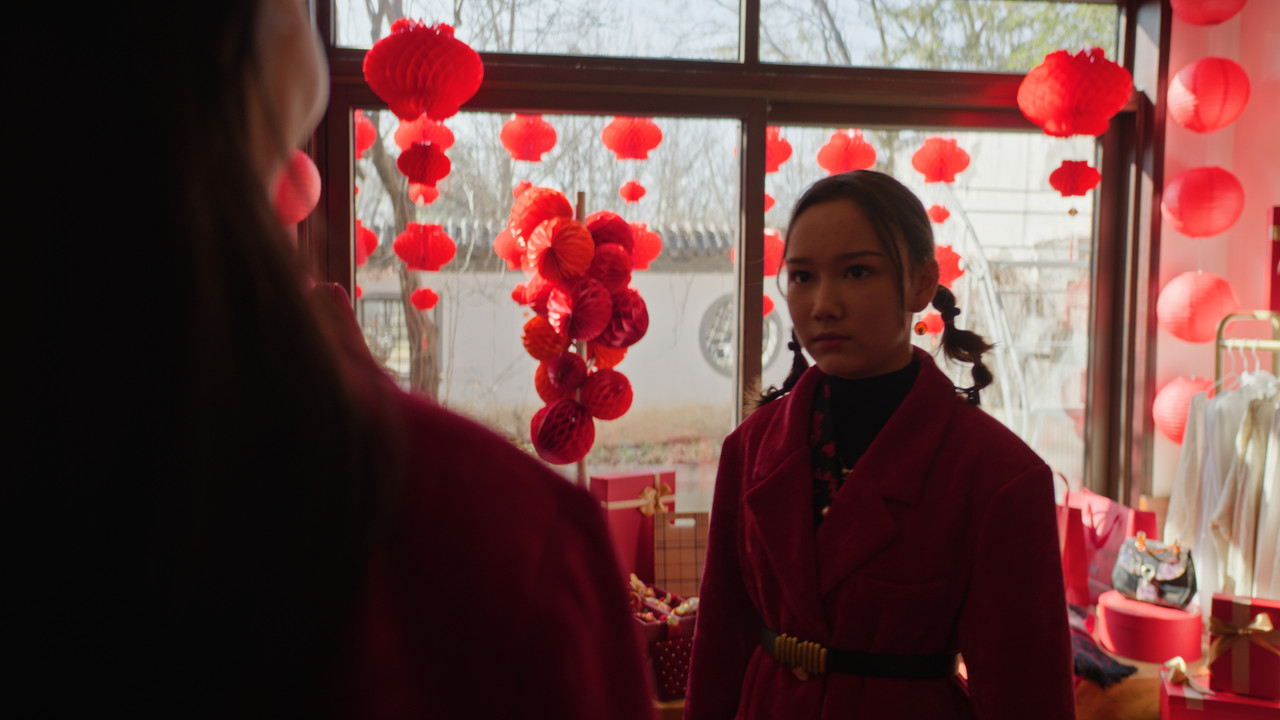
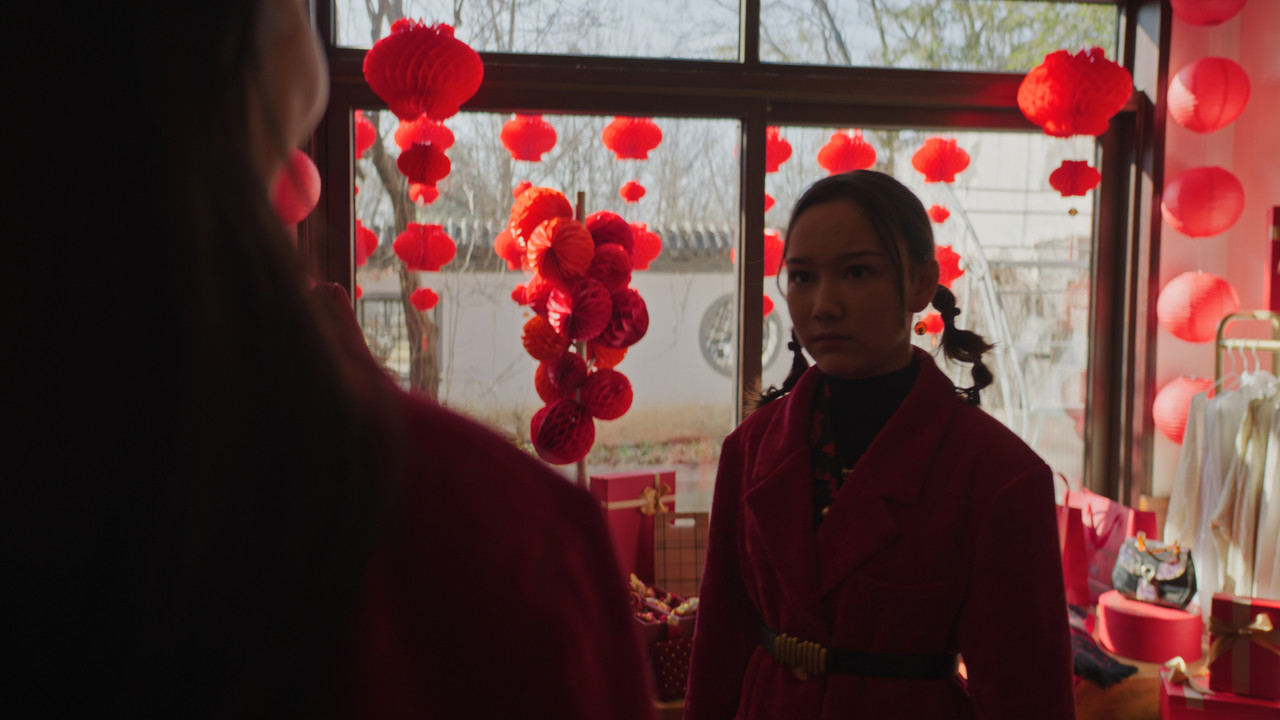
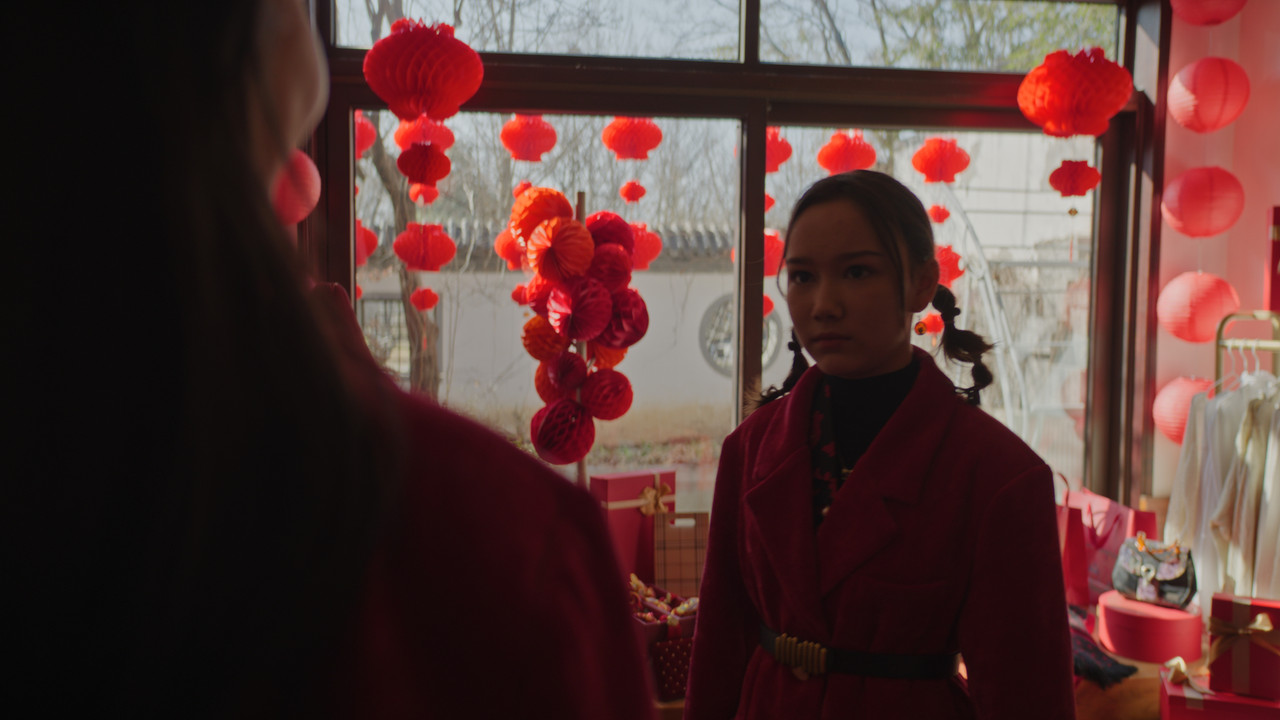
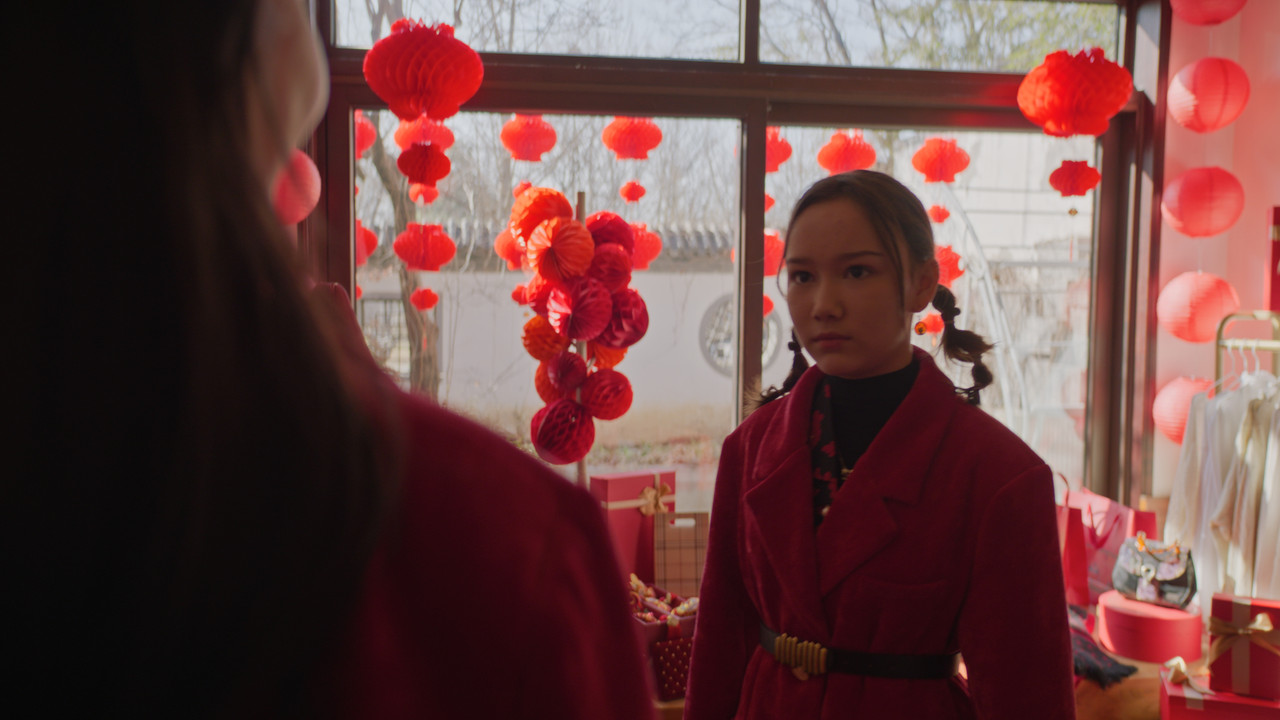
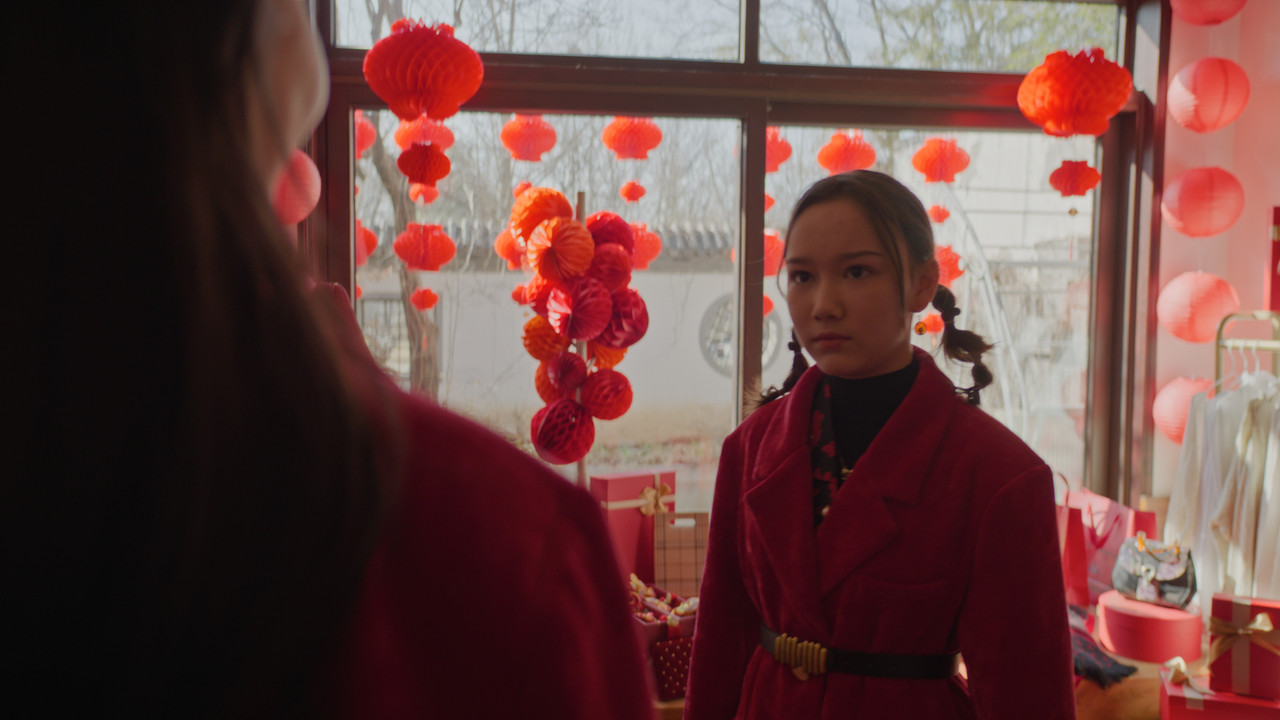
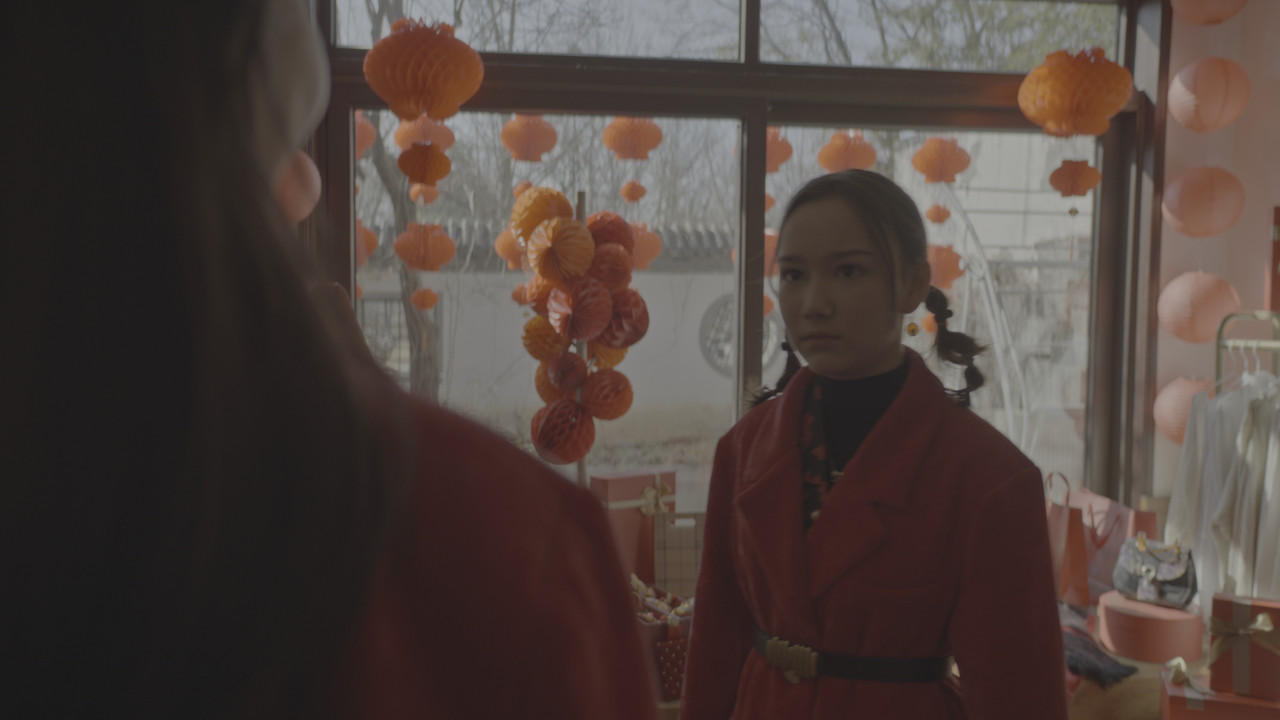
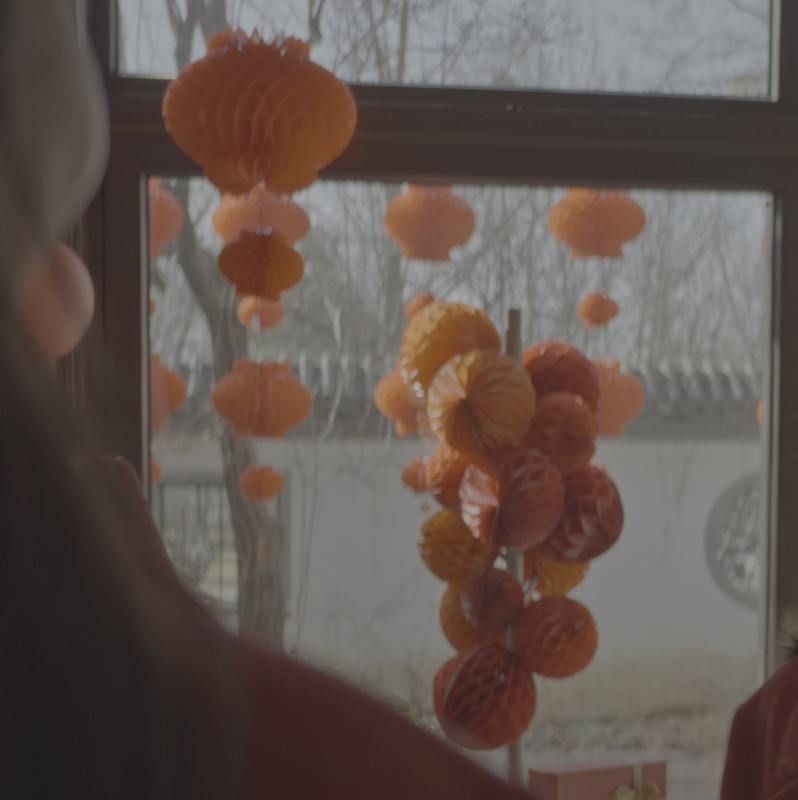
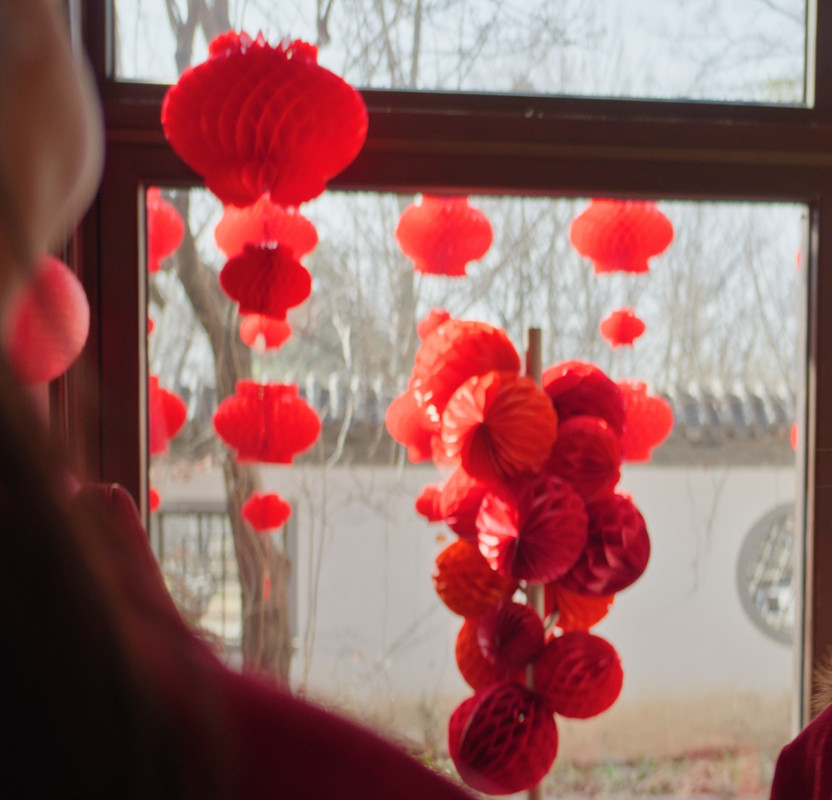
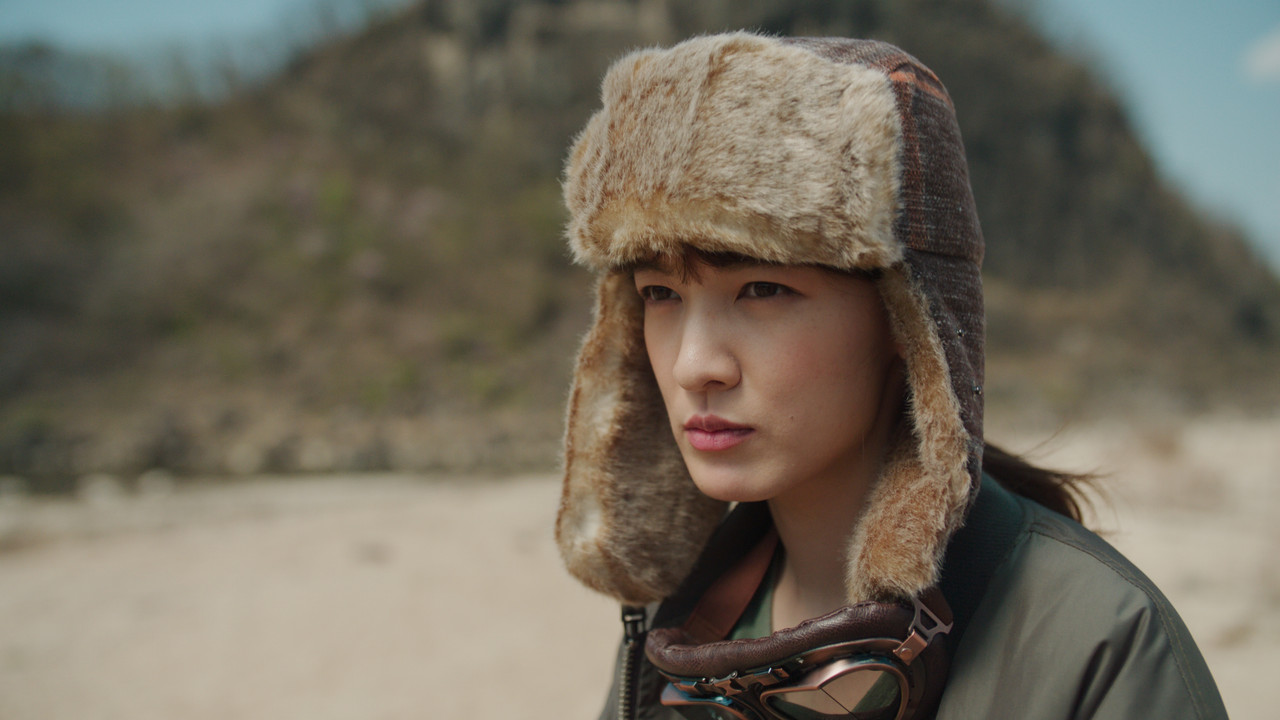
I was noticing when I was messing around with the image of the " MOTHER and DAUGHTER in the shop" scene that in the ARRIRAW LOG image those paper balls in the background are made up of Light and Dark "ORANGE" colors. However when I used the Official ARRI AWG4/ALC4 to REC709 Transform Lut on the ARRIRAW Log Image, those balls in the Background became almost completely "RED". What's up with that?


ARRIRAW LOG Image

1-4-8-1-4-8.jpg


1-4-8-1-4-82.jpg


ARRIRAW LOG Image with the Official ARRI AWG4/ALC4 to REC709 Transform Lut applied


AWG4-ALC4-ARRI-ORIGINAL-l-UT-1-4-1.jpg


AWG4-ALC4-ARRI-ORIGINAL-l-UT-1-4-12.jpg
 
I was noticing when I was messing around with the image of the " MOTHER and DAUGHTER in the shop" scene that in the ARRIRAW LOG image those paper balls in the background are made up of Light and Dark "ORANGE" colors.


Whatever the colorimetry they are doing to what is now off the sensor's color space into AWG4 produces that and their transforms push that to the correct hue. From any manufacturer at this point onwards, actually a long while back too, don't expect colors to render accurately in their native color space and gamma.

We are far from the days of older Cineon and Rec.709 workflows. Pushing saturation to 100% won't net good color on any good system these days unless it's done that way. I still see people working this way and they wonder why their skin tones don't look right or whatever, but they are usually wrong.

I have some thoughts on why they chose this route, but I'll save that for off the air for the time being. Short version worth stating, ARRI is doing their best to avoid virtual primaries while working in a pretty tight color space. For colors that exist in the real world across the gamut and tonal range, that may create hiccups unless you do something about it.

Thanks again Phil for your insight into this! Yeah, they were stressing alot about how they tried in the new Color Space to avoid " Virtual Colors" outside of the range of human vision but I didn't think something like this would be the byproduct of that. So I wonder what other surprises in this new Color Space will be revealed as time goes on.
 
I Extracted out the Master Curve from the ARRI AWG4/ALC4 to REC709 Gamma 2.4 Lut which left only the ARRI AWG4/ALC4 Color Info, Which I saved as a Lut. I then opened up a RED IPP2 Color Managed Workflow and applied the ARRI AWG4/ALC4 Color Info Lut in-between a RWG/LOG3G10 to AWG4/ALC4 Color Space Transform and an AWG4/ALC4 to RWG/LOG3G10 Color Space Transform. The Results are below.


1.png


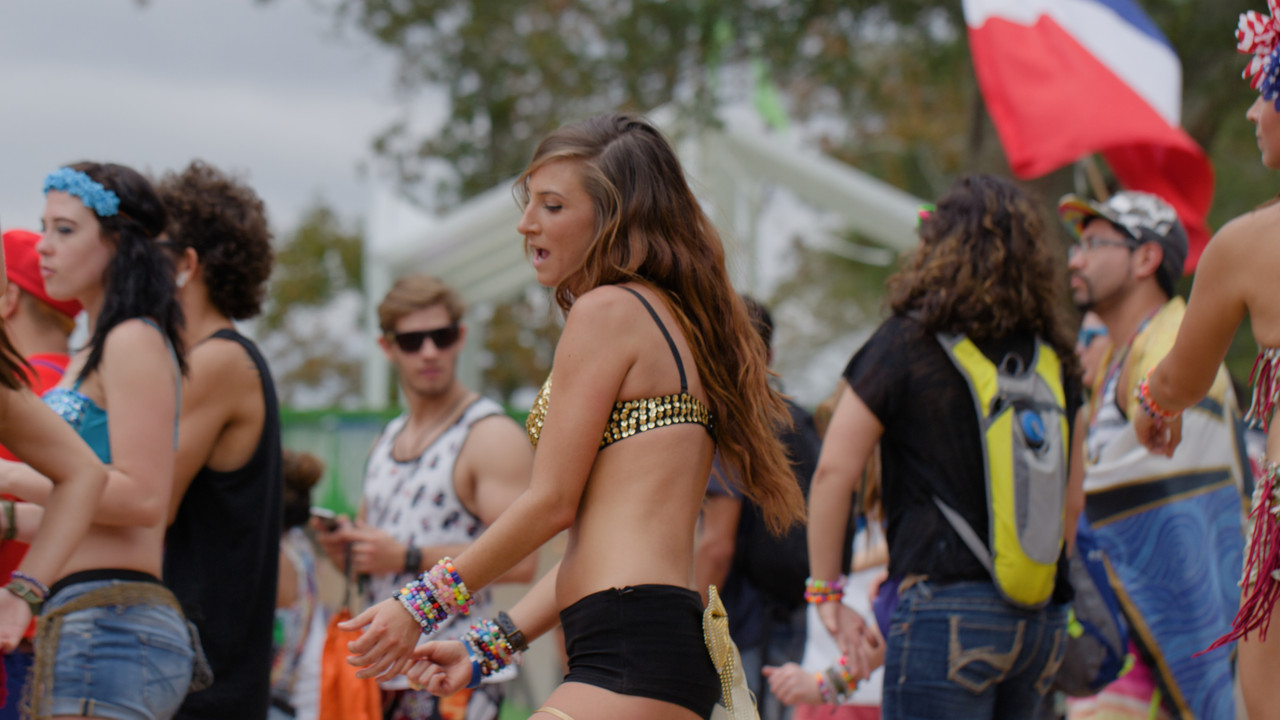
Here's The Original Image as it looked after an Exposure adjustment into the RED IPP2 Color Managed Workflow and with no other grading adjustments made.


1-1-1-1-1-1.jpg


Here are the Results of adding the ARRI AWG4/ALC4 Color Info as a LUT in-between two Color Space Transforms going from RWG/LOG3G10 to AWG4/ALC4 and to AWG4/ALC4 to RWG/3G10.


2.png


3.png


4.png


421.png


5.png


521.png


I placed the AWG4/ALC4 Color Info Lut between the two Color Space Transforms


Screenshot-6137.png


Original Red.R3D file brought into a RED IPP2 Color Managed Workflow


1-1-1-1-1-1.jpg


Screenshot-6131.png


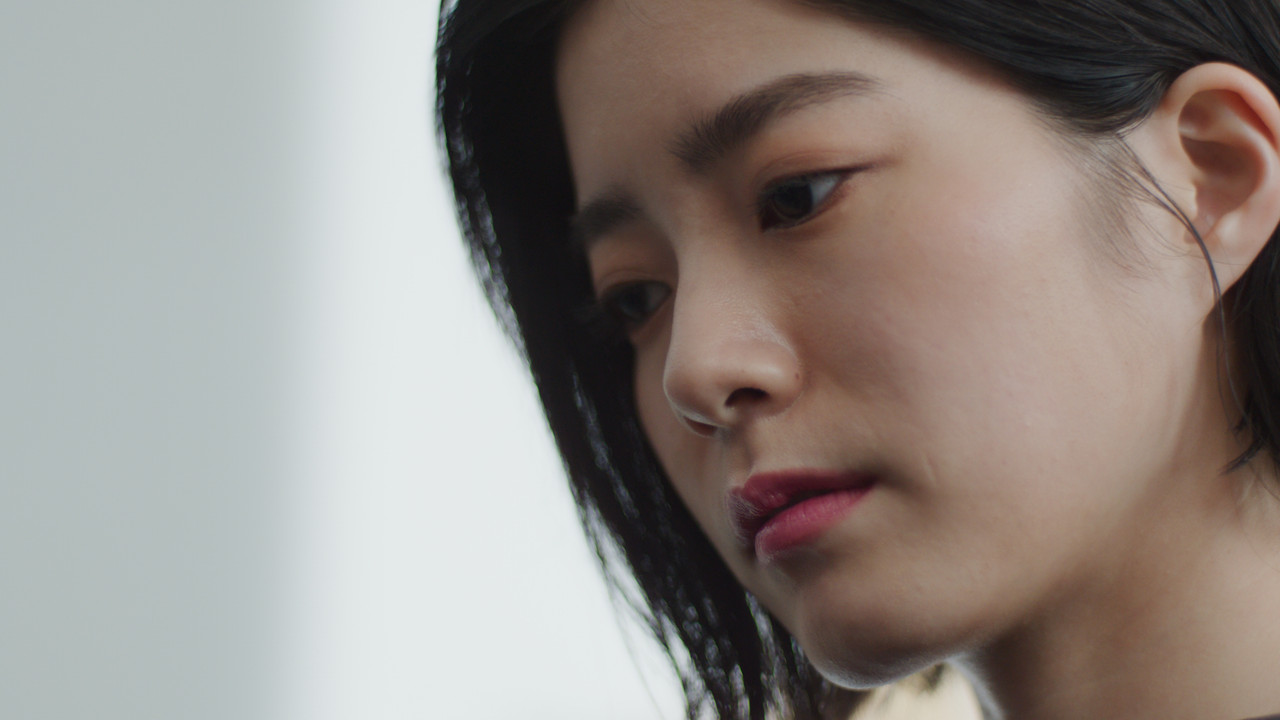
Original Red .R3D file brought into a RED IPP2 Color Managed Workflow with ARRI AWG4/ALC4 Color as Lut between two Color Space Transforms. The AWG4/ALC4 Color Info Lut gives the image a strong "RED-Magenta" shift in the skintones. The "RED-Magenta" shift was just like in ARRI's Own ARRIRAW file above which transformed The "Oranges" in the ARRIRAW file to "RED".


1-1-2-1-1-2.jpg


Screenshot-6132.png


ATTEMPTING TO REMOVE THE EXCESS RED OUT. THE FLAG IN THE BACKGROUND AND THE GUYS RED HAT STILL HAS THE EXCESSIVE "RED-MAGENTA" COLOR HOWEVER.


1-1-2-1-1-2.jpg
 
Last edited:
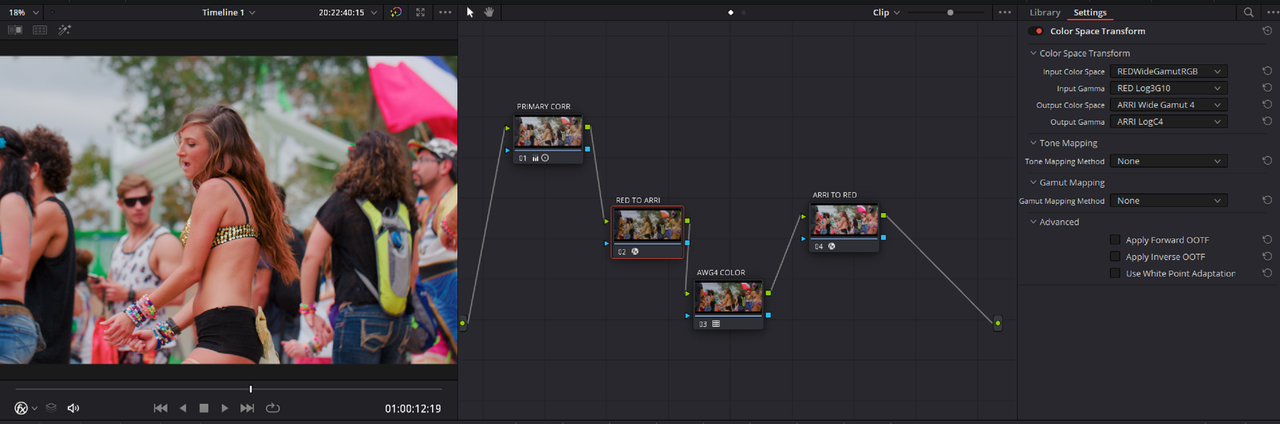
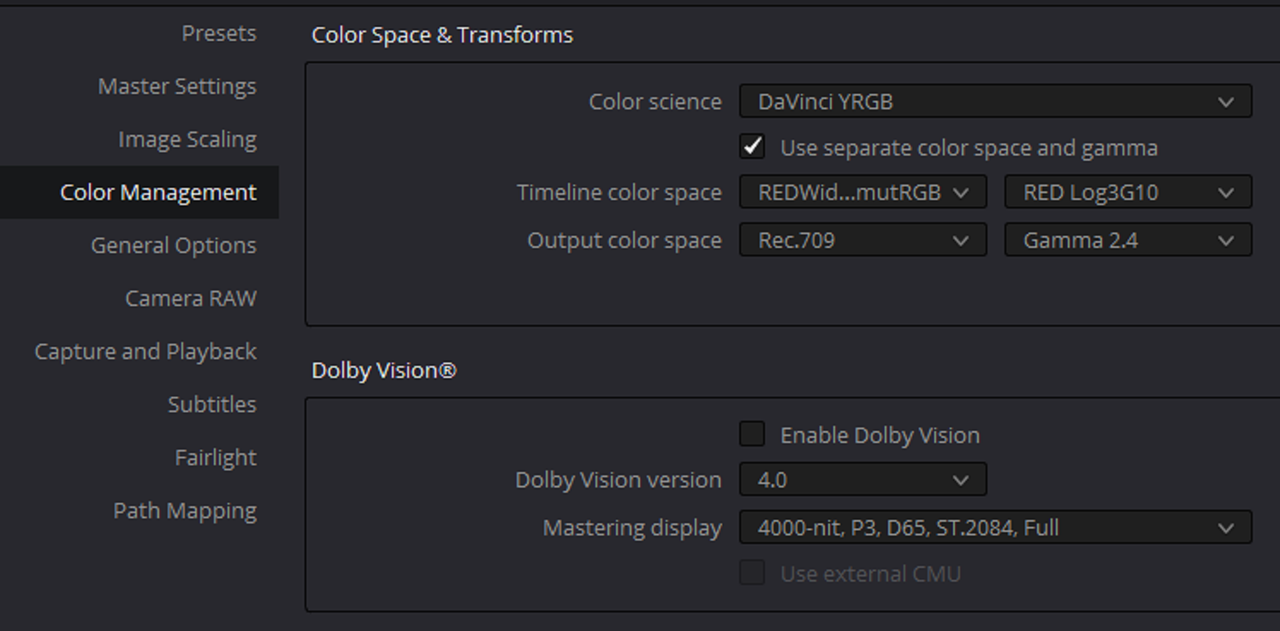
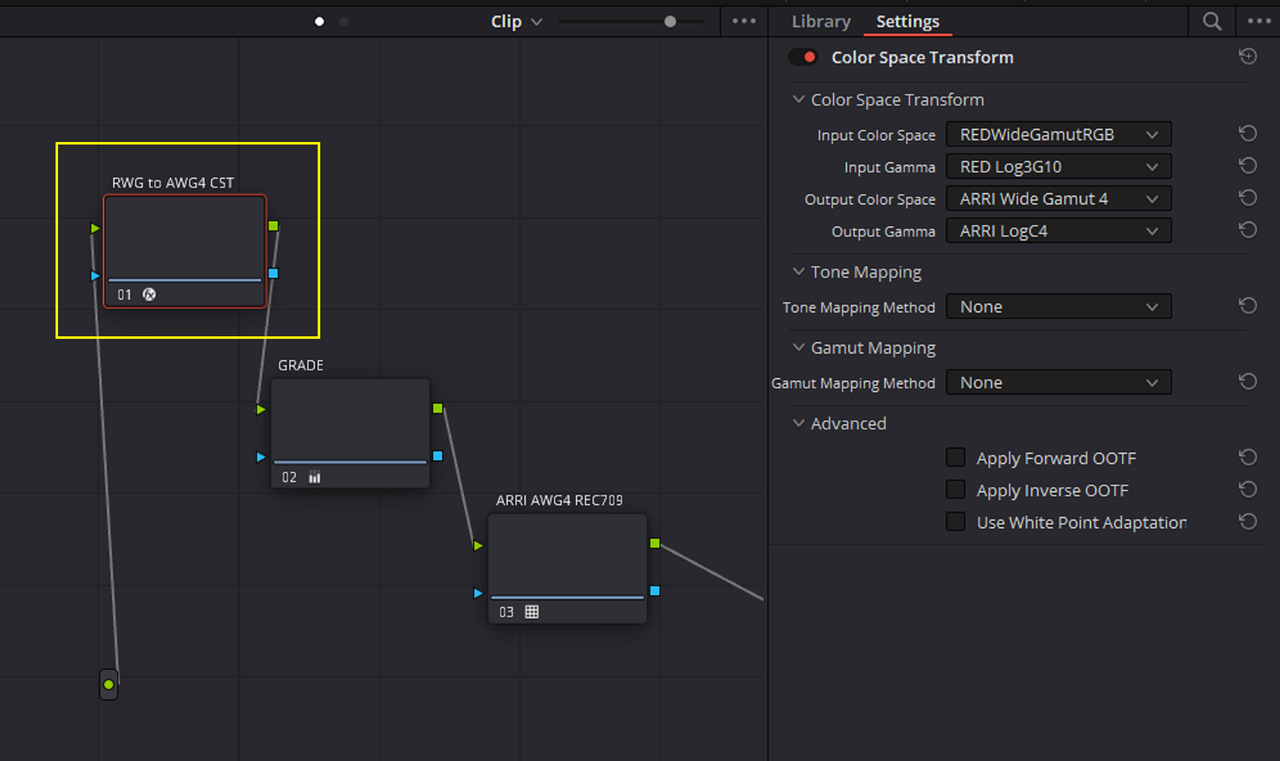
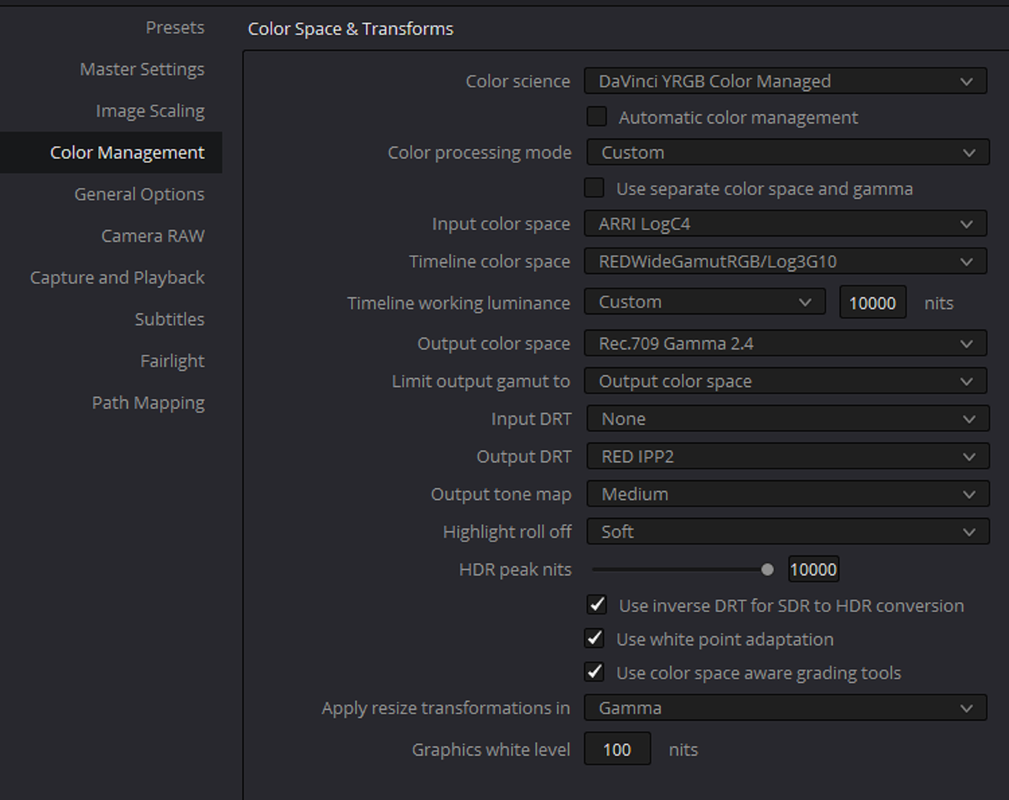
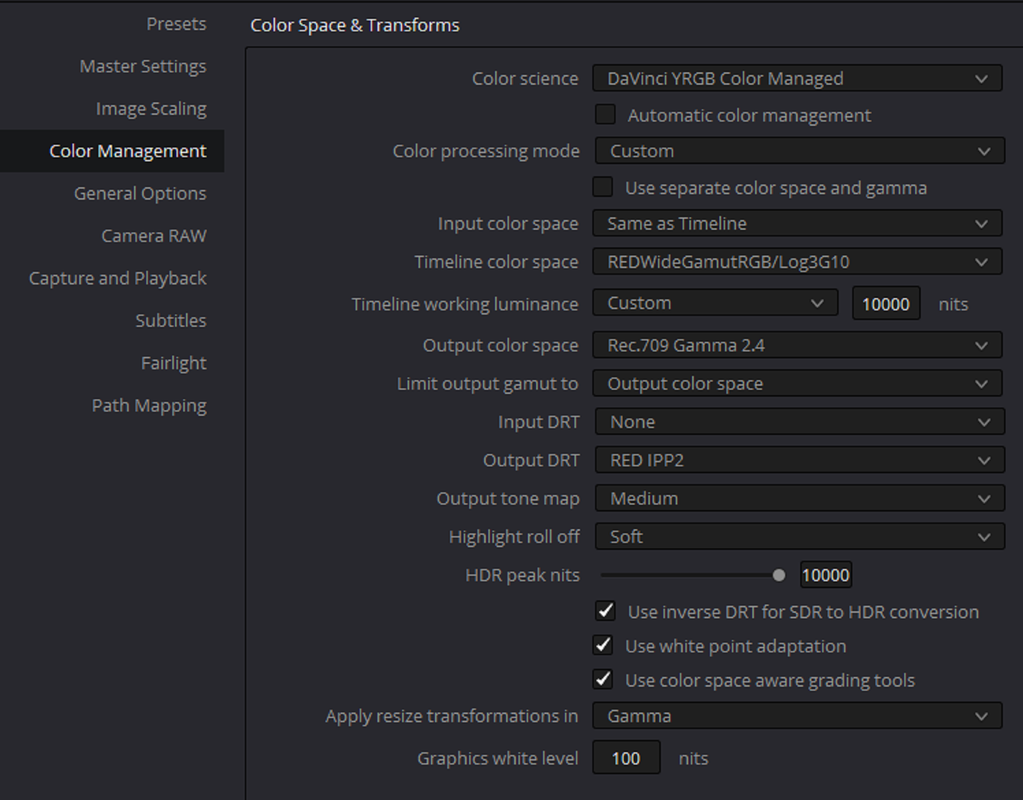
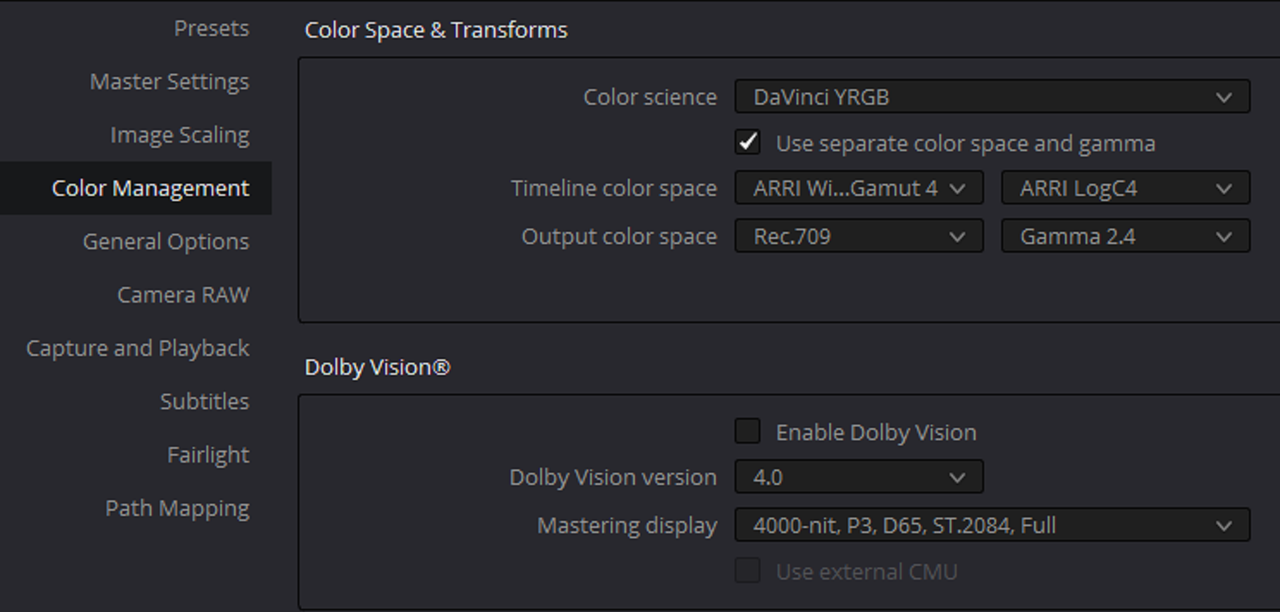
In the example below, I used a RED .R3D video file in a "DAVINCI YRGB" Node Based Workflow. In the first Workflow the "TIMELINE COLOR SPACE" was "REDWideGamut RGB/LOG3G10". In the Second Workflow the "TIMELINE COLOR SPACE" was "AWG4/ALC4" .

I used the exact same Grade for both


In the "REDWideGamutRGB/LOG3G10" "DAVINCI YRGB" Node Based Workflow", I used a Medium/ Soft RED IPP2 Output Transform Lut.

1.png


1b.png


1a.png


2.jpg


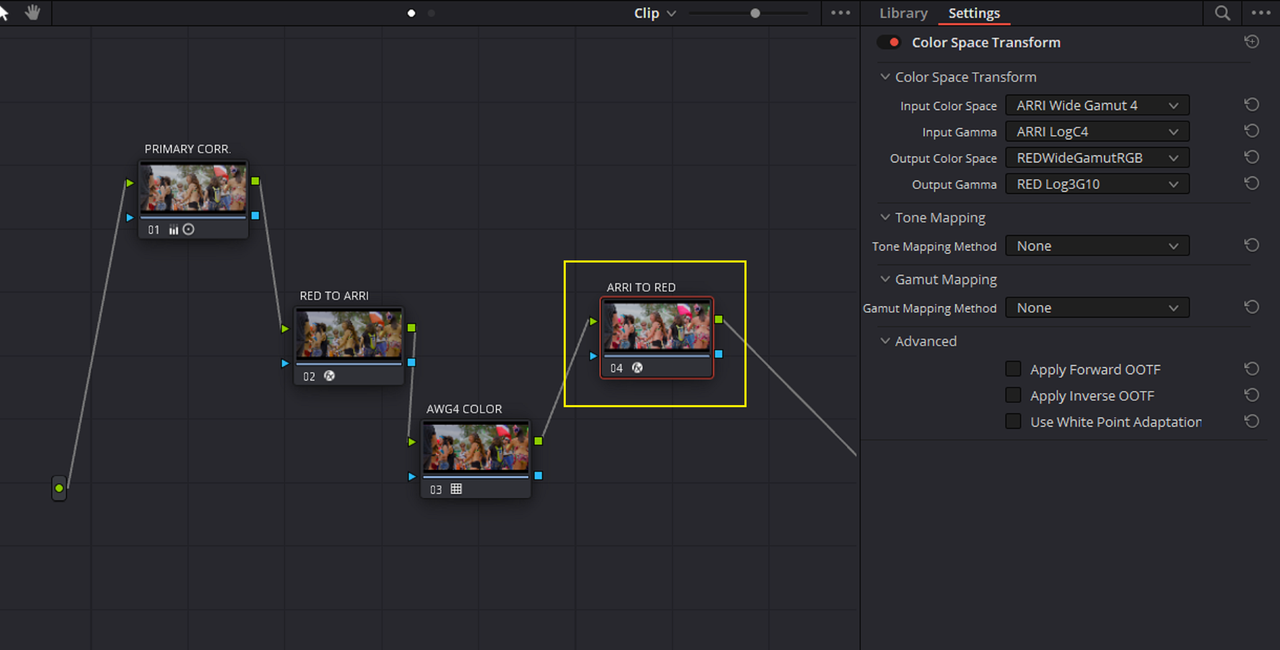
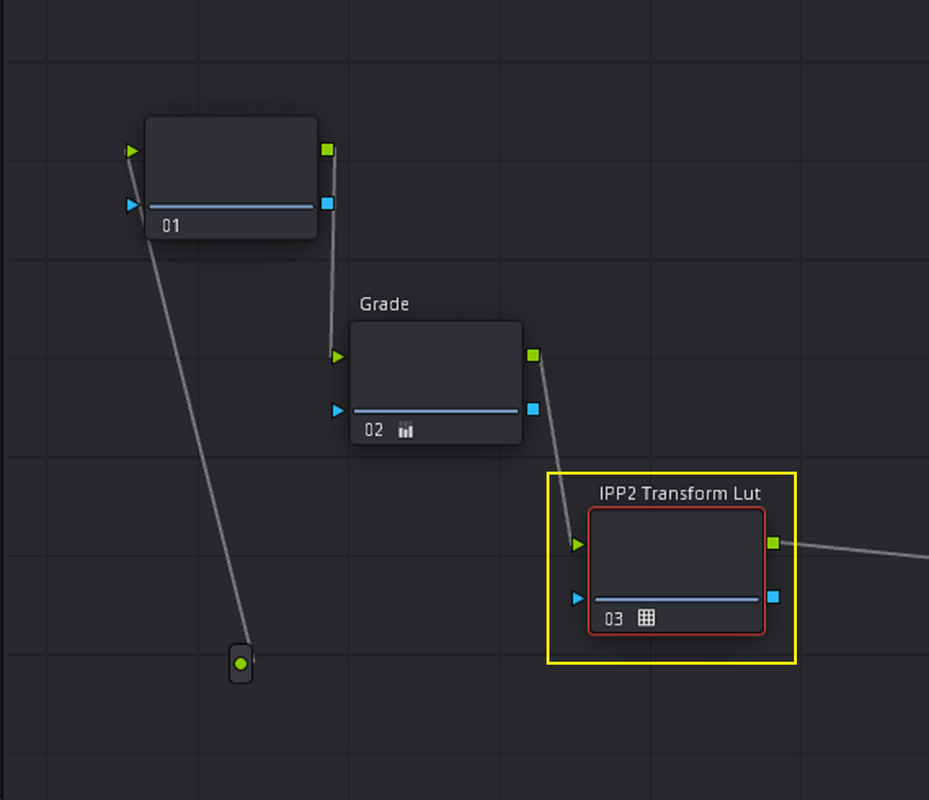
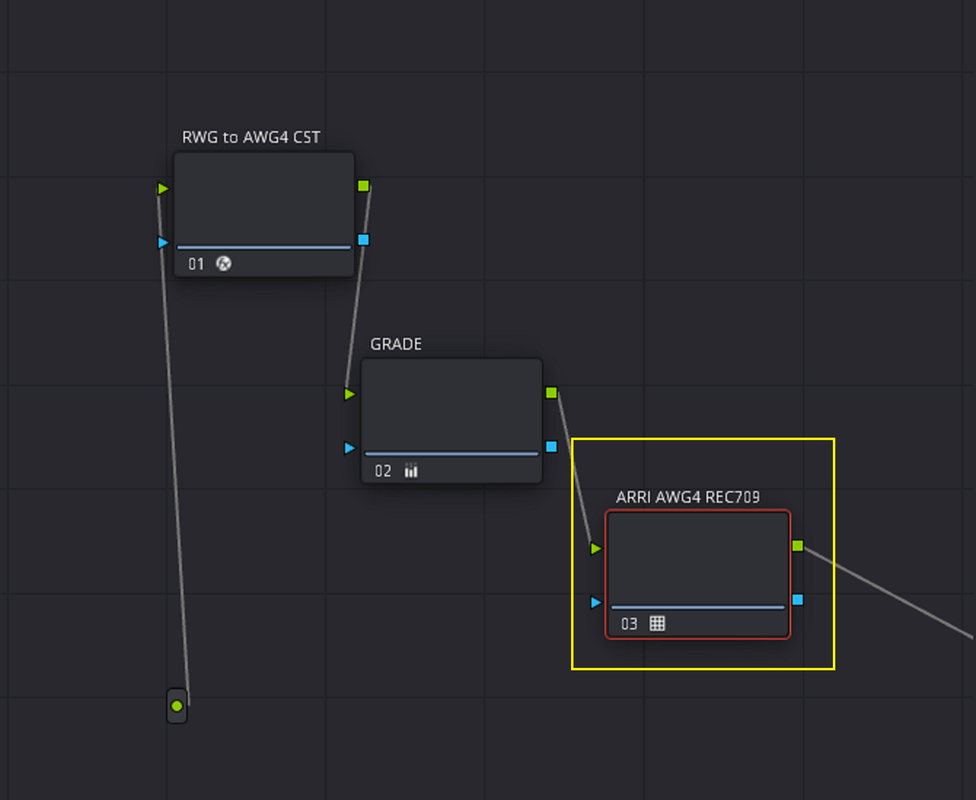
In the "AWG4/ALC4" "DAVINCI YRGB" Node Based Workflow", I used a COLOR SPACE TRANSFORM to go from "REDWideGamutRGB/LOG3G10" to "AWG4/ALC4" and I applied an ARRI AWG4/ALC4 to REC709 GAMMA 2.4 Lut at the end of the NODE TREE.


3.png


4.png


6.png


5.png


7-red-to-awg4-awg4-lut-1-1-2.jpg


RED .R3D file with RED IPP2 Output Transform Lut Medium/Soft

2.jpg


RED .R3D file with RWG/LOG3G10 to AWG4/ALC4 Color Space Transform with ARRI AWG4/ALC4 to REC709 Gamma 2.4 Lut


7-red-to-awg4-awg4-lut-1-1-2.jpg
 
AWG4/ALC4 to REDWideGamutRGB/LOG3G10

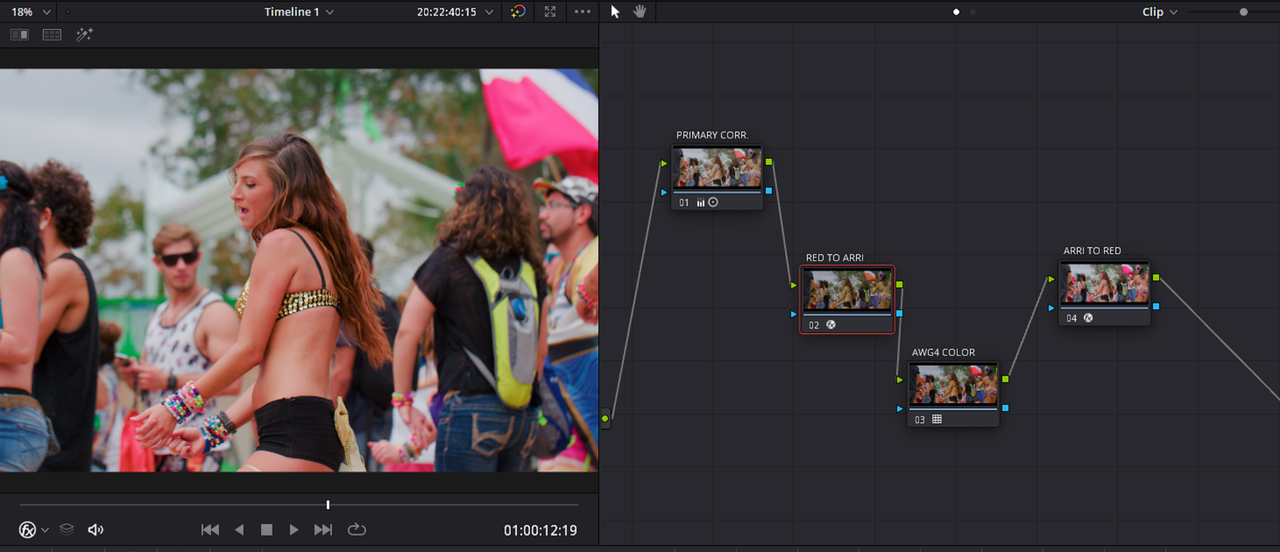
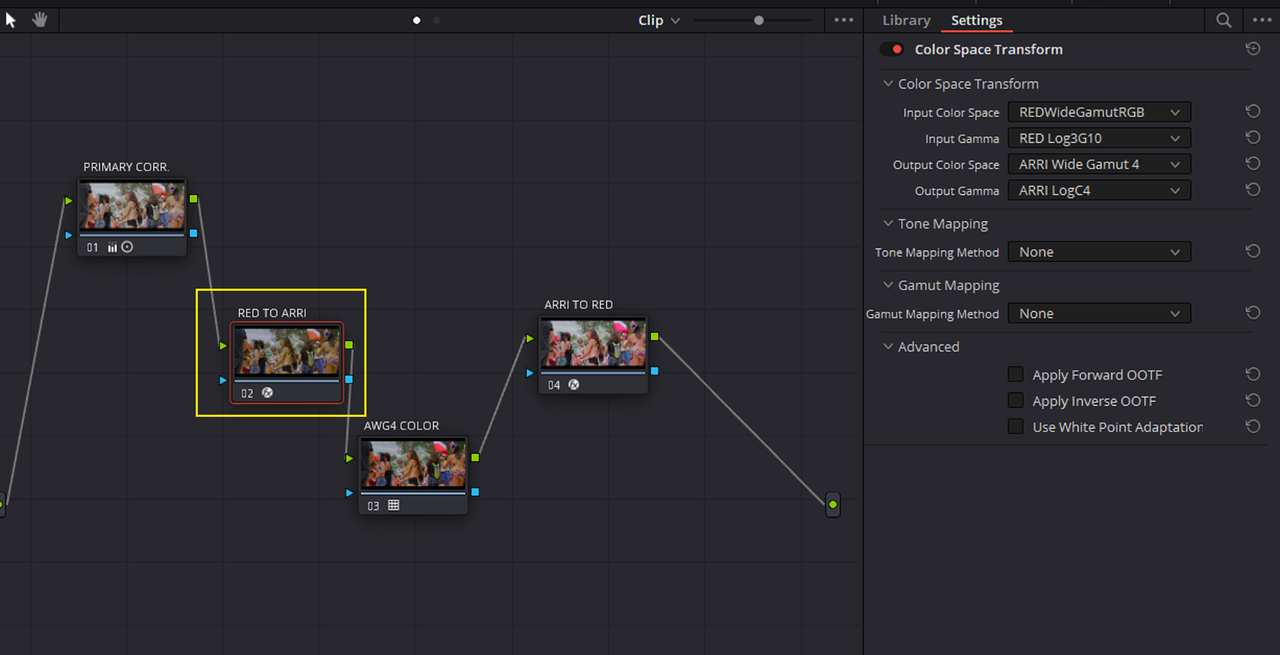
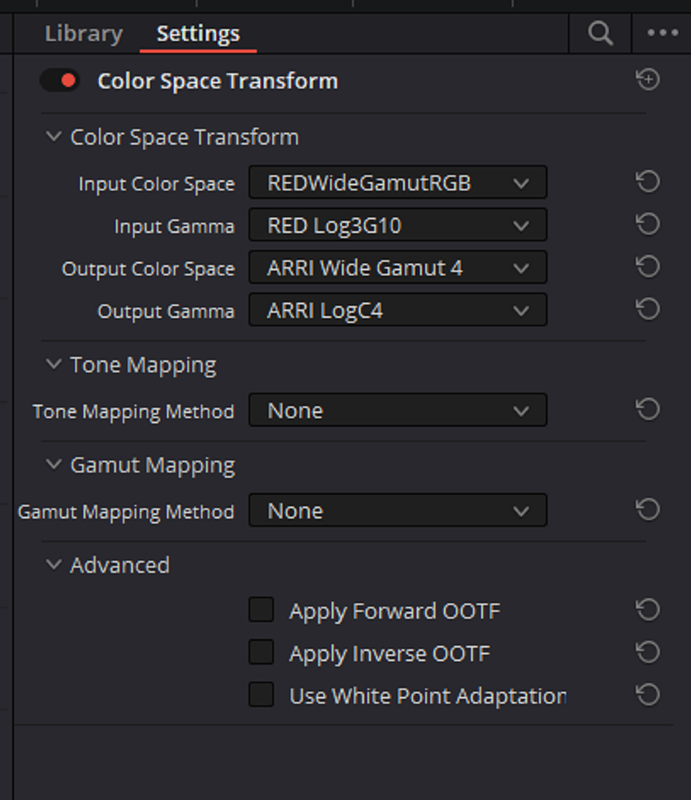
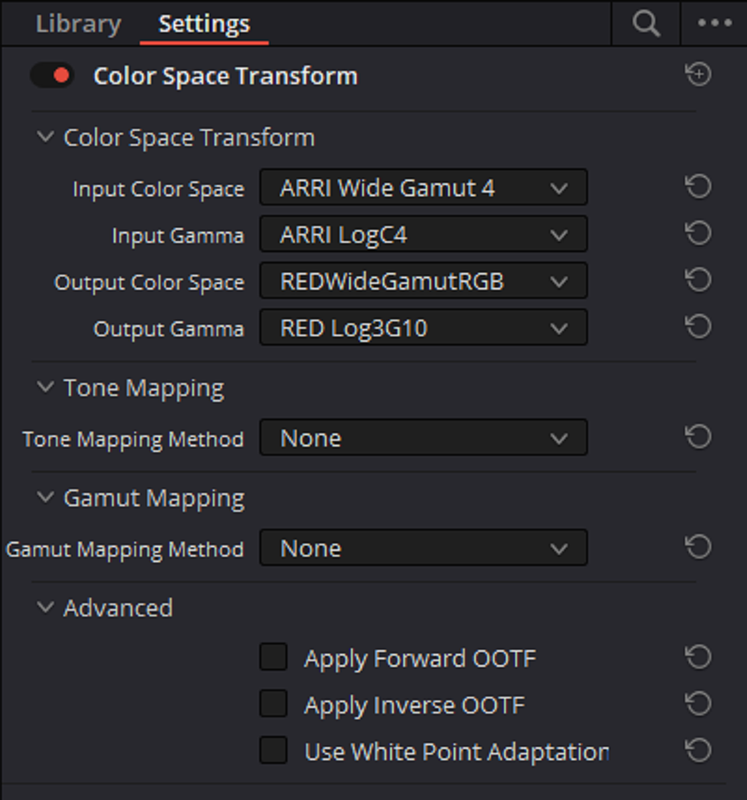
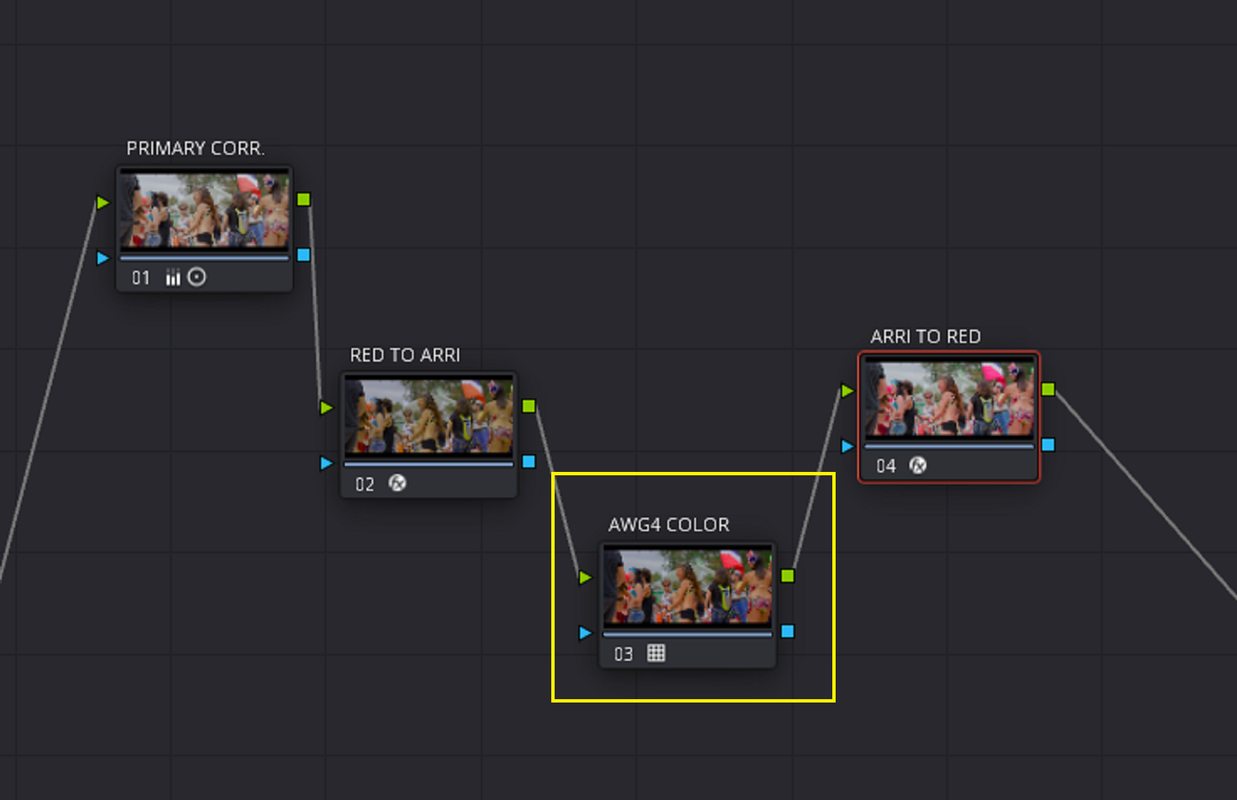
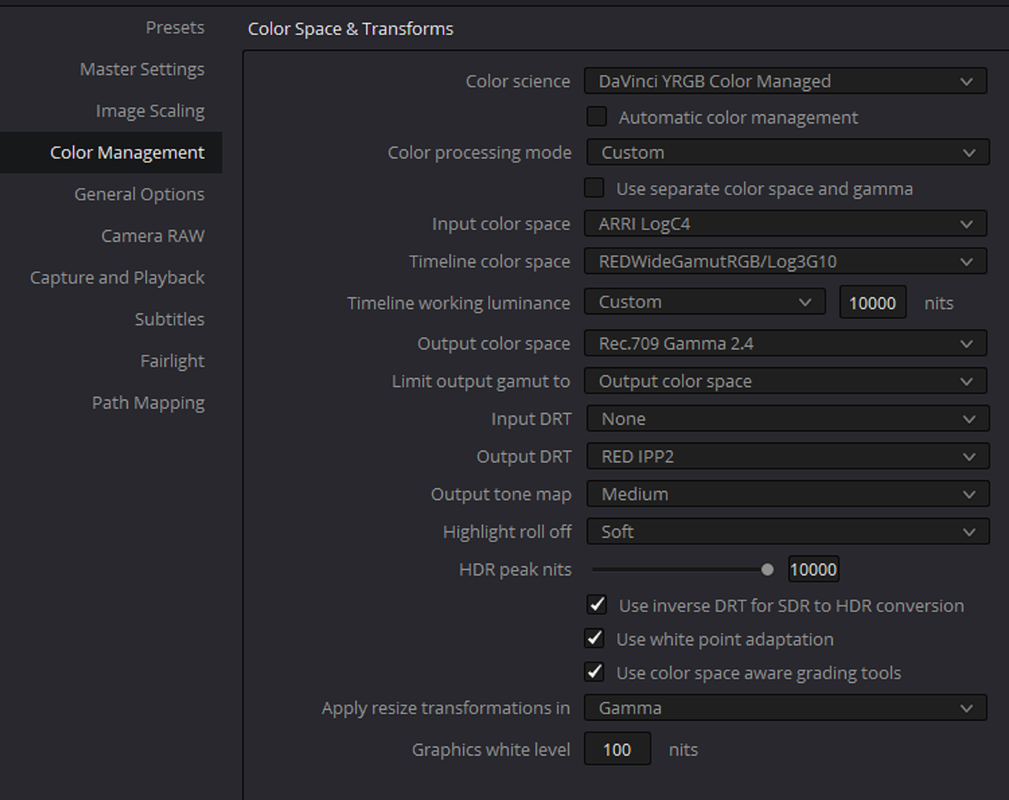
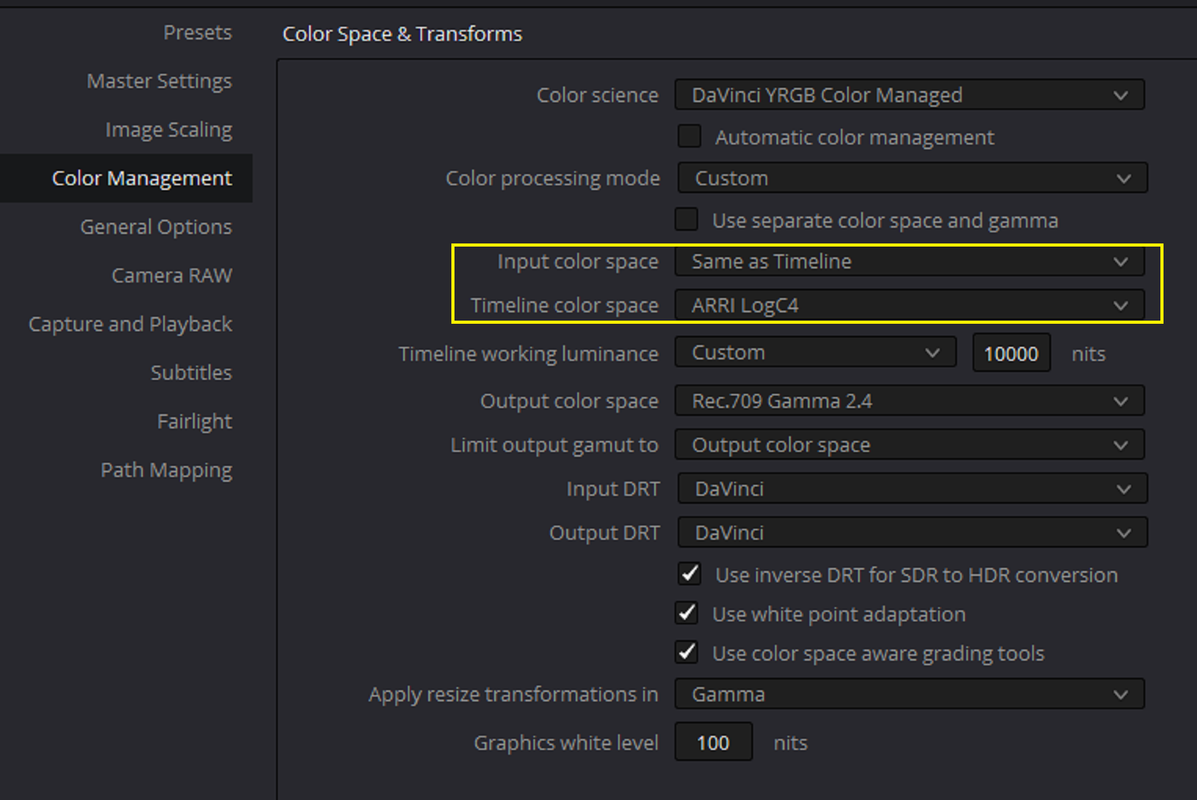
If I could go from the REDWideGamutRGB/LOG3G10 Color Space to the AWG4/ALC4 Color Space above, I can go from the AWG4/ALC4 Color Space to the REDWideGamutRGB Color Space also. Just a Quick Davinci Color Managed Workflow with an "INPUT COLOR SPACE" of "AWG4/ALC4" and a "TIMELINE COLOR SPACE" of "REDWideGamutRGB/LOG3G10".


Screenshot-6157.png


The grades included Contrast , a 55.00 Saturation and a slight Hue Shift

1-1-1-1-1-1.jpg


1-2-2-1-2-2.jpg
 
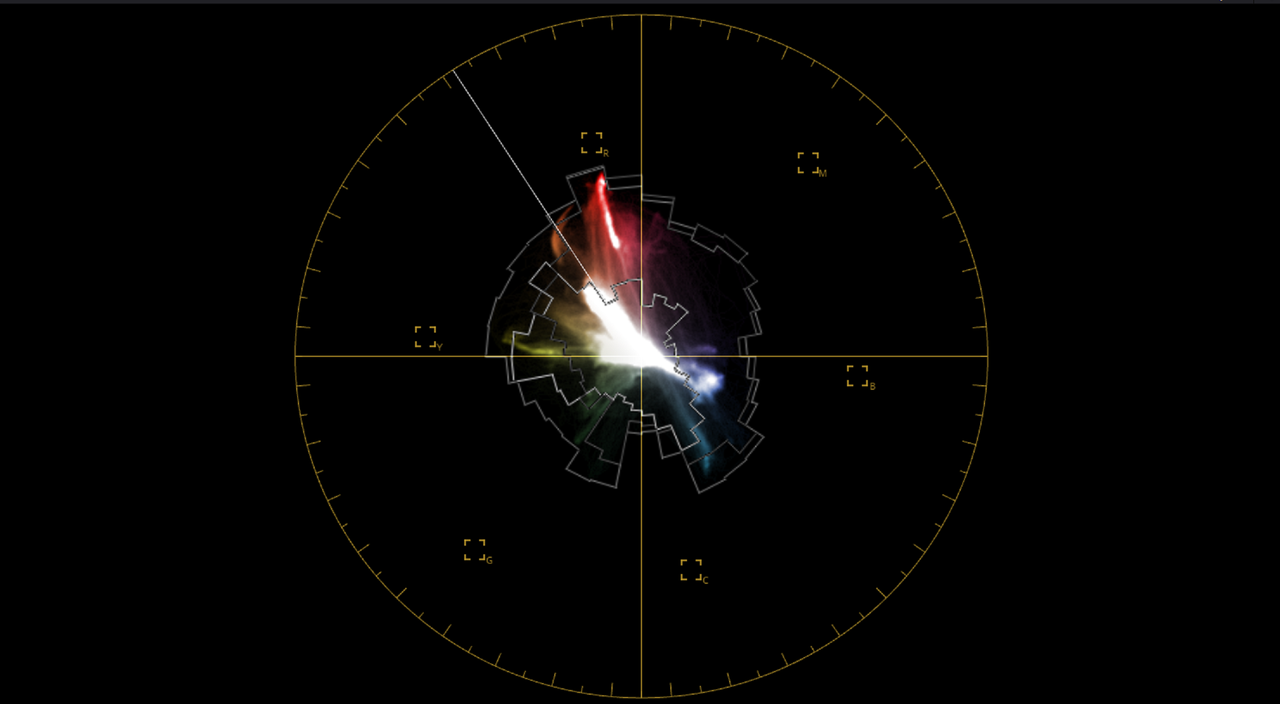
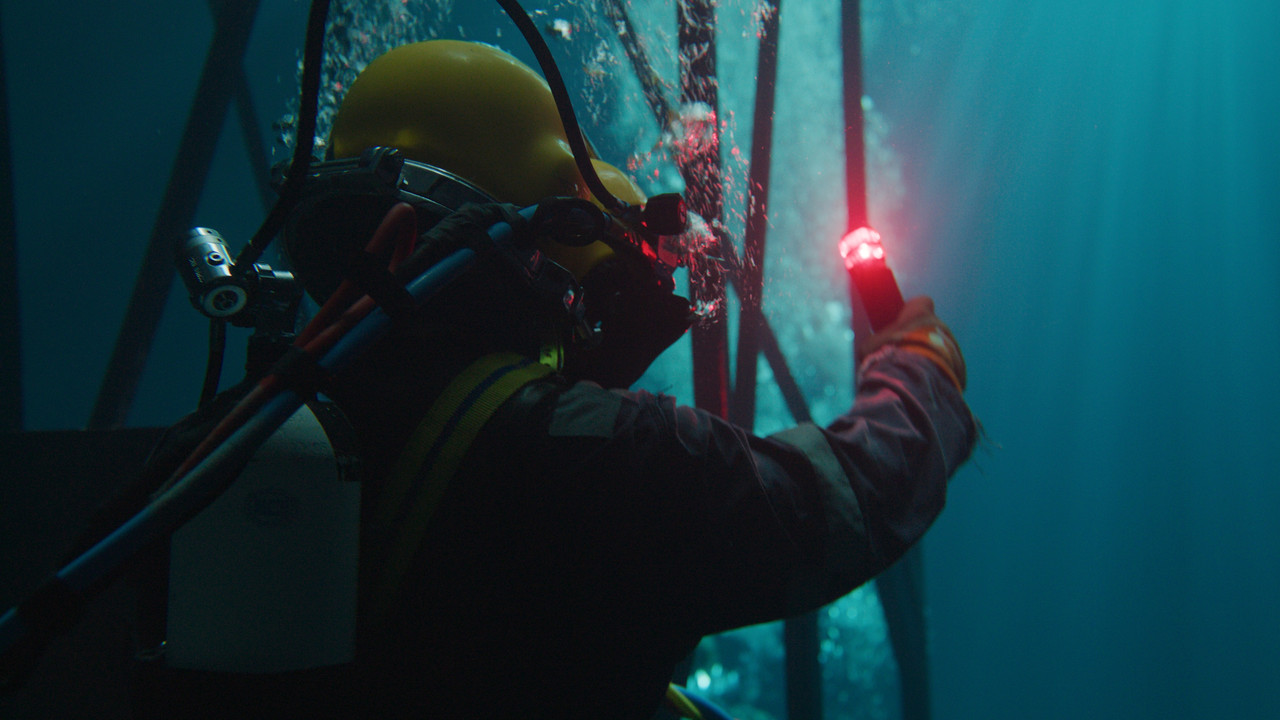
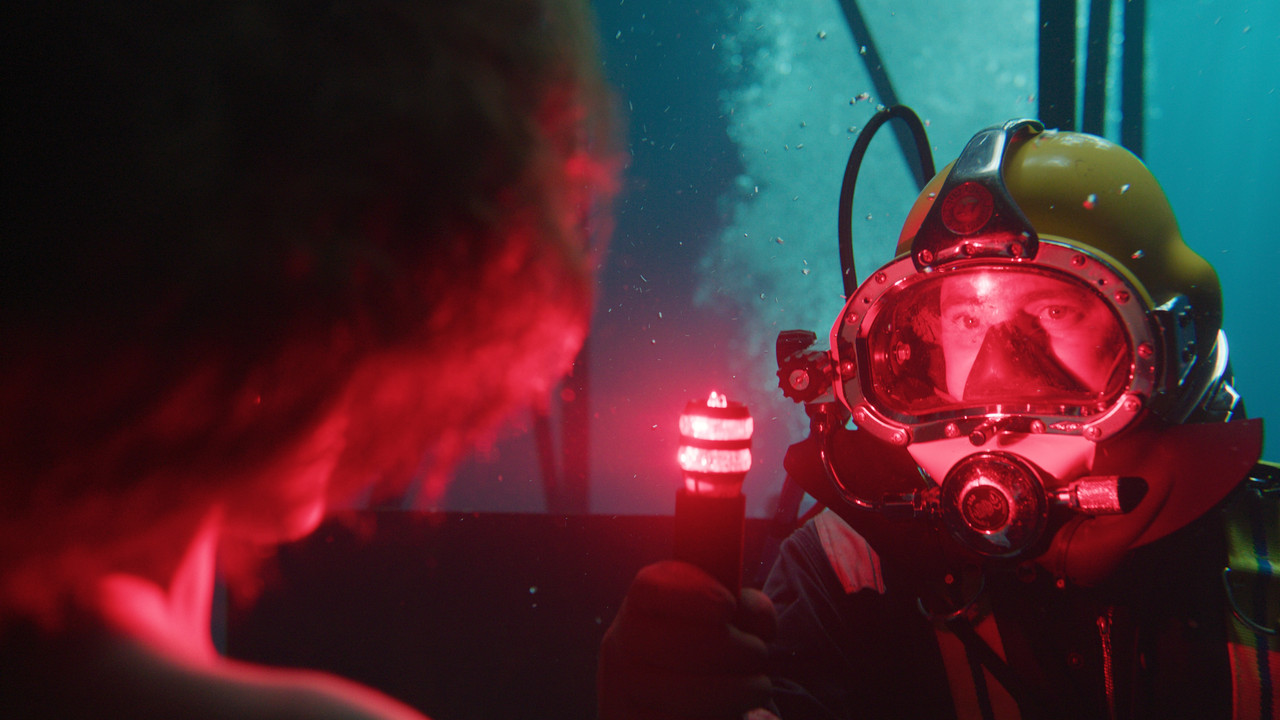
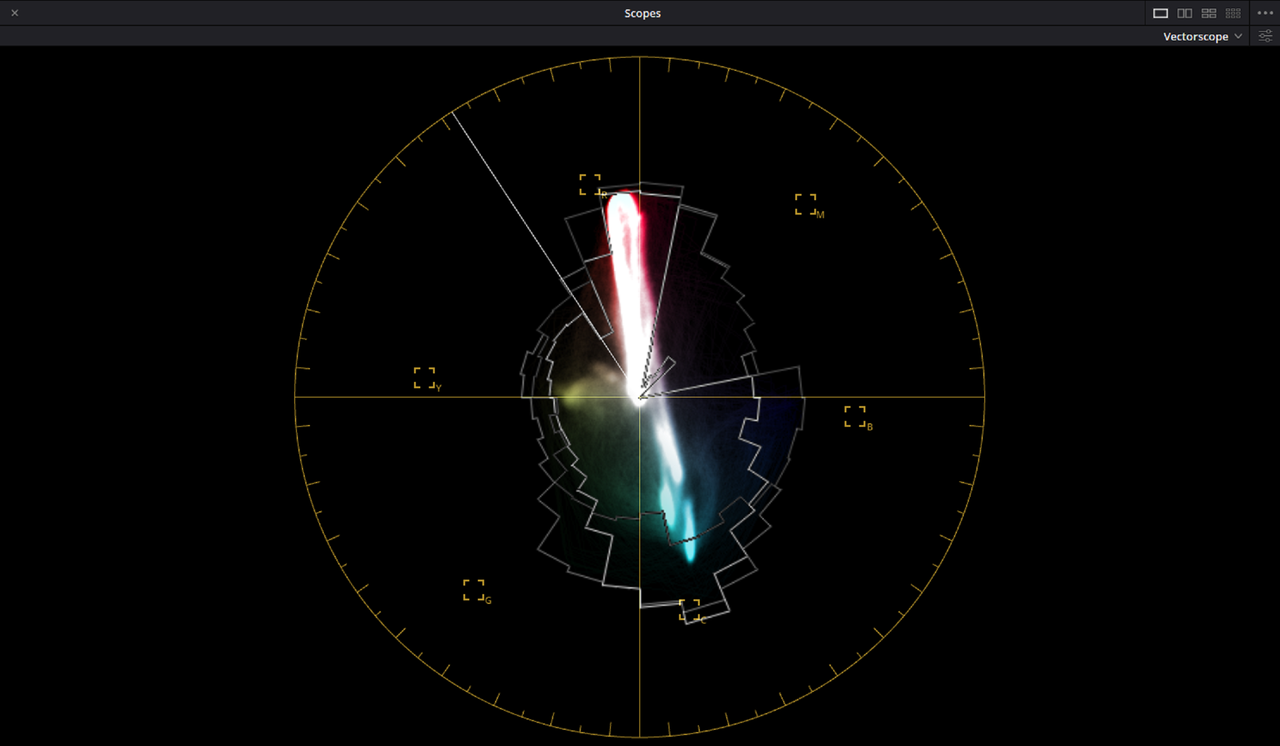
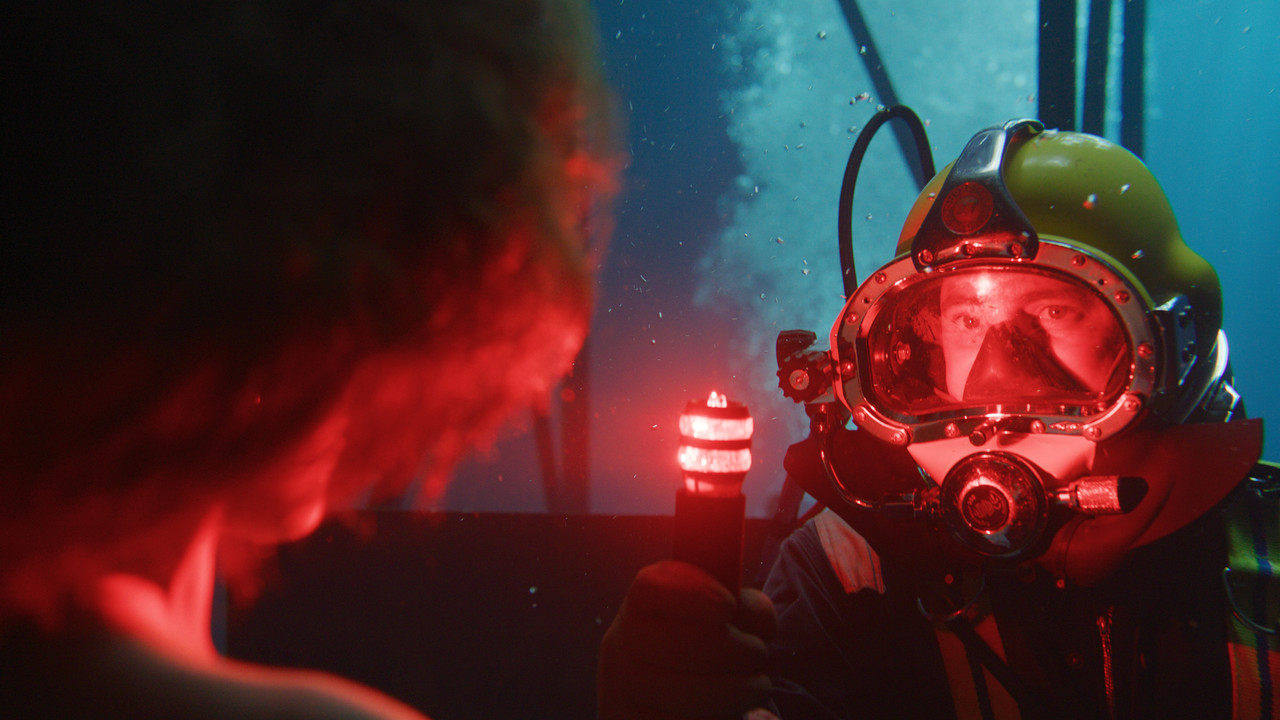
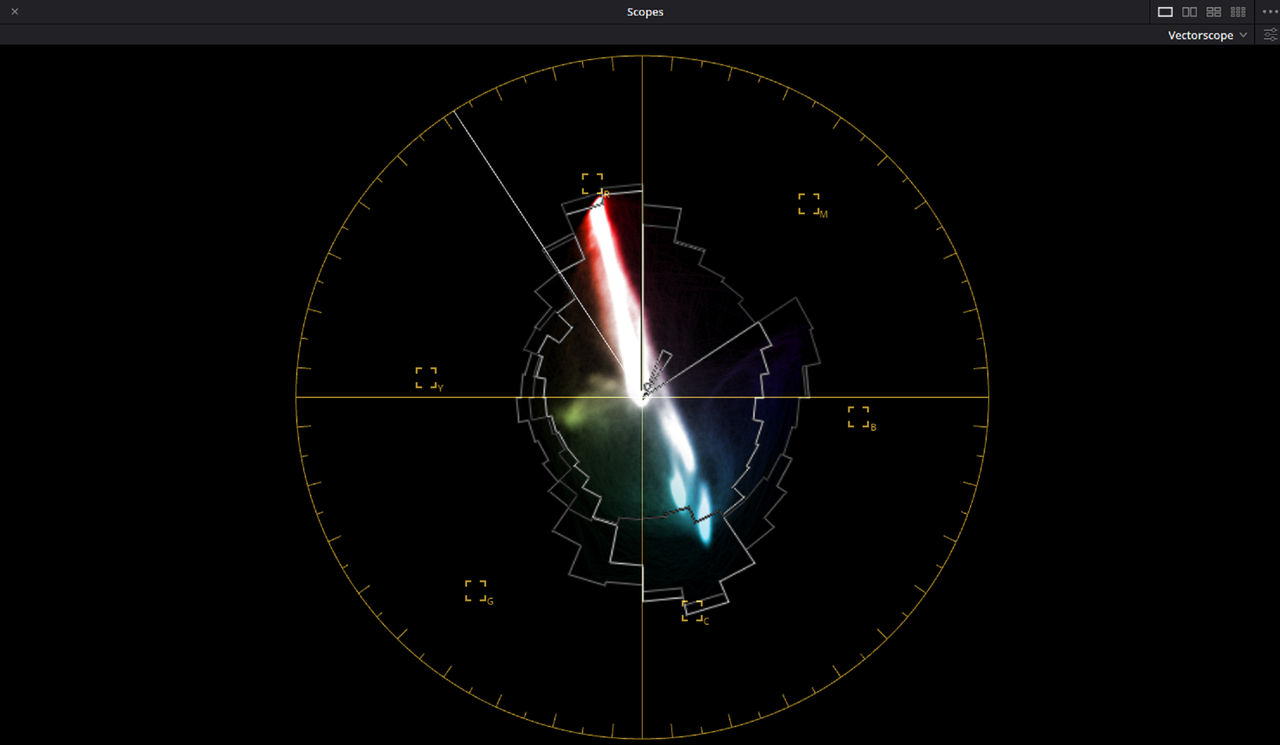
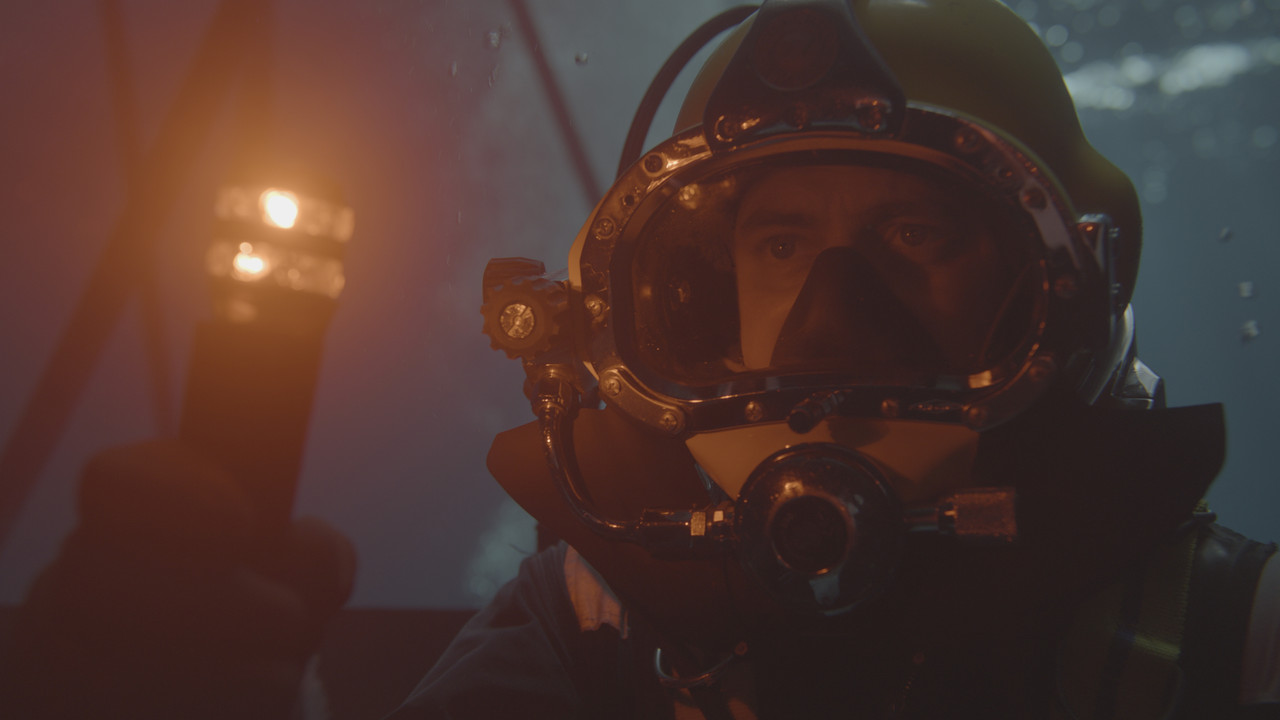
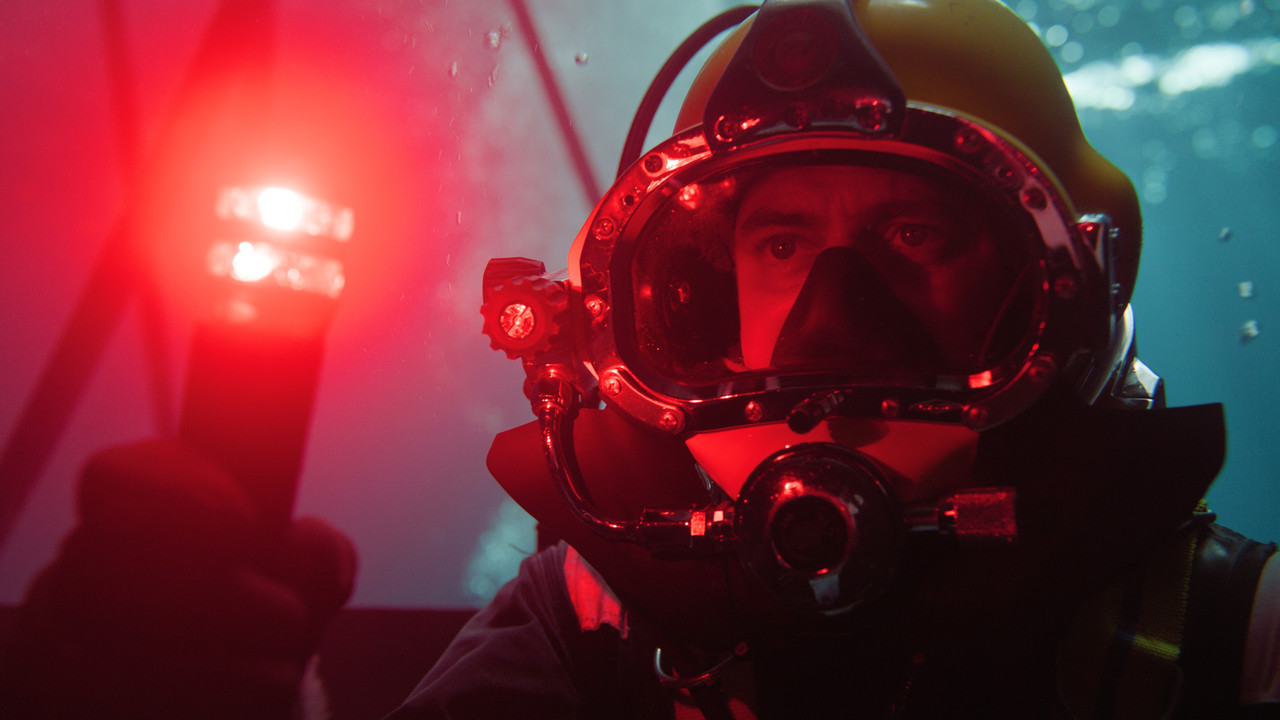
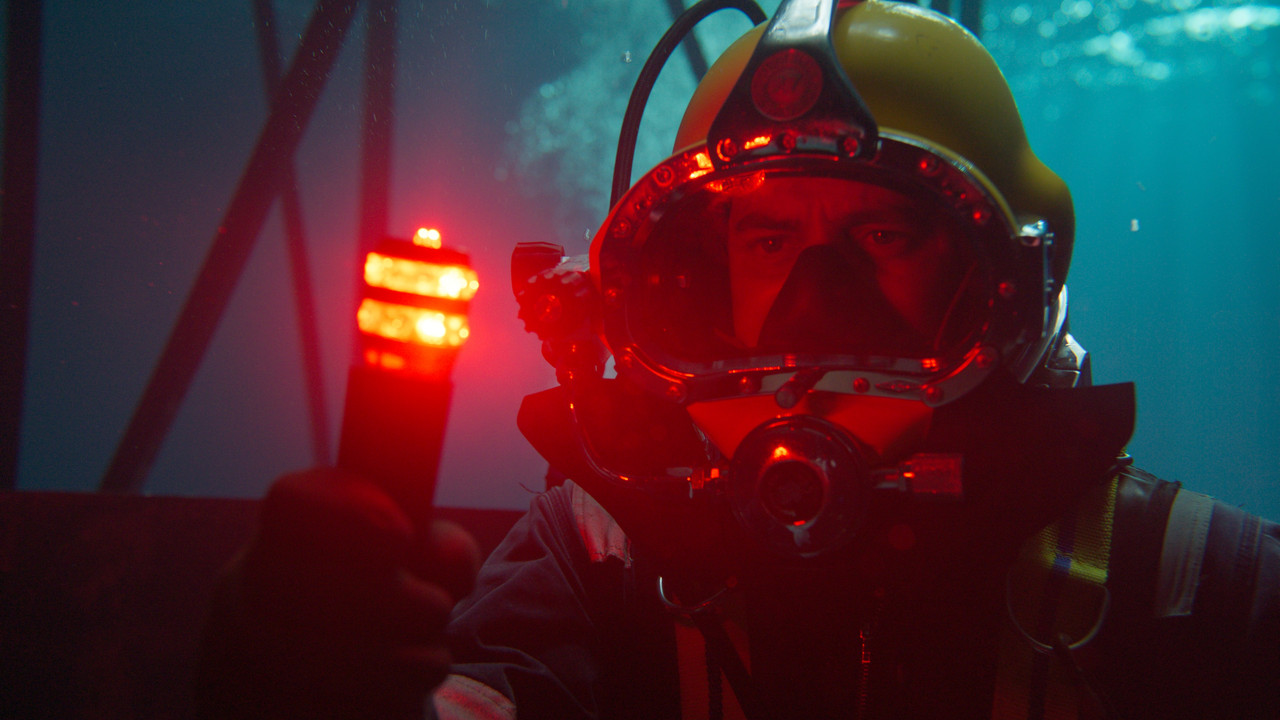
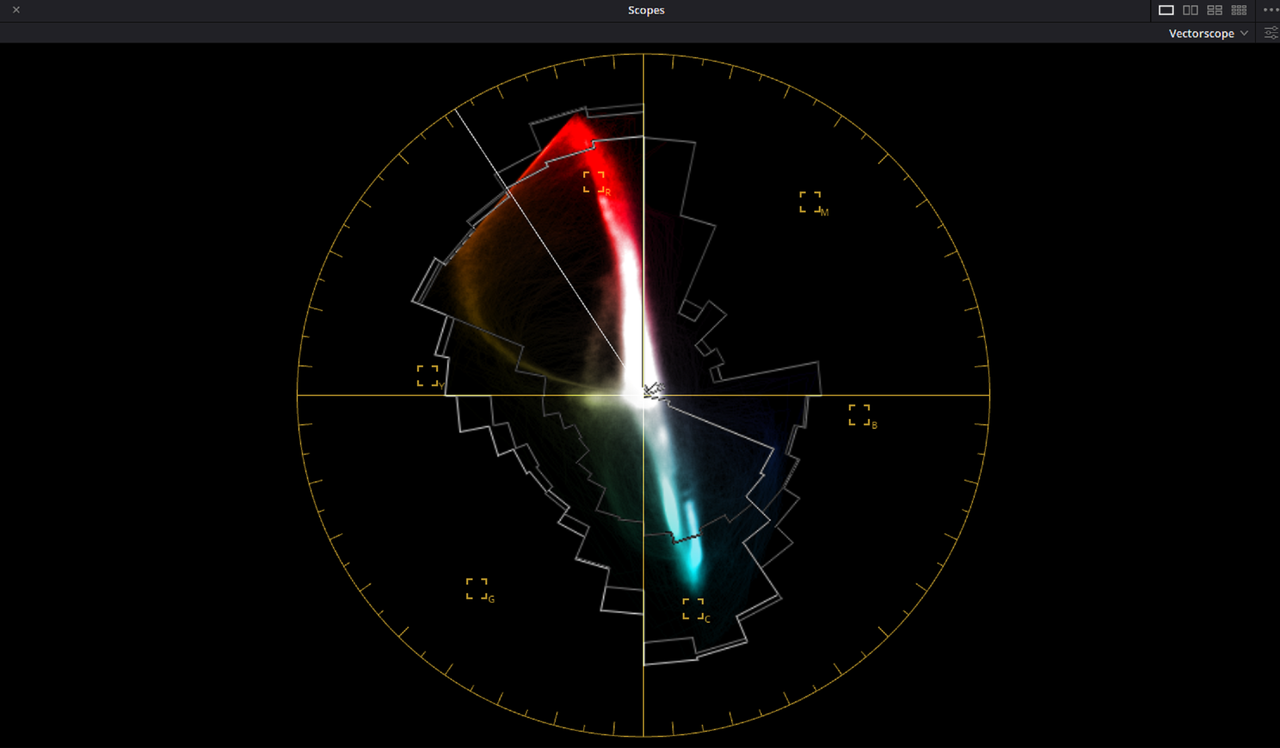
One Scene I wanted to look at with this ARRIRAW AWG4/ALC4 video Clip in a RED RWG/LOG3G10 Color Space was the Underwater scene with the guy with the Red blinking light. I think that the RWG/LOG3G10 Color Space handles "OUT-OF-GAMUT" Colors better than probably any other Color Space. So how would the "RED" from that light be handled in RWG/LOG3G10. The "REDS" seemed to be pushed ,again, more towards Magenta than staying RED.
Anyone whom has ever tried to bring "REDS" back from being "OUT-OF-GAMUT" will know that they start to go "MAGENTA" in Color. If you reduce the "CYAN", even if you don't need to, that will bring the REDS back from MAGENTA to RED. In the Image below, I bring the REDS back from Going MAGENTA back to RED.


Screenshot-6157.png


1-3-1-1-3-122.jpg


How It came into the RWG/LOG3G10 Workflow Originally


1-3-2-1-3-2.jpg


Screenshot-6158.png


Image corrected back towards RED


1-3-1-1-3-1.jpg


Screenshot-6159.png
 
This is what that looks like when taking into account everything that should be.

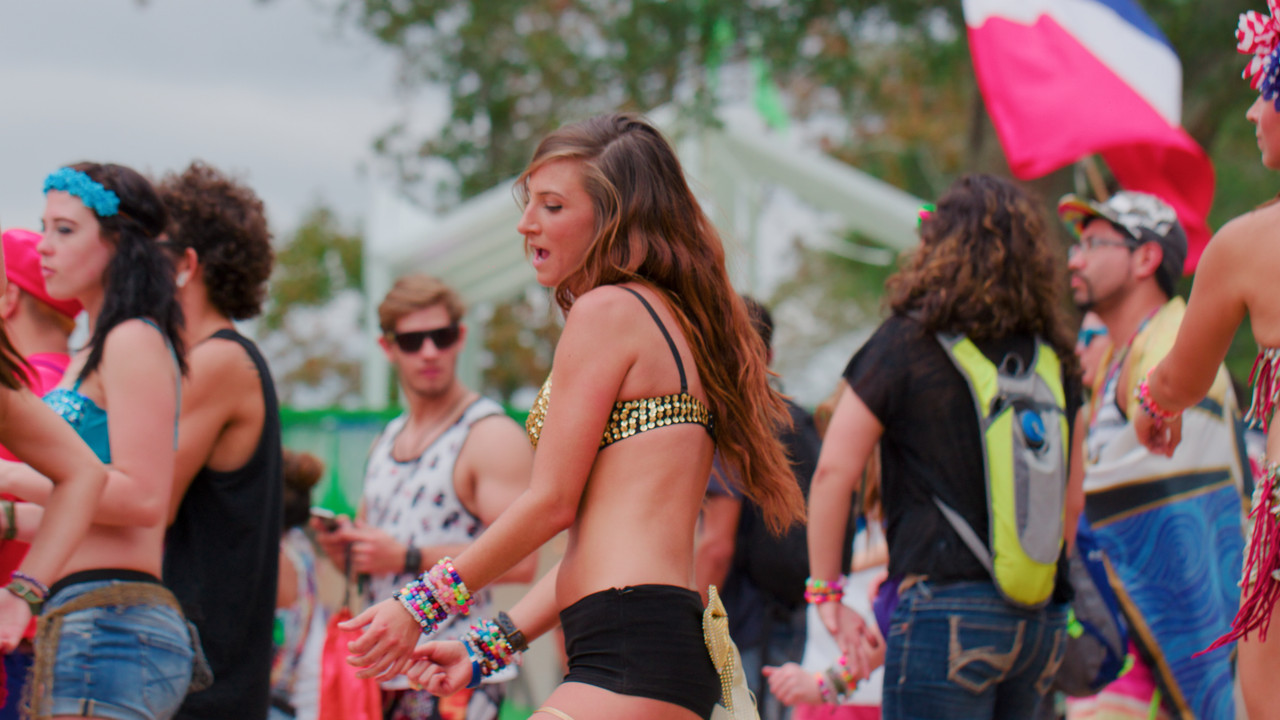
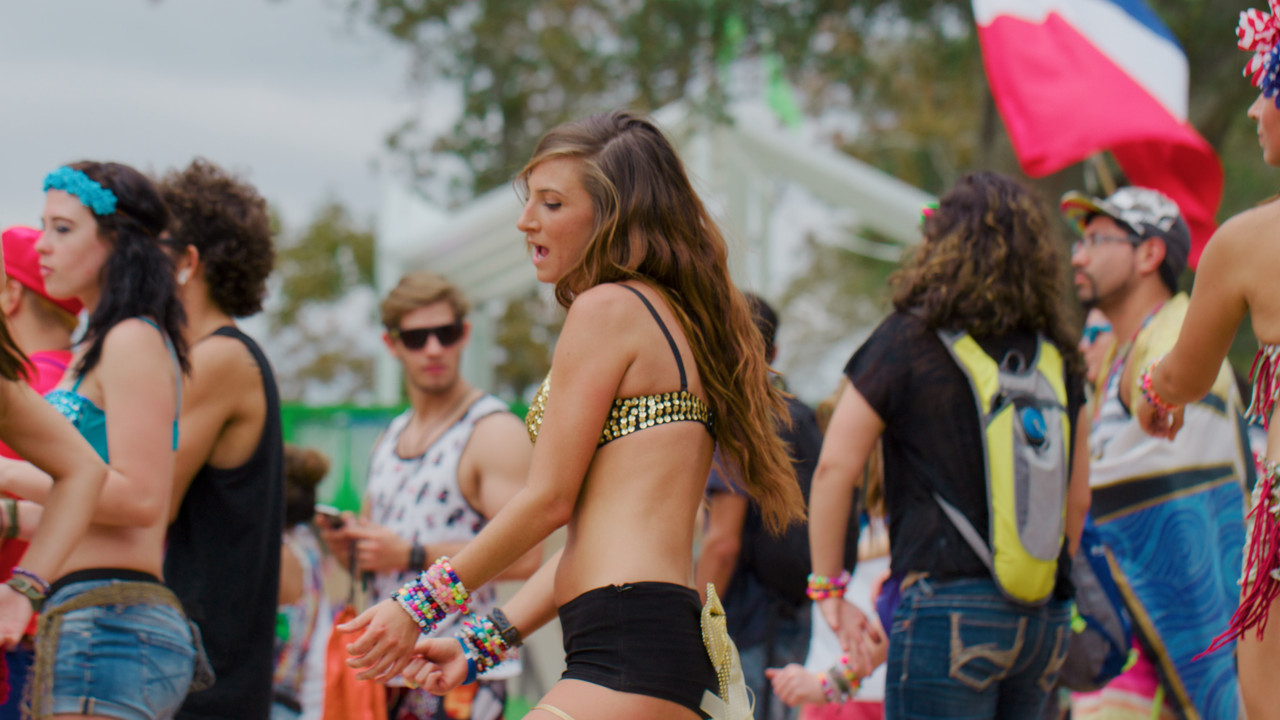
phfx_AWG4LogC4_REVEALandIPP2.jpg


That is both company's Color Science applied to the same image. AWG4/LogC4 through ARRI's Reveal. Transformed AWG4/LogC4 into RWGRGB/Log3G10. Both utilizing the RED BT.1886 Curve in this example. ARRI's R.709 curve is a fairly different approach.
 
Last edited:
This is what that looks like when taking into account everything that should be.

phfx_AWG4LogC4_REVEALandIPP2.jpg


That is both company's Color Science applied to the same image. AWG4/LogC4 through ARRI's Reveal. Transformed AWG4/LogC4 into RWGRGB/Log3G10. Both utilizing the RED BT.1886 Curve in this example. ARRI's R.709 curve is a fairly different approach.

Phil,

So You are saying that this light is more Orange-Red than Red? In the ARRIRAW LOG Image this light is pure Orange. With The ARRI AWG4/ALC4 to REC709 Gamma 2.4 Lut applied in an actual AWG4/ALC4 workflow, it is made RED.

ARRIRAW LOG IMAGE

1-3-4-1-3-4.jpg


ARRIRAW with ARRI AWG4/ALC4 to REC709 Transform LUT

1-3-5-1-3-5.jpg
 
If you use this workflow, you get something more Orange than RED

Screenshot-6164.png


1-3-5-1-3-5.jpg


Screenshot-6163.png
 
That is both company's Color Science applied to the same image. AWG4/LogC4 through ARRI's Reveal. Transformed AWG4/LogC4 into RWGRGB/Log3G10. Both utilizing the RED BT.1886 Curve in this example. ARRI's R.709 curve is a fairly different approach.


Oh, Okay then I get were you're coming from now!
 
So You are saying that this light is more Orange-Red than Red?

Not saying anything pertaining to the actual color of the light, I'm illustrating where considering all things how RED or ARRI will reproduce this exact data in their given color spaces and color science using the same exact tone curve. This allows you to see a few critical things that happening in both highlights and shadows.

I think the notable thing is what I'm showing here isn't just a CST either, I have actually fully recreated ARRI's Reveal Color Science and broken it apart to be able to evoke those features or not just in case I ever need to actually apply it to anything else moving forward or reverse it if need be. The reversal being something that shouldn't be done as going backwards would be pretty hard given what they are doing. Perhaps illustrating the shear value of always working in a camera's ideal color space and log curve, even making a much larger reason for that matter to even shoot with cameras that are actually RAW as well if you take that thinking process further.

I don't exactly ever shoot anything directly into R.709 or any other delivery color space, but if you do, you better mean it at this point. We've known this for years btw, but I still see people trying to go backwards, likely to bandage a situation, but not always.

I'll spin on a tangent for a second related to this.

For those reading this thread. General advice is:

Shoot in RAW if you can. Actual RAW isn't baking in anything to a degree. Not even the Color Space or potentially the LOG curve even depending on factors. A lot of RAW is actually encoded in a log space of some sort as mathematically as well as visually and workability-wise there's no current advantage to encode purely linearly, though you may have been told otherwise. Linear gamma is very important though as that is what is coming off the sensor and a known quantity.

The playbook on what actual RAW is messy as of 2022. We have a bit of everything. Manufacturers have generally agreed to bake in some sort of random noise into the image. You can do that afterwards and even do subtractive methods in post. RAW image data seems to be also well received for some sort of log encoding as it's efficient and thus far on any camera pure linear won't net you anything.

I have seen some presentations regarding posterization via log or linear encoding of camera data, upon very literally taking to a podium and looking at those files myself that was indeed hogwash as I properly illustrated the correct color workflow rather than pushing an agenda.

Actual RAW you still have access to the Bayer Pattern, many RAW formats with "RAW" in the name no longer do that. That both puts people in a box and in the worse case is actually chroma subsampled losing subtle color information.

Noise Reduction on the image data is a fascinating discussion now. Spatial and Temporal techniques are destructive and at their worst costing you color and texture/detail information. But the gains there are a cleaner image.

These points are mainly for people who care about such things. I'd say at this point that's about 15% max of the total market. Mainly big studios or those pushing things.
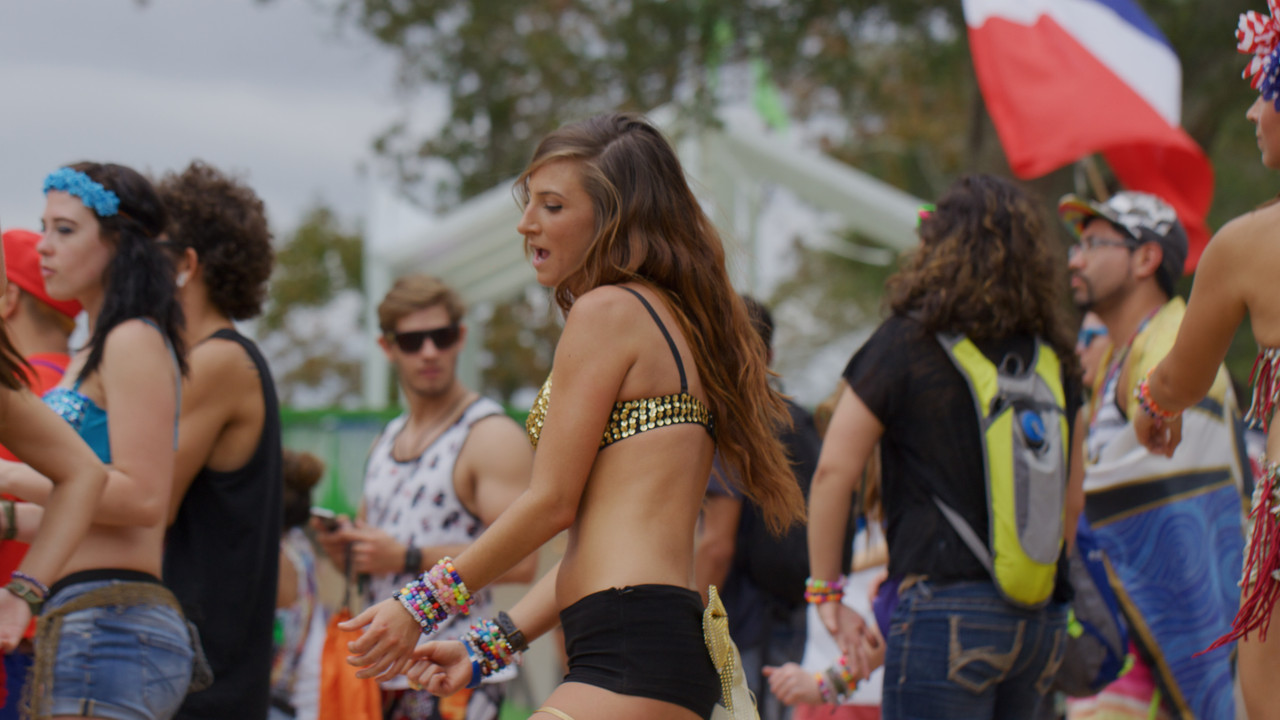
With RED being actual RAW, though compressed, where we are with data rates right now I can see some other creative codec implementation possibly and I do wonder if it's being considered. Likely a this decade thing for whoever does it. Might be a wash though as REDCODE RAW HQ right now is damn near uncompressed in practice though with the data rate savings of compressed data.
 
Not saying anything pertaining to the actual color of the light, I'm illustrating where considering all things how RED or ARRI will reproduce this exact data in their given color spaces and color science using the same exact tone curve. This allows you to see a few critical things that happening in both highlights and shadows.
I think the notable thing is what I'm showing here isn't just a CST either, I have actually fully recreated ARRI's Reveal Color Science and broken it apart to be able to evoke those features or not just in case I ever need to actually apply it to anything else moving forward or reverse it if need be. The reversal being something that shouldn't be done as going backwards would be pretty hard given what they are doing. Perhaps illustrating the shear value of always working in a camera's ideal color space and log curve, even making a much larger reason for that matter to even shoot with cameras that are actually RAW as well if you take that thinking process further.

I don't exactly ever shoot anything directly into R.709 or any other delivery color space, but if you do, you better mean it at this point. We've known this for years btw, but I still see people trying to go backwards, likely to bandage a situation, but not always.

I'll spin on a tangent for a second related to this.

For those reading this thread. General advice is:

Shoot in RAW if you can. Actual RAW isn't baking in anything to a degree. Not even the Color Space or potentially the LOG curve even depending on factors. A lot of RAW is actually encoded in a log space of some sort as mathematically as well as visually and workability-wise there's no current advantage to encode purely linearly, though you may have been told otherwise. Linear gamma is very important though as that is what is coming off the sensor and a known quantity.

The playbook on what actual RAW is messy as of 2022. We have a bit of everything. Manufacturers have generally agreed to bake in some sort of random noise into the image. You can do that afterwards and even do subtractive methods in post. RAW image data seems to be also well received for some sort of log encoding as it's efficient and thus far on any camera pure linear won't net you anything.

I have seen some presentations regarding posterization via log or linear encoding of camera data, upon very literally taking to a podium and looking at those files myself that was indeed hogwash as I properly illustrated the correct color workflow rather than pushing an agenda.

Actual RAW you still have access to the Bayer Pattern, many RAW formats with "RAW" in the name no longer do that. That both puts people in a box and in the worse case is actually chroma subsampled losing subtle color information.

Noise Reduction on the image data is a fascinating discussion now. Spatial and Temporal techniques are destructive and at their worst costing you color and texture/detail information. But the gains there are a cleaner image.

These points are mainly for people who care about such things. I'd say at this point that's about 15% max of the total market. Mainly big studios or those pushing things.

With RED being actual RAW, though compressed, where we are with data rates right now I can see some other creative codec implementation possibly and I do wonder if it's being considered. Likely a this decade thing for whoever does it. Might be a wash though as REDCODE RAW HQ right now is damn near uncompressed in practice though with the data rate savings of compressed data.

Thanks Phil for your always detailed Write-Up!! I'm just basically trying to blow shit up to see what happens. The only way that I have ever found to know how best to manipulate an image, is to push it til it breaks then examine when it broke and why it broke. Then I try to figure how to push it further with better methodology so that it doesn't break as soon and for the same reasons as it did last time.

I also think that Raw or Raw-ish, is the better way to go in this day and age, because you can only push a compressed image file only so far.
 
I also think that Raw or Raw-ish

Color-wise you want 12-bit and up in terms of color depth for a professional camera in a log space. Not crapping on 10-bit systems, but those are different critters. Resulting sum of parts in 16-bit color is ideal. That's also where the big boys play. We don't talk much about bit depth anymore because all of the professional systems figured that aspect out by now. The RAW Bayer Data is fantastic, many are encoding some sort of partial or fairly worked thing now. That's the for some it matters, for most probably not a big deal. But for the some, it could be a very, very big deal.

If the data can remain RAW Debayer that is usually very good because lots can be done after the fact as well as just efficiency when it comes to some aspects of the hardware side of things. Anything else is shutting doors, which may not be a negative for many people, but it is something anybody should be aware of.

I think how we got to "now" is manufacturers identified RAW as a non-destructive, metadata driven workflow. Leaning harder into the metadata driven aspect of it while shutting some of the doors. Again, not a bad thing, but certainly changing the landscape of what RAW means along the way. I'll reiterate, this may or may not be of importance to an individual. Based on my nomadic journey across lands most DPs aren't discussing this. Most colorists aren't discussing this. The people I end up having discussions about this all all fairly high end where these topics are important. Even if it's just to actually know what's going on under the hood.

Image Data Compression has extreme value, particularly on the higher data rate sides of things. Every manufacturer on earth sees the value in the concept of even just 2:1 as that is not only visually lossless, but fairly indistinguishable from uncompressed data. I don't have a way to encode REDCODE RAW, but I do have the ability to other RAW image data and the sweet spot of various compression ratios and methods compared to source is a big deal. I'd say up to about 15:1 when you explore the reasonable methods out there. I think anybody here understand that at this point.

I'll be curious to see what goes down as sensor technology becomes even more interesting and powerful. There's going to be some very real technical hurdles in terms of capture, display, color science, etc. I deal with 32-bit image data frequently and have been for a long, long time now. There's many questions worth asking when you have 20-30+ stops of Dynamic Range. On this side before SDR was a term, we use LDR and HDR. Now even HDR is different in the motion world, but that's just terminology and adoption stuff.
 
Phil,

Yeah, I think in ARRI's Whitepaper on LOGC4, they suggest only 12-Bit for LOGC4 For Archiving and Interchange because they don't think 10-bit LOGC4 was good enough. When I found out that ARRI was moving away from the single file CDNG like Raw file system to a .MXF Wrapper I wondered how that would change how far you could push the images. But according to an ARRI Whitepaper the New REVEAL Color Science and all its parts takes better advantage of the newer .MXF format than the single frame .arx or ari files. The .MXF wrapper also offered Higher bit depth in LOGC4 than the 10-bit of LOGC3.

like you said, I think more camera manufacturers have noticed the greater importance of Raw as opposed to just 10-bit 422 which used to be a thing of importance for camera companies to have in their lower-end cameras. I think you also see it in all the legal battles that Red has had to deal with from other camera companies over in-camera compressed raw codecs and all the derivative Raw-like codecs other companies are trying to develop of their own.

I think when RED's Compressed Raw patents goes out that you will see a whole plethora of RAW and RAW-like formats being introduced and vying to be TOP DOG and trying to be the Standard.
 

I'm not a patent attorney, but I did a fair bit of reading up on it during the absolute strangest period of time on REDUSER. Based on the law itself (thanks Google) that patent expires in 2031 at the earliest. Next decade will be the time when everybody else joins the party if that's only factor.

But yeah, I agree. Based on the past we'll see a lot of companies jumping into that realm.
 
Last edited:
Back
Top