- Thread starter
- #441
rand thompson
Well-known member
- Joined
- Aug 9, 2011
- Messages
- 18,999
- Reaction score
- 622
- Points
- 113
EXCLUSIVE Look at the ALEXA 35 TEXTURE Modes!
by New East Rental
by New East Rental
Follow along with the video below to see how to install our site as a web app on your home screen.
Note: this_feature_currently_requires_accessing_site_using_safari
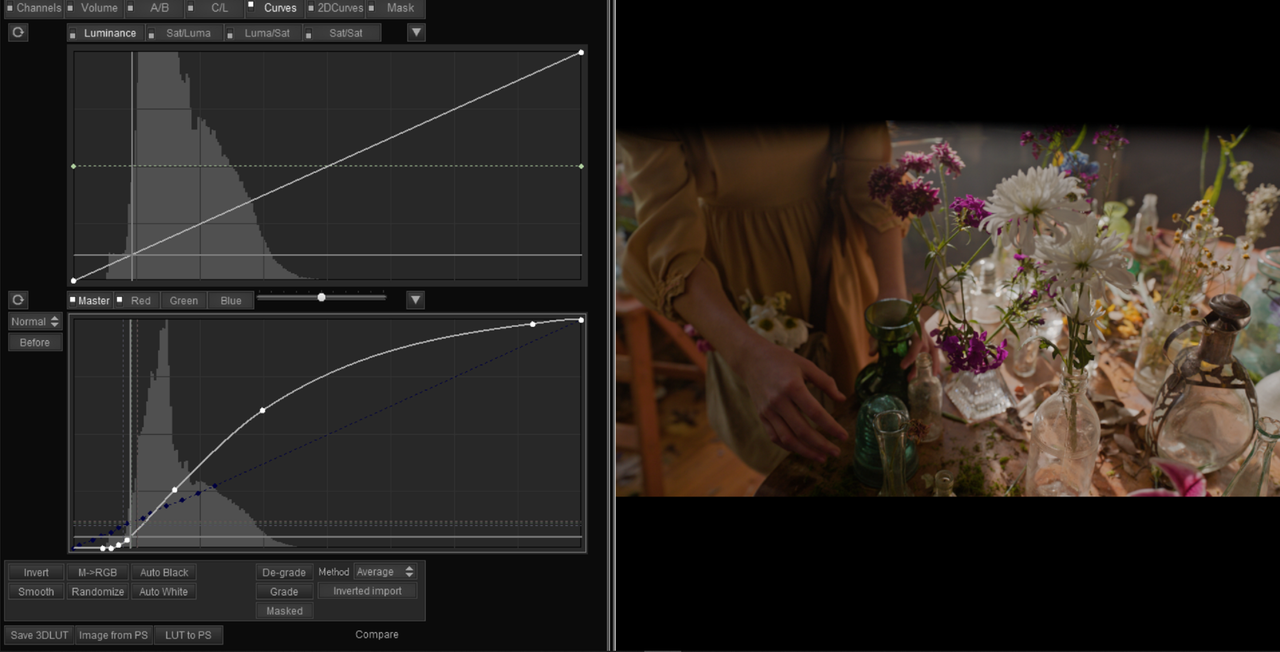
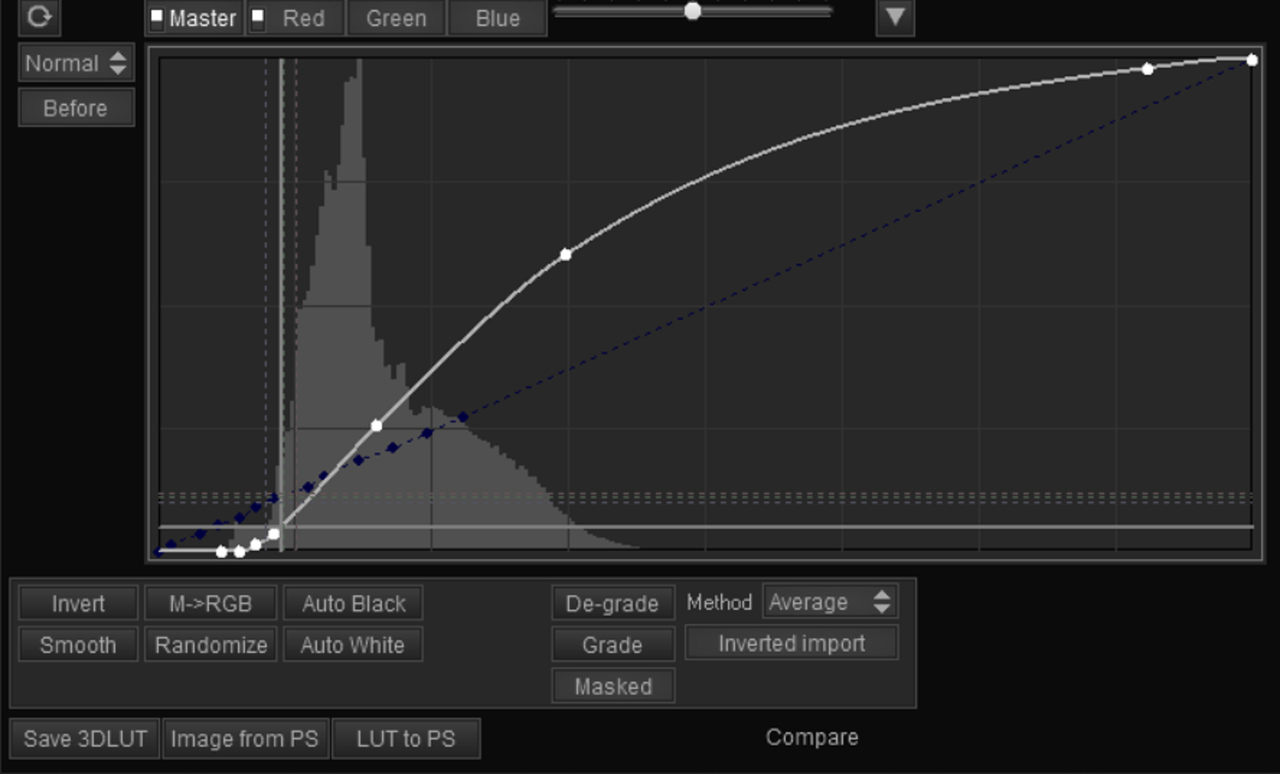
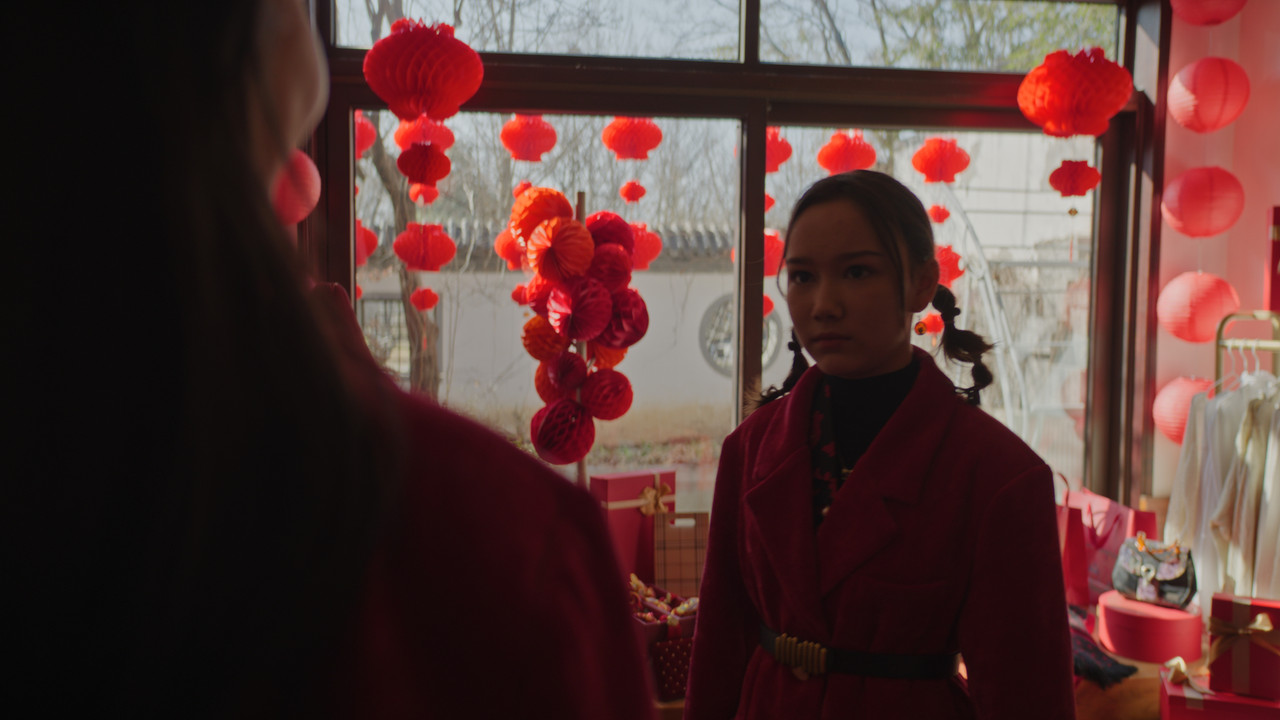
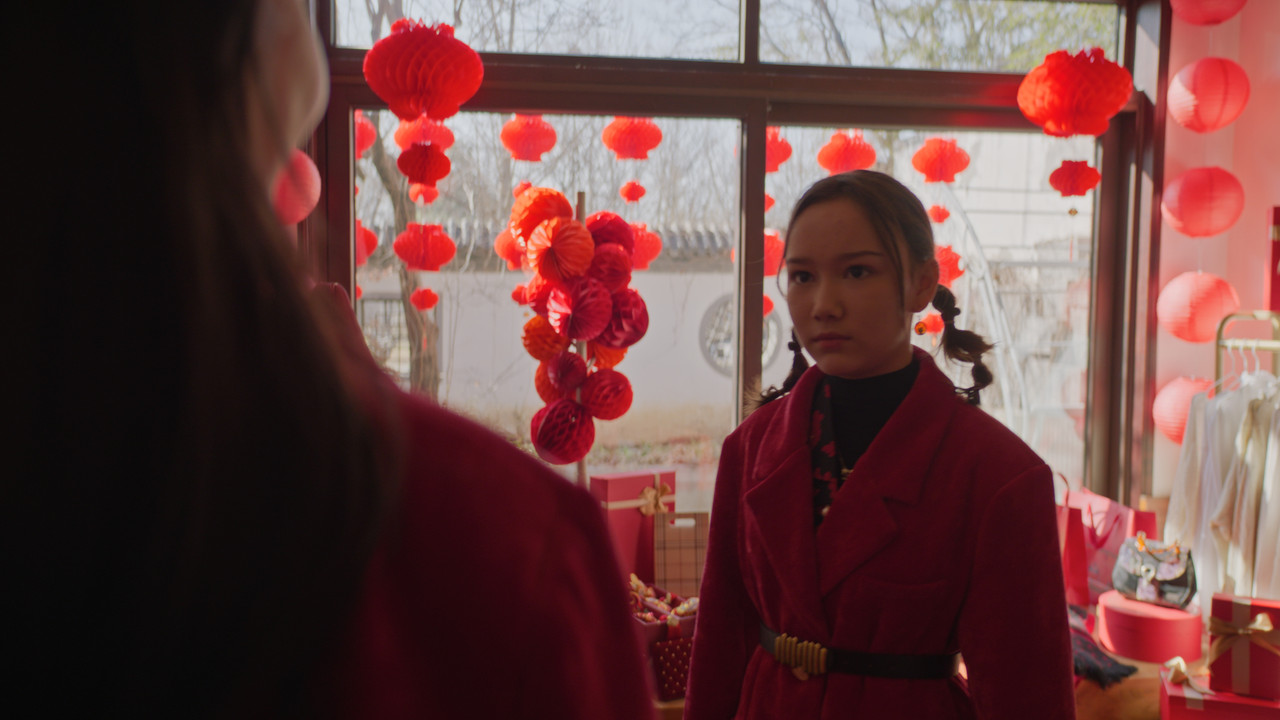
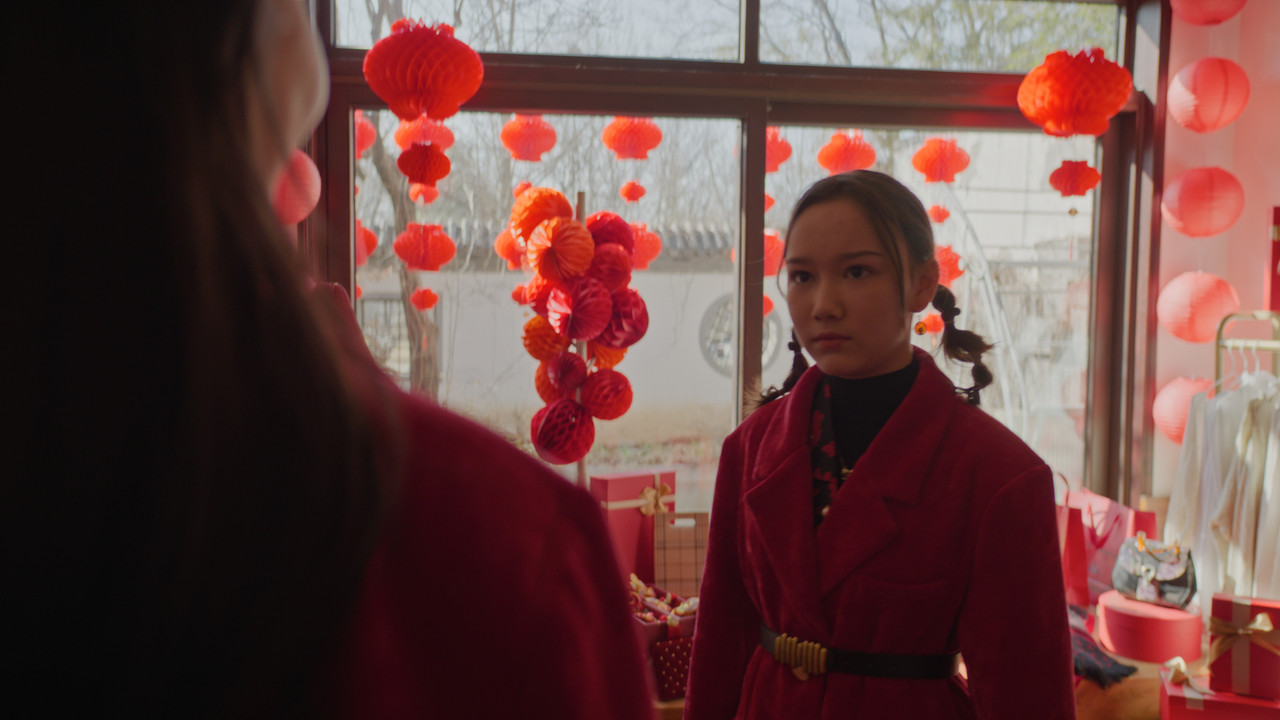
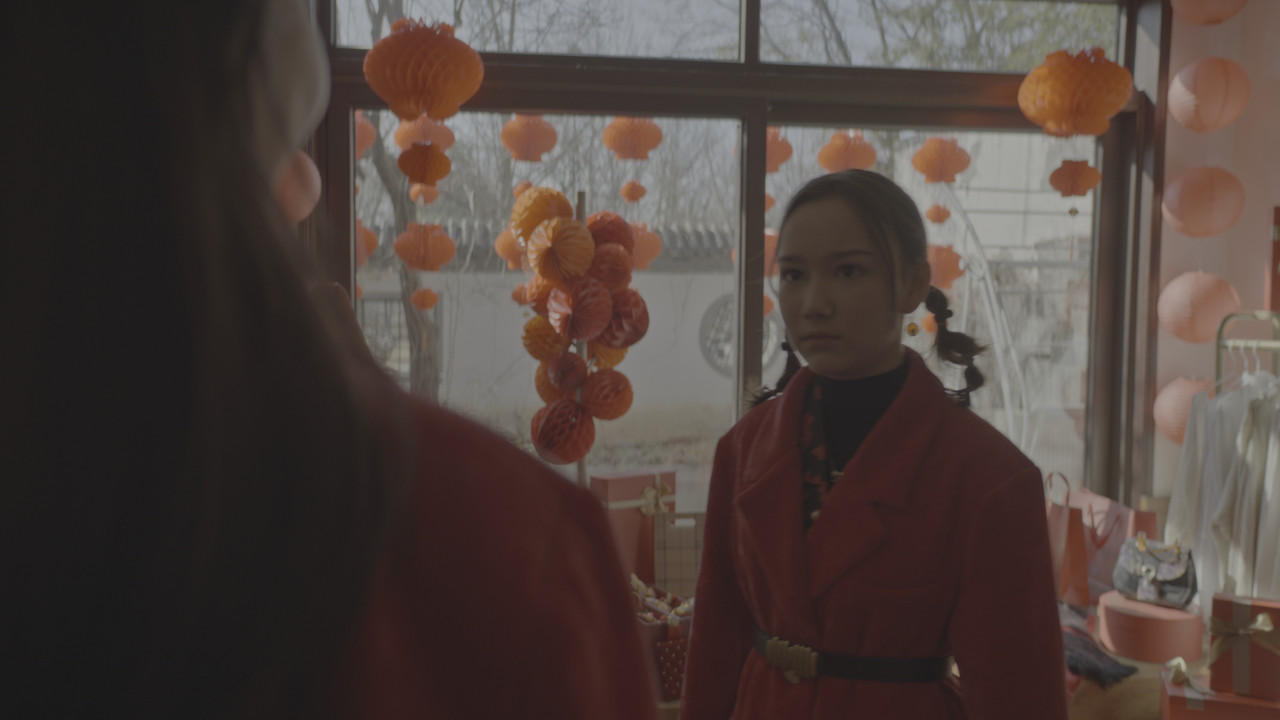
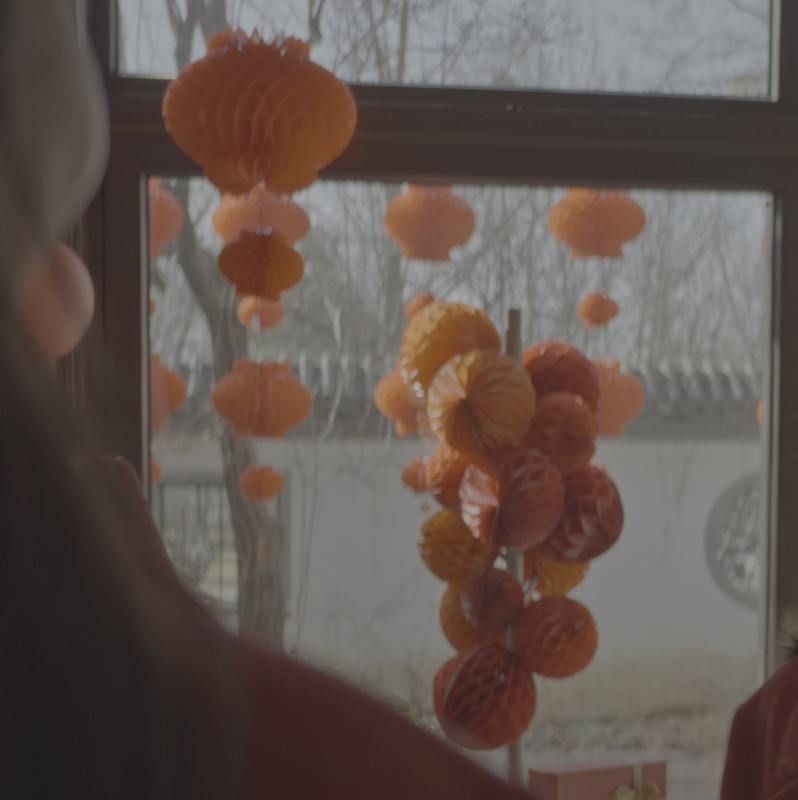
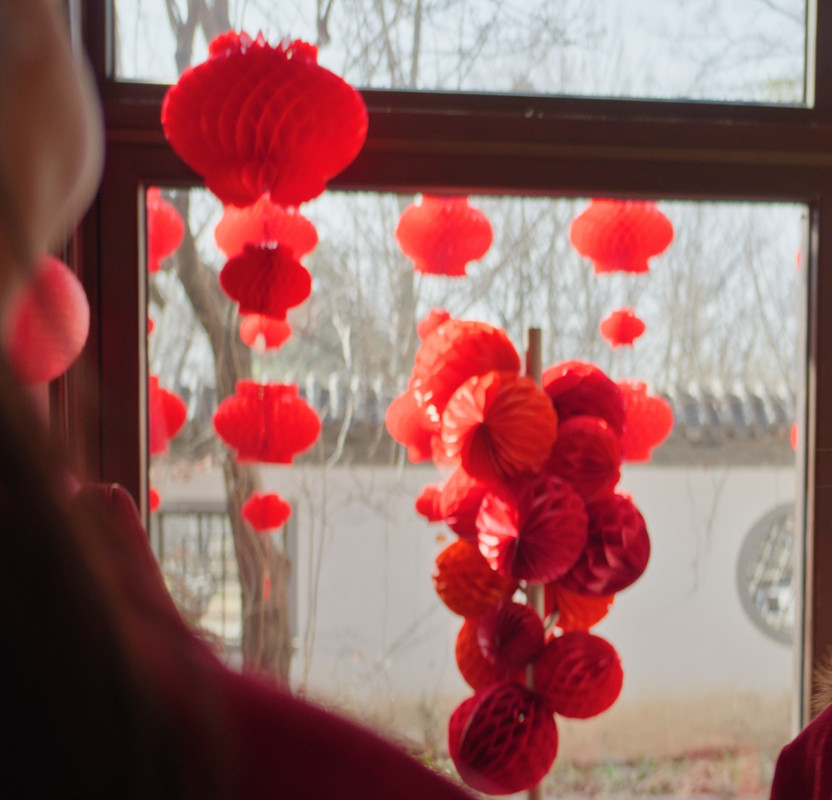
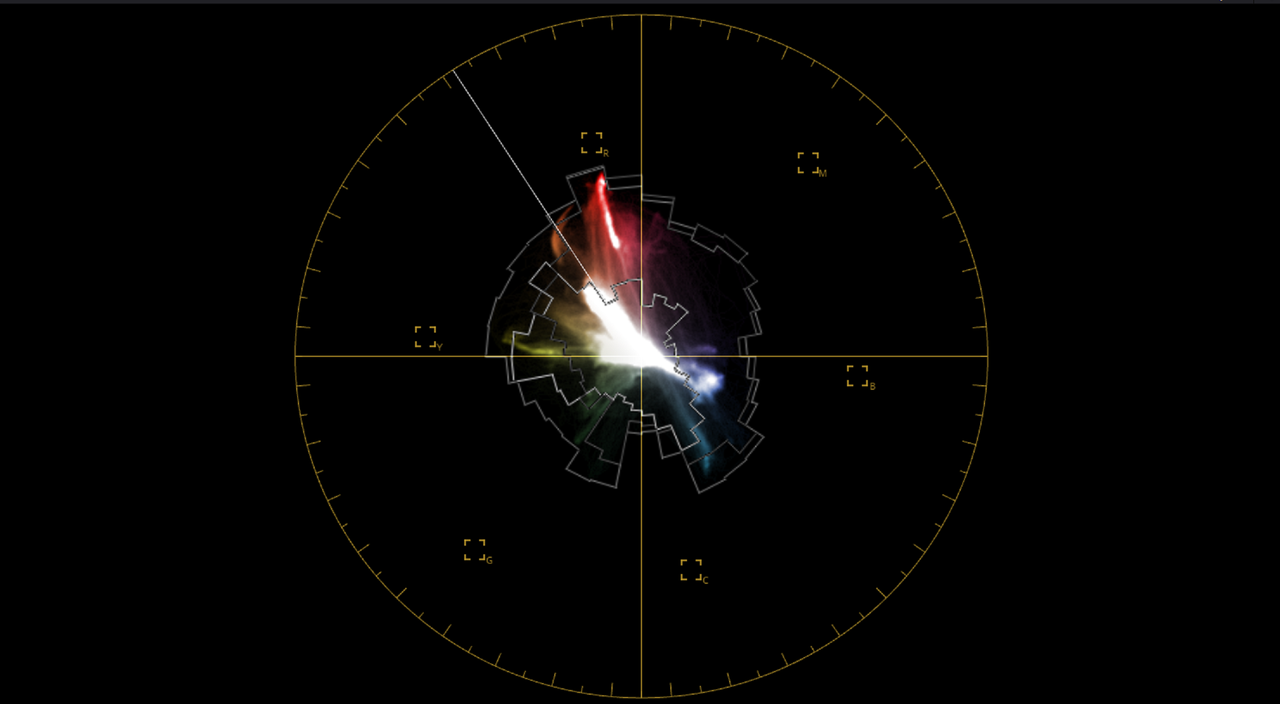
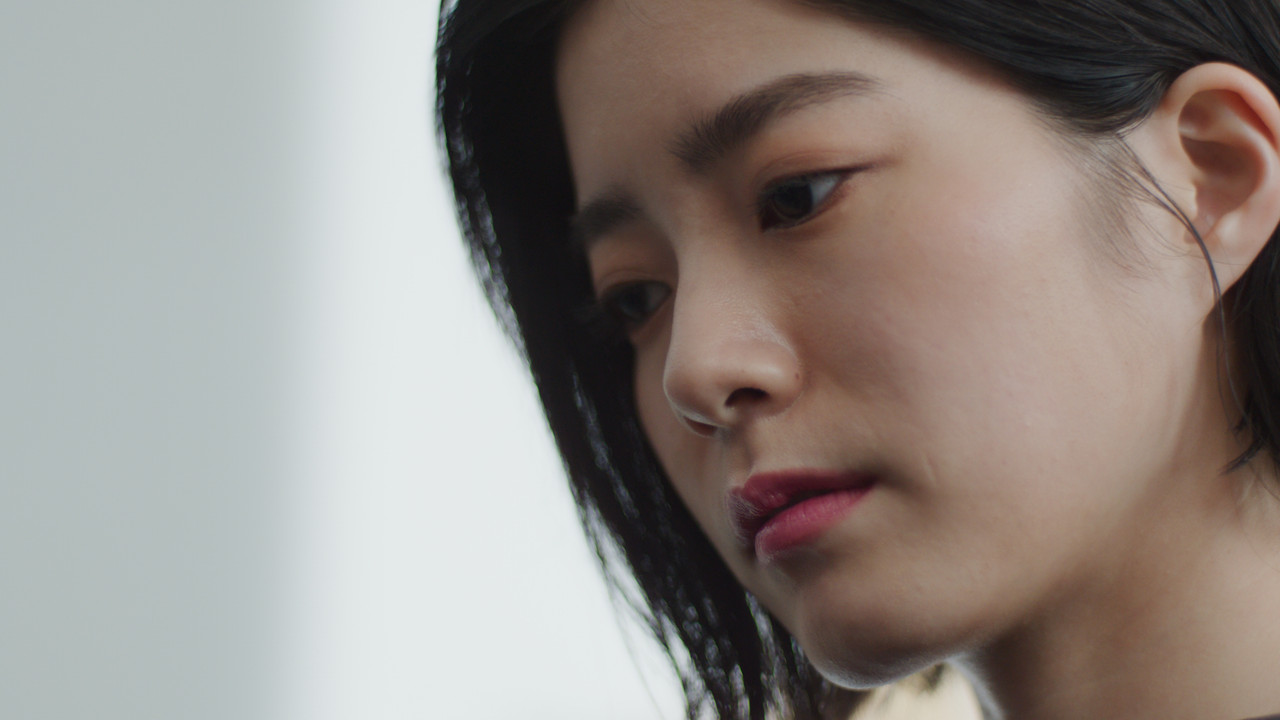
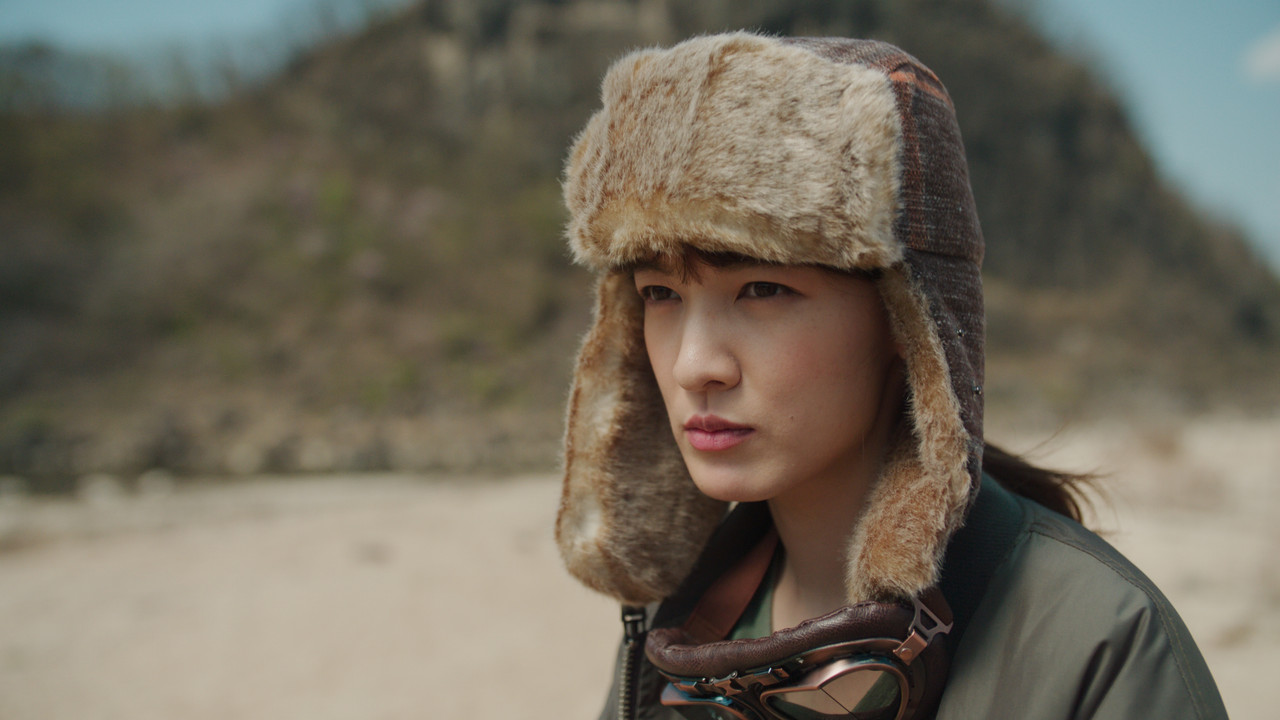
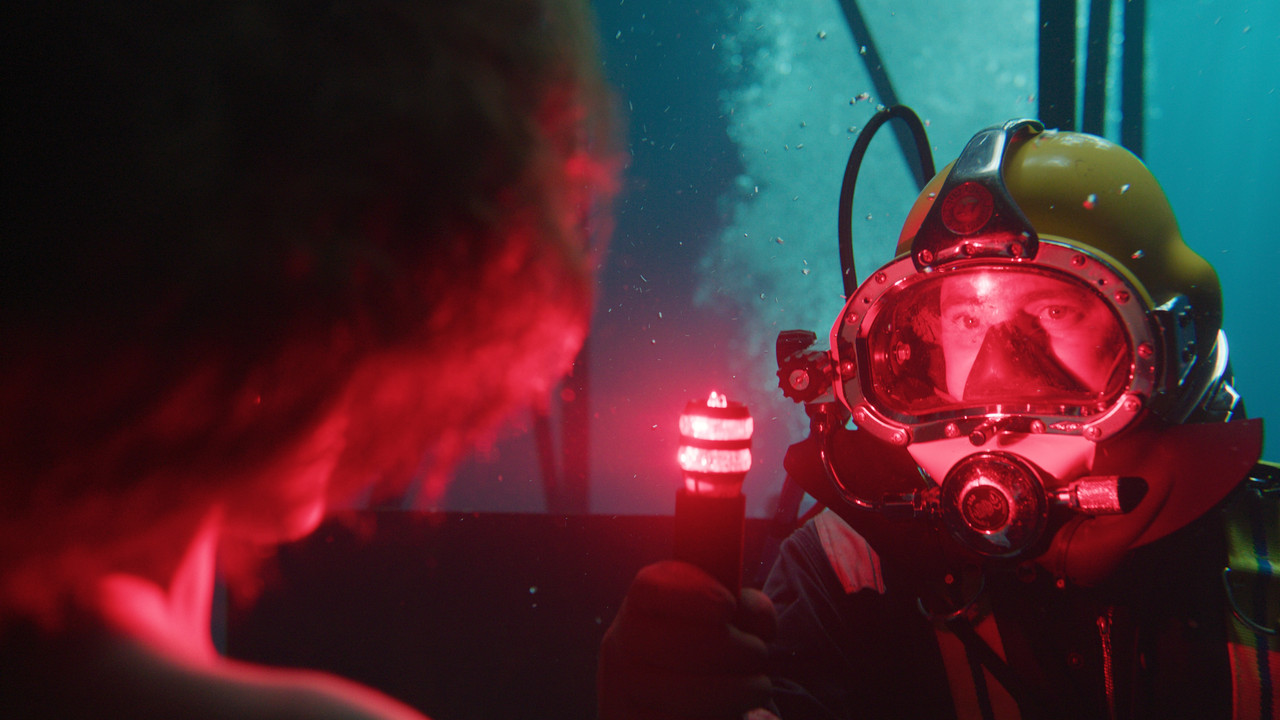
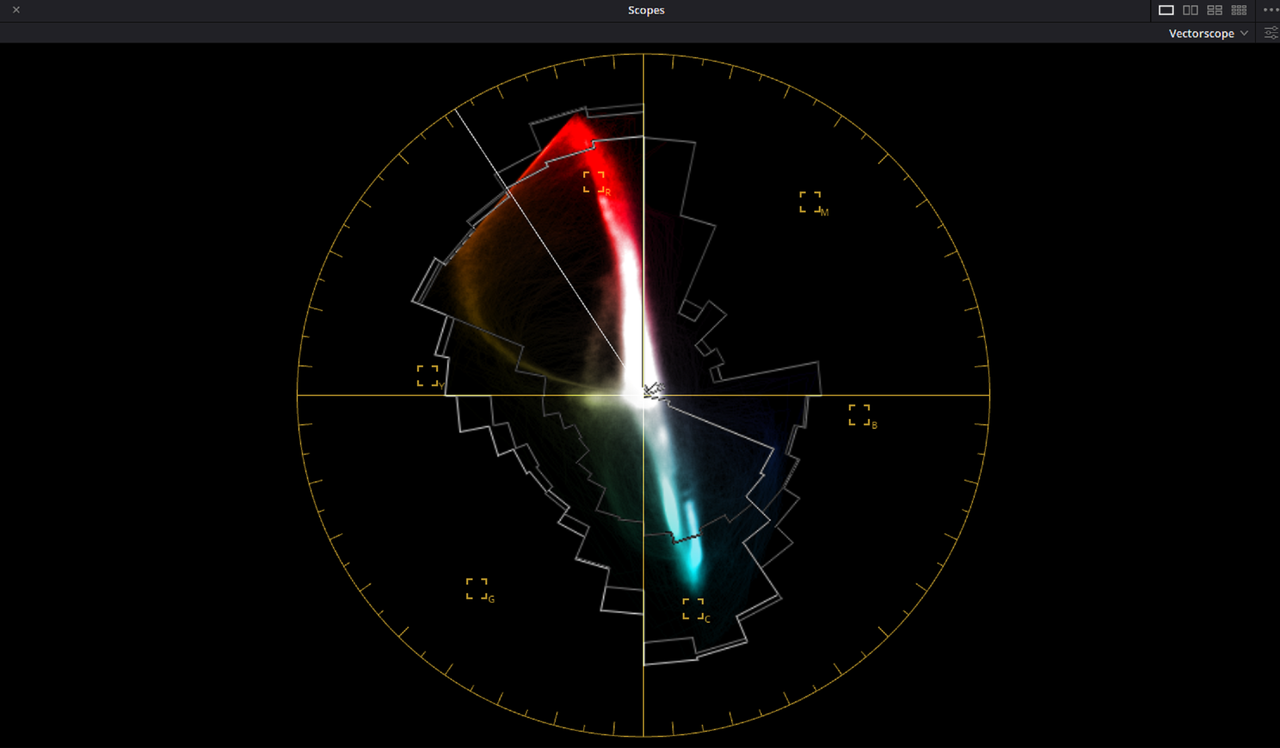
I was noticing when I was messing around with the image of the " MOTHER and DAUGHTER in the shop" scene that in the ARRIRAW LOG image those paper balls in the background are made up of Light and Dark "ORANGE" colors.
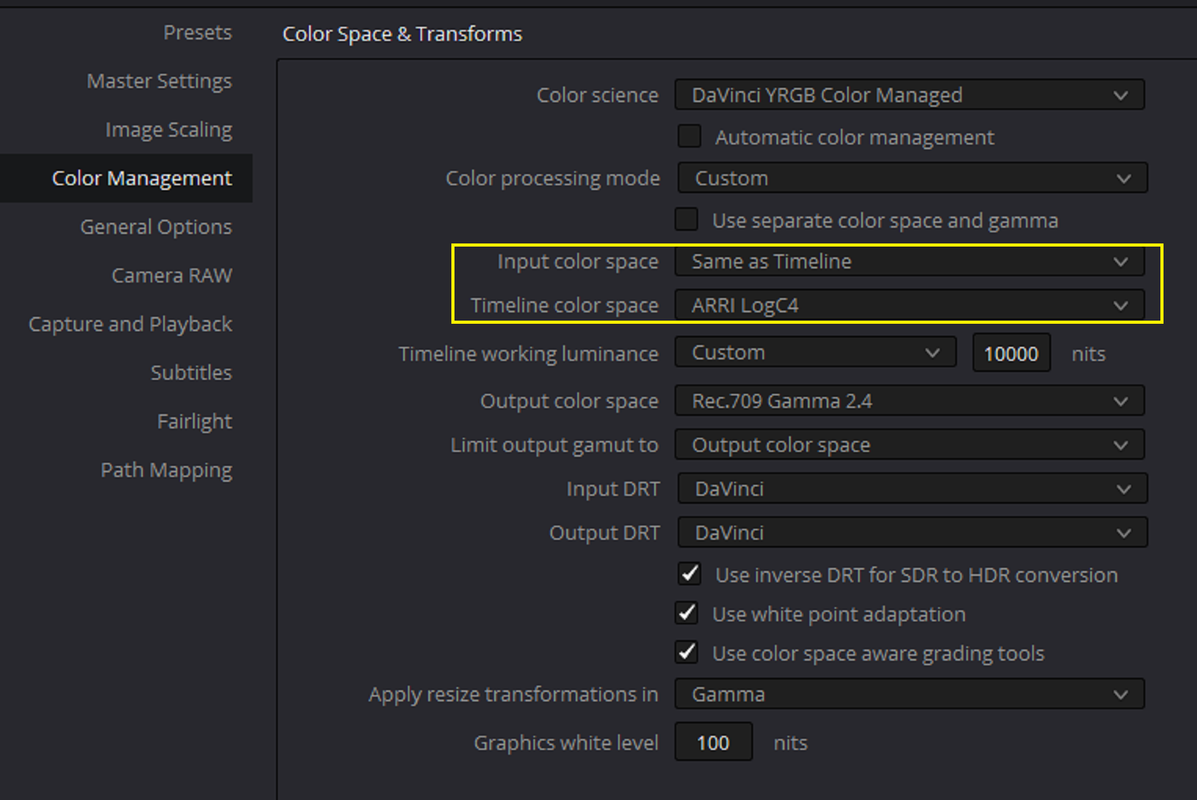
Whatever the colorimetry they are doing to what is now off the sensor's color space into AWG4 produces that and their transforms push that to the correct hue. From any manufacturer at this point onwards, actually a long while back too, don't expect colors to render accurately in their native color space and gamma.
We are far from the days of older Cineon and Rec.709 workflows. Pushing saturation to 100% won't net good color on any good system these days unless it's done that way. I still see people working this way and they wonder why their skin tones don't look right or whatever, but they are usually wrong.
I have some thoughts on why they chose this route, but I'll save that for off the air for the time being. Short version worth stating, ARRI is doing their best to avoid virtual primaries while working in a pretty tight color space. For colors that exist in the real world across the gamut and tonal range, that may create hiccups unless you do something about it.

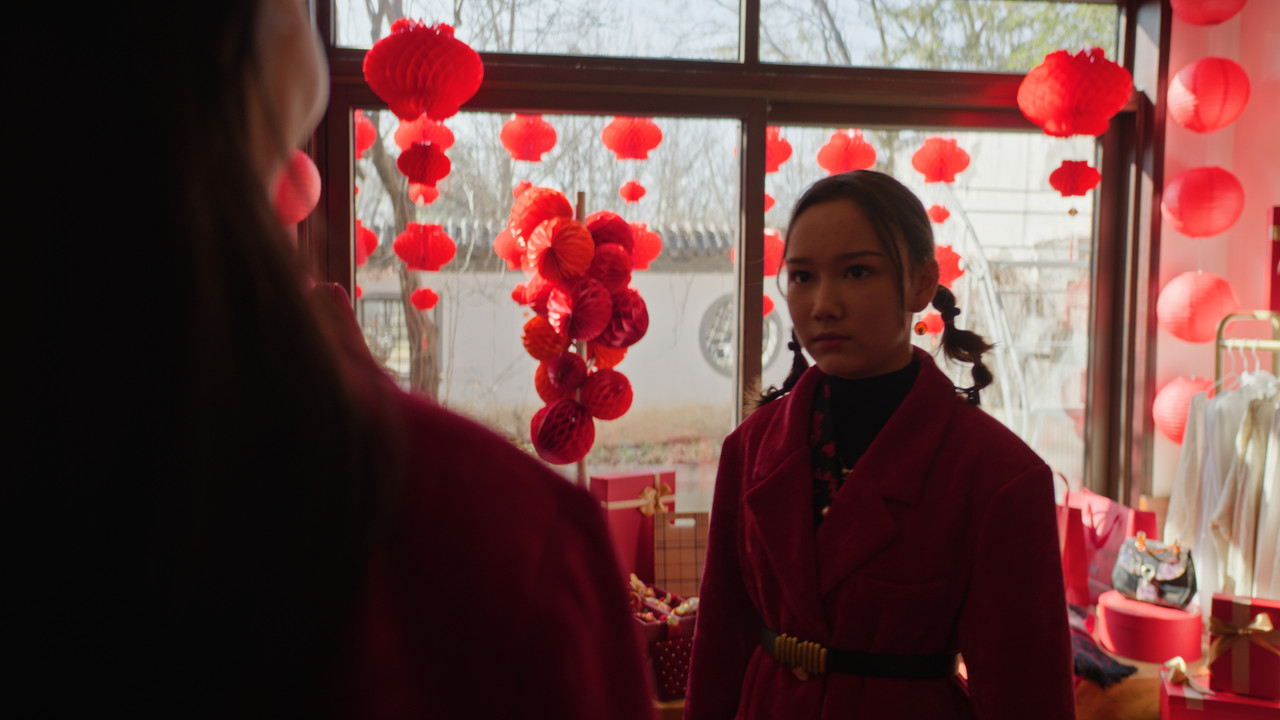
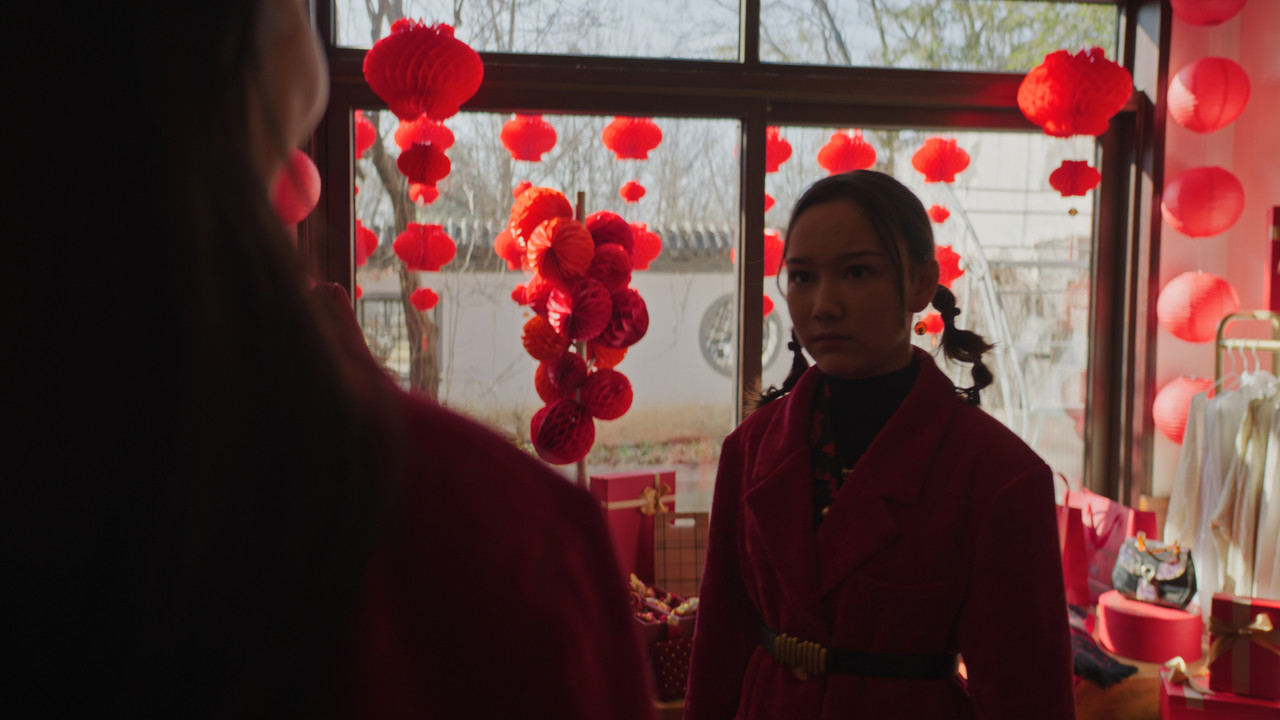
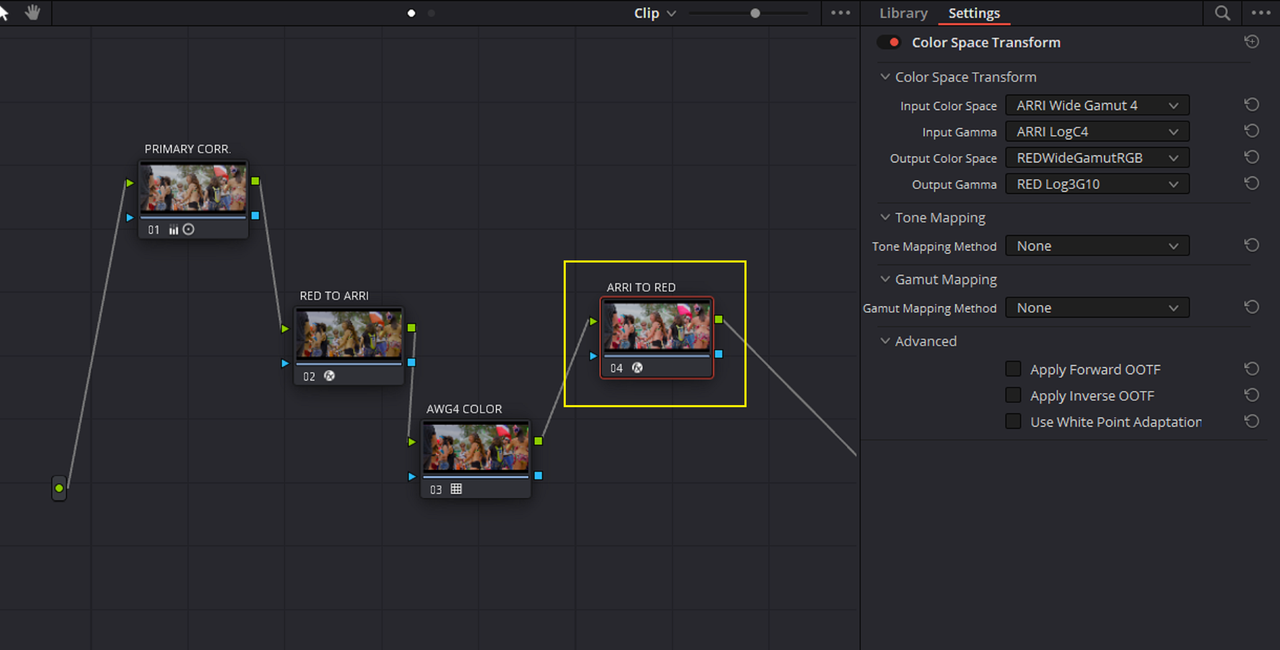
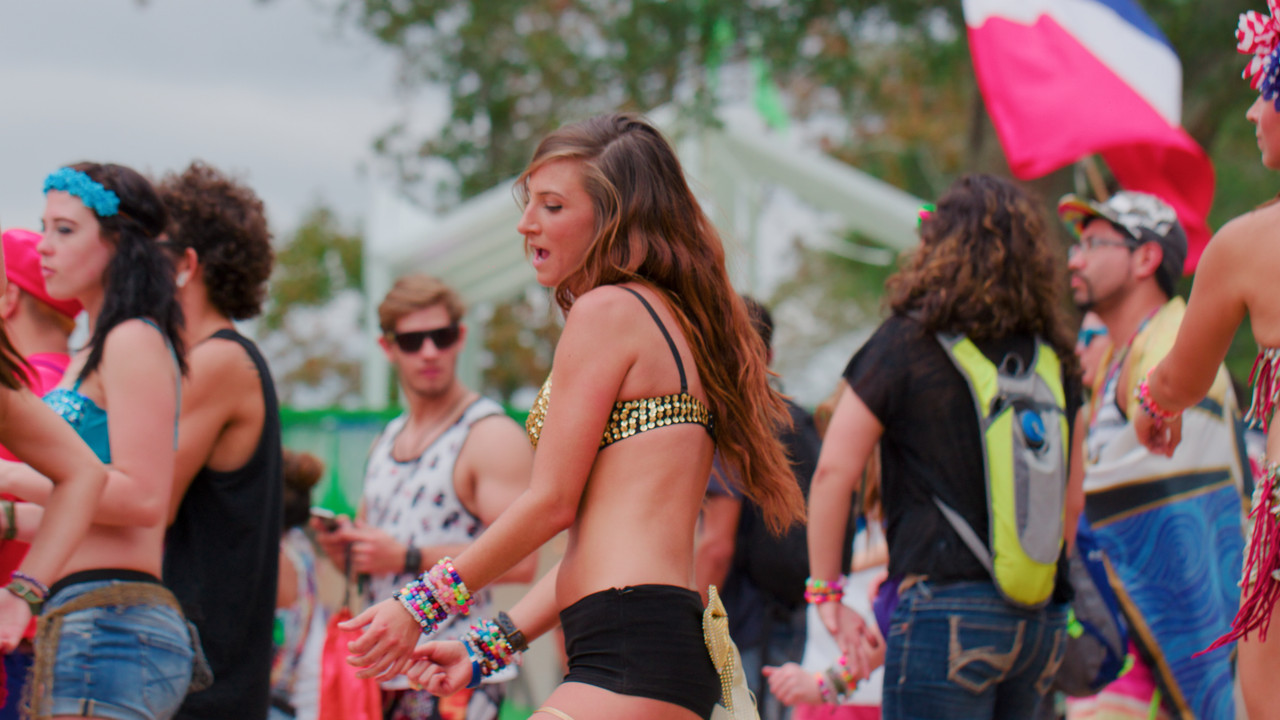
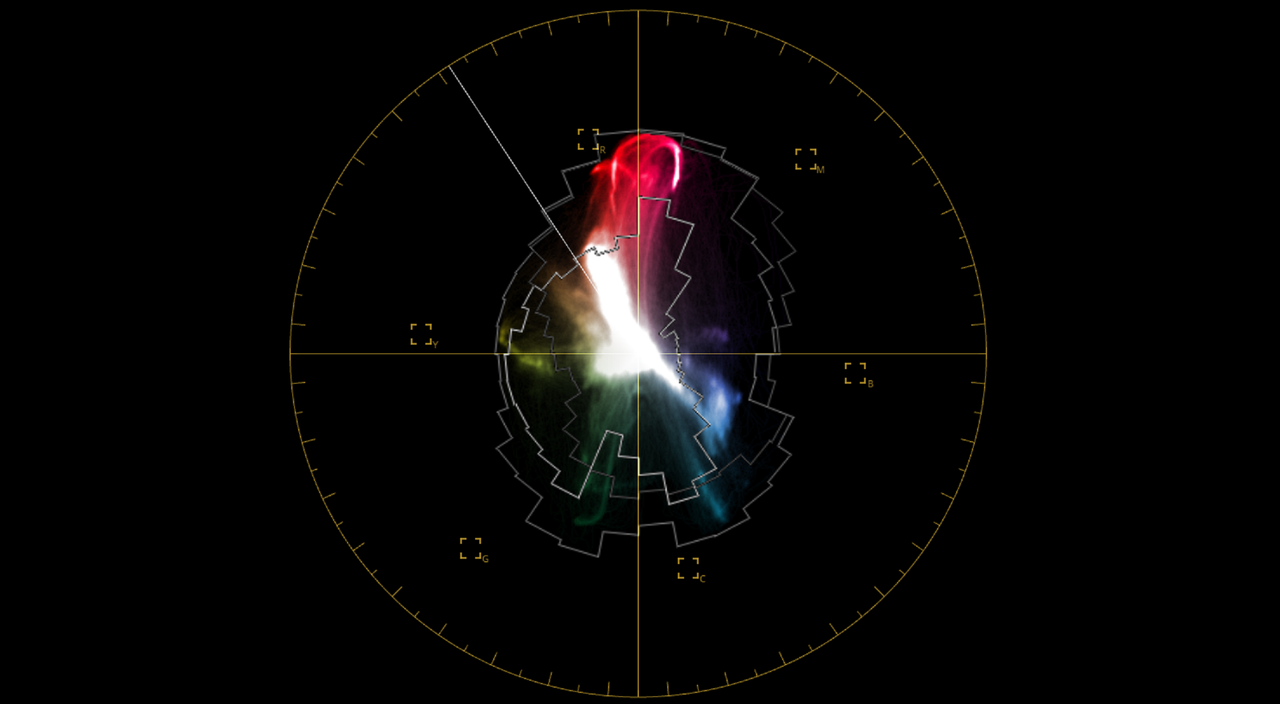
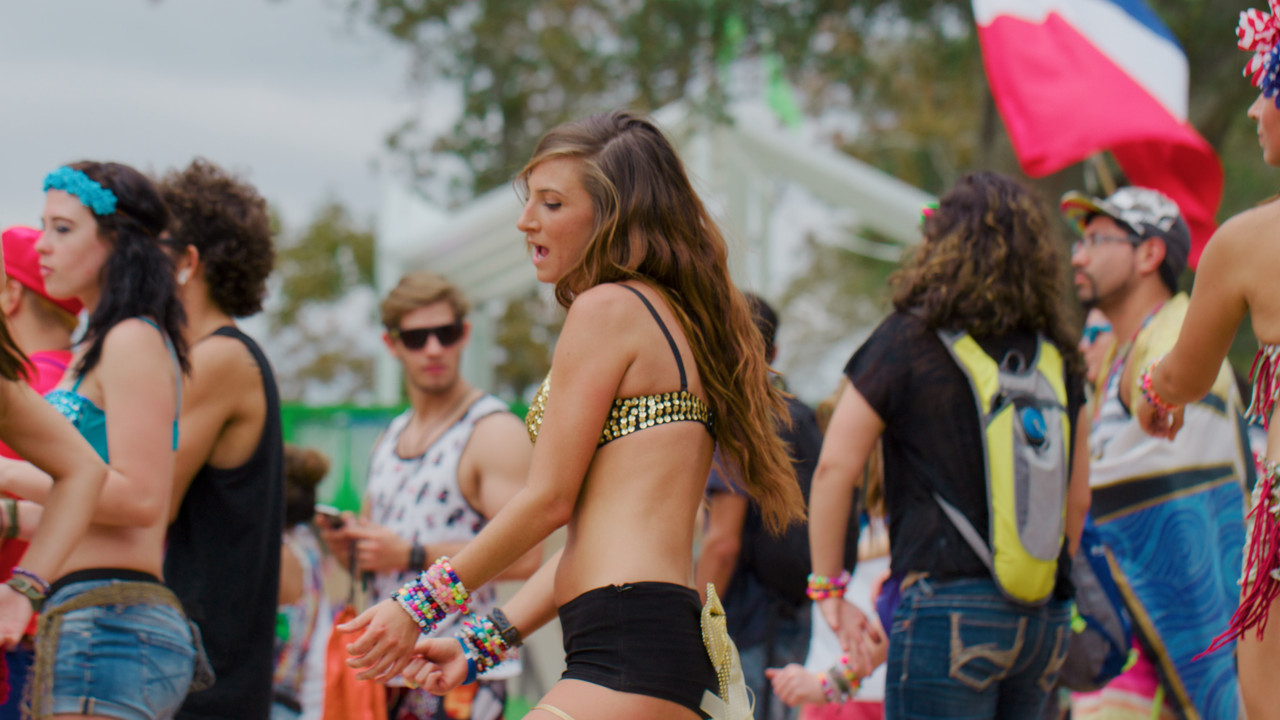
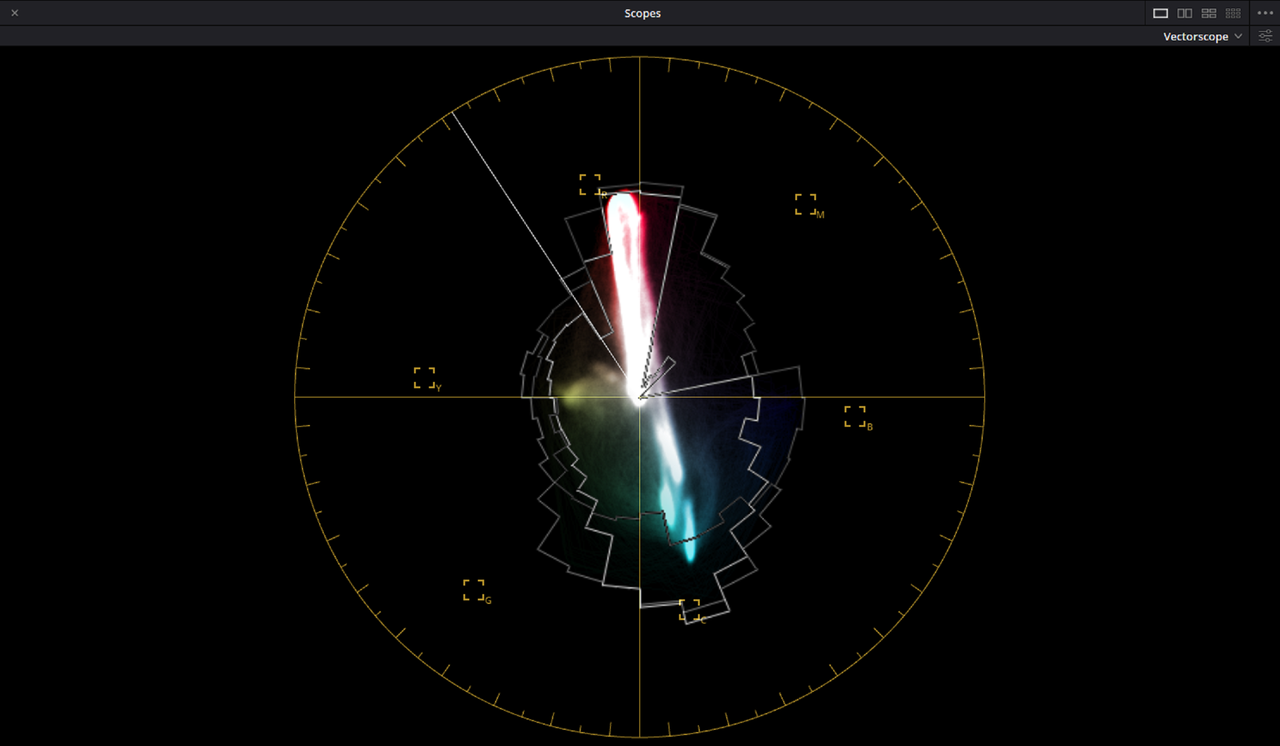
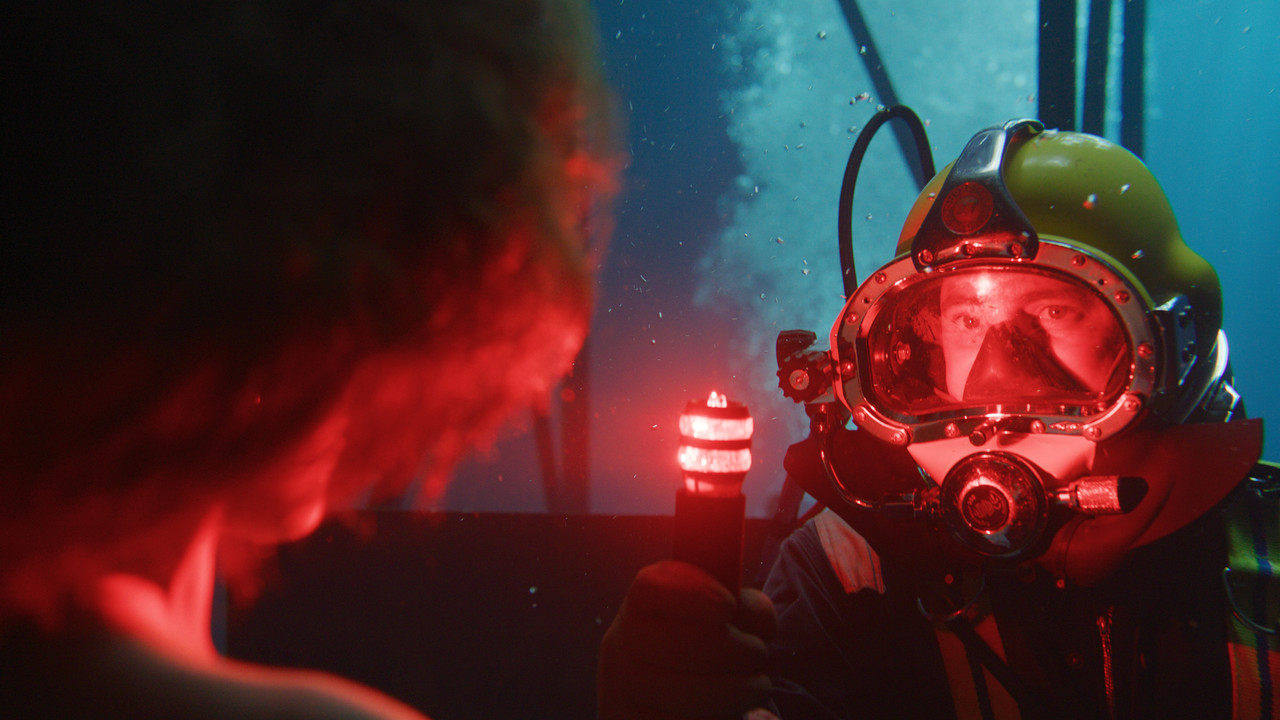
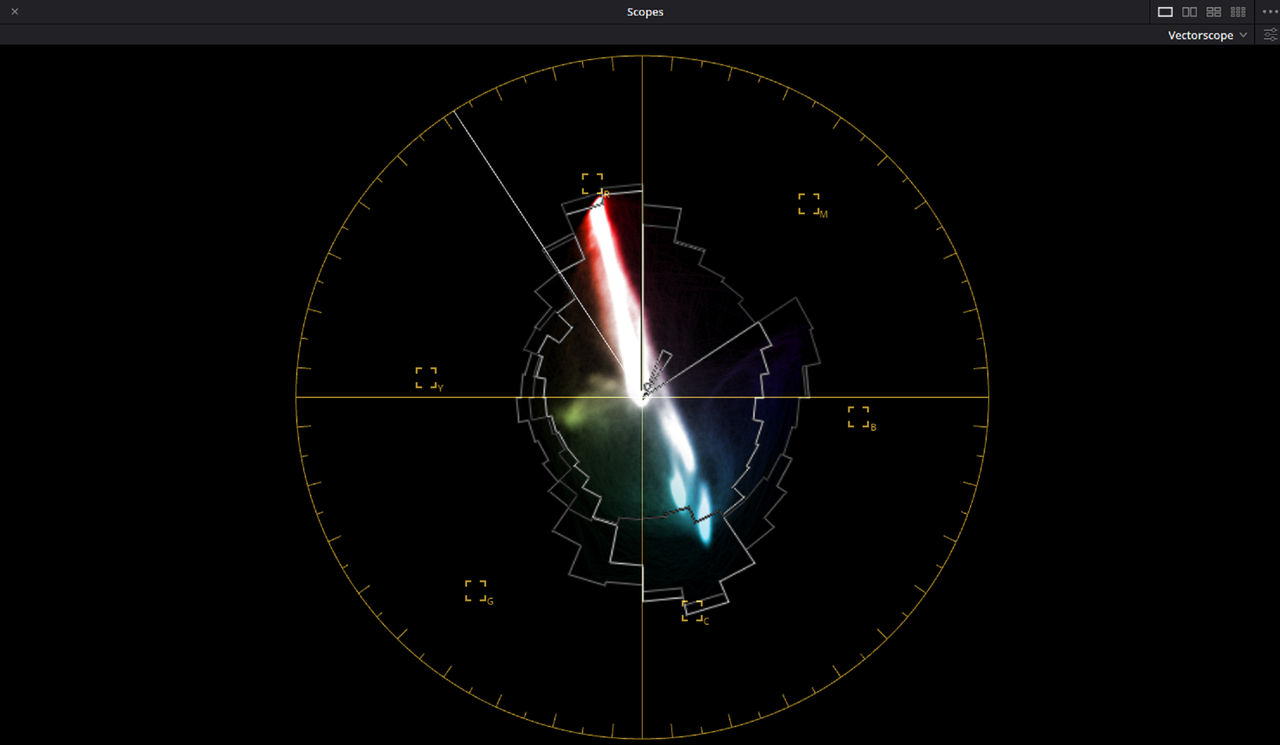
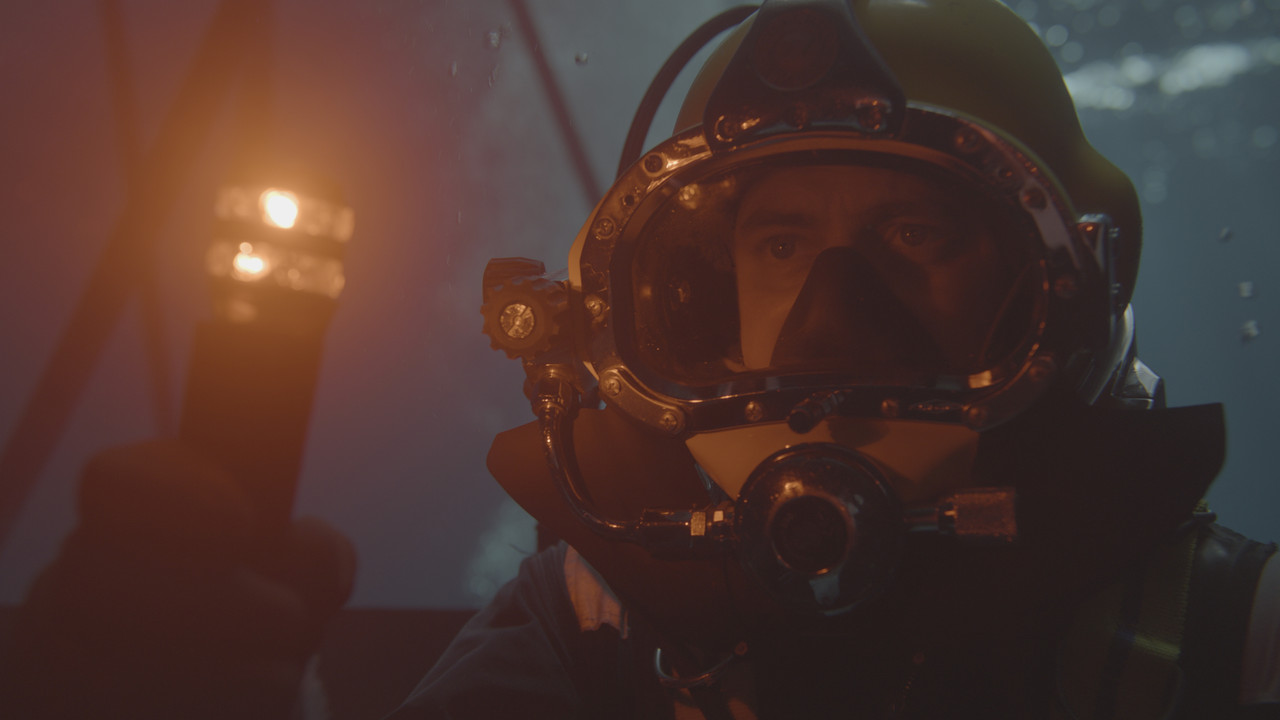
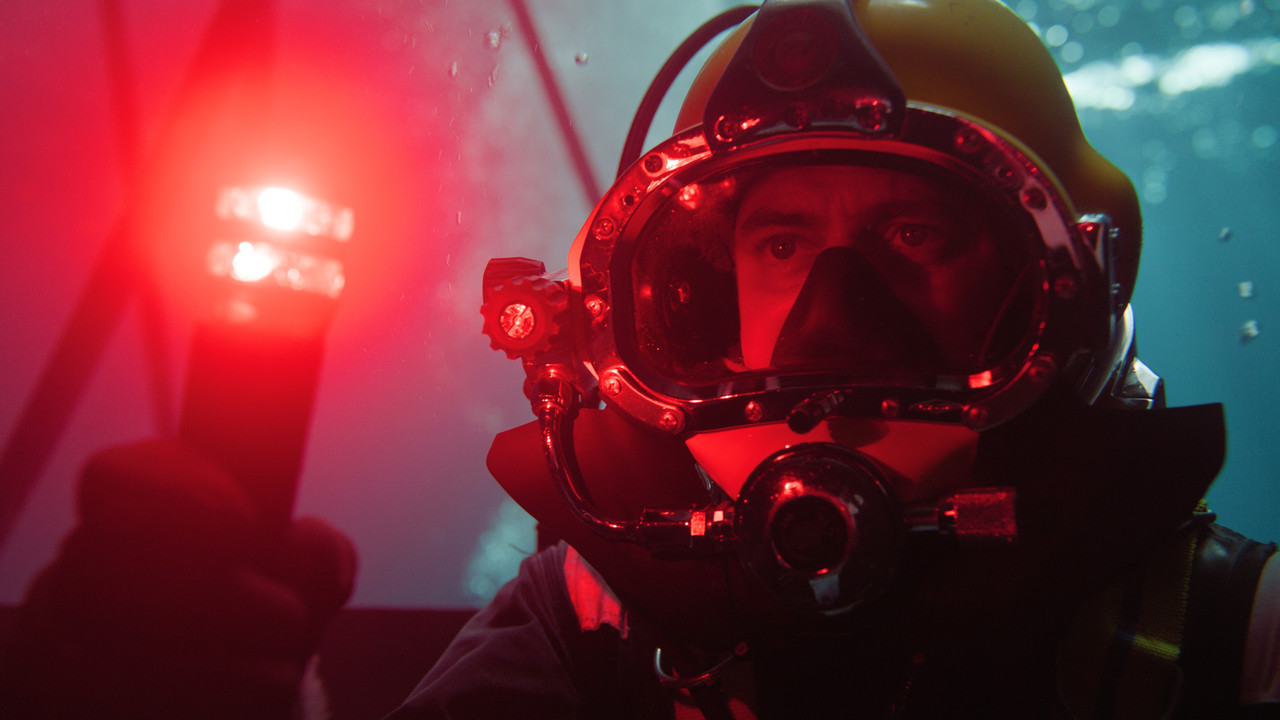
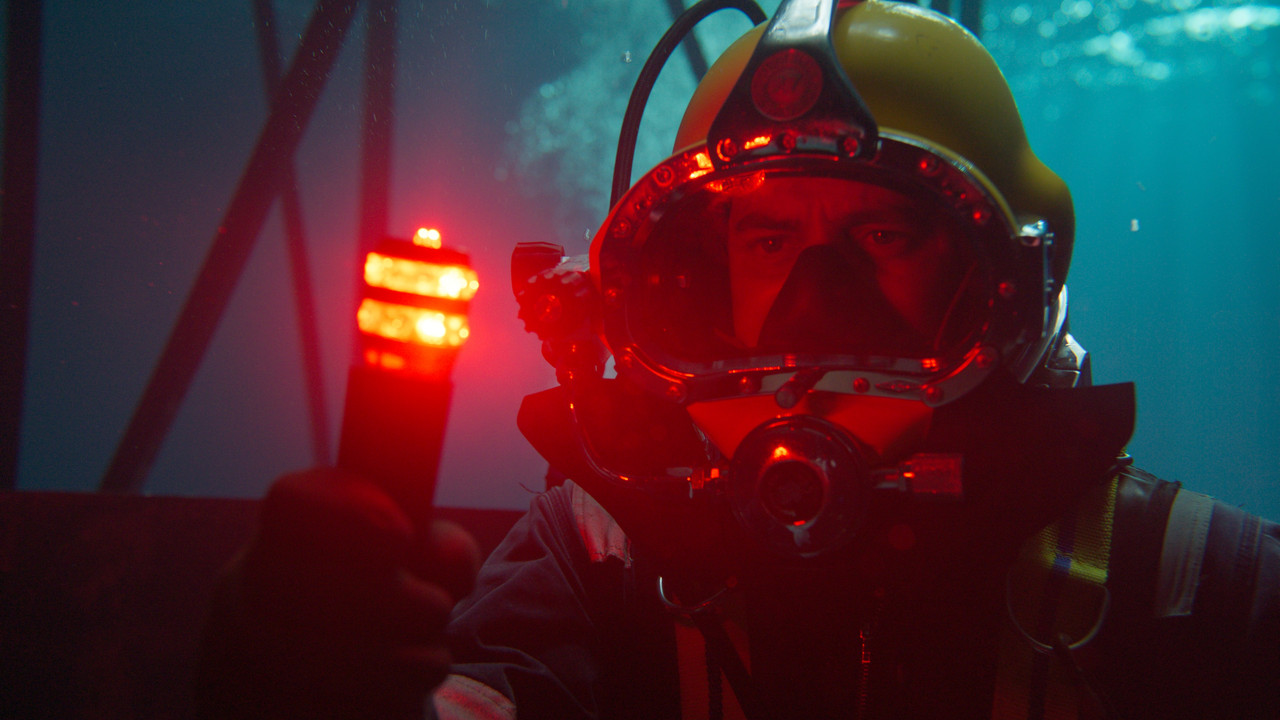
This is what that looks like when taking into account everything that should be.
![]()
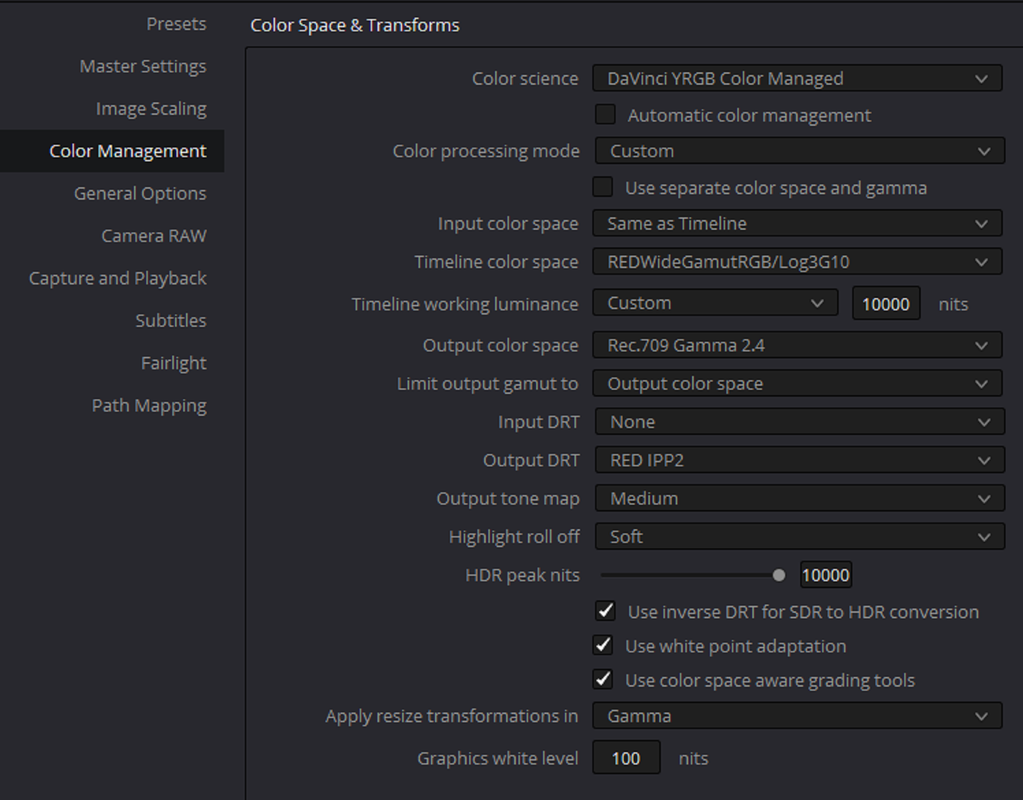
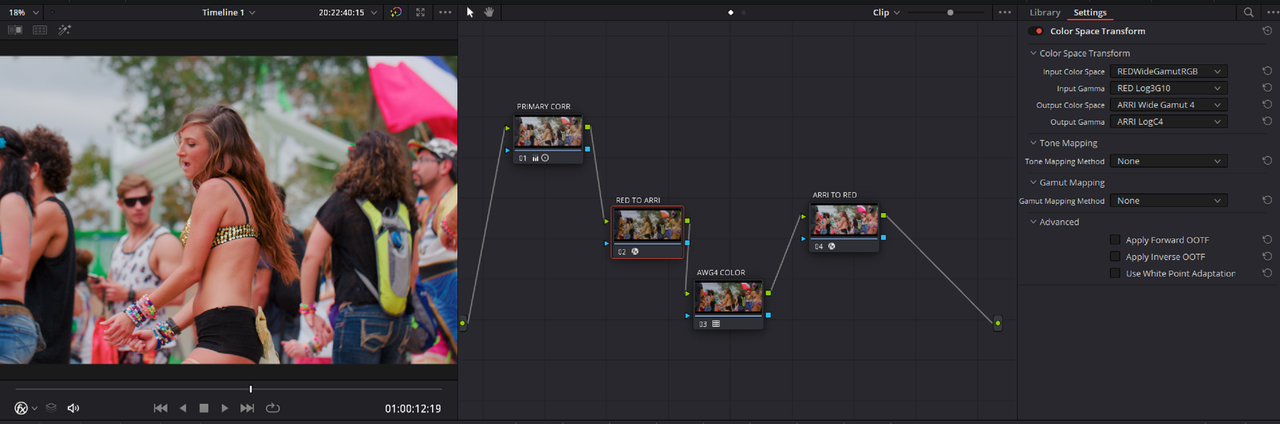
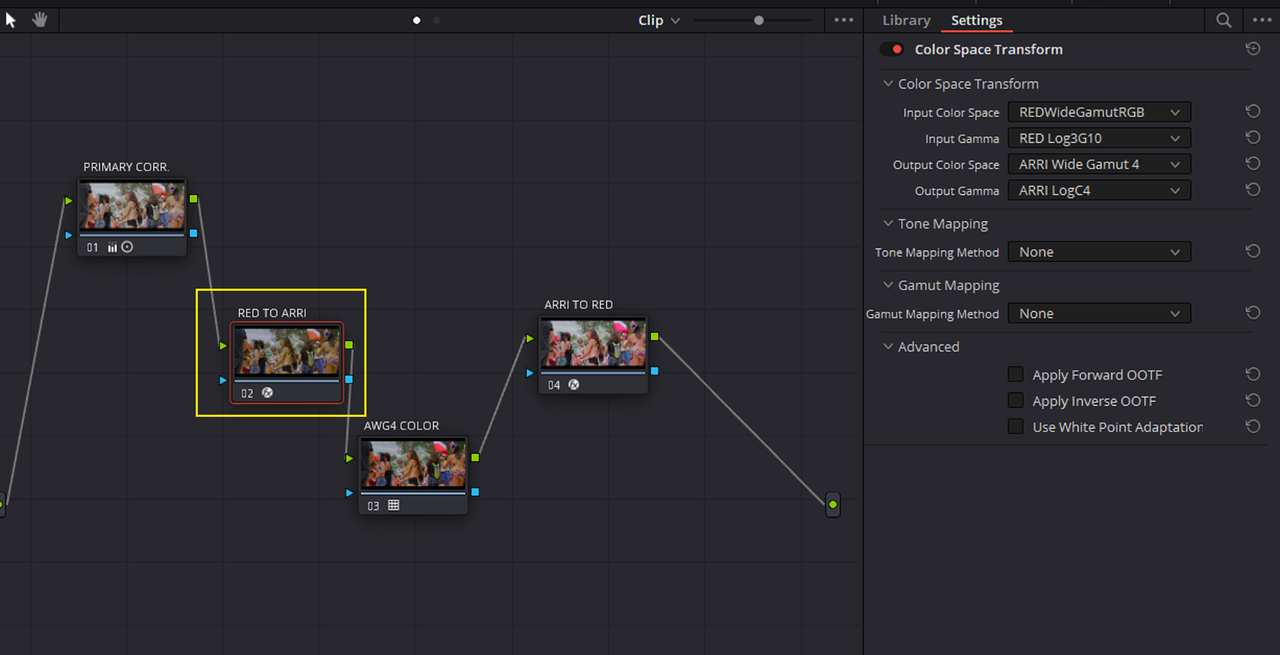
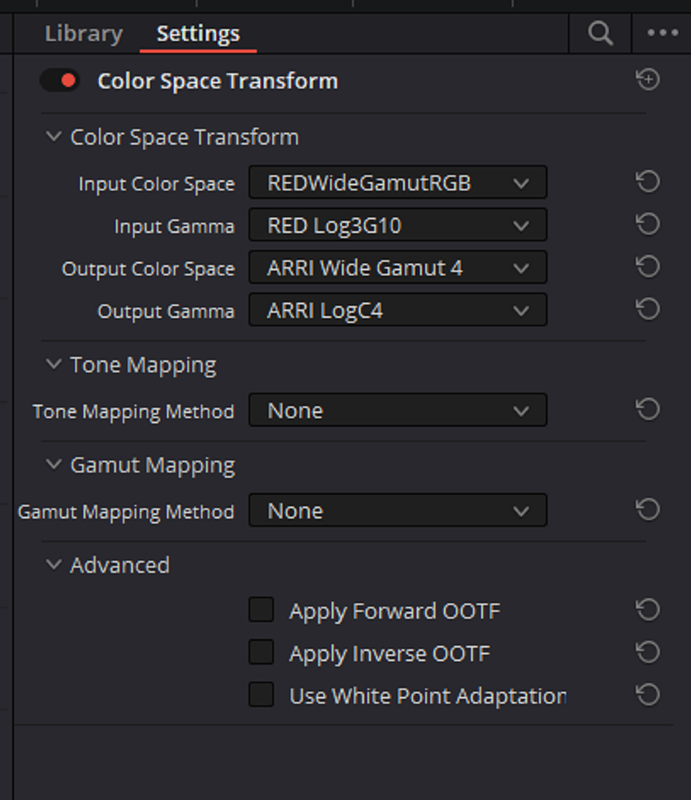
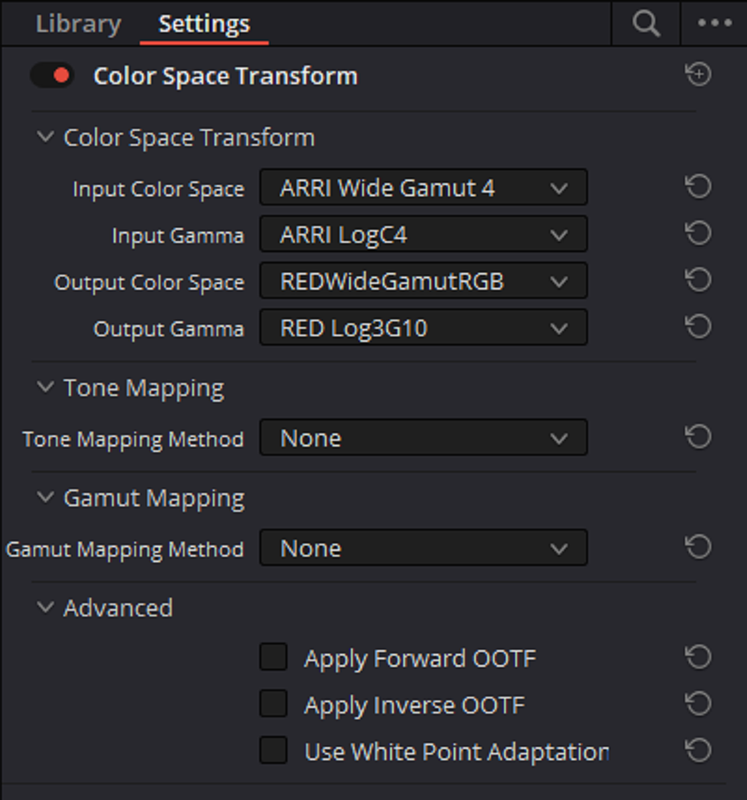
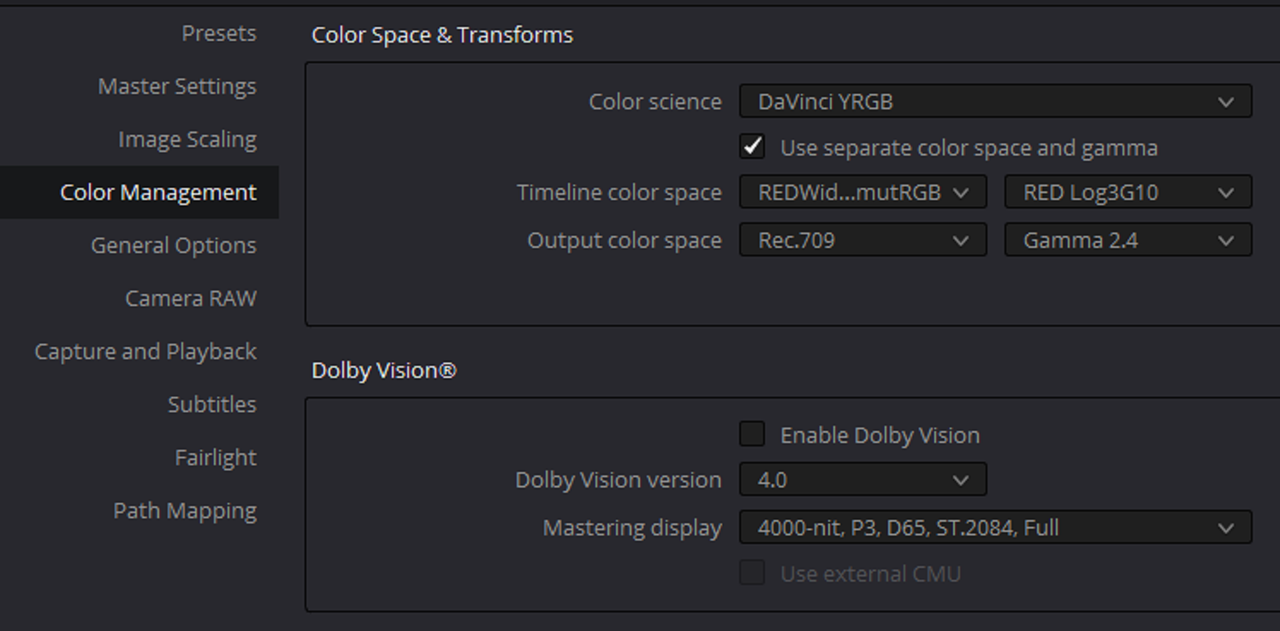
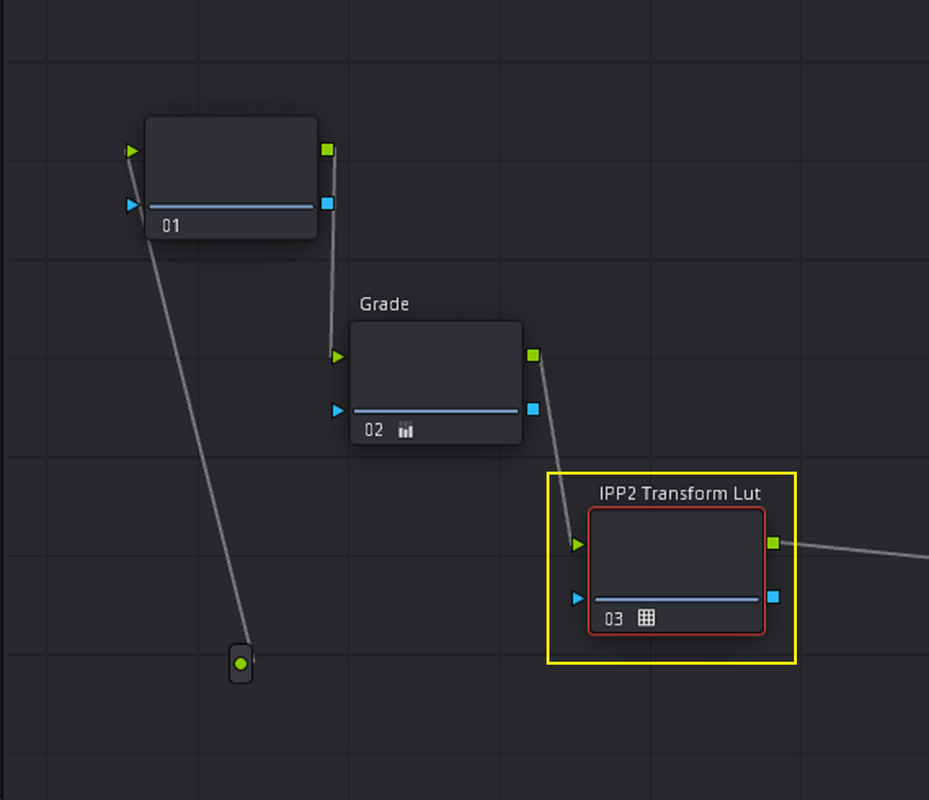
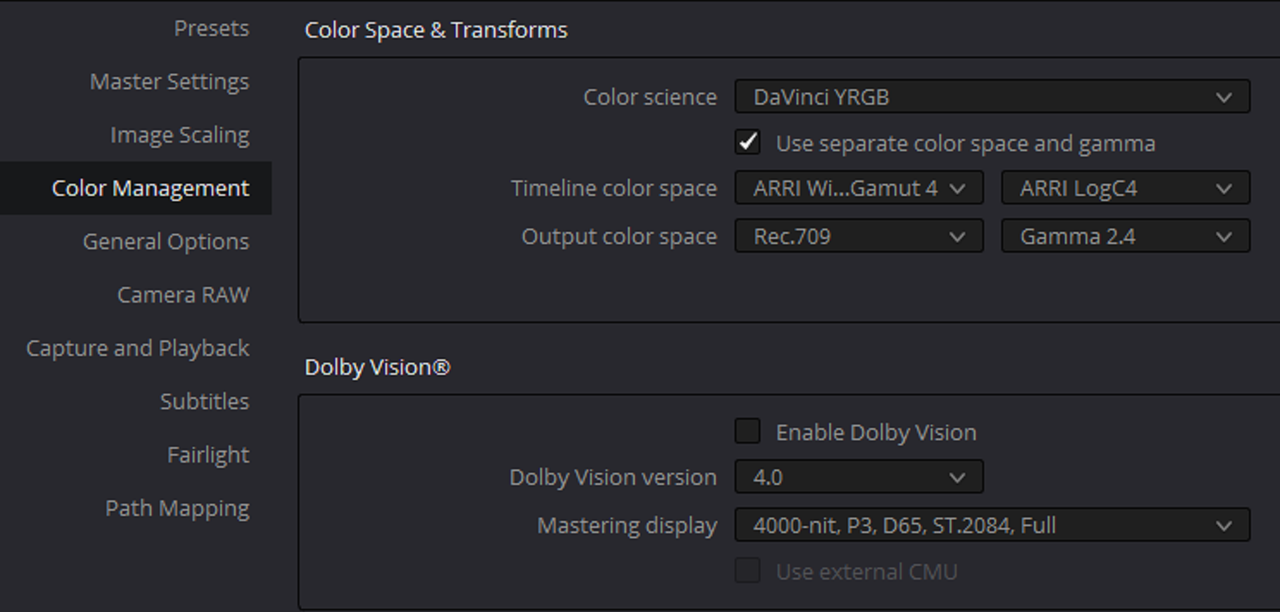
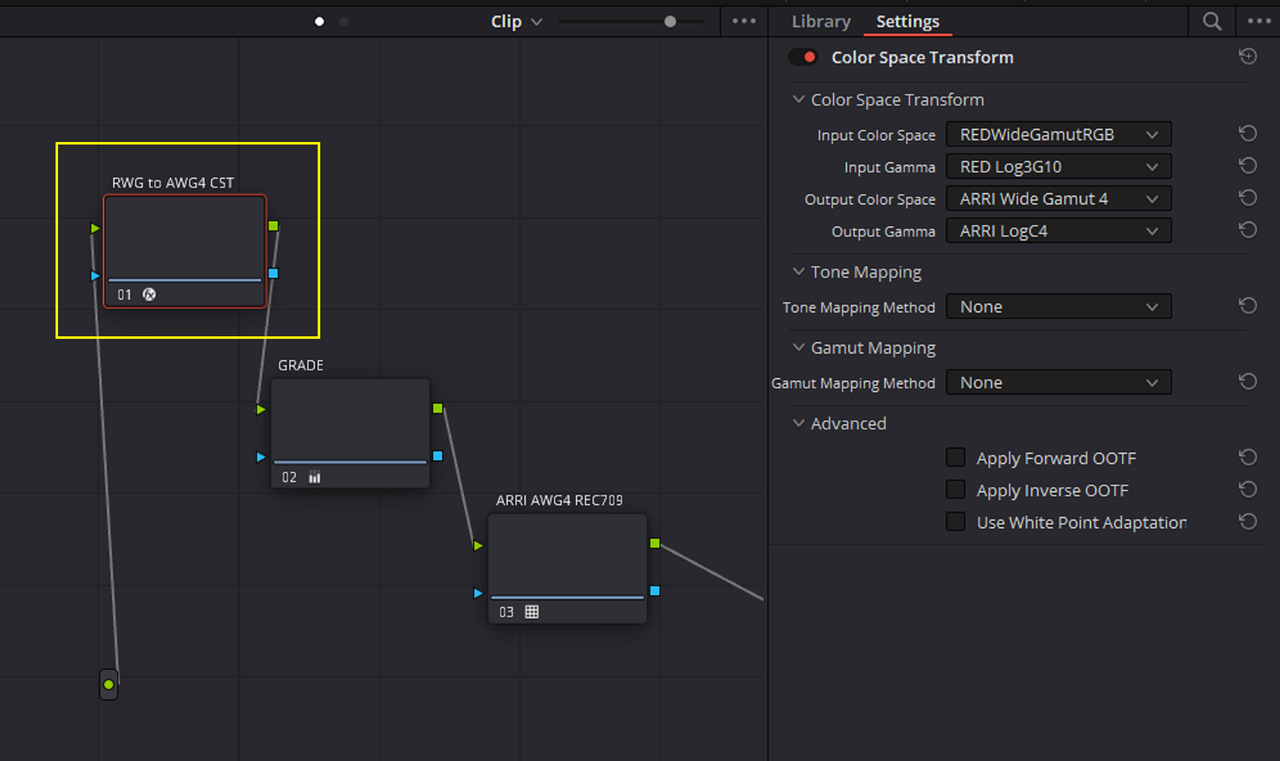
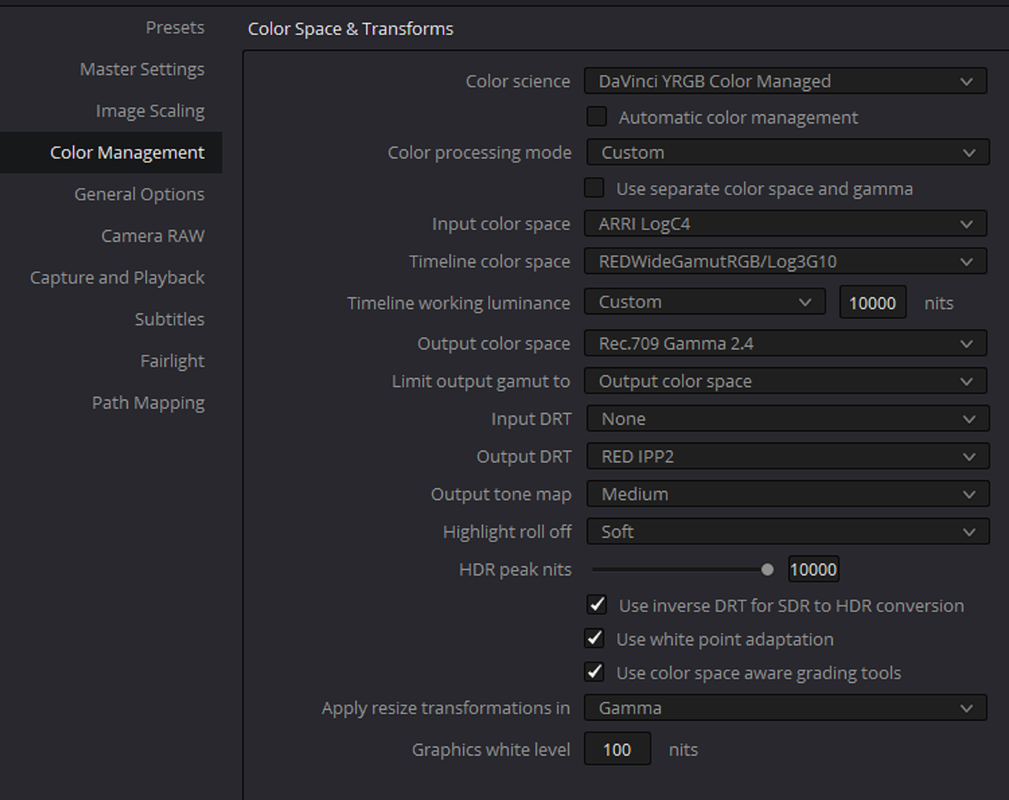
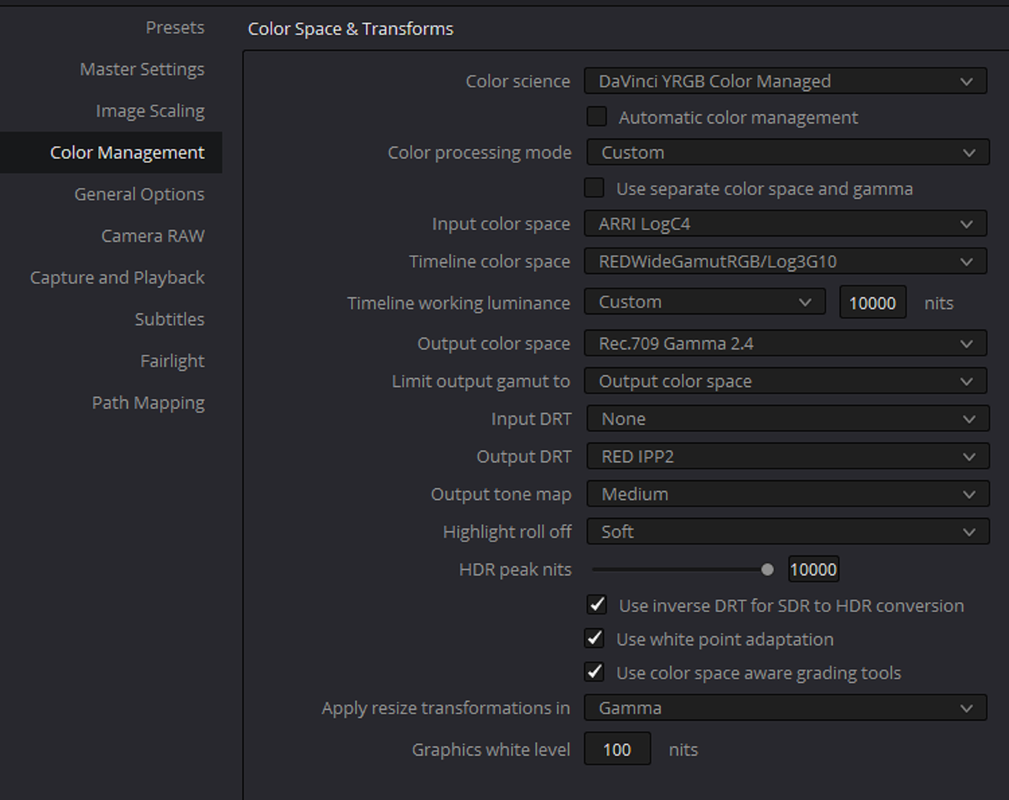
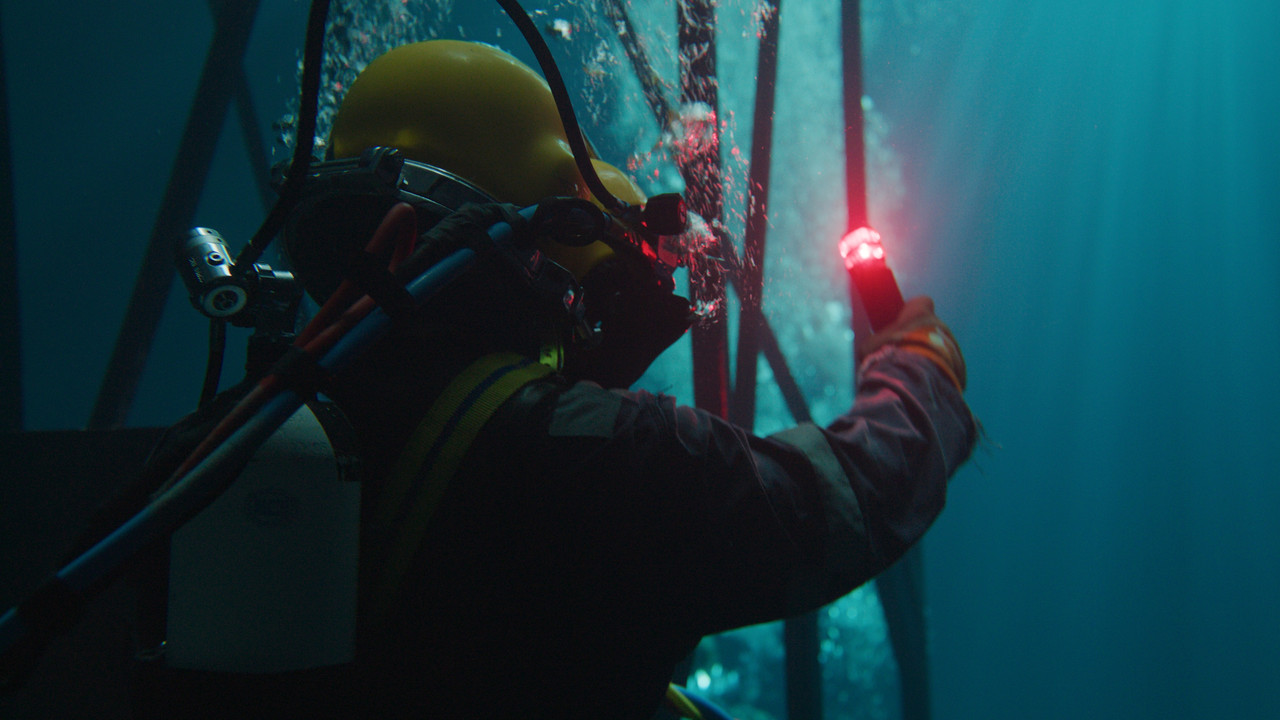
That is both company's Color Science applied to the same image. AWG4/LogC4 through ARRI's Reveal. Transformed AWG4/LogC4 into RWGRGB/Log3G10. Both utilizing the RED BT.1886 Curve in this example. ARRI's R.709 curve is a fairly different approach.
So You are saying that this light is more Orange-Red than Red?
Not saying anything pertaining to the actual color of the light, I'm illustrating where considering all things how RED or ARRI will reproduce this exact data in their given color spaces and color science using the same exact tone curve. This allows you to see a few critical things that happening in both highlights and shadows.
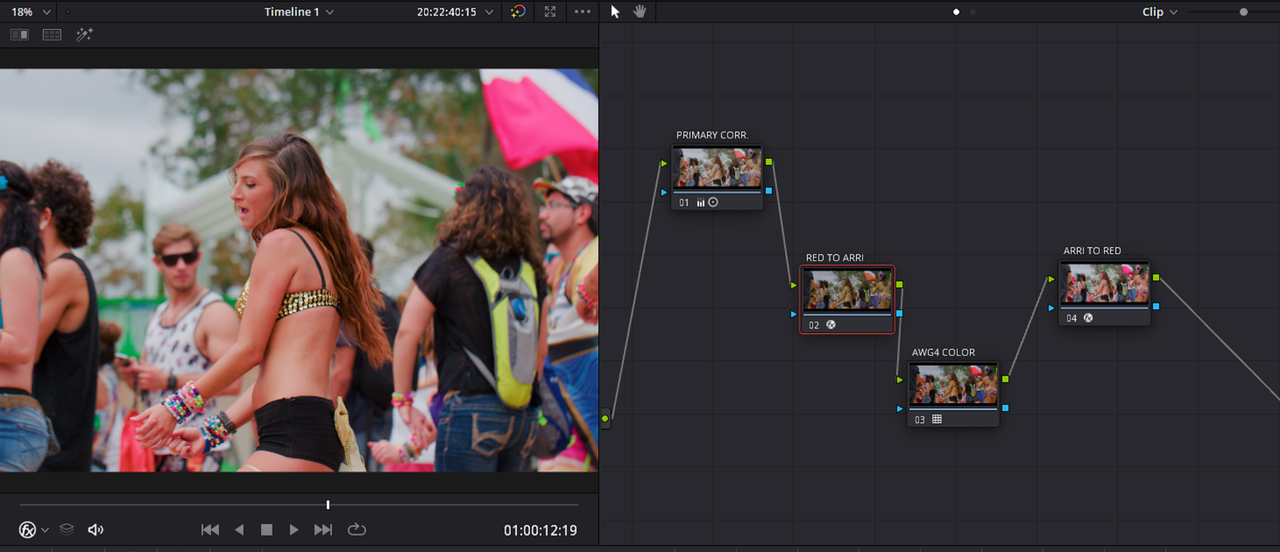
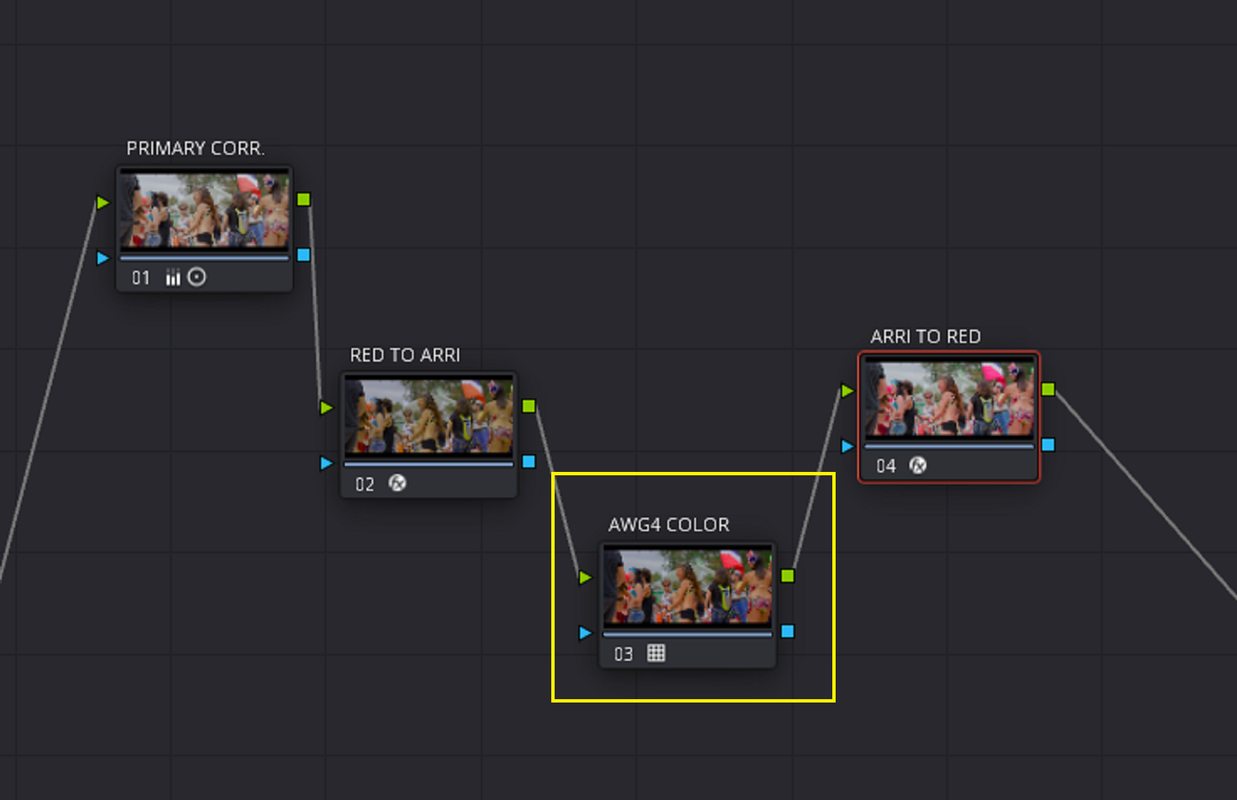
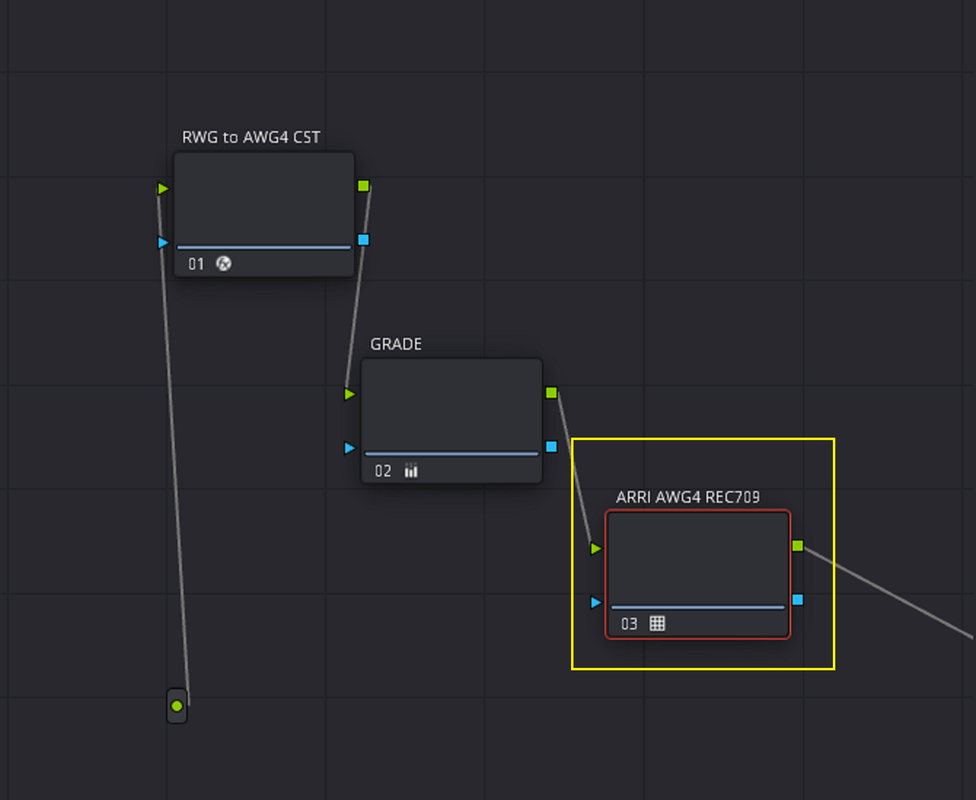
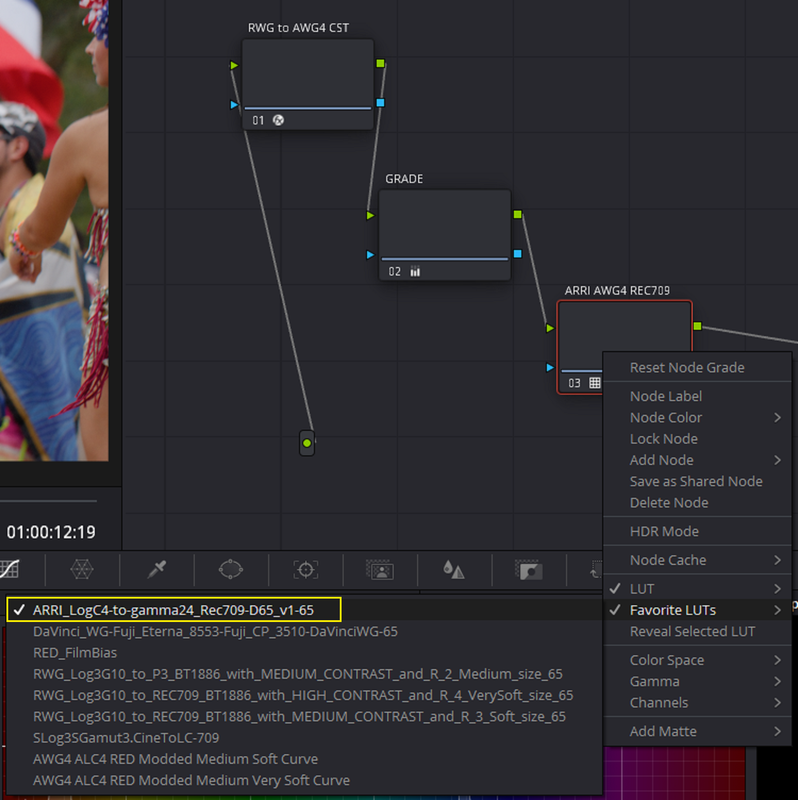
I think the notable thing is what I'm showing here isn't just a CST either, I have actually fully recreated ARRI's Reveal Color Science and broken it apart to be able to evoke those features or not just in case I ever need to actually apply it to anything else moving forward or reverse it if need be. The reversal being something that shouldn't be done as going backwards would be pretty hard given what they are doing. Perhaps illustrating the shear value of always working in a camera's ideal color space and log curve, even making a much larger reason for that matter to even shoot with cameras that are actually RAW as well if you take that thinking process further.
I don't exactly ever shoot anything directly into R.709 or any other delivery color space, but if you do, you better mean it at this point. We've known this for years btw, but I still see people trying to go backwards, likely to bandage a situation, but not always.
I'll spin on a tangent for a second related to this.
For those reading this thread. General advice is:
Shoot in RAW if you can. Actual RAW isn't baking in anything to a degree. Not even the Color Space or potentially the LOG curve even depending on factors. A lot of RAW is actually encoded in a log space of some sort as mathematically as well as visually and workability-wise there's no current advantage to encode purely linearly, though you may have been told otherwise. Linear gamma is very important though as that is what is coming off the sensor and a known quantity.
The playbook on what actual RAW is messy as of 2022. We have a bit of everything. Manufacturers have generally agreed to bake in some sort of random noise into the image. You can do that afterwards and even do subtractive methods in post. RAW image data seems to be also well received for some sort of log encoding as it's efficient and thus far on any camera pure linear won't net you anything.
I have seen some presentations regarding posterization via log or linear encoding of camera data, upon very literally taking to a podium and looking at those files myself that was indeed hogwash as I properly illustrated the correct color workflow rather than pushing an agenda.
Actual RAW you still have access to the Bayer Pattern, many RAW formats with "RAW" in the name no longer do that. That both puts people in a box and in the worse case is actually chroma subsampled losing subtle color information.
Noise Reduction on the image data is a fascinating discussion now. Spatial and Temporal techniques are destructive and at their worst costing you color and texture/detail information. But the gains there are a cleaner image.
These points are mainly for people who care about such things. I'd say at this point that's about 15% max of the total market. Mainly big studios or those pushing things.
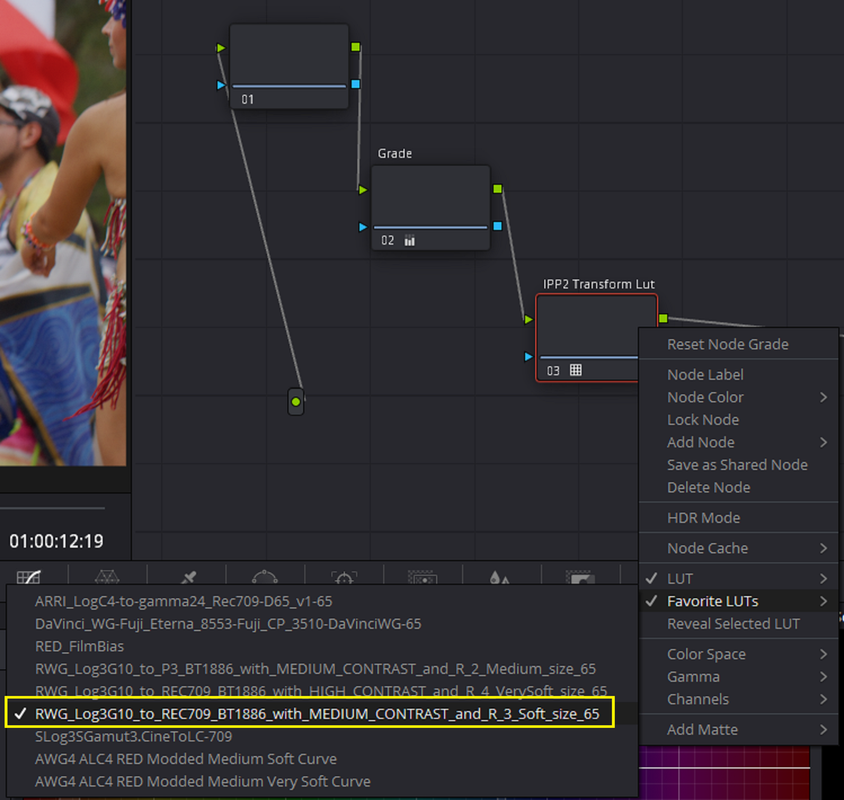
With RED being actual RAW, though compressed, where we are with data rates right now I can see some other creative codec implementation possibly and I do wonder if it's being considered. Likely a this decade thing for whoever does it. Might be a wash though as REDCODE RAW HQ right now is damn near uncompressed in practice though with the data rate savings of compressed data.
I also think that Raw or Raw-ish
patent