Welcome to our community

Be a part of something great, join today!

  • Hey all, just changed over the backend after 15 years I figured time to give it a bit of an update, its probably gonna be a bit weird for most of you and i am sure there is a few bugs to work out but it should kinda work the same as before... hopefully :)

Strange-clip-Monstro

Yes, but as been said by Phil and others, its best to get the correct exposure in the first place. This method should be used only as the very last resort if ever at all.

This image is, apart from a very specific and momentary scenario like a flash or passing through a sun ray etc. , in which case brightness is kept and image not pulled down, unusable and technically flawed.

It would not pass QC for anything serious, no one sane, with a functioning eyesight and free from heavy psychoactive compounds would shoot this and/or leave it without a re-shoot as the last resort, it is just a test to see how the camera handles overexposure in that particular light.

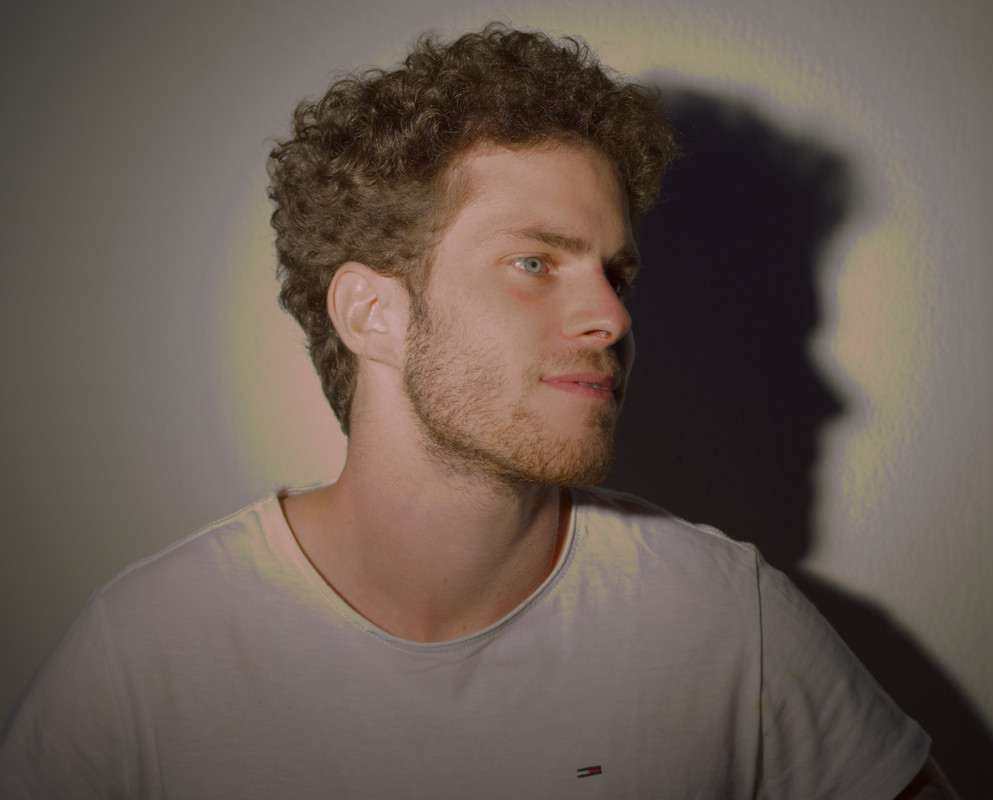
You are seeing a colored halo mainly because of the light source type, its brighness falloff and camera's highlight handling properties, where the center has peak brightness with camera clipping the channels at different light intensity. The tonal discrepancy which you increased by pulling the image down, enhancing the local contrast and saturation.

Banding you see is also caused by your image manipulation because a) you "stretched" the tonal range way beyond the usable density captured near the point of clipping and b) because you enhanced the tonal separation.
 
Good, interesting discussion.
So in the extreme exposure I could recover by moving the cooler temperature and correct the tint, and go to Davinci correcting the primaries.
Actually in this image the traffic lights were not lit yet, it was exactly before the green light was switched on.
. So I trusted.
So I realized that as soon as I see the traffic lights I can close 1 stop, doing so I have the signal with a lot of margin in post production.

I wonder, wouldn't it be better at this point to have the traffic lights that light up first?


As Hrvoje mentioned, you cannot "recover" what was never recorded. It is a fallacy to describe what is happening here as a "trick inherent in the power of R3D" which allows for 1+ stop highlight recovery. This is incorrect and gives the impression to Red shooters that the camera system is more robust than it seems. The more appropriate way to describe what we are seeing is that the camera is not showing us everything it is recording during acquisition. And if it is not being completely transparent in what it is recording then it follows that it is also not being completely transparent in what it is not recording.

The exposure tools like the RGB stoplights are supposed to give a definite "hard line" on where clipping occurs. The discrepancies we are are seeing in RGB levels, most notably in highlights, seem to be a function of the camera system's color science (meaning what compromises it is making to generate accurate colors from a high-rez Bayer sensor) rather than from other sources like lighting, contrast ratio, CMOS sensor design/theory, etc. Also notable is that even though detail seems to be brought back into play by Post shifting WB and then using primary grades to bring back skin-tone once motion is introduced your moving image will most likely appear wrong as there is not enough data points between recorded highlight ranges that are now being used as mid-tones.
 
Last edited:
So the deeper dive here. If you've made a CMOS based system what typically occurs is you do have access to more tonal information than color with your image data, more or less a property of the sensor technologies currently. Also meaning you lose color first when clipping. This HEA method is attempted to tap into what is potential their with an educated guess to retain detail when detail is traditionally lost. For those of us spinning our own raw development tools with things like DCRAW or a some other library you stumbled across this early on. Interestingly a few still raw processing software packages can illuminate some of these depending on the image, camera, and format.

Just on a camera side of things, you guys know I test DR and all sorts of stuff a whole bunch. To ensure that we are focusing on what the camera does I go based off of the clipping sensor data reported in camera for everything I test. The interesting thing here is that there could be recoverable information that you potential can do something with in these extreme circumstances.

The end user and more importantly filmmaker shouldn't care about this too much as the goal should be nice and optimal exposure practices. Though part of this is recovering potential information, I imagine the correct term would be extending the information, this can lead to some very pleasing highlight roll-offs when working with specular materials that have little clipping bits and bobs. Equally apparent though if pushing the image around a bunch without tending to it, you can get some weird stuff. More or less why I'm beating the hopefully very alive horse of exposing properly with concerted effort.
 
Could also make for some stellar B&W advantages too! (Doubly so because noise on the low end tends to look much nicer monochromatic too.)
 
Last edited:
FWIW, the newer sensor tech offers an excellent S/N ratio so protecting the highlights a bit is no longer an invitation to noise-ville. While I do NOT recommend underexposure, there are times I will ND down to protect highlights even when I know I'll have to lift midtones a bit in post. Each scene is different, YMMV.

Cheers - #19
 
So the deeper dive here. If you've made a CMOS based system what typically occurs is you do have access to more tonal information than color with your image data, more or less a property of the sensor technologies currently. Also meaning you lose color first when clipping. This HEA method is attempted to tap into what is potential their with an educated guess to retain detail when detail is traditionally lost. For those of us spinning our own raw development tools with things like DCRAW or a some other library you stumbled across this early on. Interestingly a few still raw processing software packages can illuminate some of these depending on the image, camera, and format.

Just on a camera side of things, you guys know I test DR and all sorts of stuff a whole bunch. To ensure that we are focusing on what the camera does I go based off of the clipping sensor data reported in camera for everything I test. The interesting thing here is that there could be recoverable information that you potential can do something with in these extreme circumstances.

The end user and more importantly filmmaker shouldn't care about this too much as the goal should be nice and optimal exposure practices. Though part of this is recovering potential information, I imagine the correct term would be extending the information, this can lead to some very pleasing highlight roll-offs when working with specular materials that have little clipping bits and bobs. Equally apparent though if pushing the image around a bunch without tending to it, you can get some weird stuff. More or less why I'm beating the hopefully very alive horse of exposing properly with concerted effort.

I think its a bit wrong to say ”Extending information” at best you are making good use of whats captured.

A cmos raw capture can be shown in many ways but you need to involve AI or such and look around corners before that info captured is extended, no?
 
I think its a bit wrong to say ”Extending information” at best you are making good use of whats captured.

A cmos raw capture can be shown in many ways but you need to involve AI or such and look around corners before that info captured is extended, no?

I'm mostly stating that as it's called the Highlight Extension Algorithm, but yeah you are correct by saying it's good use of whats captured. This is one of those there isn't an official term yet things really outside of what RED is calling their technique.
 
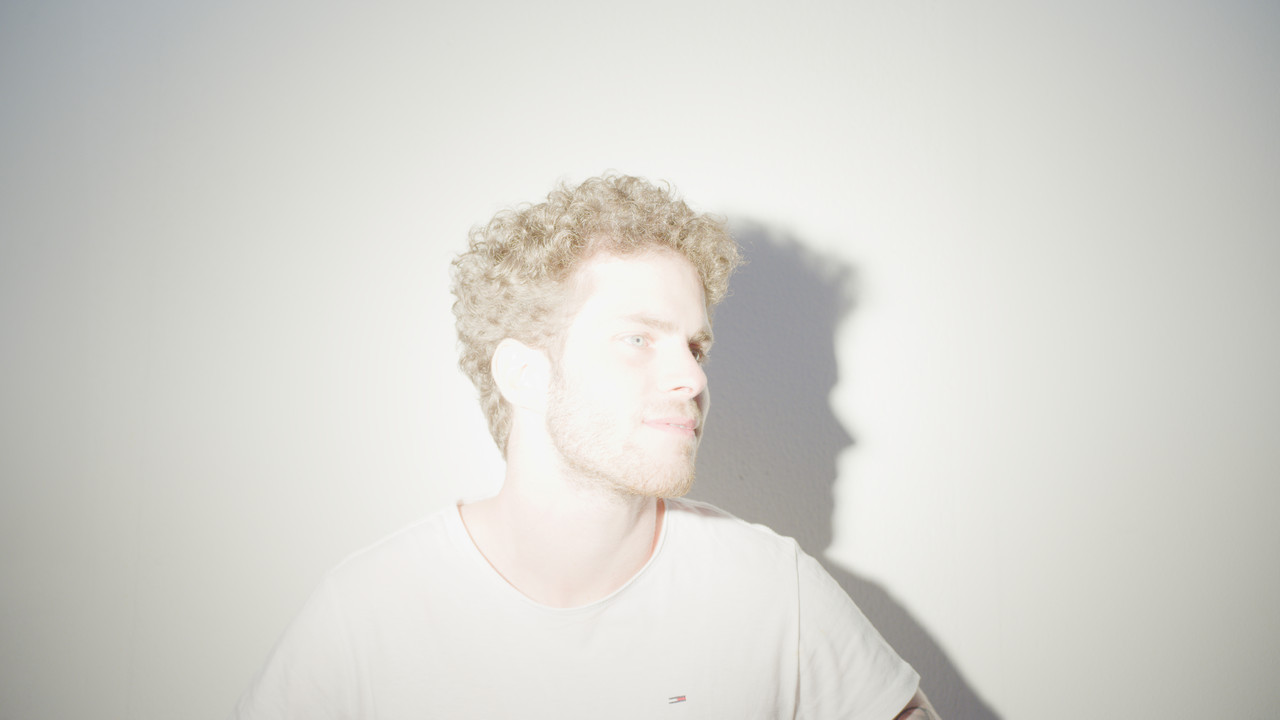
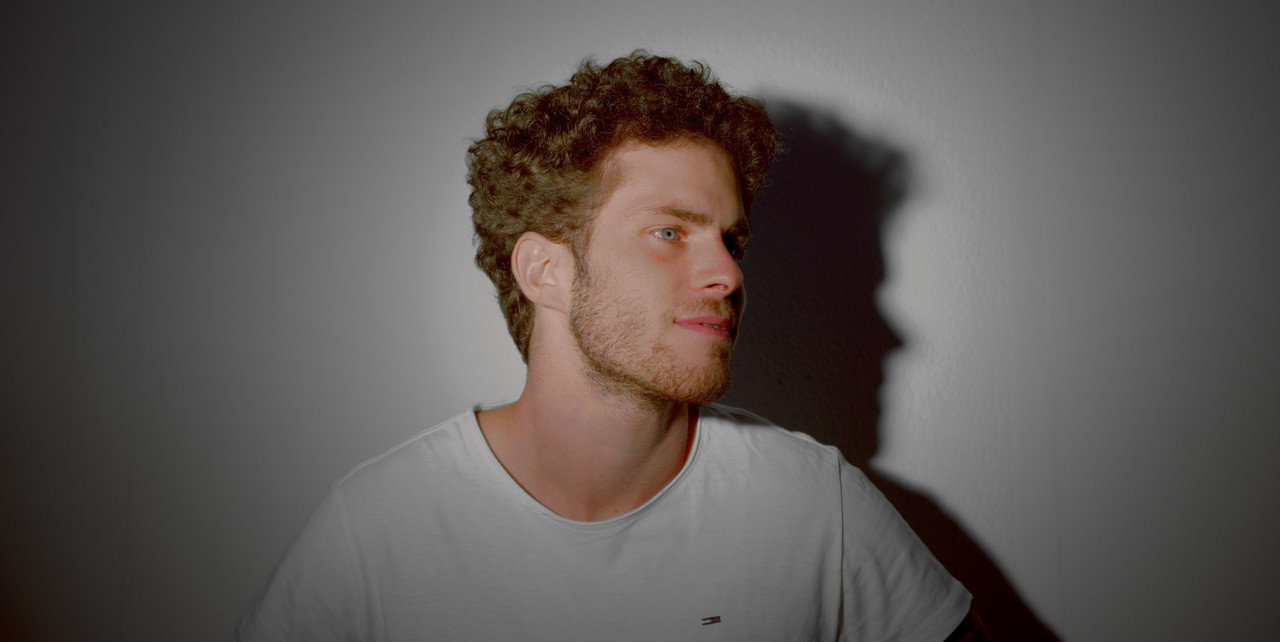
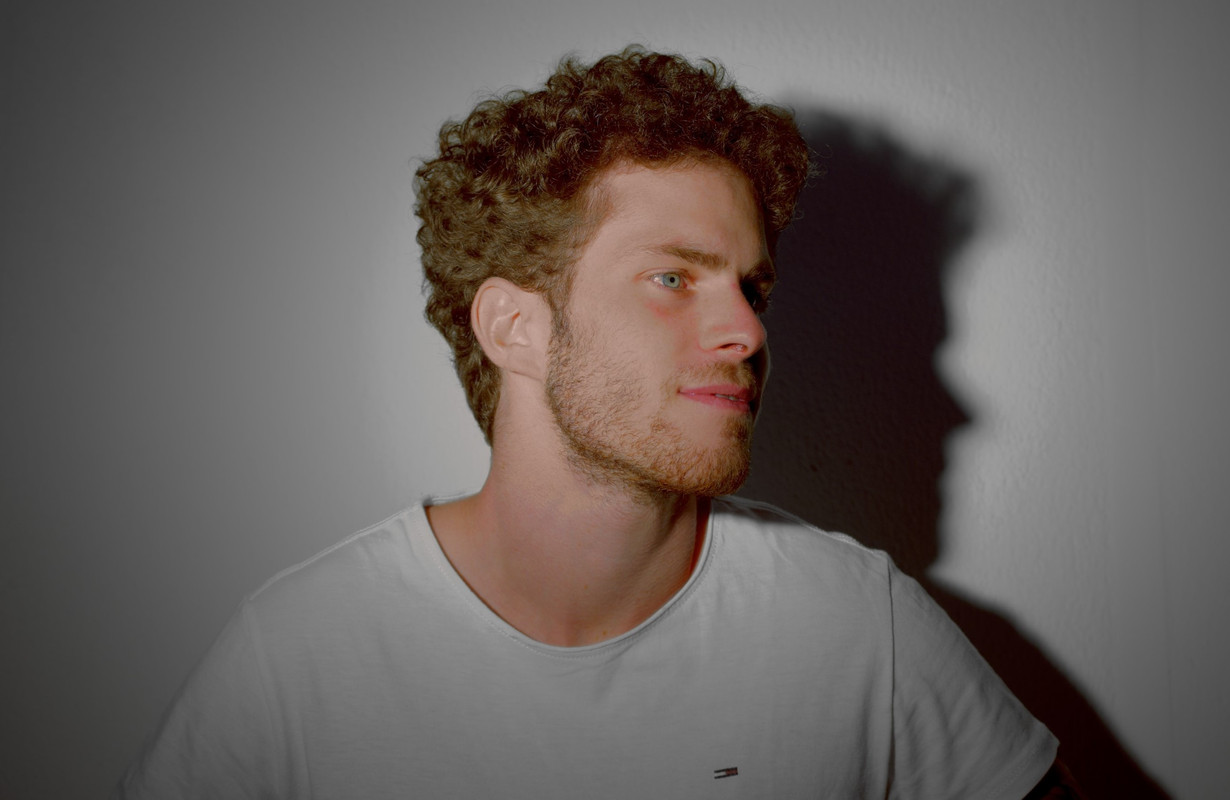
One last attempt before I get "Run out of Town", I had to do "the dirty", something I said I wouldn't do again, and power window and qualify the green halo away.

A010-C057-07112-G-0000000-F-0000000.jpg


A010-C057-07112-G-0000000-F-S000-00000002.jpg


Luigi-Guy-Against-wall-1-1-42.jpg


Luigi-Guy-Against-wall-1-1-43.jpg
 
Last edited:
As Hrvoje mentioned, you cannot "recover" what was never recorded. It is a fallacy to describe what is happening here as a "trick inherent in the power of R3D" which allows for 1+ stop highlight recovery. This is incorrect and gives the impression to Red shooters that the camera system is more robust than it seems. The more appropriate way to describe what we are seeing is that the camera is not showing us everything it is recording during acquisition. And if it is not being completely transparent in what it is recording then it follows that it is also not being completely transparent in what it is not recording.

The exposure tools like the RGB stoplights are supposed to give a definite "hard line" on where clipping occurs. The discrepancies were are seeing in RGB levels, most notably in highlights, seem to be a function of the camera system's color science (meaning what compromises it is making to generate accurate colors from a high-rez Bayer sensor) rather than from other sources like lighting, contrast ratio, CMOS sensor design/theory, etc. Also notable is that even though detail seems to be brought back into play by Post shifting WB and then using primary grades to bring back skin-tone once motion is introduced your moving image will most likely appear wrong as there is not enough data points between recorded highlight ranges that are now being used as mid-tones.


thanks Adrian,
what you say I really like.
 
interesting discussion, gents.

to add on what others have posted here, here's an interesting curveball when it comes to debayering digital RAW data with a given CCT setting, take a look at this video posted by another user on a different forum:

[video]https://www.dropbox.com/s/f08latv4u3cp78x/CameraPlotting.mp4[/video]


to explain what you are seeing: the exact same frame of RAW data developed at CCTs between 2000-6500. All three cams shift the data quite a bit.

AD
 
to explain what you are seeing: the exact same frame of RAW data developed at CCTs between 2000-6500. All three cams shift the data quite a bit.

All of these sensors are different and see light and color differently and not to mention from separate manufacturers, they are performing pretty much how I'd expect actually. You could match them from here for sure, but the more interesting story that tells is color volume.
 
apologies gents, I forgot to mention:

this is under monochromatic light, hence the image should not shift at all when developed with a different CCT, but as one can see this occurs to all three digital sensors.

Another interesting observation is how the out-of-gamut points are handled (Red trims, Arri does not) and how the points inside the gamut shift - they should not at all, but the two RED sensors seem to shift a bit more which may go in addition to what was reported earlier in the thread, although I do not recall which sensor was discussed.

AD
 
monochromatic light

Monochromatic light still represents a color and the sensors will all react differently, i.e. what they see/interpret, as well as the underlying colorimetry of the whole system.

It is indeed interesting what's happening at the far ends.
 
Monochromatic light still represents a color and the sensors will all react differently, i.e. what they see/interpret, as well as the underlying colorimetry of the whole system.

yes, each of the three sensors will map each color point differently.

But since it is the same RAW frame for every CCT setting for each camera and CCT in theory never affects monochromatic light, the color points for each of the three cameras should never shift in any of the 2000-6500 settings.

what this data indicates is that these cameras do not properly capture monochromatic light and the heavy processing that is done on digital images pre/post debayer, which can make image development unpredictable or unintuitive which is what I interpreted from some of the earlier posts here in this thread.

AD
 
The sensors themselves have their own unique preference to a, and I use this term loosely, native white balance. Monochromatic light and any light for that matter will be interpreted.

I don't think ideally capturing images around the approximate white balance as intended would be viewed as unpredictable, but who knows. Maybe we're all just getting really lucky out there.

Though raw is empowering in many ways, best practice is always going to be getting it approximately close in camera. Exposure, white balance, etc.
 
Back
Top