Mike P.
Well-known member
All RED have claimed is that ISO2000 on Dragon is "as clean" as ISO800 on MX. That's presuming you've properly exposed at either of those ISOs. Truth is, MX and Dragon are clean enough at pretty much any ISO, as long as there is enough light hitting the sensor (so you aren't boosting signal in the shadows that was never recorded in the first place.)
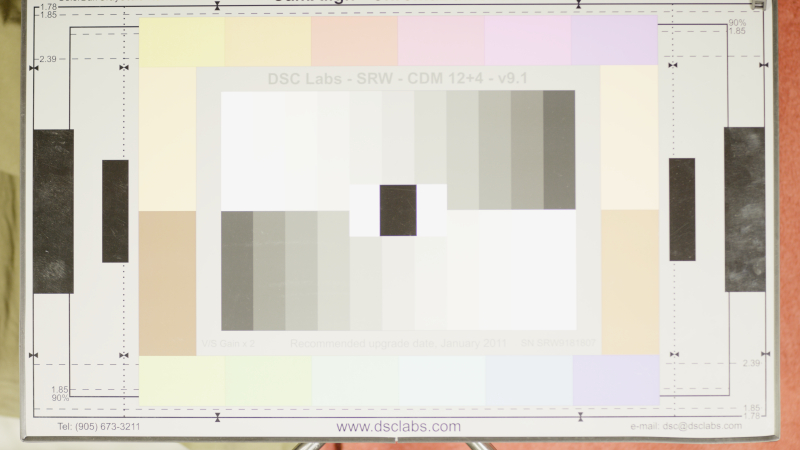
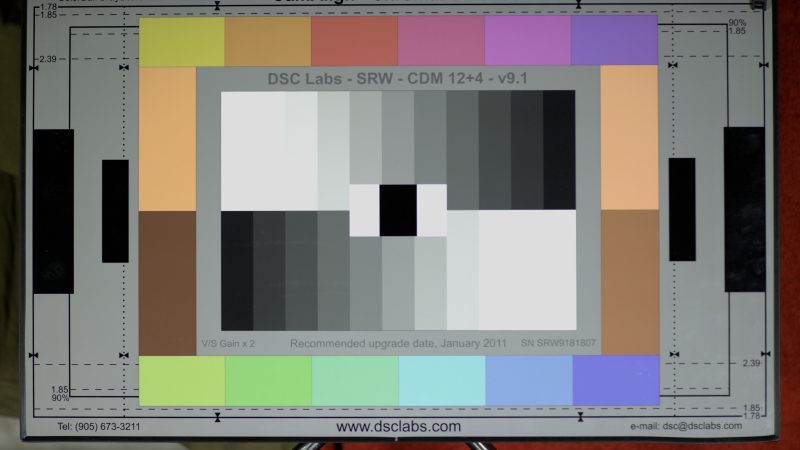
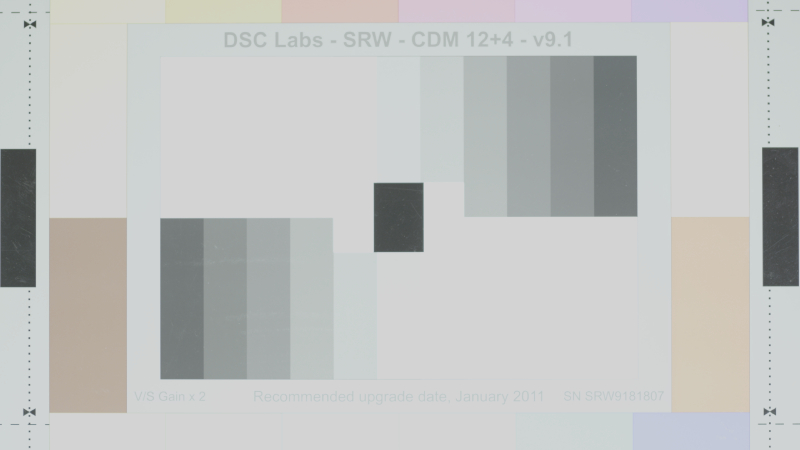
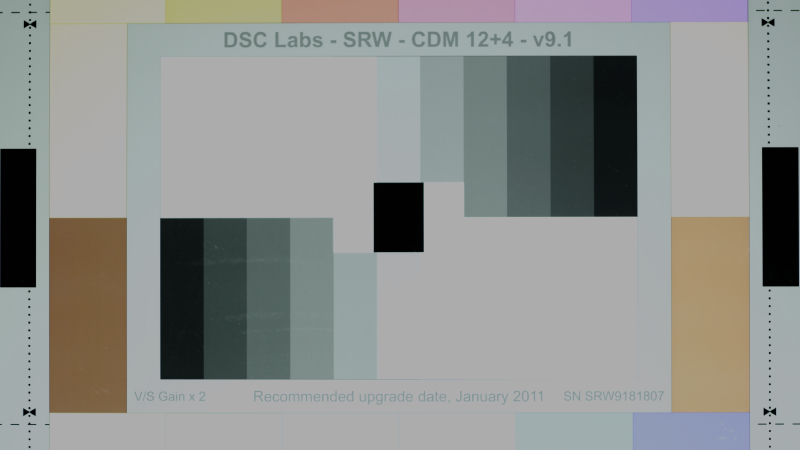
In the example you referenced, there were no highlights -- it was massively underexposed to see how the new and old OLPF handle noise. Clearly the new OLPF takes a stop off the bottom and puts it on top, hence why it's low-end is noisier than the old OLPF. Personally, I think that's definitely a step in the right direction (pun intended), and I kind of wish they could do the same thing with MX.
As for the MX being 13.5 ('when it isn't'); there have been a couple of third party tests that questioned that value (Ryan E Walters being the only one I remember off hand). In those tests, Alexa was measured at ~16+ stops scientifically, but only ~13+ realistically useable (which seems to hold true then and now), while MX was measure at 12.5 stops, but only ~10 or so realistically useable (which also seems confirmed, if Dragon is claiming 16 but has ~14 or so useable, while still being clearly 3+ stops above MX). In the case of MX, it was *heavily* weighted to the low end, which made it's highlight retention look meagre... but everyone has known that for a while, and hence exposes at a higher ISO to protect highs when necessary... And the new OLPF of Dragon seem to do just that inherently (even out the over/under stops).
Edit: My numbers were off, so memory didn't serve, apparently. Here is one of the articles I was referring to (note that "useable stops" is subjective, and the author tried to be conservative). http://www.ryanewalters.com/Blog/blog.php?id=8375868975844575706
Last edited: