Welcome to our community

Be a part of something great, join today!

  • Hey all, just changed over the backend after 15 years I figured time to give it a bit of an update, its probably gonna be a bit weird for most of you and i am sure there is a few bugs to work out but it should kinda work the same as before... hopefully :)

Noise on the low end but even worse scary megenta lines

Status
Not open for further replies.
What if those window blinds were cloud detail? That's been my challenge - holding the clouds while getting noise free shadows and color fidelity under the trees. The OP's image is typical in DR range to my landscape and wildlife work and his RAW histogram is not abnormal. If I expose the shadows over 15 IRE to reduce noise then the cloud detail is gone. Clipped is clipped - whether on MX or Dragon there is no recovering highlights in post once they're clipped. Using the +15IRE method is not close to 16+ stops of DR so I know a fix is on the way. RED has always come through in the past - this is their flagship product so they will come through again.

Do you need the clouds? That's the point Mark is making. If it's not vital, let it blow in the name of getting a better, noise free shot. Otherwise, augment the interior levels. If you look closely at films and tv series, the sky is blown out a lot. It just isn't that important in terms of the overall shot. I think we're trying too hard to not clip and ultimately it costs us on the opposite end. Personally I hate noise so I'd let the clouds go if it meant a cleaner shot...

Yes, the noise really shouldn't be there in my opinion. I really miss the old olpf/calibration in that regard.
 
This is an ancient defect in RED cameras. The only difference is that it's precisely backwards in Dragon from MX (and definitely better).

What used to happen in MX is if you overloaded a pixel in a row it would gain suck all the other pixels in the row making a dark streak. This was really really bad with horizontal floros. Point your MX at a flourescent light that's horizontal in frame. You'll get a really ugly black streak. With Dragon the exact opposite happens if one pixel in a row of pixels is overloaded the entire row gets brighter with leakage down the entire row. So what you're seeing is the blinds are clipping and leaking into the entire row of pixels.

Theoretically it's fixable by RED but it would require a bit of image processing smarts to identify clipping pixels and apply a negative gain to the entire pixel row. Maybe I'll write a nuke gizmo this weekend to minimize the effect.

You can also see this effect in Stacey and I's dynamic range test: http://www.reduser.net/forum/showthread.php?117540-Dragon-Dynamic-Range-Test-21-stop-chart Note the MX has a black horizontal band from the clipped chart and Dragon a white flare. Although looking at this test it looks like MX flares black to the left and white to the right. And Dragon flares white to the right and black to the left. I know I've seen MX black flare to the right though so I think that might be a fluke in our DnR test.
 
The magenta lines.

I think This is light going through the lens, hitting the OLPF being reflected onto the back of the lens and then being thrown back at the sensor. These are internal reflections. If you move the camera up or down they will move and he reflections will change accordingly.

As Mark said, there is a piece of glass in there and that glass has a reflective quality, marry that with the internal glass from the lens and you do create opportunities for this kind of situation.

If you slightly repo the blinds or the camera those will move or disappear.


Battistella
 
@Mark
I'm a bit slow here so please bear with . . . Basically expose your shadows above 20IRE to be sure they are clean and let the highlights clip if necessary? I would have exposed the OP shot close to what he did - the Stop Lights were on since the blinds are already clipping. I know this is not the final Dragon 16 stop DR build we are working with here - not beating a dead horse - just trying to understand what to do in the meantime since work goes on and I don't want to lose shots based on rules of thumb (800ISO + No Clip) that might be dated. Seems like now it's 250ISO and E way TTR and let it clip if you gotta to save shadow detail and fidelity. True?

The question is to you more than for me,
Do you need information in the tops of the blinds. ?
When shooting a 35mm film job you most certainly wouldn't have cared about the highlights clipping, why worry about exposing for them now.
You can see in your histogram that you pulled short of clipping the blinds, but did not care about the 2 stop under exposure of the girl. Clipping of a super bright objects like a burnt out blind is the least of your problems within the shot, so why expose for it. Remembering that the other 95% of your shot is more considered as being most important.

So whats more important is the question. Noise all over your talent or a well exposed blind ?

Your histogram tells all, If the hight light should be blown out, let it... No need sacrificing the rest of the shot for it. If you want both shoot HDR.
 
Last edited:


Thanks ZEB. I have a little theory going now that the lower the compression the more likely you can see more noise. I'm still testing it. It's just the resolving power is so good that when you use less compression you might also be resolving the noise better.

I'm going to run a bunch of tests between 11:1 and 6:1 this week.

Battistella
 
Do you need the clouds? That's the point Mark is making. If it's not vital, let it blow in the name of getting a better, noise free shot. Otherwise, augment the interior levels. If you look closely at films and tv series, the sky is blown out a lot. It just isn't that important in terms of the overall shot. I think we're trying too hard to not clip and ultimately it costs us on the opposite end. Personally I hate noise so I'd let the clouds go if it meant a cleaner shot...

Yes, the noise really shouldn't be there in my opinion. I really miss the old olpf/calibration in that regard.

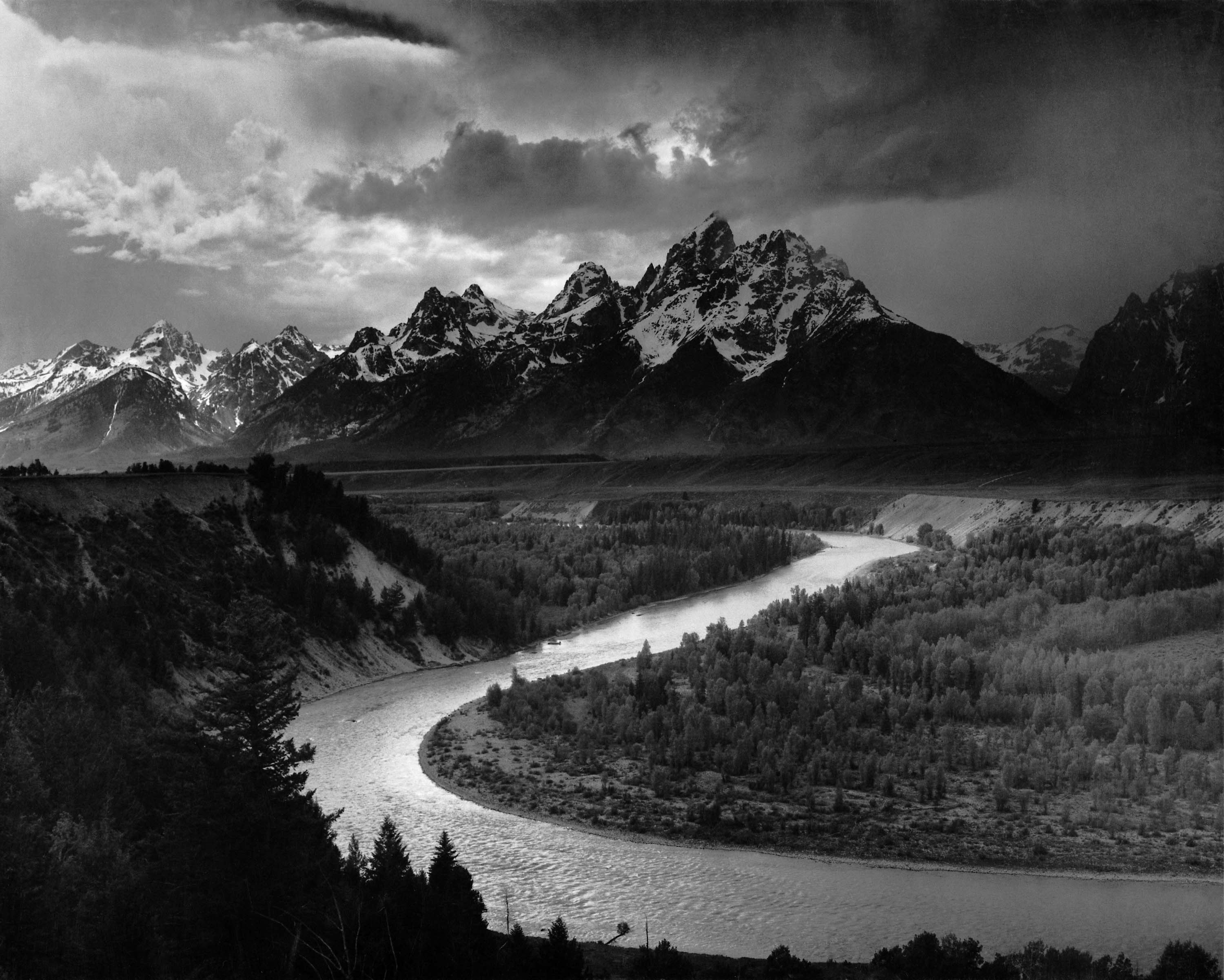
If we were able to ask Ansel Adams which 2 zones of the Zone System he wants to give up on his landscape print then the answer would probably be "none" ;-)

In landscape work, clouds and shadow detail are of equal importance. Just crushing out the bottom 20% or blowing out the top is not always an option. If you try to pull and print to paper a clipped frame you will get paper white - which is a fine art no-no

I'll be shooting way more carefully now until we get a fix - limiting my DR in-frame so I can lift the shadow IRE when able. Not always possible.

To avoid my own confusion I am disregarding the discussion of ISO Rating and just thinking about minimum shadow IRE of around 15IRE since there is no love below that light level on my camera

Edit: @Mark et all, you all think like Hollywood feature guys. Sometimes the entire frame is the "talent" since there is no movie star or product to key on. We need all 11 Zones to be reproduced without compromise. Period. A camera that cleanly records 16+ stops of DR is in fact HDR. We're not there yet but if anyone can do it - it's the fine Engineering Team at RED
 
Last edited:
If we were able to ask Ansel Adams which 2 zones of the Zone System he wants to give up on his landscape print then the answer would probably be "none" ;-)

In landscape work, clouds and shadow detail are of equal importance. Just crushing out the bottom 20% or blowing out the top is not always an option.

I'll be shooting way more carefully now until we get a fix - limiting my DR in-frame so I can lift the shadow IRE when able. Not always possible.

To avoid my own confusion I am disregarding the discussion of ISO Rating and just thinking about minimum shadow IRE of around 15IRE since there is no love below that light level on my camera

Edit: @Mark et all, you guys think like Hollywood feature guys. Sometimes the entire frame is the "talent" since there is no movie star or product to key on. We need all 10 Zones to be reproduced without compromise. Period

Ansel Adams didn't shoot moving pictures. He didn't have people in frames, no movement. Static shots of landscapes. So he can tailor his exposure however he wanted to and in those scenarios, the low end is of less concern to his images.
Adams_The_Tetons_and_the_Snake_River.jpg

Put a person near the bottom of that frame and they are terribly underexposed for that exposure. So he would either need to augment or open up his exposure to compensate if he wanted the subject exposed properly...

I would also point out that there are some clipped highlights in his famous shot of half dome:
Monolith-The-Face-Of-Half-Dome-Yosemite-National-Park-1927.jpg


Christie_s_Ansel_Adams_California.jpg


Some clipped leaves and crushed blacks:
105%20Aspens,%20Northern%20New%20Mexico%20(1958).jpg
 
Love you Matt! Still need all 11 Zones since that is the Dragon promise and competitive edge

BTW: I took that Snake River shot - fuqin trees grew since Ansel did it!! Pretty sure that the original Ansel print of Half Dome is not clipped like the shitty JPG is ;-)

Edit: you added a couple more JPG's . . . same thing applies - doubt if the original Ansel prints were crushed and clipped like the internet crap we have become used to. Ansel was a bit OCD when it came to detail at the extremes of exposure. I've taken a fine art workshop or two with some of his students at instructors. One of these was conducted at his house in Yosemite. Nice pad . . . the view from his front yard is of Yosemite Falls.
 
Last edited:
Love you Matt! Still need all 11 Zones since that is the Dragon promise and competitive edge

Agreed, I'm just saying it isn't necessary to capture an entire range in a single shot with subjects that need to be exposed for, like the OP's image. In his image the window is of little importance, so therefore he could open up and get a better exposure on the subject.

My wish is that the Dragon low end would be noise free. One of the reasons I liked the old olpf. Until it gets cleaned up it's hard to even get near the full DR of the dragon without some heavier post work. I also think Redgamma 4 could be tweaked a bit. It's great for placing mid tones, but it is too heavy handed on crushing the low end.
 
Ansel Adams didn't shoot moving pictures. He didn't have people in frames, no movement. Static shots of landscapes. So he can tailor his exposure however he wanted to and in those scenarios, the low end is of less concern to his images.

Not to get off topic from this thread, but Ansel did indeed shoot portraits and a variety of other subjects.

780px-Ansel_Adams%2C_Portrait_of_Tom_Kobayashi_at_Manzanar%2C_1943.jpg


Though he is more known for his striking landscape work where he both in capture and in the dark room danced a fine line between a photograph and a very illustrative quality.

I'm often curious what some of the older well known guys would have done with modern tools and digital "opportunities".

of course he shot people. I'm using landscapes as an example since Zeb stated shots without people in them. Look at the crushed low end on that shot by the way.. I like it, I'm just saying Zeb wants the entire range in a single frame much like an HDR shot and that isn't always possible with people in frame.

Agreed, I'm just saying it isn't necessary to capture an entire range in a single shot with subjects that need to be exposed for, like the OP's image. In his image the window is of little importance, so therefore he could open up and get a better exposure on the subject.

P.S. this is how I would have exposed the OP's image in camera:
GirlExposed.jpg
 
16+ Stops of clean DR is HDR. The OP shot falls within that range but the bottom couple stops are full of noise. Once that gets cleaned up then we are all very happy.
 
16+ Stops of clean DR is HDR. The OP shot falls within that range but the bottom couple stops are full of noise. Once that gets cleaned up then we are all very happy.

I agree, hence why I've jumped on anyone saying Dragon has 16+ usable stops, because at this point, it is not true unless you do some heavy work on the images. It has plenty of DR, just tired of the deception that you can get it all without any work in a single shot. Time and time again that has been proven untrue here on Reduser in real world tests...
 
Fuqin REDuser . . . I have to be at Sir Vincents "Directing Motion" workshop today at 8:00AM :-(

Looks to be a good show. He is a master of putting himself in the center of things

http://vimeo.com/92972956
 
Yeah it's weird how the old OLPF was fantastic all around but lacked in the highlight department a bit and vice versa. Some how getting the best of both is what's needed to totally unleash dragon. Choosing to shoot at 250 ISO is not possible on many productions. I still think the native sensor rating needs to live up to that 2000 ISO mark. Anything under 800 is a HUGE disappointment in my book.
 
Yeah it's weird how the old OLPF was fantastic all around but lacked in the highlight department a bit and vice versa. Some how getting the best of both is what's needed to totally unleash dragon. Choosing to shoot at 250 ISO is not possible on many productions. I still think the native sensor rating needs to live up to that 2000 ISO mark. Anything under 800 is a HUGE disappointment in my book.

Anything under 800 is a step backwards vs Epic. We can't afford to shoot with an ISO 250 camera - the money is just not there for that anymore. You get to a point where light rentals crew and time are so much more that it is much cheaper to shoot with Alexa or an F55 - this is math many people will do, and Red needs to get on it, and stop telling us to shoot with more light, lower ISOs etc. Even if I wanted to, I can't.
 
Yup, not wanting to be a dick about it but the way to approach it is for RED to not ship cameras that are not tested fully.

Sure. 100% agree.
But I wonder if it is maybe a way to approach this particular thing that could be workable if it occurs, without entering Nuke-land.
More like a compensation LUT in resolve.

But I haven't seen this enough to have a 100% idea.

Love the image AND the texture, BTW.
But that is just me :)

And I cranked the example-image up a bit, just to show that most of the streaks are gone in a quick pre-grade.
 
Last edited:
Status
Not open for further replies.
Back
Top