So apparently the aliasing was introduced by the h.264 compression.
I think the 7D's aliasing is caused by pixel binning on the sensor so HDMI out would contain the same

Follow along with the video below to see how to install our site as a web app on your home screen.

Note: this_feature_currently_requires_accessing_site_using_safari
So apparently the aliasing was introduced by the h.264 compression.
Resolution chart (h.264) http://www.vimeo.com/6870473

Thanks for that link! Very interesting, and informative. On this particular test chart, I do not see much jaggies and I see only moderate problems with fine vertical lines. I do see some pretty strong green/magenta color aliasing on fine horizontal lines.

I think the 7D's aliasing is caused by pixel binning on the sensor so HDMI out would contain the same
The rest of the image looks very nice to me. Very "Red". But the right side of the trash can still shows some issues and you can only get a 720p out of it.

Looks like 160, 320, 640, are best for noise.


 ...
if only the 7d was full frame
So which are the ones with the most dynamic range and acceptable levels of noise?
So, considering the h.264 compression, perhaps it is best to get rid of noise in camera... right?
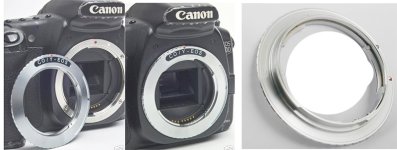
If you want a little cheaper the Zeiss Contax Yashicas primes are basically the same optically as the compact primes zeiss is selling now and can be used on Canon with a $20 adapter. If you really want to go cheaper the Zeiss Vario-Sonnar 3.5-4.5/28-70mm in C/Y mount goes for about $150 on ebay.

Hi Micheal,
what is the name of the adapter for Zeiss Contact Yashicas to Canon? Prefer Nikon but I'm guessing it wouldn't work because of the focal length - Nikon 45.5mm and Canon 44mm.
Thanks.
So when you select the ISO, do you get a little indicator as to whether you are in a "normal", plus 1/3, or minus 1/3 ISO?