Welcome to our community

Be a part of something great, join today!

  • Hey all, just changed over the backend after 15 years I figured time to give it a bit of an update, its probably gonna be a bit weird for most of you and i am sure there is a few bugs to work out but it should kinda work the same as before... hopefully :)

RED KOMODO my thought :)

Bjorn,


But you used the Panavision DXL2 lut to do it. That Lut works good some of the time with the Red Cameras but I stop using it because every now and then the colors would bite you in the ass.


BTW,

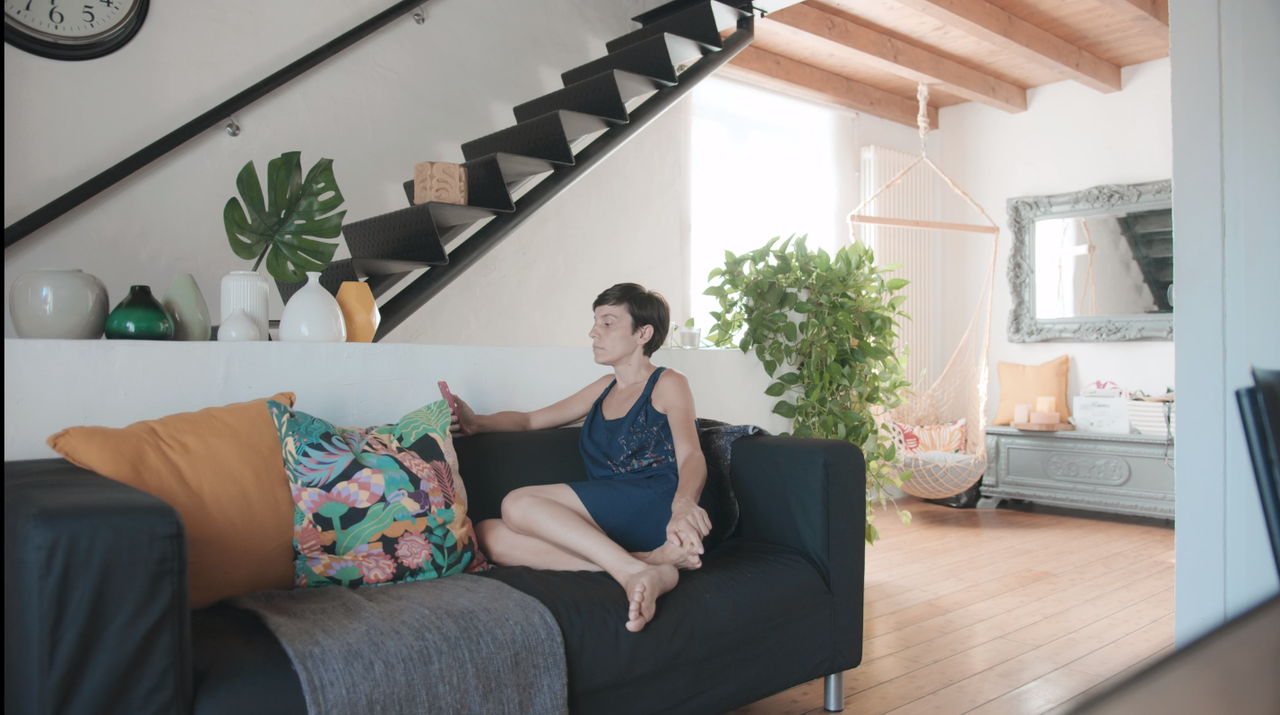
I still see magenta in the sofa and in her dress in your example in relation to the blue in the Arri example.

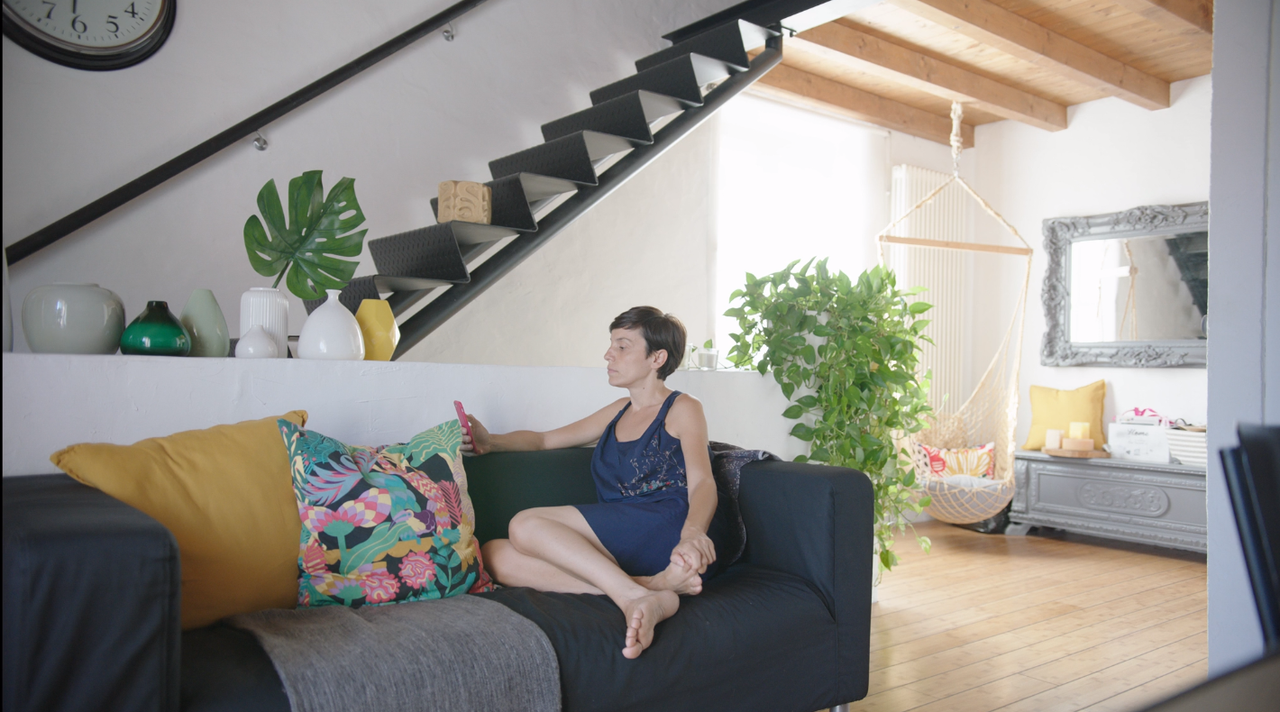
Arri Alexa Mini LF
Screenshot-2410.png


Screenshot-2410-2.png


Red komodo

Screenshot-2411.png


Screenshot-2411-2.png

I use the dxl2 lut alot but it does not make much different bus a slightly different starting point. Then I just balanced linear / pushed 2 point curves around if doing it more elaborate Im sure they can be match very well.
 
Bjorn

It's like you said, it can be resolved with maybe a combination of Primary corrections and one or more of the "Hue Vs" curves. But it just extra work that shouldn't really be neccessary.
 
So far it appears that the Komodo is what we hoped. RED IQ in a tiny, well priced body with global shutter. The major caveat IMO is frame rate limitations. I could see a scenario where you would own a Komodo and then just rent a Monstro when you need the VV look or extensive over cranking.

Cheers - #19
 
Just an example of a basic single node grade applied to each -


They could be matched better, but look alright in their own ways imo.

Thanks Luigi.
 
Last edited:
So a $6K camera vs a $??? Alexa? and it is essentially a draw in regard to IQ. Pretty good deal.
 
Going back to the initial DR test- was it done at ISO 800 becuase DR is greatest @800 ?
 
Just an example of a basic single node grade applied to each -


They could be matched better, but look alright in their own ways imo.

Thanks Luigi.

It is so interesting to see all those different takes on the same images. Different styles and different tastes of colour work. I am impressed by the Komodo image by Luigi (and also think it looks better than the Alexa image). It simply is more towards my taste of how I would define neutral. And I don't mean this as any criticism towards anybody else. Clearly Komodo is able to produce beautiful imagery, but it will not always be to every ones taste due to that the end result will be interpreted differently in the "development" process. This "post process" will also demand skill from the users to bring the most out of the camera. With more people enabled to buy into the RED pipeline, we will unfortunately also hear more criticism of imagery due to lack of understanding that the image coming from the camera, no matter how good it is, is a starting point for the final result.
 
Its not really like they are miles appart. With a bit of balancing Komodo looks like Alexa or Alexa looks like Komodo. Did not apply any sharpening here, and out of the gate the Alexa looks slightly more crisp, like the Komodo has a stronger olpf.

https://vimeo.com/446472497

The matching could be done more accurate for sure but this was just one node added and no qualifiers after the rec709 conversion trough dxl2 + ipp2 medium soft rec 709 lut provided by red.

I think anyone colonist should be able to get a perfect match within minutes, especially if you shoot a chart.

Bjorn, do you have a 33x33x33 copy of that dxl2 lut you can post?
 
It is so interesting to see all those different takes on the same images. Different styles and different tastes of colour work. I am impressed by the Komodo image by Luigi (and also think it looks better than the Alexa image). It simply is more towards my taste of how I would define neutral. And I don't mean this as any criticism towards anybody else. Clearly Komodo is able to produce beautiful imagery, but it will not always be to every ones taste due to that the end result will be interpreted differently in the "development" process. This "post process" will also demand skill from the users to bring the most out of the camera. With more people enabled to buy into the RED pipeline, we will unfortunately also hear more criticism of imagery due to lack of understanding that the image coming from the camera, no matter how good it is, is a starting point for the final result.

I think at this point the better digital image capturing systems are providing as clean a canvas to start painting on as motion and still film image mediums. What people do with those blank canvases will always be subject to fashion and taste and compromise to some extent. I like to play with the medium, but also like to let the sensor and colour science do most of the heavy lifting for the most part. What RED have achieved in that regard is pretty impressive imo.

Having said that, they're all still providing canvases that interpret the colours of reality you send to them through your lenses. In the examples above, you can see that most clearly in the multi-coloured pillow, her clothes and skin, the backlit leafy green plant and the yellow pillow in the background.

I don't think it's a bad thing that there are differences between the images at that level. If you had to match them for the sake of continuity, the image could go either way imo.
 
Tried a quick attempt at matching:

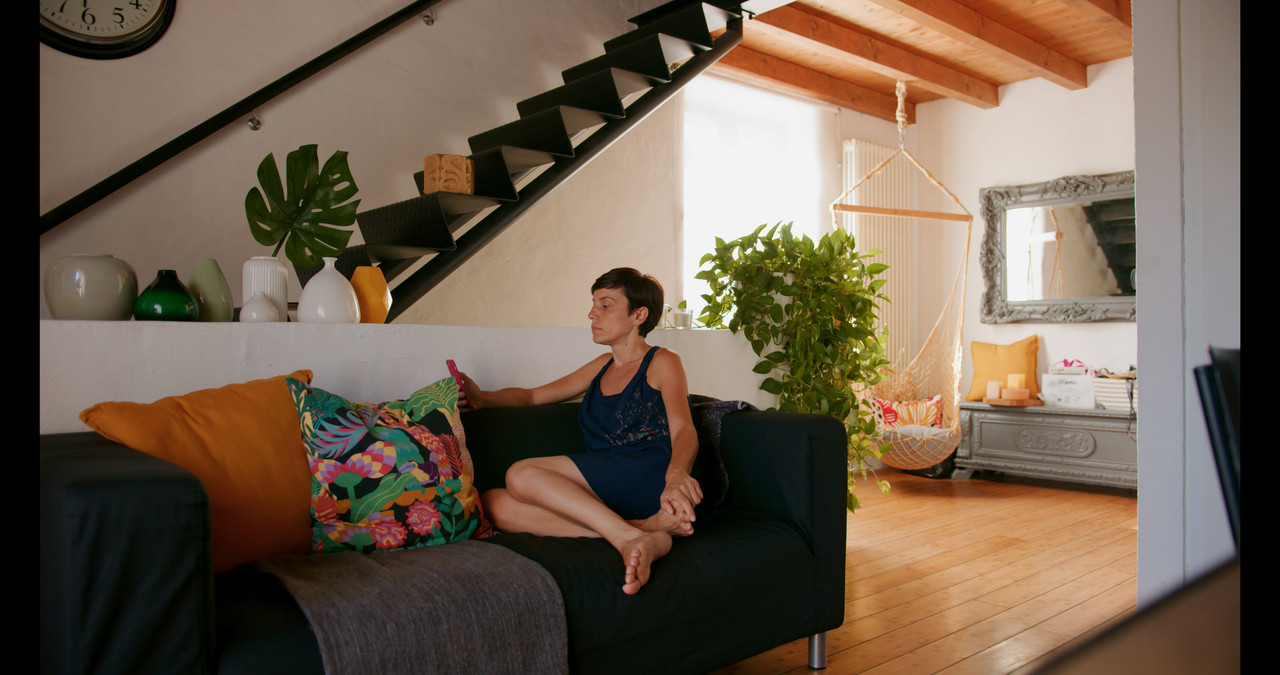
Komodo:


Alexa:


Ran both through the same node tree, processing both as ArriWideGamutRGB/LogC and only a matrix and a slight hue/hue adjustment to match Komodo to the Alexa. This is not a grade, per se. Just an example of a same-pipeline workflow. I could spend more time on it with more shot samples, but I think this goes to show how close these two cameras can look, very quickly.

For the sake of argument, here's both ran through Arri's standard LUT, processing both in Arri's color space/gamma with that same matrix on the Komodo footage prior to the LUT.

Komodo:


Alexa:


The interesting thing I noticed is that when the two are matched this way, any benefit that the Alexa might have had in highlight range is much less apparent because they roll it off into the highlights so smoothly. So if you're not trying to recover highlights much, then the Komodo can hang.
 
Last edited:
Luigi,


Arri sample with Highlights recovered against Red Komodo. I still see Magenta and Blue pop up in the "Neutral" colors of the Komodo when match almost identically against the Arri Alexa Mini LF.


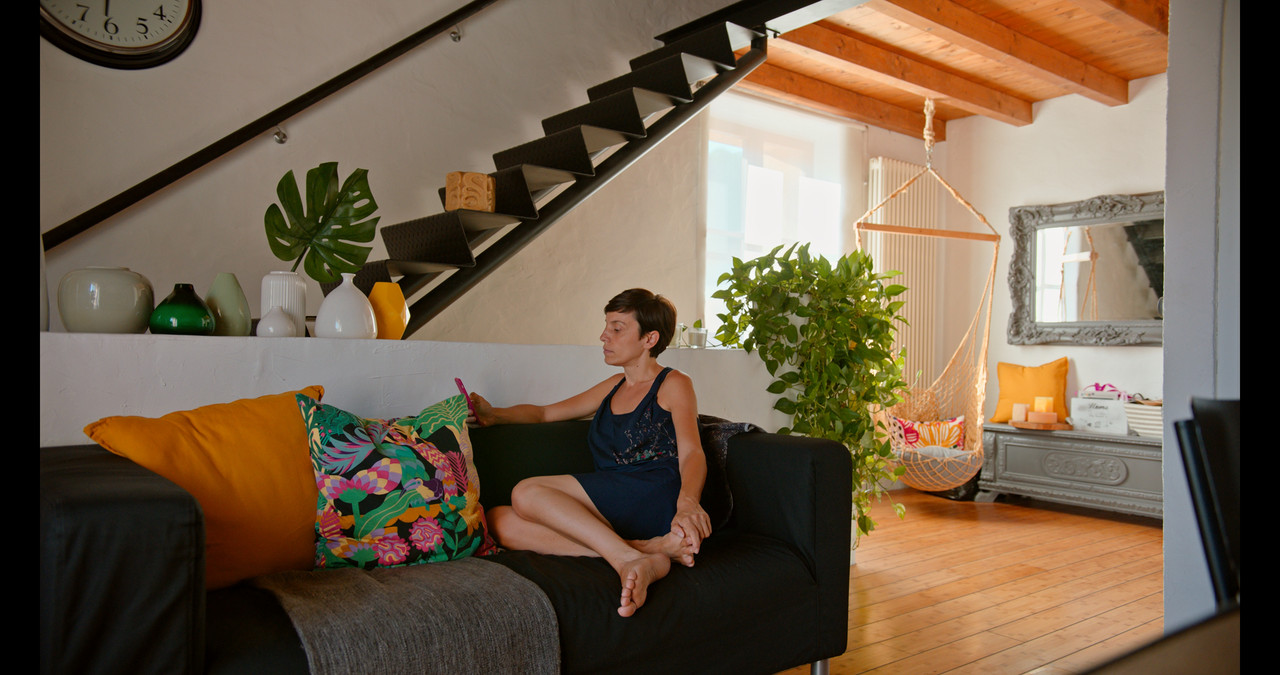
Arri Alexa Mini LF

arri-3-1-1-3.jpg


Red Komodo


red-2-1-18-2.jpg

Alexa Mini LF is blowing the Komodo away in these shots. Dynamic Range is far superior. Look at the Shadow detail on the couch, under the stairs and the highlight detail in the window. You can see detail in the highlights in the mirror on the Alexa, whereas they are all but lost in the Komodo image. The Komodo doesn’t even come close. It might not be what you want to hear, but gotta keep it real.
 
Last edited:
I think we need to be realistic here. First of all, this is a brand new sensor, and not derived from Helium, etc (as it's a global shutter sensor, so it's inherently unique). It's pixel pitch is different from any other RED sensor.

Secondly, obviously it's not going to have the DR of a Mini LF, which has the greatest DR of any camera on the market (and is also one of the most expensive).

RED has been pretty clear that Komodo will have good DR, but won't match even Gemini or Monstro.

What matters from this test is the fidelity. Komodo as a B cam appears highly gradable, and seems to match Alexa well out of the box.

That alone is going to be valuable to a lot of DP's and producers.

And...it has a global shutter (which for certain VFX and Green Screen shots, makes it a better option than an LF).

I can see Komodo being on lots of jobs (it's affordable enough that a lot of folks have access to it, and can bring it to set).

It's a small camera that can be very useful.

Not sure what there is to complain about.

Based on the Zyla charts posted, Komodo seems to be pretty much on par with Gemini and Helium for DR. Might be half stop difference. Exceptional for a camera in its price range.
 
Just an example of a basic single node grade applied to each -


They could be matched better, but look alright in their own ways imo.

Thanks Luigi.

Can you share this grade? This looks fantastic for skin on the komodo
 
Alexa Mini LF is blowing the Komodo away in these shots. Dynamic Range is far superior. Look at the Shadow detail on the couch, under the stairs and the highlight detail in the window. You can see detail in the highlights in the mirror on the Alexa, whereas they are all but lost in the Komodo image. The Komodo doesn’t even come close. It might not be what you want to hear, but gotta keep it real.

It might not be what you want to hear, but I still prefer Komodo's image over Alexa's because the shades of color regarding the walls and the wall/pillar on the right side show all more or less the same warm/magenta tint, whereas Alexa's showing everything from slightly greenish (not so obvious in this grade) to warm to blueish tint, which seems to be more difficult to correct in post. Sure, we all can see the blown highlights (window) in Komodo's image, but it seems to me that he had to pull down the hightlights quite a bit to get the outside so clearly visible. I might be wrong with this, though.
Anyway, it seems to me that the two camera's can be matched very well, when corrected/equalized a bit more. What I noticed immediately, was that Alexa's image looks much more dynamic (colorful), whereas Komodo's image is rather flat, especially when comparing the shadows. In terms of dynamic (look at the orange cushion for example) and shadows (stairs, couch), it seems much more like a grading issue, which can be equlalized better than that to match the sensors to eachother.
Back then, as Jarred posted the DR comparison between Komodo and Helium, everyone could see that change from Heliums/RED's "classic" greenish tint to almost neutral, but slightly too warm in Komodo's case. Nevertheless, Komodo shows the most neutral image, compared to its siblings, IMHO.
 
Here are those two overexposed shots pulled back down to 'normal', but with the windows still blown -


Here are the same shots pulled down to show the actual difference between how and how much they're clipping -


And here are the same shots but with the highlights pulled down using the HL (-61) & Camera RAW (-100) settings in Resolve -


That's just to show the actual difference between them at the point those corrections start to mess with the rest of the image, not to say that's a fix for overblown windows.

Which is all just to say, I think the extra highlight retention you get with the Alexa isn't that huge in reality. It's there, but if you're playing in that area you're probably going to be relying on more than that to save, correct or protect your highlights anyway, so...does it really make that much of difference?
 
Which is all just to say, I think the extra highlight retention you get with the Alexa isn't that huge in reality. It's there, but if you're playing in that area you're probably going to be relying on more than that to save, correct or protect your highlights anyway, so...does it really make that much of difference?

Nope. Thanks for posting. That's exactly what I was suspecting all along. What a fantastic little camera.
 
Thanks for posting this, Luigi.

Your continued contributions to this forum are awesome!!!

:)
 
Can you share this grade? This looks fantastic for skin on the komodo

Thanks. I would and would like to, but it wouldn't really be any use outside of the workflow it was part of and the frame it was specifically adjusted for, sorry.
 
Last edited:
It might not be what you want to hear, but I still prefer Komodo's image over Alexa's because the shades of color regarding the walls and the wall/pillar on the right side show all more or less the same warm/magenta tint, whereas Alexa's showing everything from slightly greenish (not so obvious in this grade) to warm to blueish tint, which seems to be more difficult to correct in post. Sure, we all can see the blown highlights (window) in Komodo's image, but it seems to me that he had to pull down the hightlights quite a bit to get the outside so clearly visible. I might be wrong with this, though.
Anyway, it seems to me that the two camera's can be matched very well, when corrected/equalized a bit more. What I noticed immediately, was that Alexa's image looks much more dynamic (colorful), whereas Komodo's image is rather flat, especially when comparing the shadows. In terms of dynamic (look at the orange cushion for example) and shadows (stairs, couch), it seems much more like a grading issue, which can be equlalized better than that to match the sensors to eachother.
Back then, as Jarred posted the DR comparison between Komodo and Helium, everyone could see that change from Heliums/RED's "classic" greenish tint to almost neutral, but slightly too warm in Komodo's case. Nevertheless, Komodo shows the most neutral image, compared to its siblings, IMHO.


Are you descussing the graded shots or the raw files. Red has 16 differrnt ways to render highlights as their default rwgrgb curves. So sure you can do a comparison between tge two for highlights but its important then to look at the raw file and see whats available and not pass judgment from looking at the images when they are graded.
 
Back
Top