Welcome to our community

Be a part of something great, join today!

  • Hey all, just changed over the backend after 15 years I figured time to give it a bit of an update, its probably gonna be a bit weird for most of you and i am sure there is a few bugs to work out but it should kinda work the same as before... hopefully :)

DRAGON - ITS THE REAL DEAL !!!!

Status
Not open for further replies.
You say that because you can't light. Come on, be honest... :001_tongue:

If you have ever seen the difference between lighting a face on set and let the camera capture that, with how the light hits the subject, the way it spills off, the quality of the light, the angle, the diffused or non diffused light, the texture, etc.. you can never duplicate those qualities in the grade with power windows. Never. It will look like a photoshop job. Your eyes can tell when an image is 'fake' or real. Mine can.

That is why fashion and architectural photographers still use light, despite of how advanced their cameras and post production workflows have become. Because there is no substitute for letting the camera capture what's in front of it...

But to each his own. I prefer not to light in post, I can see the beauty in light be it natural or man made when it flows across a landscape or hits a face. Nothing can get even close to that by pushing exposure keys in power windows on your Resolve... You can absolutely do that BUT as a complement to what you already shot, not to what you didn't shoot.

My 2 cents...


I said that because having great DR is an excellent point of departure whether one wants to light or not. I don't imagine people like Von Trier and Soderbergh make available light choices because they can't light. Did filmmakers choose not to light when using film, with all its DR and and "roll off ? Silly stuff Antonio.
 
...It's just a little problem regarding blown highlights and rolloff that I want to understand better...

Antonio,

Sometimes, when I read a comment like the one above, it gives me the sense that you feel that there will be an uncontrollable light that will ruin your shot. That is why you should hire a competent DP that will be able to make it work exactly as you desire; that IS their expertise (unless you are expecting an amount of light produced by an atomic bomb exploding close to your window). Joke aside, any decent DP will be able to make it work for you.

Good luck in your production,
 
The problem with the suggestions I got so far is that they are all words, no one has posted a picture to show a shot of a contrasty/hard lighting scene without being clipped, and explaining what they did for it not to clip.

No pictures!

I don't want to come of difficult, but in this business, pictures do speak louder than words.


As Luis said, please do check out Elysium (which opened today), as it has some great high contrast daylight work in there.

Let me free you from this burden and I'll post images. (although I am a bit hesitant to post my own images in Marks thread as this is about Dragon and his stress test, but I feel we need to clarify)

Everything here is shot on Mysterium-X.

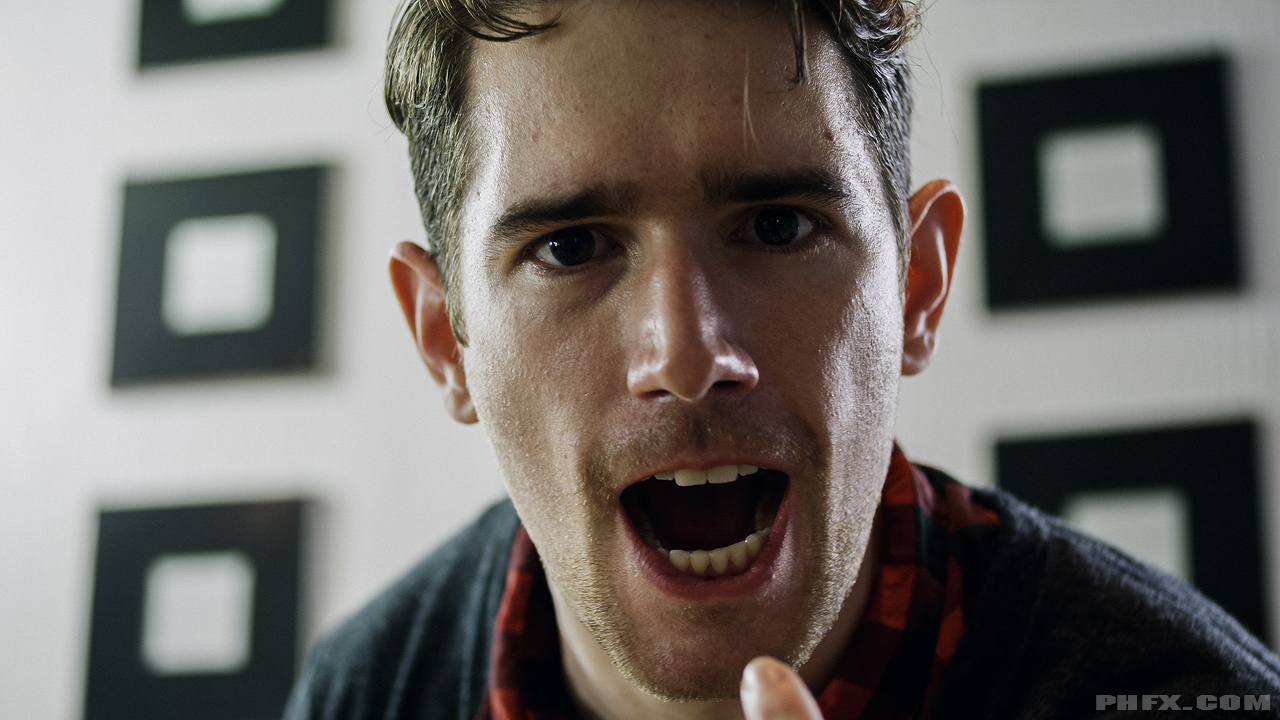
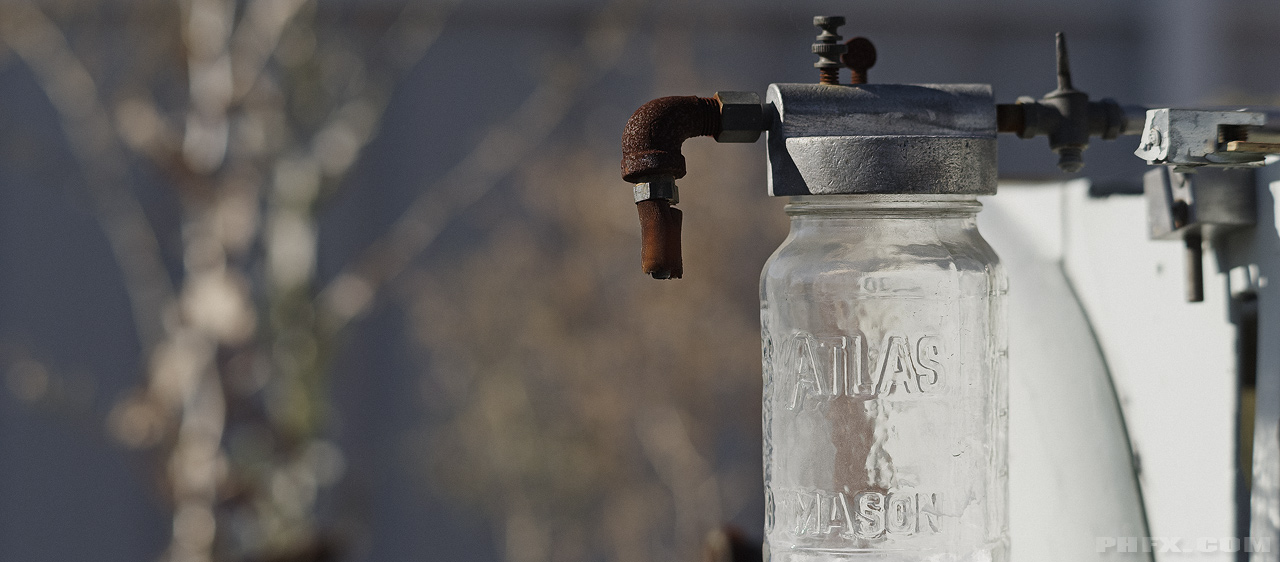
Hard light not clipping within exposure:
phfx_ruHLConMX_0009.jpg


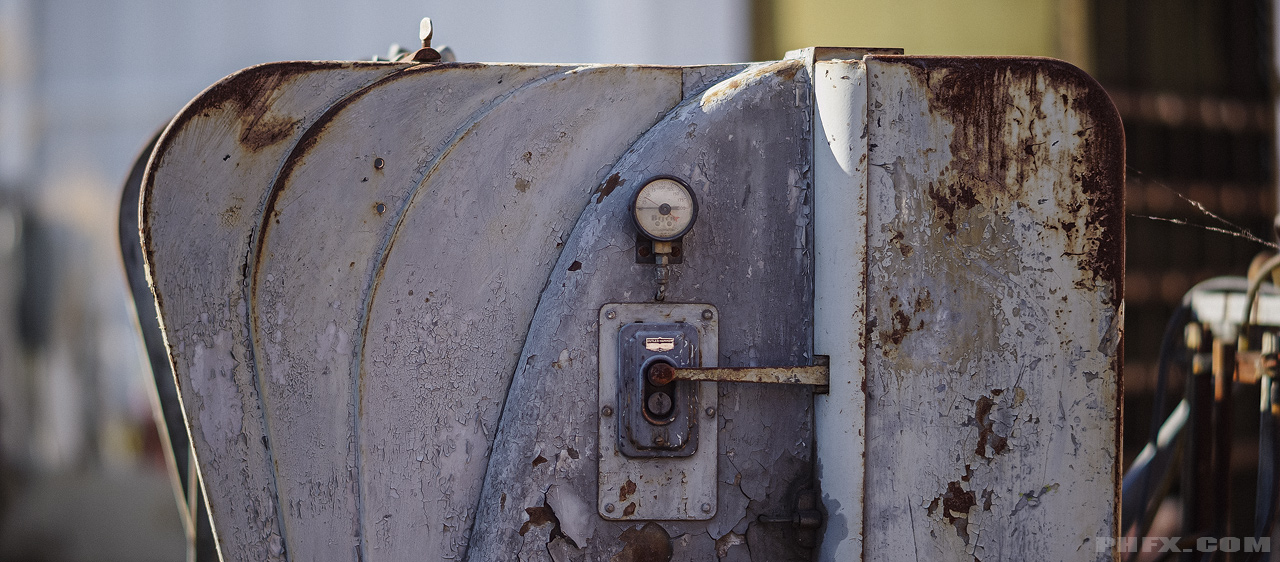
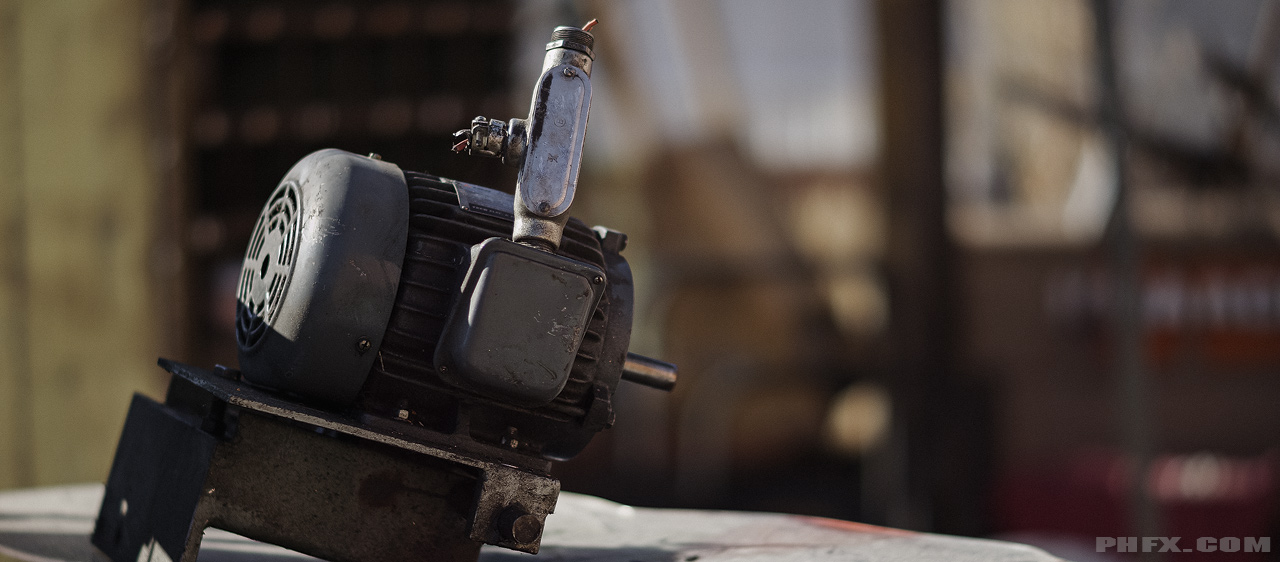
Broad daylight, not clipping within exposure:
phfx_ruHLConMX_0002.jpg


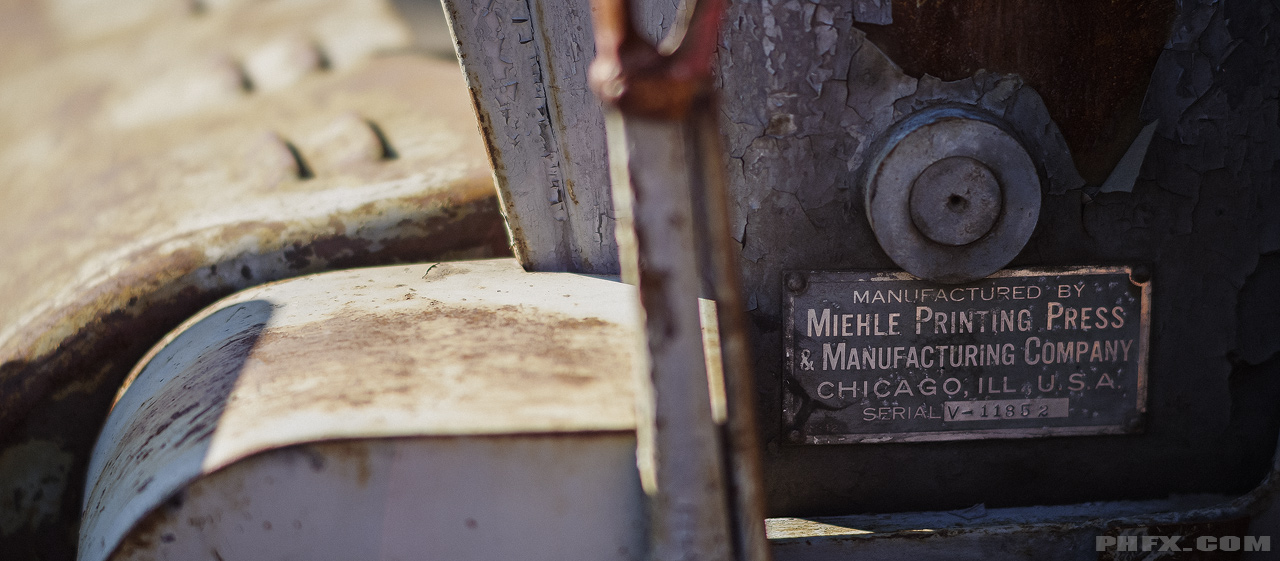
Broad daylight, not clipping within exposure:
phfx_ruHLConMX_0003.jpg


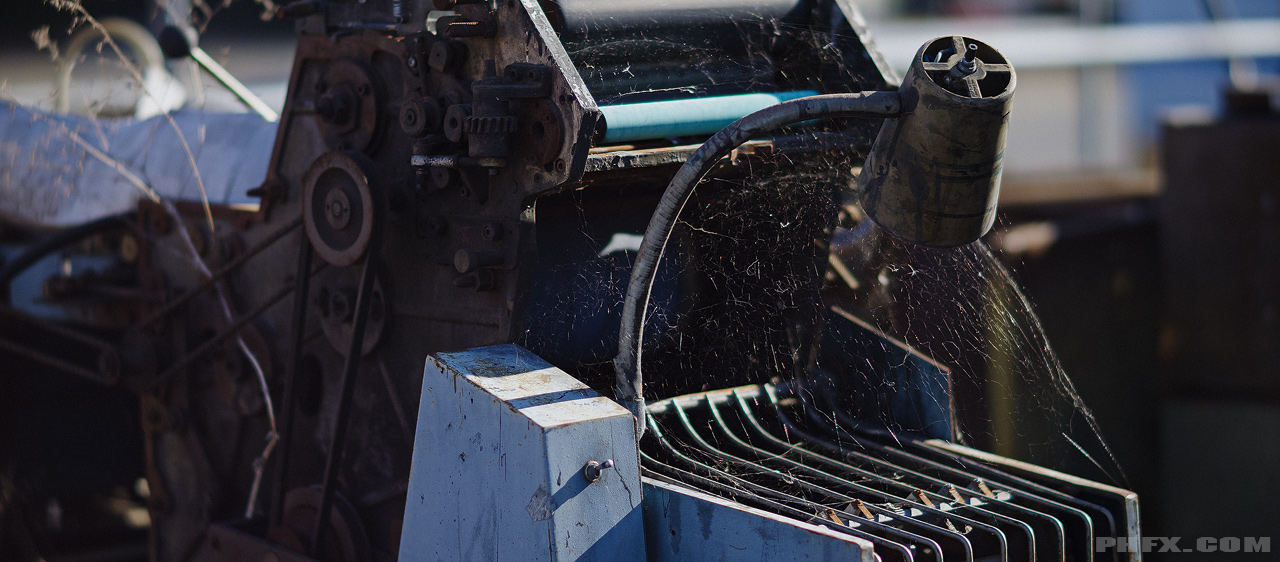
Broad daylight, not clipping within exposure:
phfx_ruHLConMX_0004.jpg


Broad daylight, not clipping within exposure:
phfx_ruHLConMX_0005.jpg


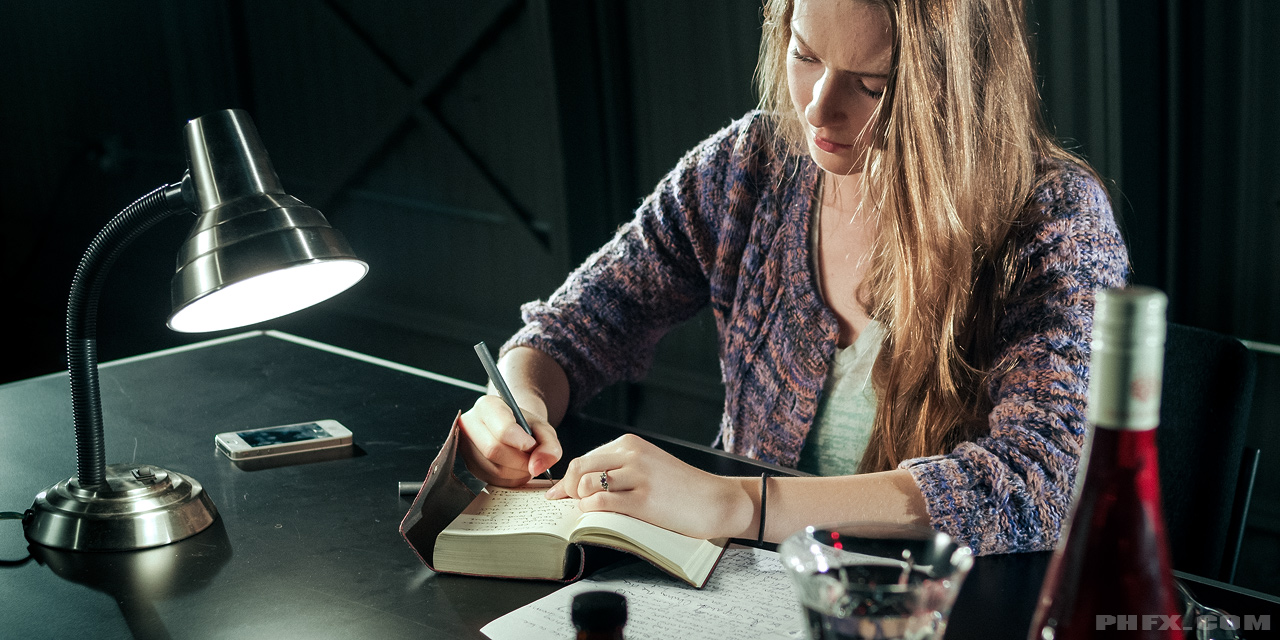
Baby 1K fresnel, not diffused right at subject:
phfx_ruHLConMX_0007.jpg


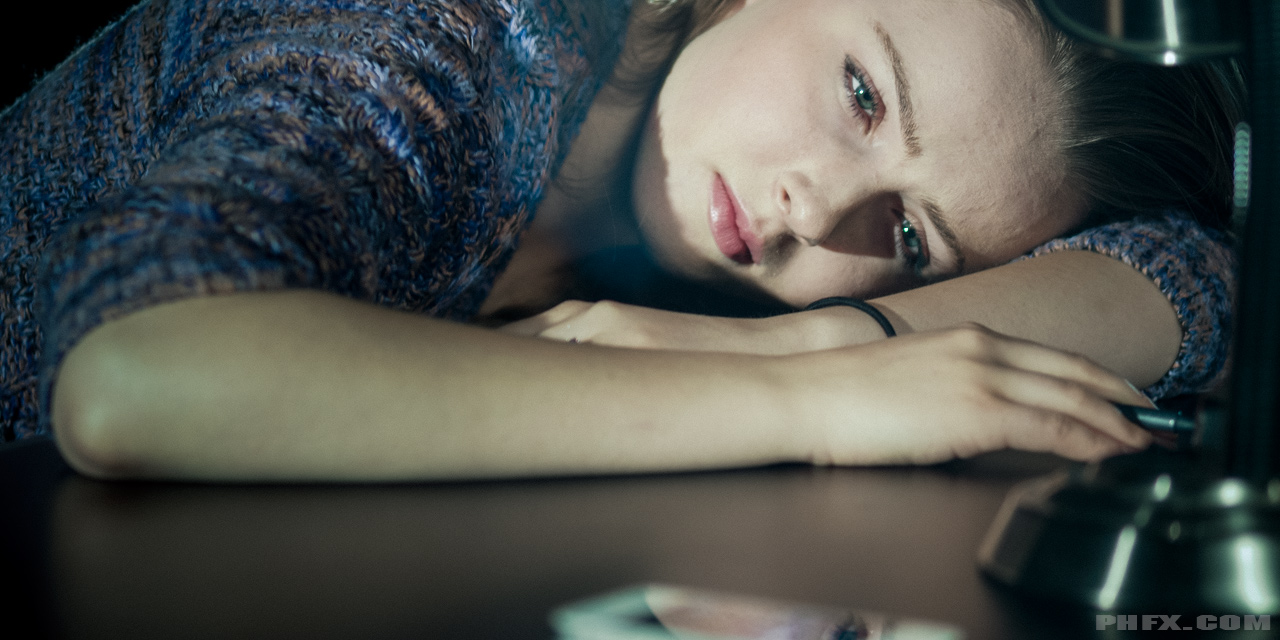
You mentioned something about these holes. This particular image was graded to have a very "cut out" white clip on the highlights for sort of a graphic effect. These are intentional holes.
phfx_ruHLConMX_0008.jpg


Same here, but on a smaller scale. On an image that has a hard rim light I personally like that cut out effect and tend to enhance that occasionally.
phfx_ruHLConMX_0006.jpg


The real key here in reality is understanding the tool and how to deliberately control your image. For instance, the first shot with the man I could have pushed into an out of range image via a lighting change and depending on where I placed my desired exposure I could have easily clipped my highlights and lost detail there. However, using a light meter and raised the fill light up and created a within range image. Not rocket science there. This wasn't a camera thing really, but more of a light thing.

The above daylight grabs are the worst case scenario as that's true high contrast shot in the harsh daylight, which I sometimes enjoy as it greats a lot of "hanging" and deep shadows.

Here's example where I favored a bit of shadow detail and decided to lose a bit of the hightights, which I could easily see on the histogram, stoplights, and exposure bars:
phfx_ruHLConMX_0001.jpg


That right there actually demonstrates fairly clearly what Mysterium-X's total possibly captured dynamic range is (without HDRx of course).

Highlight "wrangling" can happen in camera, on lens, with lighting, and even in post. In most extreme situations a combination of two or more of those should likely be explored.


To emphasize one thing here. Mark's test is a stress test. He was pushing Dragon to the extremes. This wasn't about making pretty pictures.
 
Phil,

Excellent examples...!!! Just breathtaking, diverse images (this is candy for colorists).


Antonio,

Show these images to your DP, took him to the theaters to watch Elysium. Furthermore, rent The Hobbit, Spiderman, TGWTDT, and even a movie shot on the Red One, like the last Pirates of the Caribbean. If still after that you feel or sense hesitation from him, then maybe he is not the guy you should hire to oversee your cinematography.
 
Antonio,

I've been with you all the way, but I thought you were talking about situations where you might deliberately want to overexpose your highlights and were displeased with the harsh clipping of RED. But let's agree that not all highlights clip at all times, and the MX is actually among the best at that, Dragon should even be better. All cameras can clip if so pushed, and RED does look a bit harsh sometimes, which Alexa avoids with its much talked about filter, but it wouldn't look any better than RED without said filter. In the end, these are all digital sensors and being linear unlike film, that's how digital sensors clip.
 
This thread has lost it's way and fallen off the deep end...
 
Status
Not open for further replies.
Back
Top