Welcome to our community

Be a part of something great, join today!

  • Hey all, just changed over the backend after 15 years I figured time to give it a bit of an update, its probably gonna be a bit weird for most of you and i am sure there is a few bugs to work out but it should kinda work the same as before... hopefully :)

Fujifilm now puts a strong pressure on RED/Nikon!

fgonz031

Well-known member
Joined
Mar 11, 2024
Messages
52
Reaction score
12
Points
8

Fujifilm GFX Eterna Announced: A Bold Entry into Medium Format Cinema​

2024-11-12


In a groundbreaking announcement, Fujifilm has introduced its first medium format cinema camera, the GFX Eterna. This development, covered in Fujifilm’s official press release, could mark a turning point for cinema, as Fujifilm leverages its experience in medium format photography and color science to cater to a growing demand for cinematic quality in high-resolution formats. Let’s delve into what the GFX Eterna has to offer, explore Fujifilm’s history with medium format, and discuss its impact on the industry.
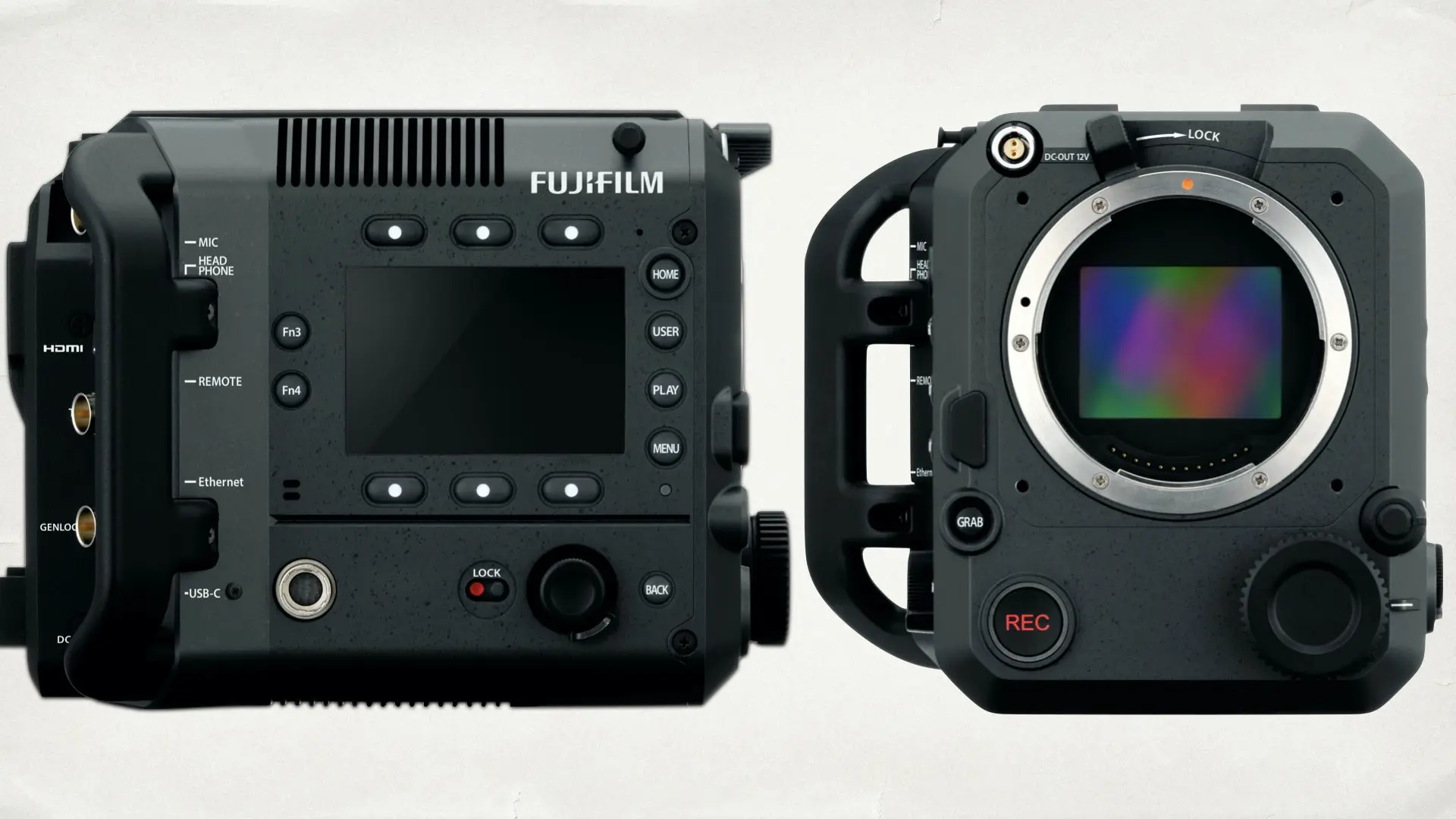
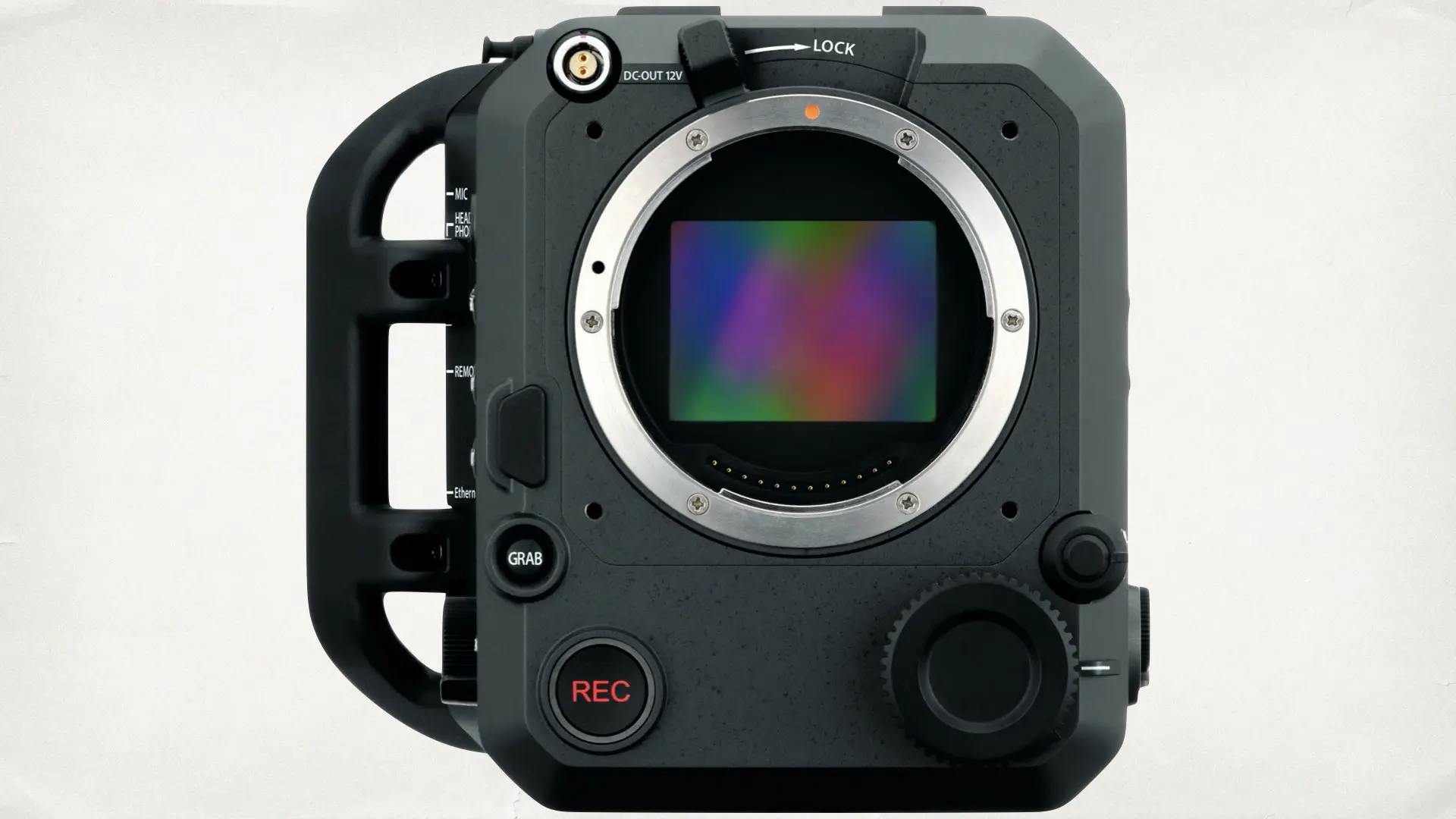
Fujifilm GFX EternaFujifilm GFX Eterna

The GFX Eterna: Key Features and Specifications​

The GFX Eterna embodies Fujifilm’s ambition to bring the unique qualities of medium format into mainstream cinema. According to the press release, Fujifilm’s design philosophy for this camera is grounded in their renowned Eterna film simulation, a technology that has won over cinematographers for its filmic, true-to-life colors. Here’s a closer look at the camera’s most anticipated features (according to the press release):
  1. Sensor Size and Resolution: With a larger-than-full-frame sensor, the GFX Eterna offers a cinematic depth of field and texture not commonly found in smaller sensors. This larger sensor is designed for filmmakers seeking rich detail, a broad dynamic range, and high fidelity in both highlights and shadows. Although Fujifilm hasn’t yet specified the exact resolution, early hints suggest it will stand in competition with high-resolution cinema cameras such as Blackmagic’s URSA Cine 17K, promising ultra-high clarity that extends beyond conventional 4K standards.
  2. Eterna Color Science: At the heart of the GFX Eterna is Fujifilm’s Eterna color profile, highly praised for its warm color tones and organic, filmic look. With color science that harks back to analog film, this technology delivers a level of color accuracy that cinematographers love for its gentle, natural look, making it a go-to choice in Fujifilm’s GFX100 series and other GFX models.
  3. High Dynamic Range: Dynamic range is critical in cinematography, and the GFX Eterna promises superior detail retention across extreme lighting conditions. This capability will likely enable filmmakers to work seamlessly in various lighting environments, from the bright daylight of outdoor shoots to the controlled lighting on sets. This is particularly valuable for medium format, where detail in highlights and shadows can define the immersive look of large-format cinematography.
  4. Body Design: The GFX Eterna has been developed with cinema-focused ergonomics, providing a compact and flexible body that can accommodate industry-standard cinema lenses and accessories. This versatility and ease of handling place it within reach for a wide range of filmmakers, from indie creators to large productions. Fujifilm aims to cater to those seeking large-format quality in handheld, drone, and gimbal setups, marking a contrast to heavier, less maneuverable cinema cameras.
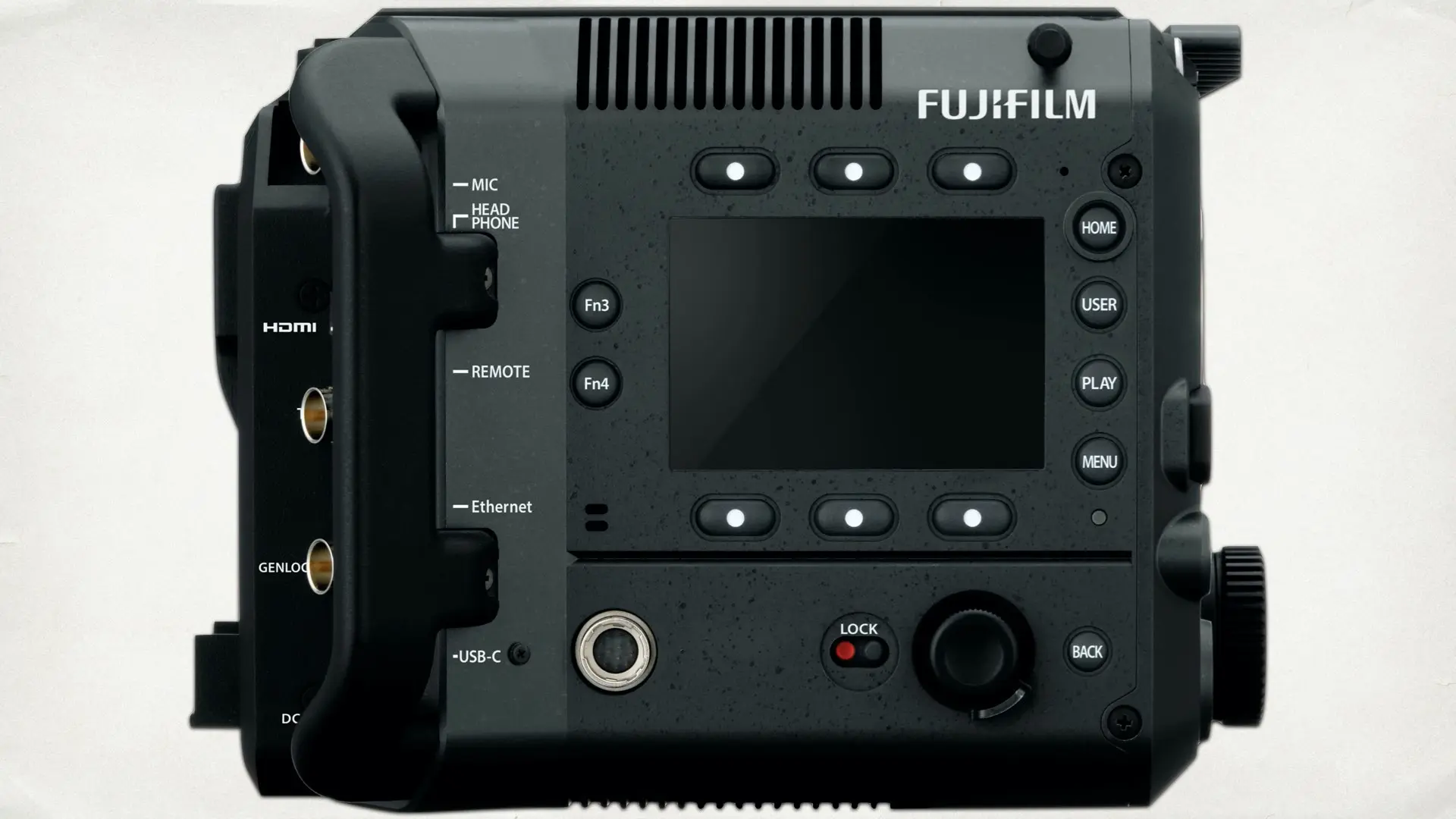
Fujifilm GFX EternaFujifilm GFX Eterna

Fujifilm GFX EternaFujifilm GFX Eterna

The Cinematic Potential of Medium Format​

Medium format cinematography offers distinct advantages and challenges. By delivering depth of field and field of view characteristics unique to large sensors, medium format can evoke an immersive, intimate feeling that’s especially suited to large screens. This sensor size, as explained in The Philosophy Behind Cinema Cameras’ Sensor Sizes, profoundly impacts the aesthetics of a scene, with a softer background falloff and more detailed texture, leading to a more lifelike and enveloping experience. The GFX Eterna brings new competition to a field that has so far been limited to a few cinema camera manufacturers. Sony, for instance, has only recently explored this arena with its 247MP 19K medium format sensor, a move that illustrates the intense demand for higher resolutions and larger formats in filmmaking.
The Philosophy Behind Cinema Camera’s Sensor SizesThe Philosophy Behind Cinema Camera’s Sensor Sizes
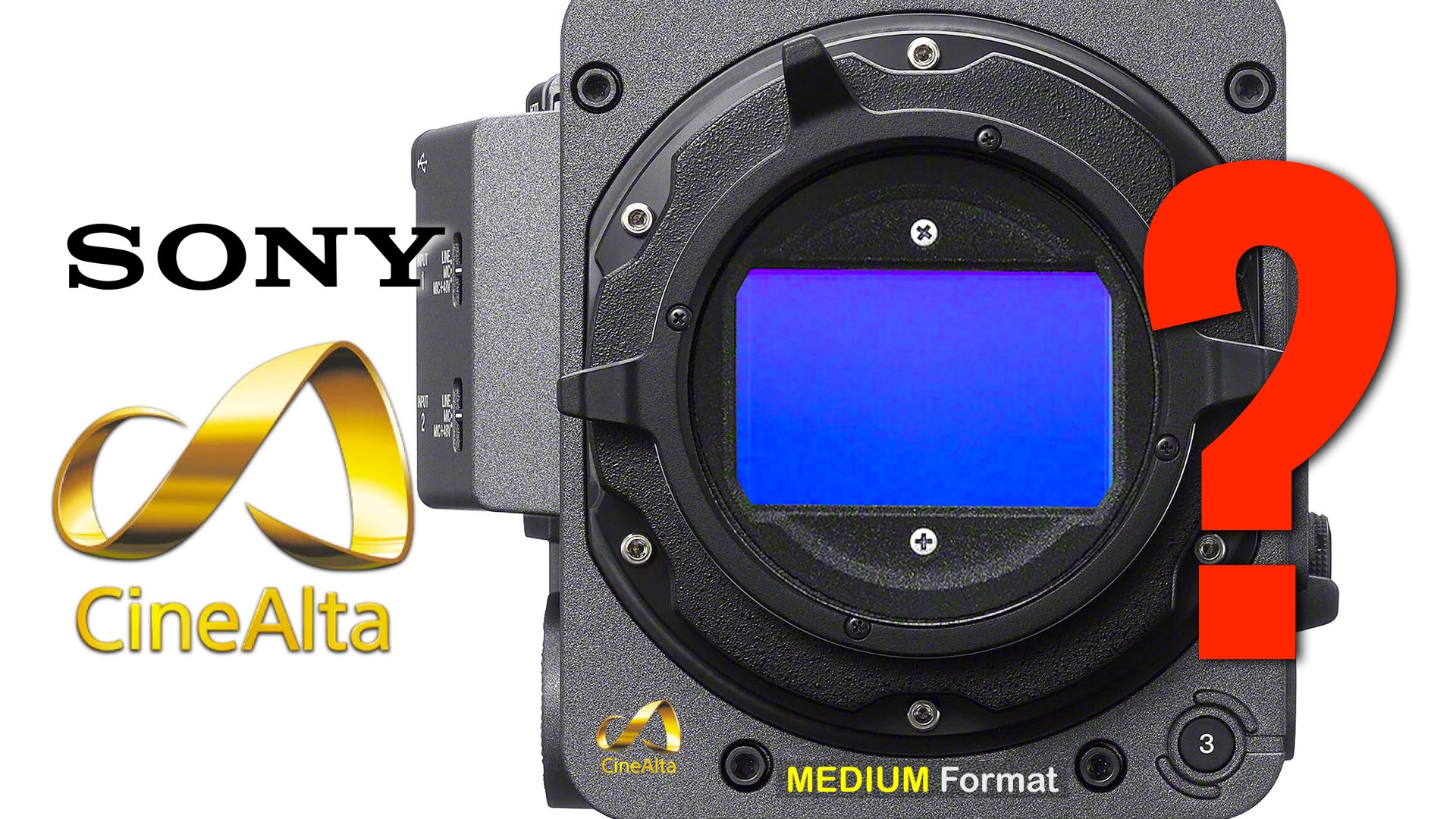
Will Sony Ever Release a Medium-Format Cinema Camera?Will Sony Ever Release a Medium-Format Cinema Camera?

Pros and Cons of Medium Format Cinematography​

Advantages:​

  • Dynamic Range and Image Detail: With a large sensor, medium format captures greater dynamic range and more image detail, enhancing every element of a scene, from intricate textures to the fine gradation of shadows and highlights.
  • Film-Like Depth of Field: The softer background separation and natural, shallow depth of field available in medium format create a more filmic look, highly suitable for dramatic or intimate storytelling.
  • Future-Proof Resolution: High-resolution, medium format sensors are well-positioned to meet the demands of cinema and streaming in the 8K and even 16K era, an area where IMAX CEO’s commentary on Joker 2’s 70mm IMAX screening underscores the ongoing demand for maximum resolution in high-end cinema.
IMAX CEO: “Joker 2 Will be Screened in IMAX 70mm”IMAX CEO: “Joker 2 Will be Screened in IMAX 70mm”

Challenges:​

  • Cost and Accessibility: Medium format cameras are often pricier than standard Super 35 or full-frame options, which can deter indie filmmakers. While Fujifilm hasn’t yet released pricing for the GFX Eterna, affordability will be a deciding factor in its adoption.
  • Lens Compatibility and Size: Lenses that are compatible with medium format sensors tend to be larger and more costly, adding to production expenses. Furthermore, integrating medium format lenses into existing setups requires additional consideration for weight and balance.
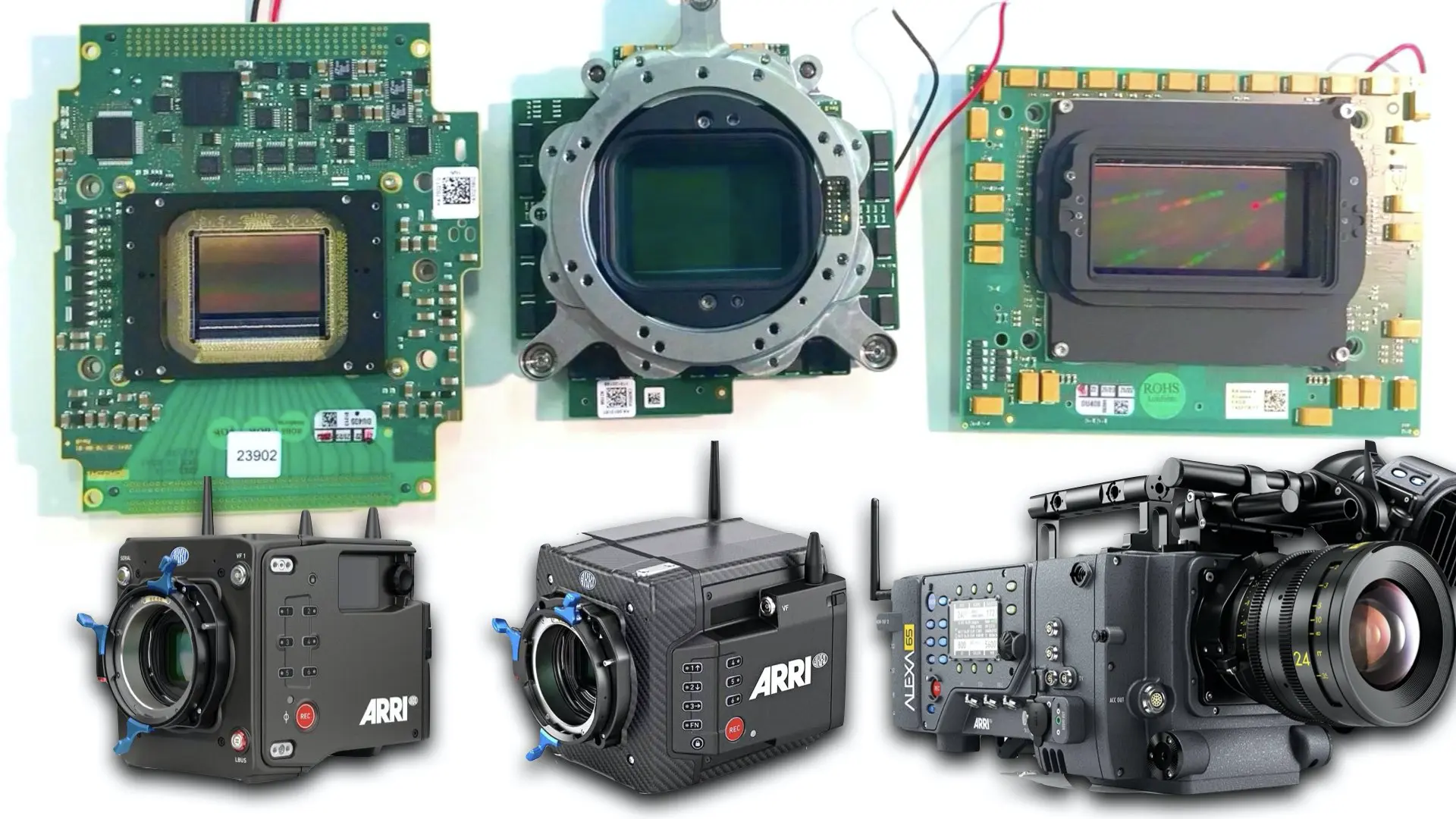
  • Workflow and Storage Needs: As Big Sky Camera sensor development illustrates, the storage and workflow demands for medium format 4K and beyond require robust data management solutions. This can increase production costs, posing challenges for smaller film projects.
This Is The Sensor of the ‘Big-Sky’ Camera

Fujifilm’s Industry Impact: Competition and Innovation​

Fujifilm’s entry will likely drive innovation in the medium format arena, providing an alternative to high-resolution cameras like the Blackmagic URSA Cine 17K, which also target filmmakers seeking the maximum image detail. By leveraging the aesthetic appeal and technical advantages of medium format, Fujifilm hopes to carve out a space within the expanding digital cinema market. For filmmakers, the GFX Eterna promises a unique blend of resolution, color science, and handling—factors that will give it a distinct place in high-end productions while setting a new standard for cinema cameras moving forward.
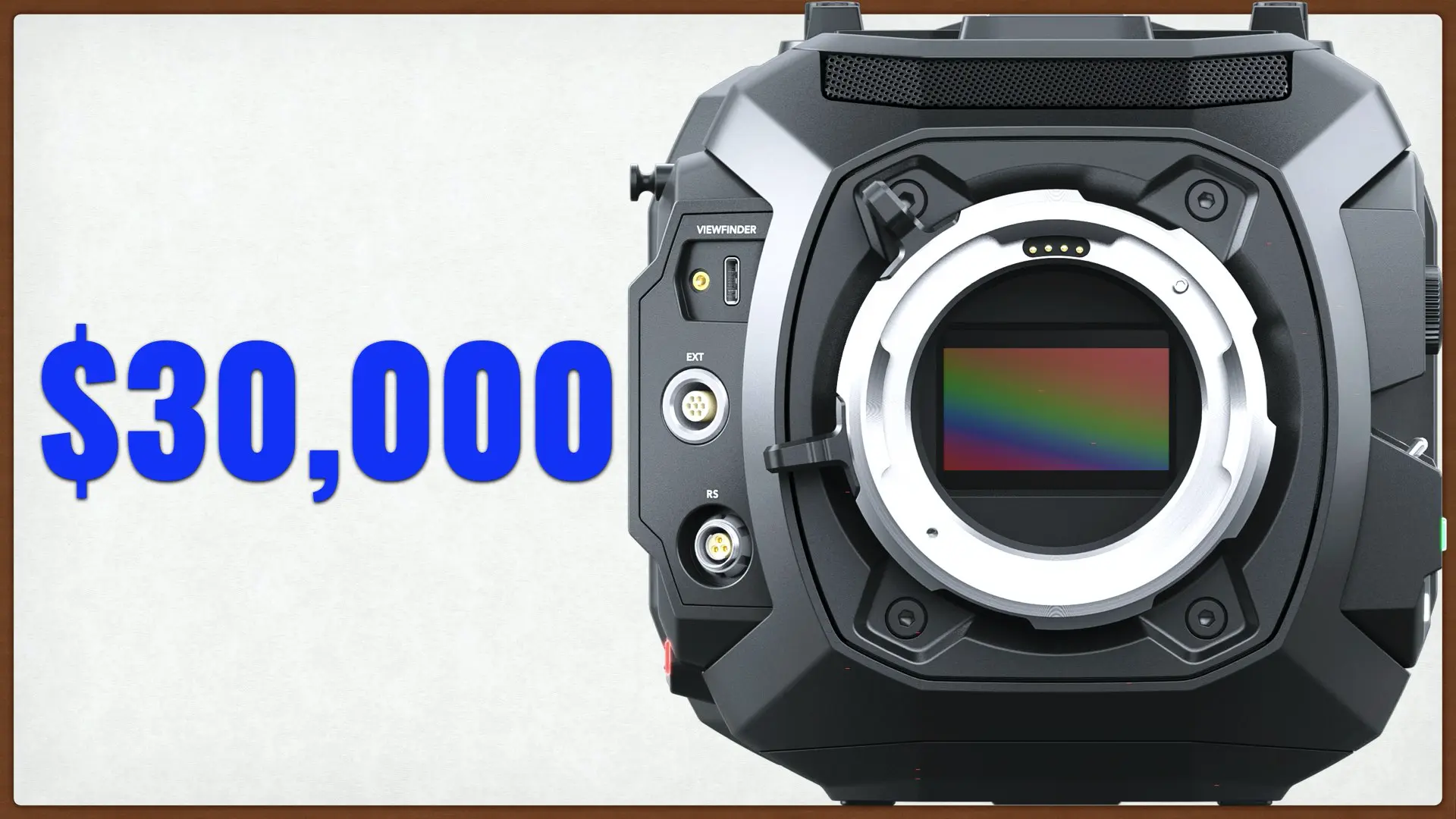
Blackmagic URSA Cine 17K 65 More Details and Pricing Revealed


From: https://ymcinema.com/2024/11/12/fuj...unced-a-bold-entry-into-medium-format-cinema/
 
It will remain a niche camera that poses zero threat to RED whatsoever.
 
This is actually very cool indeed. I'd never use this camera. But I think that Fujifilm is very serious about growing their business. They pretty much own medium format, making it easier for more photographers to shoot 100Mpx files. I think this is a natural move for them, as they have little competition.
  • Film-Like Depth of Field: The softer background separation and natural, shallow depth of field available in medium format create a more filmic look, highly suitable for dramatic or intimate storytelling.
That, of course, is BS. Give me a break! LOL
 
This is cool, just about exactly what I predicted would have been at NAB this year! Only caveat seems to be it's still a FF 8K camera but, hey, it's a start! Hopefully they fixed some of the other footage problems people point out like moire and aliasing which I have seen examples of in the few instances that they do pop up, essentially making for a more refined video experience.
 
The Fuji is a 44X33mm sensor. Paired with 2x G-mount anamorphics it could be a pretty incredible package. Keep in mind that Fuji already courts both the high and low end unlike most mfrs. It’s a different situation from say Blackmagic where high end users might need more convincing.

Good Luck
 
This is cool, just about exactly what I predicted would have been at NAB this year! Only caveat seems to be it's still a FF 8K camera but, hey, it's a start! Hopefully they fixed some of the other footage problems people point out like moire and aliasing which I have seen examples of in the few instances that they do pop up, essentially making for a more refined video experience.
Zack. What’s your prediction for 2025?
 
Zack. What’s your prediction for 2025?
My predictions so far for 2025 actually leans towards RED, Sony, and Panasonic rocking the boat with new releases.

1. RED releases a new high end model - Perhaps first entry into Medium Format as that is the name of the game going forward on the high end.

2. Sony - FX 8K camera, the name "FX8" would be perfect but they could come up with a whole new line, maybe GX? - Lower budget Burano but fits broadcast like the FX9 does.

3. Sony again - Possibly Venice 3 or Venice 65 camera - Again, Medium Format! Could see a name switch too, not sure "Sony Vista 65" or "Sony Pana 65" would be possible.

4. Panasonic - Final S2H camera - Refined S1H with 8K sensor and could come with a new Varicam 8K and/or EVA2.

5. Panasonic again - With partnership from Leica, Leica S Medium Format video camera, possibly 8K but could be 4K or 6K behind everybody.

EDIT: The clue is the lenses! You think Blackmagic Design alone would spur lens makers to come out with new 65mm Medium Format lenses? ;)
 
My predictions so far for 2025 actually leans towards RED, Sony, and Panasonic rocking the boat with new releases.

1. RED releases a new high end model - Perhaps first entry into Medium Format as that is the name of the game going forward on the high end.

2. Sony - FX 8K camera, the name "FX8" would be perfect but they could come up with a whole new line, maybe GX? - Lower budget Burano but fits broadcast like the FX9 does.

3. Sony again - Possibly Venice 3 or Venice 65 camera - Again, Medium Format! Could see a name switch too, not sure "Sony Vista 65" or "Sony Pana 65" would be possible.

4. Panasonic - Final S2H camera - Refined S1H with 8K sensor and could come with a new Varicam 8K and/or EVA2.

5. Panasonic again - With partnership from Leica, Leica S Medium Format video camera, possibly 8K but could be 4K or 6K behind everybody.

EDIT: The clue is the lenses! You think Blackmagic Design alone would spur lens makers to come out with new 65mm Medium Format lenses? ;)
Thanks! But more specifically in the symbiosis of Nikon and RED.
 
Thanks! But more specifically in the symbiosis of Nikon and RED.
That mysterious side of things would be a repeat of a previous discussion with Z-mount RED camera lines being introduced, even as simple as modified Komodos and Raptors at the very least. A firmware update for R3D recording on Nikon Z cameras is also related to this prediction but it will depend on if the current hardware is capable of it. Nikon could do as Fuji did and release a video-centric version of the Z9 for example that does have R3D recording options but what of NRAW development? It's a question whether Nikon would compete with itself or not in that case. Overall, other than a new model or two, RED and Nikon products are the most up in the air.
 
I will say, the video imaging quality I got out of my gfx100s has been the best I’ve seen out of anything since RED. I really enjoyed it and would take it for something where I need to be more compact.

But of course at the end of the day, they just don’t have the horsepower and beauty levels I can take a dragon sensor to.
 
A comparison

Nice summation in the above article.
I really didn't follow Nikon much before the acquisition of RED but I am starting to realize that they both did have a common ground of sorts where they both
had missing pieces the other lacked and they both were arguably getting pushed out of their respective strongholds.

The expectation that the very next release (DSMC 4 or something else) being something that fully integrates the very best of RED and Nikon is likely unrealistic.
I think there is a bit to look forward to in this union but I also believe this is something that will play out over several years and the high points of this may be later rather than sooner.

Regarding a Medium Format camera, I won't be surprised if RED develops this but I strongly believe that will be in full coordination with a line of Medium Format
lenses Nikon would likely release specific to those cameras. I wouldn't be surprised if the industry might begin a push for more Imax style large to extra large format
sizes meant for large screen projections perhaps as a means of keeping theaters relevant in the streaming age.
Again, likely something a bit further into the future but who knows.

I also thought a Komodo X style camera was a good 12-18 months away when RED announced and released it within a month of me predicting that so what do
I know.

Both RED and Nikon are offering a very strong product line with what is available now so there is time though the camera game moves fast so there's not much to rest on.


Brian Timmons
BRITIM/MEDIA
 
Prediction: a lot of films will be released in 4:3 for home cinema. The point is to fill as much of the viewer's peripheral vision as possible. Widescreen looks great, of course. But I like the IMAX principle.
 
Regarding a Medium Format camera, I won't be surprised if RED develops this but I strongly believe that will be in full coordination with a line of Medium Format
lenses Nikon would likely release specific to those cameras. I wouldn't be surprised if the industry might begin a push for more Imax style large to extra large format
sizes meant for large screen projections perhaps as a means of keeping theaters relevant in the streaming age.
Again, likely something a bit further into the future but who knows.
Agree with you that a medium format Red camera would probably come along with a new line of lenses for that format from Nikon. I actually imagine Nikon would release a medium format stills camera version first, if they were ever to go there.

I do question whether medium format digital is any more “cinematic” or “big screen” than any other cinema camera. The point of large format in the film days was to maximize the resolution of the image so that it wouldn’t be soft when projected on larger screens, right? And while film stocks might improve, for any given stock, larger means more resolution. With digital, a physically larger sensor does not necessarily mean more resolution or greater apparent sharpness (though I’d agree that noise performance improves with larger pixels, all things being equal otherwise).
You’re not making an argument about resolution of course. I’m only suggesting that the industry may not wind up buying into this logic for larger sensors, cool as it might be…
 
Agree with you that a medium format Red camera would probably come along with a new line of lenses for that format from Nikon. I actually imagine Nikon would release a medium format stills camera version first, if they were ever to go there.

I do question whether medium format digital is any more “cinematic” or “big screen” than any other cinema camera. The point of large format in the film days was to maximize the resolution of the image so that it wouldn’t be soft when projected on larger screens, right? And while film stocks might improve, for any given stock, larger means more resolution. With digital, a physically larger sensor does not necessarily mean more resolution or greater apparent sharpness (though I’d agree that noise performance improves with larger pixels, all things being equal otherwise).
You’re not making an argument about resolution of course. I’m only suggesting that the industry may not wind up buying into this logic for larger sensors, cool as it might be…

I guess this was lazy writing on my part. For potential extra large theater formats, I was more referring to something like the Epic 617 that was on RED's ancient proposed sensor chart.
Don't know the full scope (no pun indended) of such a large sensor but I do think the sheer length of that sensor would make for a very different cinematic experience that would be hard to duplicate at home and that might be unique theaters (in this case with specialized screens).
The expansiveness of the frame for landscape and the extra length feels potentially Epic.
Come to think of it split screens for parallel action might work surprisingly well given the real estate of the format.
Perhaps a new canvas for a new cinematic visual language.


Prediction: a lot of films will be released in 4:3 for home cinema. The point is to fill as much of the viewer's peripheral vision as possible. Widescreen looks great, of course. But I like the IMAX principle
Karim, I wonder if 617 size and shaped sensor might create the peripheral vision experience you mentioned.

IMG_7254.JPG

Link comparing RED Raptor VV to 617 using Phil Holland's format compare tool.


Brian Timmons
BRITIM/MEDIA
 
Last edited:
Karim, I wonder if 617 size and shaped sensor might create the peripheral vision experience you mentioned.
Actually, no - if you projected a 6x17 image so that the height almost filled my peripheral vision, the right and left thirds of the image would be way outside of it.
 
Back
Top