Welcome to our community

Be a part of something great, join today!

  • Hey all, just changed over the backend after 15 years I figured time to give it a bit of an update, its probably gonna be a bit weird for most of you and i am sure there is a few bugs to work out but it should kinda work the same as before... hopefully :)

ARRI 4K Super 35 Camera Will be Launched Next Month

TLS Mamiya 645 Lenses / ARRI Alexa 35

by
Offshoot Rentals


I do prefer the color science of the Mini lf in AWG3 (skin is less yellowish) than the Arri35 in AWG4 but sharpness looks better on the Arri35 (when scaled at same frame size...) resolution still matters.
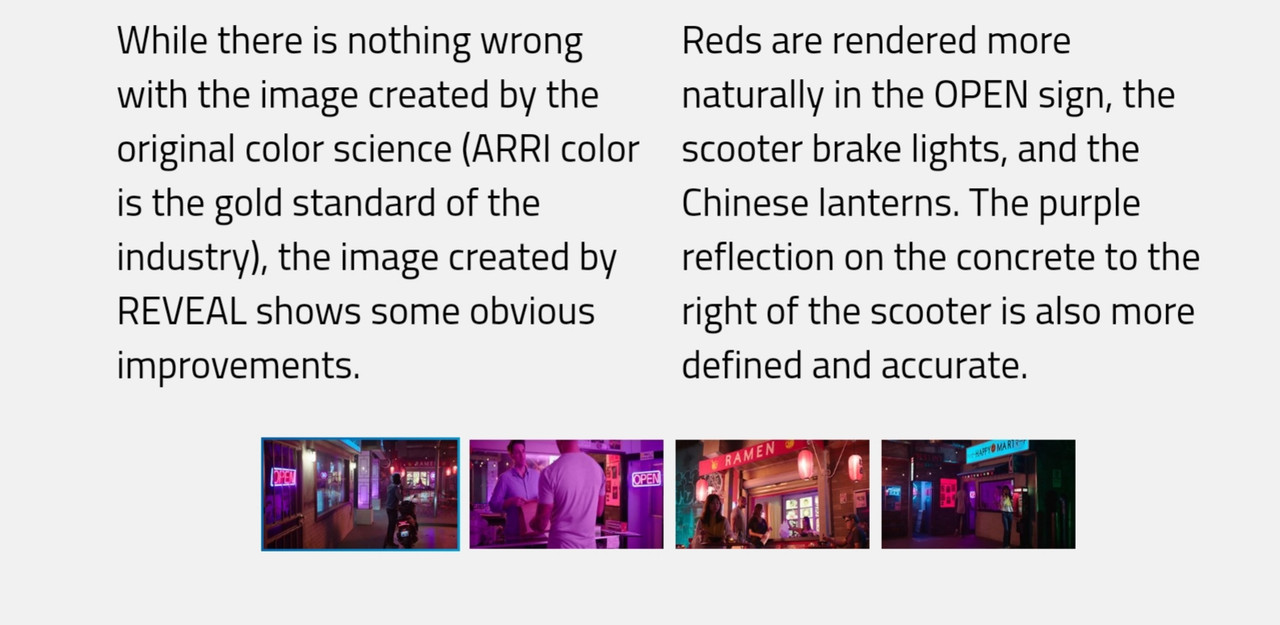
 
I do prefer the color science of the Mini lf in AWG3 (skin is less yellowish) than the Arri35 in AWG4 but sharpness looks better on the Arri35 (when scaled at same frame size...) resolution still matters.

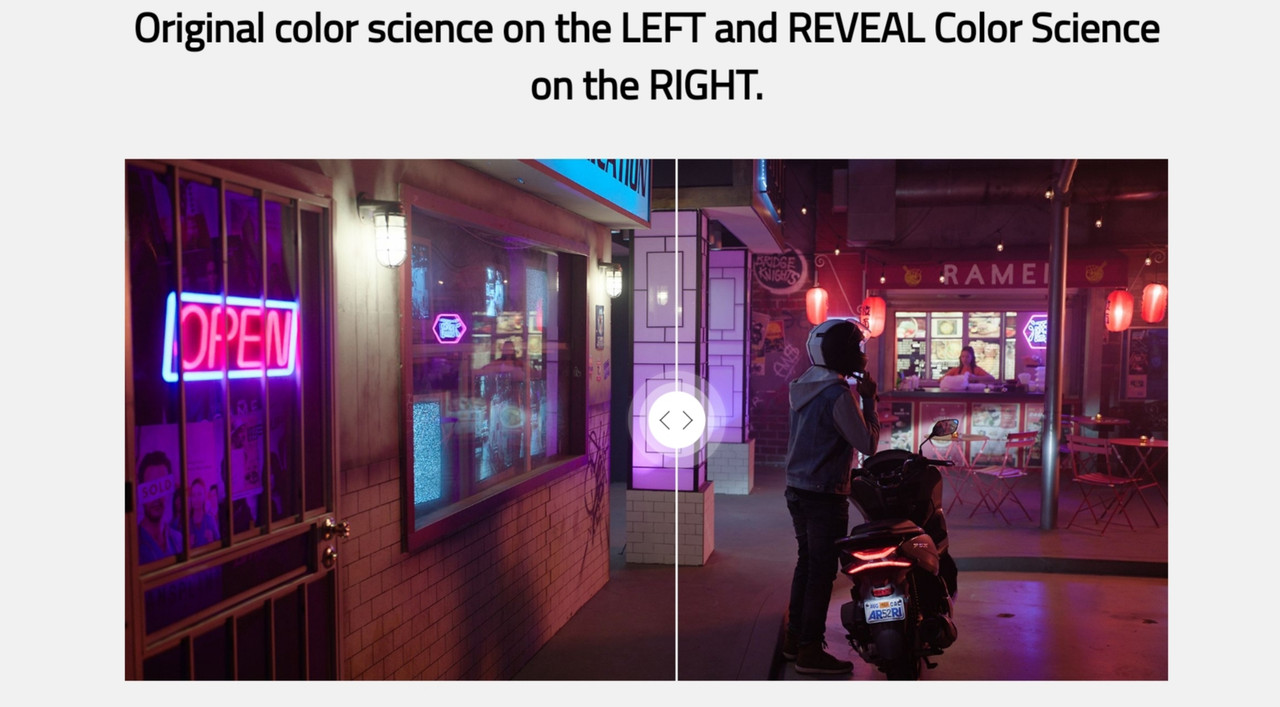
Patrick,

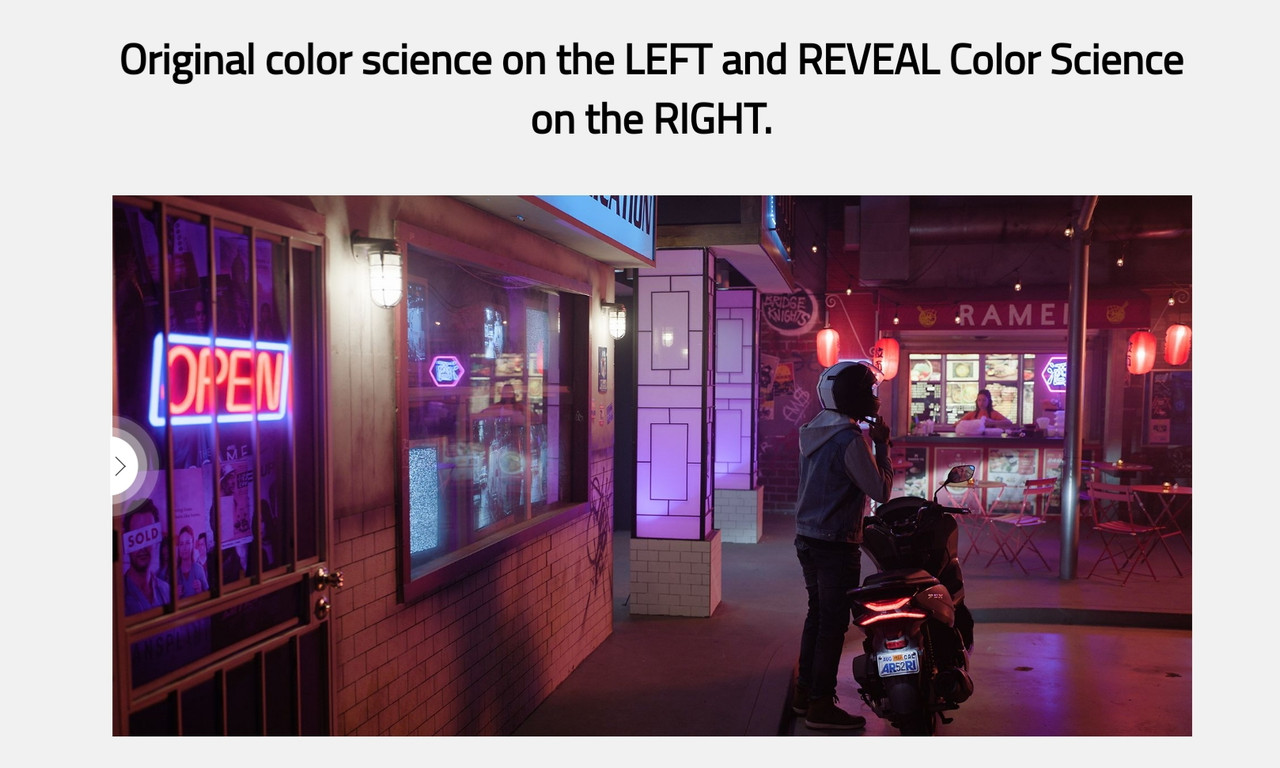
Yeah, I think the new Reveal Color Science for the Alexa 35 seems to shift REDs more towards a True Red and less towards Magenta as was the case for the older Color Science. So I think maybe that's why Skintones under the newer Reveal Color Science may be more likely to render more Yellow skin.


REVEAL COLOR SCIENCE MICROSITE
https://www.arri.com/en/learn-help/learn-help-camera-system/image-science/reveal-color-science

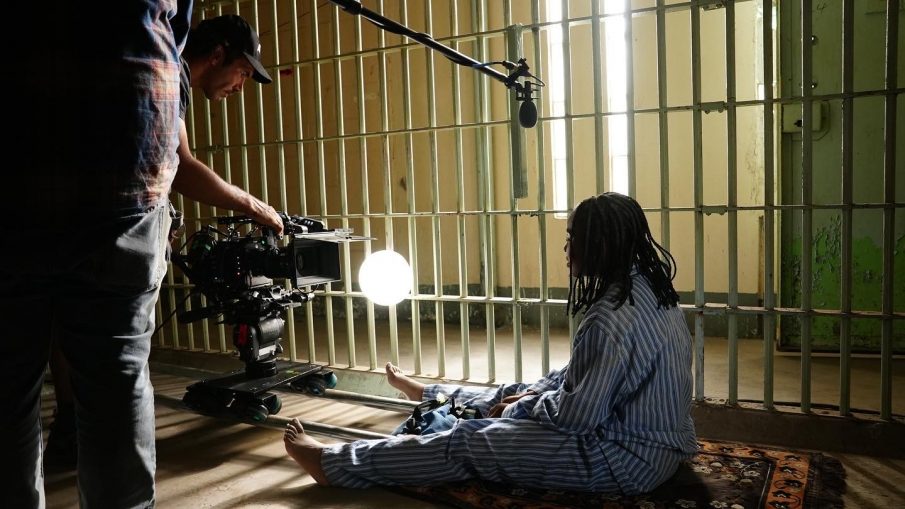
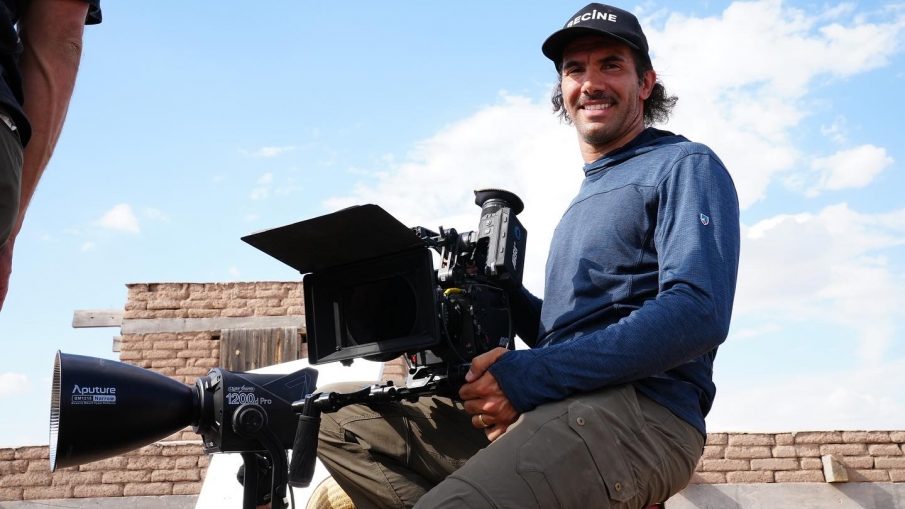
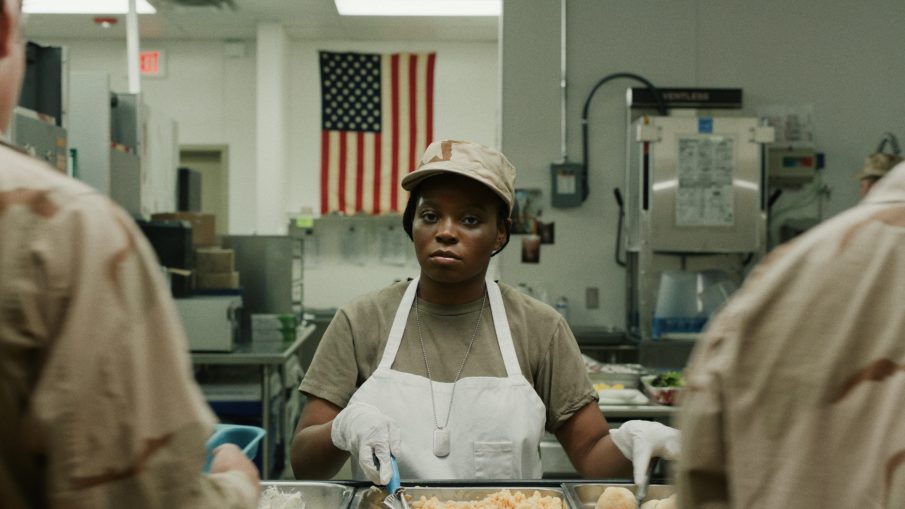
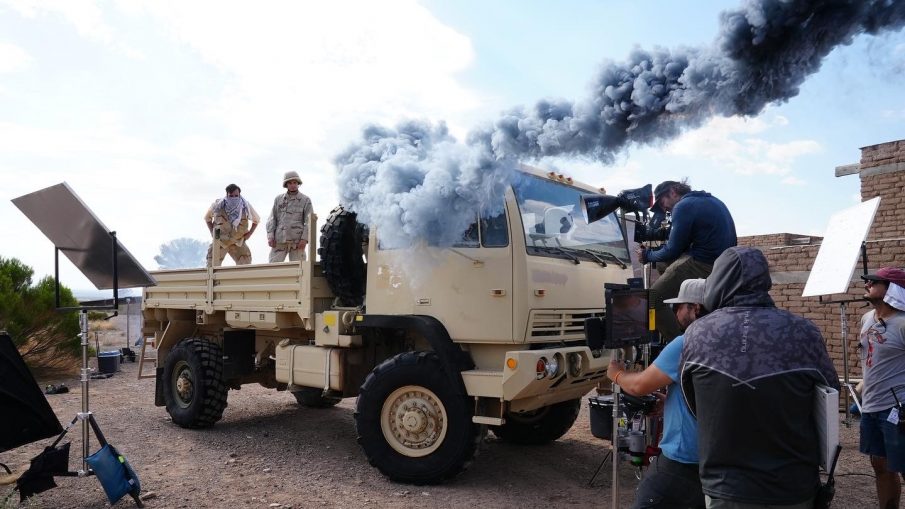
20230102-175333.jpg


20230102-175226.jpg


20230102-175255.jpg
​​​​​​​
 
TLS Canon FD Lenses / ARRI Alexa 35

by
Offshoot Rentals


ARRI ALEXA 35 • Low Light Test

by
Boje Ploeg


''EI: 6400 ES. Corrected for highlight recovery only, using LogC4-to-REC709 LUT. Texture: Default. Shot with Sigma High Speed Cine 18-35 T2.0

I lighted this with only a candle as key, a tea candle as rim light and the lighter as fill. The background is lit by Philips Hue RGB lights set to 1% brightness.''
 
ARRI ALEXA 35 • Texture Tests

by
Boje Ploeg


''EI: 800. Balanced using the chart for color and exposure. LogC4 to Rec709 LUT. Shot with Sigma High Speed Cine 50-100 T2.0 with only available light.''
 
ARRI ALEXA 35 • Low Light Test

by
Boje Ploeg


''EI: 6400 ES. Corrected for highlight recovery only, using LogC4-to-REC709 LUT. Texture: Default. Shot with Sigma High Speed Cine 18-35 T2.0

I lighted this with only a candle as key, a tea candle as rim light and the lighter as fill. The background is lit by Philips Hue RGB lights set to 1% brightness.''

wow, that really doesn't look good. It looks badly noise reduced and the noise seems almost static like a still image. very not good.
 
wow, that really doesn't look good. It looks badly noise reduced and the noise seems almost static like a still image. very not good.

I think the combination of the ''Highlight Recovery'' method he used plus a tad too much Noise Reduction is the reason for the result of the image.
 
I think the combination of the ''Highlight Recovery'' method he used plus a tad too much Noise Reduction is the reason for the result of the image.

But it doesn’t seem like he used any NR on this, says he only recovered highlights. So I’m thinking it’s the ES mode from the 35.
 
But it doesn’t seem like he used any NR on this, says he only recovered highlights. So I’m thinking it’s the ES mode from the 35.

The reason I think that some Noise reduction may have been used is because from viewing other footage at ISO 6400 ES mode that there seem to be more noise present than in his video above. Arri cameras are also not really known for their great low light performance either. From my experience using Highlight Recovery with most any camera capable of some type of Raw recording, it can give the appearance of a more "smooth" less grainy image. He might have used a " Texture" setting they may also have given the appearance of less noise or a combination of things.

EDIT:

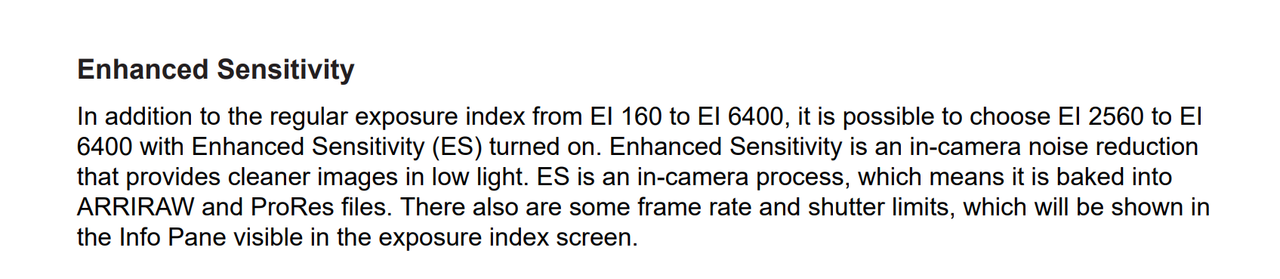
Yes, the ''ES''(Enhanced Sensitivity) Mode also adds "In-Camera" Noise Reduction inherently.

Screenshot-8059.png
 
Last edited:
wow, that really doesn't look good. It looks badly noise reduced and the noise seems almost static like a still image. very not good.

Yes...if i was the one trying to promote this camera i would just delete this video.It looks pretty bad.I tested this camera and 6400 ISO ES had same problem.When i watched Youtube videos i thought it looked like that because of the compression.
Im sure they ll fix this with the firmware or smth.
 
Im sure they ll fix this with the firmware or smth.

No Alexa cameras have been good in low light. It's basically a 400 iso camera rated to 800 compared with Monstro wich is a 2000 iso camera rated for 800...
A kind of NR or "pixel enhancer" has always been applied on the Arri's cameras wich looks ugly in the shadows but nice in the highlights. Perhaps they choose to implement the texture gimmic to clean what's going on with another type of mud...
 
Everything I’ve seen in ES mode has had a weird noise, a plastic look and just looked like bad NR. But I see so many Hollywood DP’s celebrating this mode like it’s some big achievement. I think Gemini and Raptor has a better looking image at 6400. Especially raptor. But somehow people still believe Red is a booster camera. Somethings really confuse me. But I notice a lot of me just go with what is general consensus versus studying for themselves. At the end of the day I guess it’s only really about making beautiful images.

Kemalettin, I’ve seen you post a few times about raptor having bad highlights, just rate it at a higher iso, and you’ll get the all the highlights you need while still having a clean image. I’ve done test rating raptor at 6400iso in bright daylight with very very useable results. The camera really does love underexposure. Though for most shoots you’ll never really have to go beyond 1600iso

yes after having my Raptor over a year i tend to underexpose everything nowadays.I really like the noise structure of the raptor.I have shot 3200 and 6400 a lot at night time and i can assure you Raptor has better noise performance than Alexa 35.
 
Alexa cameras

The Alexa 35 utilizes a Dual Gain sensor signal pipeline. They are taking two separate readouts and different gains, then internally performing a temporal noise reduction pass on both signals to the same SNR. Then they are re-graining via Textures.

The ES Extended Sensitivity mode is doing an additional subtractive noise reduction approach via additional frame data. Somewhat similar idea to HDRx in practice in how it's implemented in camera, but the resulting signal is average (Mean or Median) or some other formula to compare images and return a result.

As with pretty much most digital cinema cameras, I generally recommend working at highest around ISO 3200 unless you really need to rate higher to achieve your goals. Raptor does well with higher ISO, and certainly can benefit from TNR or other methods if things get a bit loud or too present when it comes to image texture.

My last publicly released shot from Raptor in 2022 featured an exposure ramp from ISO 1600-5000 as the shot was filmed just after the sun dipped over the horizon. Processed well, you'd be hard pressed to identify noise at all. And in this case I did a light re-grain. Very, very light.

In other cameras particularly with tiny powerful image processors on board, they also have some fairly interesting NR methods and algorithms. Some of this thins out color aggressively.

I would say in 2023 as of this moment. RED remains the closest to a "digital negative" as their signal seems to be the least processed out of gate with the added benefit of dealing with actual RAW data. That comes at the cost of people not doing thorough image tests, perhaps making databases discussing PSNR, ignoring a host of variables or best practices, and not fully recognizing that the imaging paths and resulting images are different. But when you do "get it" that's where the last two gen of RED cameras sing very clearly.

A great deal of cameras are aimed at convenience today towards the general commercial filmmaking audience. There's a lot of filmmakers who don't think about NR for instance and what it does to color and detail of their images. But when you see it, you see it. On the flipside, RED does provide a somewhat film-like experience of having different textures and different ISOs and I'd say there's a decent range in there where NR is unneeded unless desired.
 
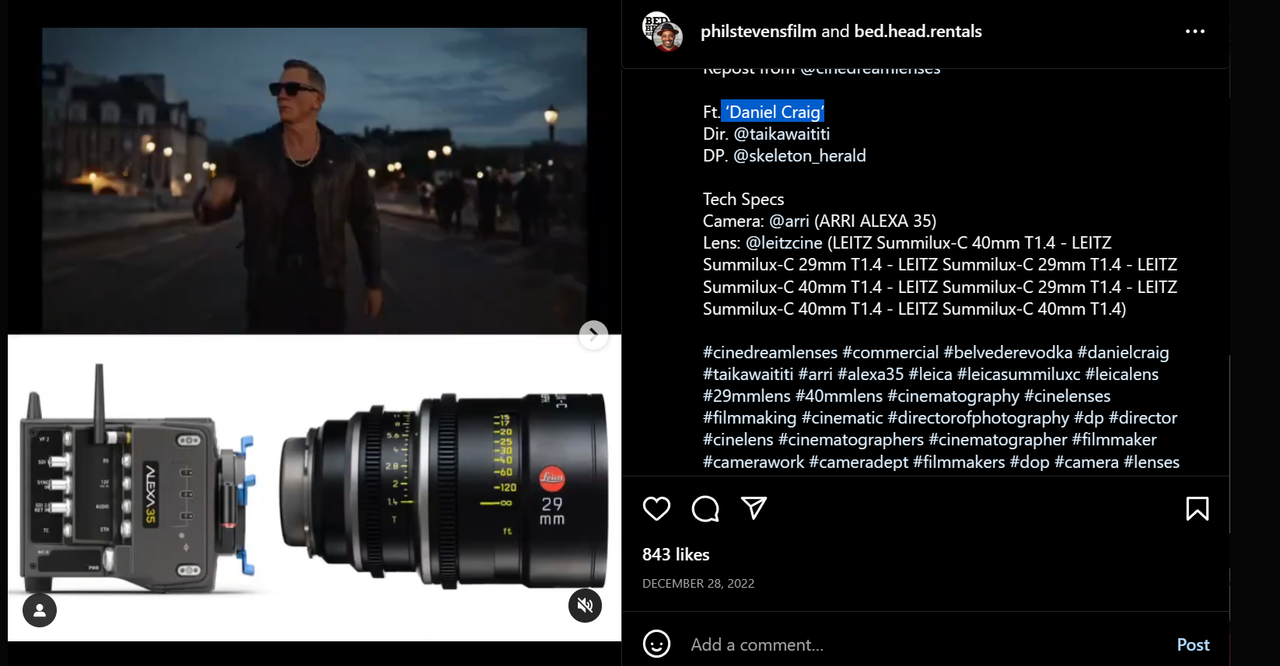
Belvedere Presents Daniel Craig, Directed by Taika Waititi: Director’s Cut

By

BelvedereVodka


Screenshot-8062.png
 
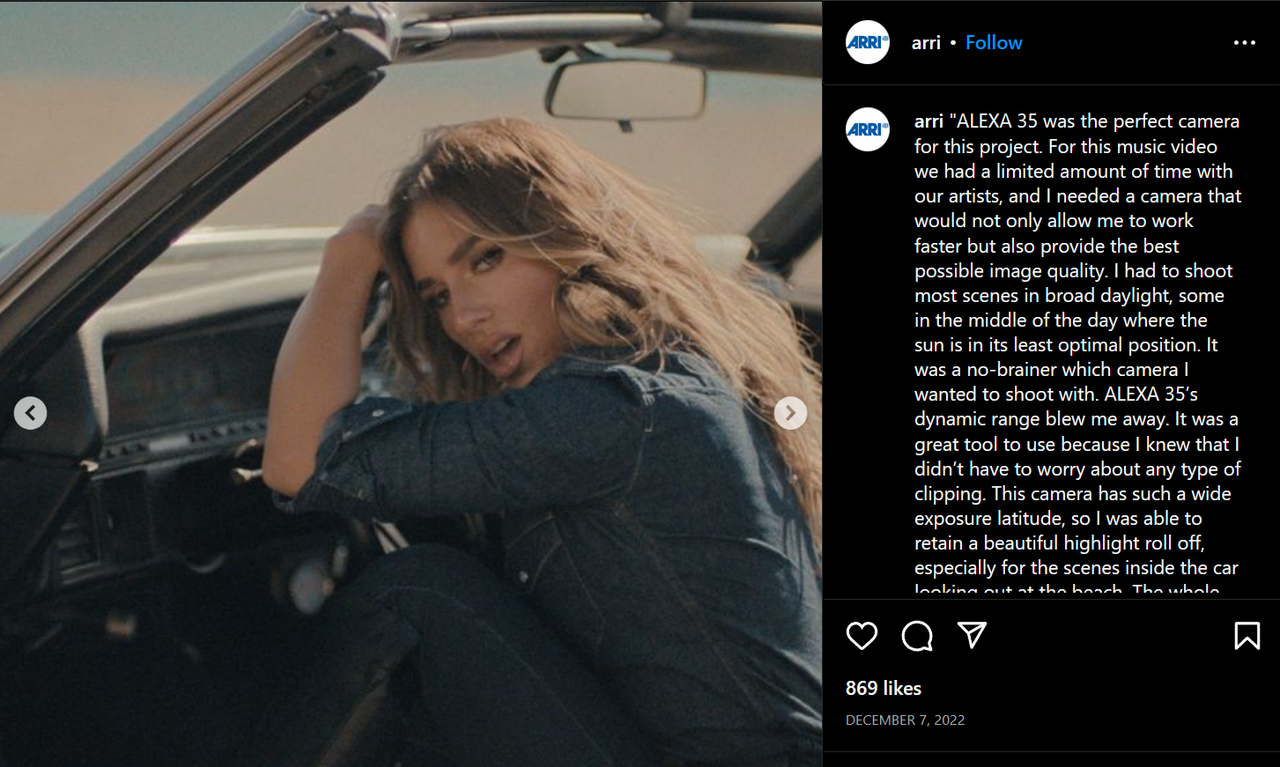
Jessie James Decker - I Still Love You (with Billy Currington) [Official Music Video]

By
Jessie James Decker


ARRI ALEXA 35

Screenshot-8063.png
 
Back
Top