


Daniel Reed
Well-known member
- Joined
- Nov 1, 2011
- Messages
- 802
- Reaction score
- 0
- Points
- 0
- Location
- SF Bay Area
- Website
- www.nextbooth.com
Anyone use contrast filters before for aiding the bare eye while working on setups (or designs in advance of setups)?
I've basically done this before for lowlight w/ sunglasses and have a gaffers glass ring I only use to check clouds/bulbs.
Apparently you can change out the #3 glass for different situations (Low ISO #2, B&W #1).
http://www.tiffen.com/displayproduct.html?tablename=filters&itemnum=3CVF
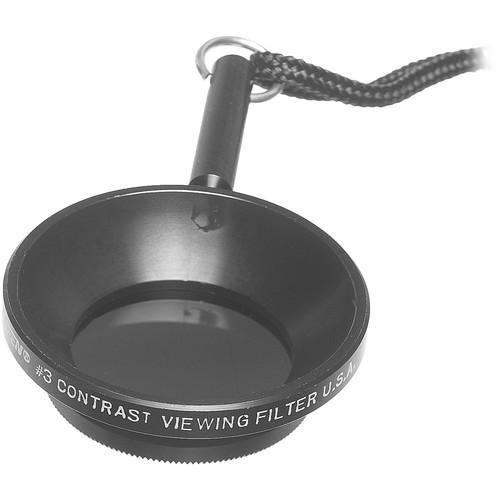
The Tiffen #3 Viewing filter is for faster film and video. Balancing lighting by eye is a matter of experience. Decisions can be aided through the use of contrast viewing filters. These are designed to handicap the eye, with its much greater range of apparent densities, to resemble the range of the various types of film.
Use contrast viewers to judge relative highlight and shadow densities There are viewers for black-and-white film, as well as various viewer densities for color film A darker viewer is used for slower film speeds, where you would tend to use brighter lighting; faster film, which can be used in dimmer settings would require a lighter viewerTiffen Viewing Filters
The #1 is for black-and-white imagingThe #2 viewer is for film speeds to 100#3 is for faster film; They can be used for video, as well, with the #3 being better suited for lower light levels The green #4 viewer is for process photography The blue #5 is for blue screen work, as well as for setting up color video monitors
$47 at B&H, throw in something extra to your order for a few bucks more and get free expedited shipping and no tax
http://www.bhphotovideo.com/c/produ...yGRSr-yoP5odv11zdQRY2gX-SD8Aq3gOR7BoCKcrw_wcB
I've basically done this before for lowlight w/ sunglasses and have a gaffers glass ring I only use to check clouds/bulbs.
Apparently you can change out the #3 glass for different situations (Low ISO #2, B&W #1).
http://www.tiffen.com/displayproduct.html?tablename=filters&itemnum=3CVF
The Tiffen #3 Viewing filter is for faster film and video. Balancing lighting by eye is a matter of experience. Decisions can be aided through the use of contrast viewing filters. These are designed to handicap the eye, with its much greater range of apparent densities, to resemble the range of the various types of film.
Use contrast viewers to judge relative highlight and shadow densities There are viewers for black-and-white film, as well as various viewer densities for color film A darker viewer is used for slower film speeds, where you would tend to use brighter lighting; faster film, which can be used in dimmer settings would require a lighter viewerTiffen Viewing Filters
The #1 is for black-and-white imagingThe #2 viewer is for film speeds to 100#3 is for faster film; They can be used for video, as well, with the #3 being better suited for lower light levels The green #4 viewer is for process photography The blue #5 is for blue screen work, as well as for setting up color video monitors
$47 at B&H, throw in something extra to your order for a few bucks more and get free expedited shipping and no tax
http://www.bhphotovideo.com/c/produ...yGRSr-yoP5odv11zdQRY2gX-SD8Aq3gOR7BoCKcrw_wcB
Last edited:


