Welcome to our community

Be a part of something great, join today!

  • Hey all, just changed over the backend after 15 years I figured time to give it a bit of an update, its probably gonna be a bit weird for most of you and i am sure there is a few bugs to work out but it should kinda work the same as before... hopefully :)

Why my videos does not look like film

they don't look like film because you're not shooting on film
 
Well, this is a very involved question. Firstly, I assume you are recording at about 24fps. That will get you part of the way towards a cinematic look. But the other part of the equation is film itself.

You can try emulation filters that try to emulate the colour palette of film, but that is only about colour - the texture is almost impossible to emulate. You can try to introduce some halation in the digital image, which might bring you a bit closer. You can try to shoot at a higher ISO, as well, which will introduce some noise. You could try adding some film grain emulation. Finally, you can also try a diffusion filter over the lens. Nothing too dramatic, just something to take the edge off the sharpness.

Another compromise might be to shoot on digital, print to film, then scan the film. That's expensive but as far as I can tell, it's as close as you're going to get.

Shooting on film is never going to be cheap, sadly. But for serious projects, it might be better to spend a bit extra and shoot on film in the first place. There are a lot of TV shows which could have been shot on digital (or video), but were shot on film instead. Those decisions were very, very wise.
 
I have not lookedat the clips. The short answer is that the cinematography, (a combination if camera, lenses, lighting framing and camera movement dictate the look of a film as opposed to a camera or look or lut. If it was easy, it would be easy. But its not easy. Its actually a skill and craft that takes some time to perfect.

David
 
I agree with David.
Do you want to achieve a film (celluloid) or a cinematic look?

On the latter that's primarily achieved with lighting-there's plenty of outlets online which can help lead you learn cinematic lighting techniques. I'd recommend Shane Hurlbut's inner circle. Quickly glancing at one of your videos your lighting is pretty flat: not really cinematic.

Lenses also determine your look more then any camera will. Today's cameras contain so much data/dynamic range it's what's in front of the sensor which determines the look of your image more then your camera. If your shooting on more modern glass like Canon there's less character to the image. Shooting with older optics can help lend a more filmic feel to your images.

Then of course camera movement, set/art design, etc., in addition to what everyone said earlier helps add to a more "cinematic look"

It's all trial and error, experimenting with different techniques, collaborating with other filmmakers, and the right equipment for each job. This isn't learned overnight, and can even take a lifetime to master.
 
Well, this is a very involved question. Firstly, I assume you are recording at about 24fps. That will get you part of the way towards a cinematic look. But the other part of the equation is film itself.

You can try emulation filters that try to emulate the colour palette of film, but that is only about colour - the texture is almost impossible to emulate. You can try to introduce some halation in the digital image, which might bring you a bit closer. You can try to shoot at a higher ISO, as well, which will introduce some noise. You could try adding some film grain emulation. Finally, you can also try a diffusion filter over the lens. Nothing too dramatic, just something to take the edge off the sharpness.

Another compromise might be to shoot on digital, print to film, then scan the film. That's expensive but as far as I can tell, it's as close as you're going to get.

Shooting on film is never going to be cheap, sadly. But for serious projects, it might be better to spend a bit extra and shoot on film in the first place. There are a lot of TV shows which could have been shot on digital (or video), but were shot on film instead. Those decisions were very, very wise.

also start with film then go to digital...(short ends 35mm helps)
 
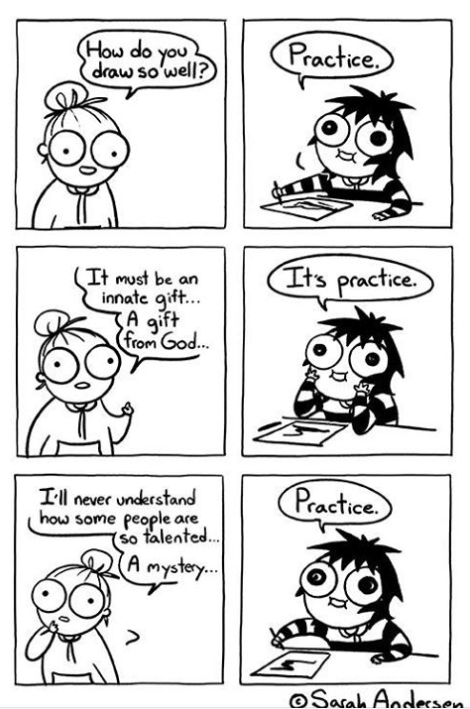
If I give you the best guitar in the world, are you going to sound right away live Steve Vai?, Eddie Van Halen?
It's not the instrument, it's how you use it. And to use it well you need to learn and practice, practice, practice...
 
Im sure a good DP could shoot on film an make it look just like your stuff. It simply takes good knowhow to understand what settings, light setups, lenses etc that gives what result. Point and shoot with a "cinema camera" might render great results but chances are as there is so many different parameters that can be adjusted that it does not look so great.

When you say you want it to look like film, I think you actually mean you want it to look like good looking films, like hollywood films.

Well such films only involve people that are top rank at what they do. Everything from production designer, art director, camera and light crew, DP etc are usually hand picked and usually among the best on the planet on what they do. So shooting something by your self even though the camera is the same as those hollywood guys use is possibly increasing your chances to get the same look as them but you then only have one parameter out of many thats is the same as theirs.

But yes there are some quite simple rules to make nice pictures, easiest is to learn those in photography courses. Some learn from working as a camera assistant and such but normally then you only get to see how to do it right and that does not really make you understand why its done that way and what happens if you dont.

And ontop of if all practice does not really solve it all. Some got an eye for it. Simply they have a talent to envision pictures better than others. Just like some people are really talented when it comes to drawing and some are so shit bad that it would not really matter how much they practiced as they simply just don´t have the right mind for it.

One thing with film is that we all get to see the very best every day in tv, movie theaters etc the best stuff out there is shown and I think even though we watch the bts and attend shoots and so on it´s difficult to grasp how much work, luck and talent actually went into making those films. Beating them is simply shit hard thing to do.
 
Pretty hard to make a talking head in front of a cyc look "cinematic", if you ask me.

Take the same content and put the subject in a vintage hotel bar seated in a red leather booth against dark oak paneling, lit by the warm glow of an overhead tungsten practical and you'll begin to realize the benefit of set/art design and location scouting. Don't forget about wardrobe either.

Just my .02¢
 
There are a lot of TV shows which could have been shot on digital (or video), but were shot on film instead. Those decisions were very, very wise.

In the past that was true. Today, however, the only shows I can think of (at least those produced by North American entities) that are on film are The Walking Dead and Westworld. I've been in the industry for a long time now, so you might think I'd be somewhat attached to film, but you'd be wrong. Frankly, I don't see any really good reason to shoot film in 2017 and beyond. It's more difficult than ever to deal with, as there's only one manufacturer left, the vast majority of labs have long since been closed, and the number of telecine/scanning facilities is much, much lower as well. Essentially all post production is done digitally today unless your name is Chris Nolan or Quentin Tarantino. And even then, every visual effects shot (which represents about 75% or more of all large pictures today) is going to be done digitally. Hell, just getting dailies turned around is likely to take 2 days (or more) if you're not shooting in London or Los Angeles. If I saw a huge visual advantage I could better understand, but honestly, I really don't. And while it's not uncommon to add "grain" to digital productions, it's equally as common to attempt grain reduction in film productions. To me, great production design, great lighting, attention to details, properly managed post production, appropriate color grading, and properly made distribution elements are far more important to the look of any project than the origination medium today.
 
practice.png
 
Back
Top