- Moderator
- #81

- Joined
- Apr 19, 2007
- Messages
- 13,390
- Reaction score
- 793
- Points
- 113
- Location
- Los Angeles
- Website
- www.phfx.com
Hello Earthlings,
Now that embargo is over, brief thoughts.
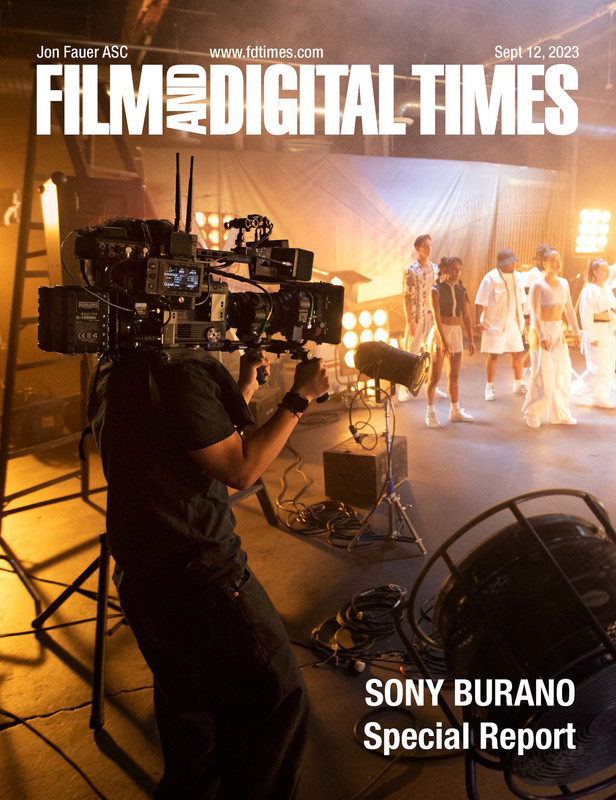
A few notable things. Sony is positioning this camera as a "baby Venice" and it is that. Not the younger brother even, but baby. It's not much different in some regards. Major differences really come down to frame rates, image stabilization, autofocus, codecs, ND, size, etc. No 3:2 recording here on this body.
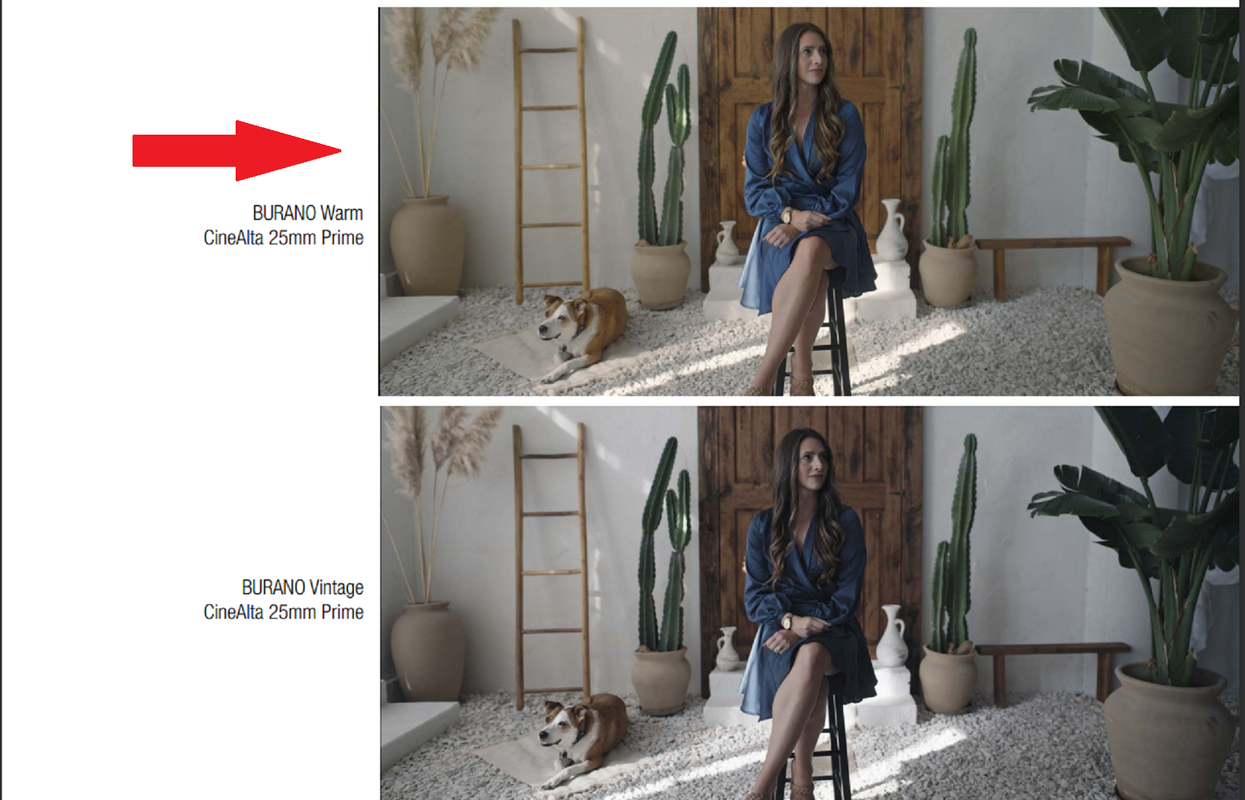
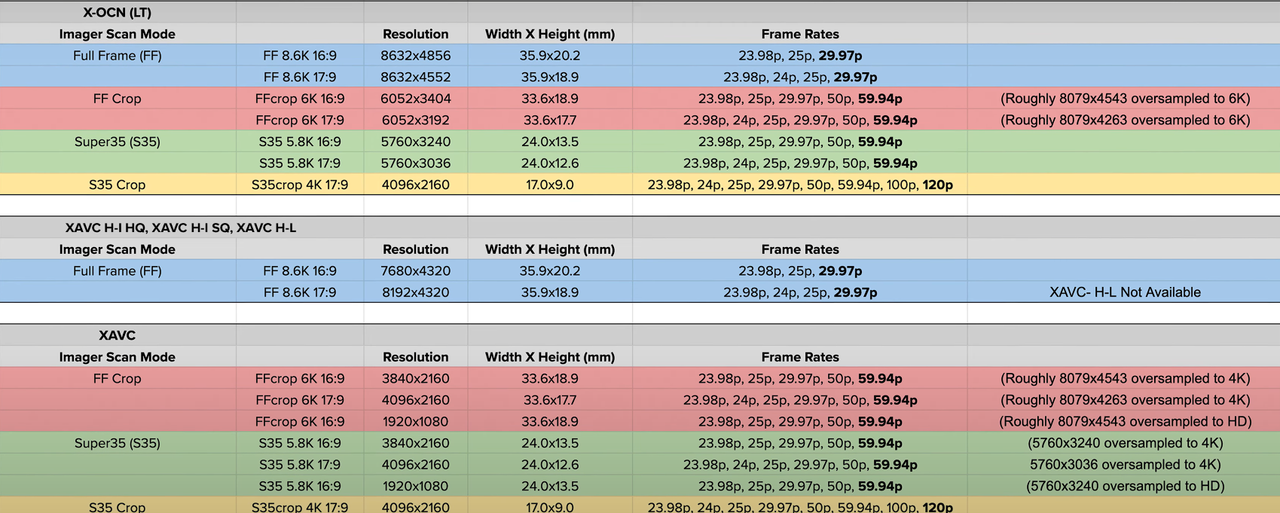
Internal RAW on Burano is limited to X-OCN LT, both good and sort of a medium warmth there. Many shoot on some Sony cameras (as well as others) to tap into very lightweight codecs like XAVC. This camera is an interesting place where it provides a decent somewhat nimble RAW format and much more nimble codecs. And I suspect for those new to working with X-OCN, this might be a nice way to begin.
Sony isn't going to poach the higher end Venice market, so feature-wise, it's just not going to be "there". At $25,000 you get an 8.6K full frame camera that tops out at 30fps. Personally, I would have pushed for 60fps in something in this realm to make that price tag feel a bit more right.
The biggest camera to take a hit here really is the FX9. But that camera also took a major hit when the FX6 came out.
Generally speaking, Venice II competes rather squarely with Monstro overall, though that isn't how many look at that. And more recently people have seen the power of V-Raptor 8K VV in side by sides showing where the notable gains are (HBO's CAS comes to mind). This camera situates in a rather different spot honestly.
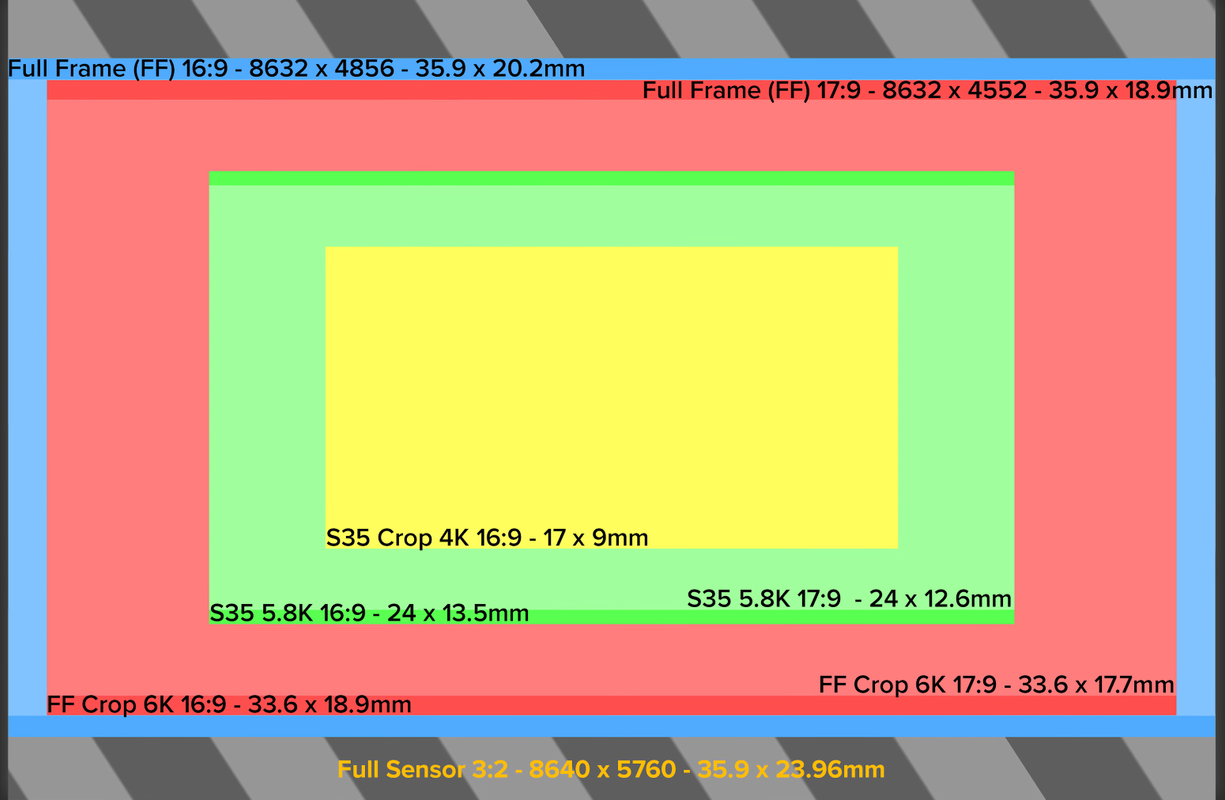
We're talking 8.6K 30fps FF35 versus 8K VV up to 120fps, with Raptor being a notably wider image and in this case ever so slightly taller. Venice II however can roll the full 3:2 image, Burano is 8.6K 17:9 or 16:9 max.
Raptor however is a more expensive system as a whole to get up and running when you kit it out, but not by too much in reality. But that honestly should be the case considering the differences. And I'm not event getting down to things like Dual Record or any of that.
I'm certain it will be a popular camera, but in this case it's not some sort of weird doom and gloom. It is interesting how Sony has been building on this sensor design since the A1 through Venice to Burano. I suspect what's going on here is closer to A1 in terms of implementation just due to the AF alone, but perhaps with some other improvements.
Raptor is about 2 years old this month/next month. And it's clearly got legs comparatively to other options on the market.
This being September and Burano targeting an April 2024 release is pretty wild advance notice, but I'm betting they will be doing a lot of firmware work leading up to this camera's release.
I would say a major thought in my head is where Canon might take say a revised Canon R5c sensor, perhaps stacked CMOS based, and putting it into something close to a C500-ish body. 8K 60fps with that range of RAW found in the R5c and additional codecs might be spicy. And I think they'd float in the $15-20K range. But that's theory crafting.
I guess some quick last words. Cameras at various price points are very powerful now. I have a bunch of them, but there's a mega difference between something like Raptor and say some of the mirrorless fair when it comes down to it. Those differences may be very meaningful and visible to you, to many, perhaps not. Really depends on what you're doing and how you're doing it.
To that point on the premium side of things between Arri, RED, and Sony it's nice to see all three taking different roads providing a vibrant landscape. Sony clearly wants to encroach further particularly on Arri's turf when you look at the cameras here. RED's kind of doing their own thing, which is probably the best course of action.
Now that embargo is over, brief thoughts.
A few notable things. Sony is positioning this camera as a "baby Venice" and it is that. Not the younger brother even, but baby. It's not much different in some regards. Major differences really come down to frame rates, image stabilization, autofocus, codecs, ND, size, etc. No 3:2 recording here on this body.
Internal RAW on Burano is limited to X-OCN LT, both good and sort of a medium warmth there. Many shoot on some Sony cameras (as well as others) to tap into very lightweight codecs like XAVC. This camera is an interesting place where it provides a decent somewhat nimble RAW format and much more nimble codecs. And I suspect for those new to working with X-OCN, this might be a nice way to begin.
Sony isn't going to poach the higher end Venice market, so feature-wise, it's just not going to be "there". At $25,000 you get an 8.6K full frame camera that tops out at 30fps. Personally, I would have pushed for 60fps in something in this realm to make that price tag feel a bit more right.
The biggest camera to take a hit here really is the FX9. But that camera also took a major hit when the FX6 came out.
Generally speaking, Venice II competes rather squarely with Monstro overall, though that isn't how many look at that. And more recently people have seen the power of V-Raptor 8K VV in side by sides showing where the notable gains are (HBO's CAS comes to mind). This camera situates in a rather different spot honestly.
We're talking 8.6K 30fps FF35 versus 8K VV up to 120fps, with Raptor being a notably wider image and in this case ever so slightly taller. Venice II however can roll the full 3:2 image, Burano is 8.6K 17:9 or 16:9 max.
Raptor however is a more expensive system as a whole to get up and running when you kit it out, but not by too much in reality. But that honestly should be the case considering the differences. And I'm not event getting down to things like Dual Record or any of that.
I'm certain it will be a popular camera, but in this case it's not some sort of weird doom and gloom. It is interesting how Sony has been building on this sensor design since the A1 through Venice to Burano. I suspect what's going on here is closer to A1 in terms of implementation just due to the AF alone, but perhaps with some other improvements.
Raptor is about 2 years old this month/next month. And it's clearly got legs comparatively to other options on the market.
This being September and Burano targeting an April 2024 release is pretty wild advance notice, but I'm betting they will be doing a lot of firmware work leading up to this camera's release.
I would say a major thought in my head is where Canon might take say a revised Canon R5c sensor, perhaps stacked CMOS based, and putting it into something close to a C500-ish body. 8K 60fps with that range of RAW found in the R5c and additional codecs might be spicy. And I think they'd float in the $15-20K range. But that's theory crafting.
I guess some quick last words. Cameras at various price points are very powerful now. I have a bunch of them, but there's a mega difference between something like Raptor and say some of the mirrorless fair when it comes down to it. Those differences may be very meaningful and visible to you, to many, perhaps not. Really depends on what you're doing and how you're doing it.
To that point on the premium side of things between Arri, RED, and Sony it's nice to see all three taking different roads providing a vibrant landscape. Sony clearly wants to encroach further particularly on Arri's turf when you look at the cameras here. RED's kind of doing their own thing, which is probably the best course of action.