Welcome to our community

Be a part of something great, join today!

  • Hey all, just changed over the backend after 15 years I figured time to give it a bit of an update, its probably gonna be a bit weird for most of you and i am sure there is a few bugs to work out but it should kinda work the same as before... hopefully :)

RedWideGamutRGB: discuss!

Michael Tiemann

Well-known member
Joined
Oct 4, 2008
Messages
2,216
Reaction score
1
Points
38
Website
manifoldrecording.com
There are a few different threads that started off as Helium or 8K VV threads, but which morphed into the topic of color science. Awesomely, the RAW R3D format means that even those of us with conventional WEAPONs (and DRAGONs) get the new color science. Yay!

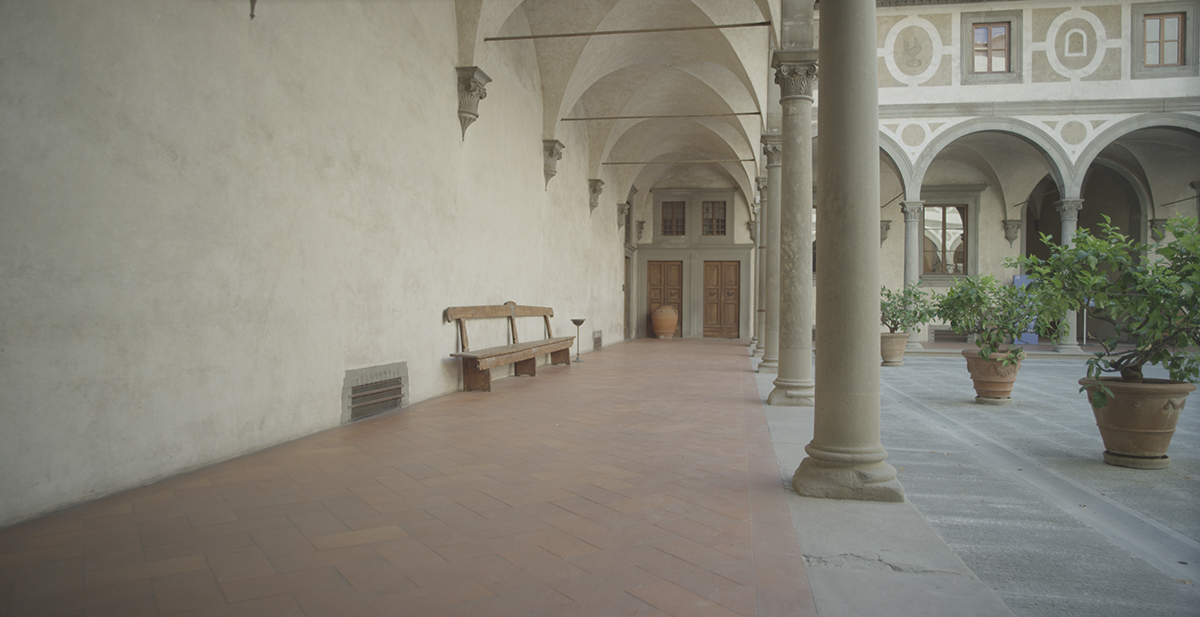
I submitted a badly behaved R3D frame to RED some months ago. When viewed in linear light, it is clear that nothing is clipping. But when converted to DC2/RG4, multiple bizarre color artifacts emerged. Architectural lights (meaning colored glass that let light pass through, not lights aimed at architectural elements) that were blue started fringing purple in the hot spots. Changing the color temperature from warm to cold reduced that, but then architectural lights that were purple would fringe blue. And the colors were way, way too saturated.

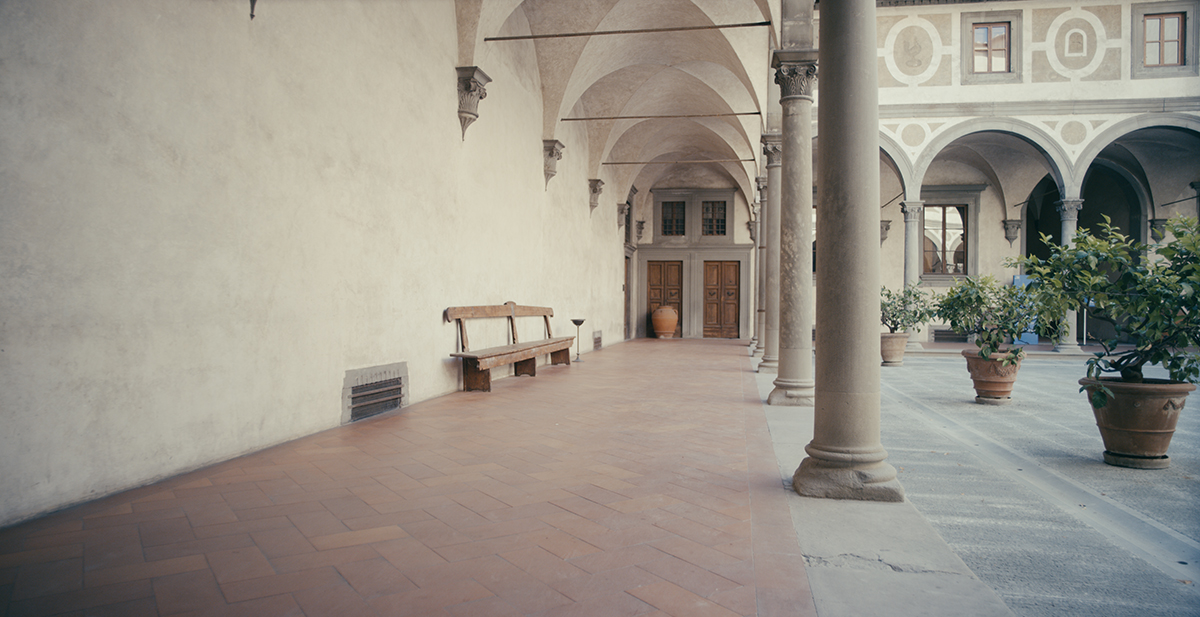
With RedWideGamutRGB, the colors stay in the box, but they are very much desaturated from the real-life vibrant colors of the diamond lights. If you know what light looks like when it goes through cobalt-blue glass, that is the color blue we are aiming for. It's blue. It never turns purple. In any case, I think RedWideGamutRGB will be a very helpful starting place for me to build a LUT that ultimately handles my (architectural) glass.

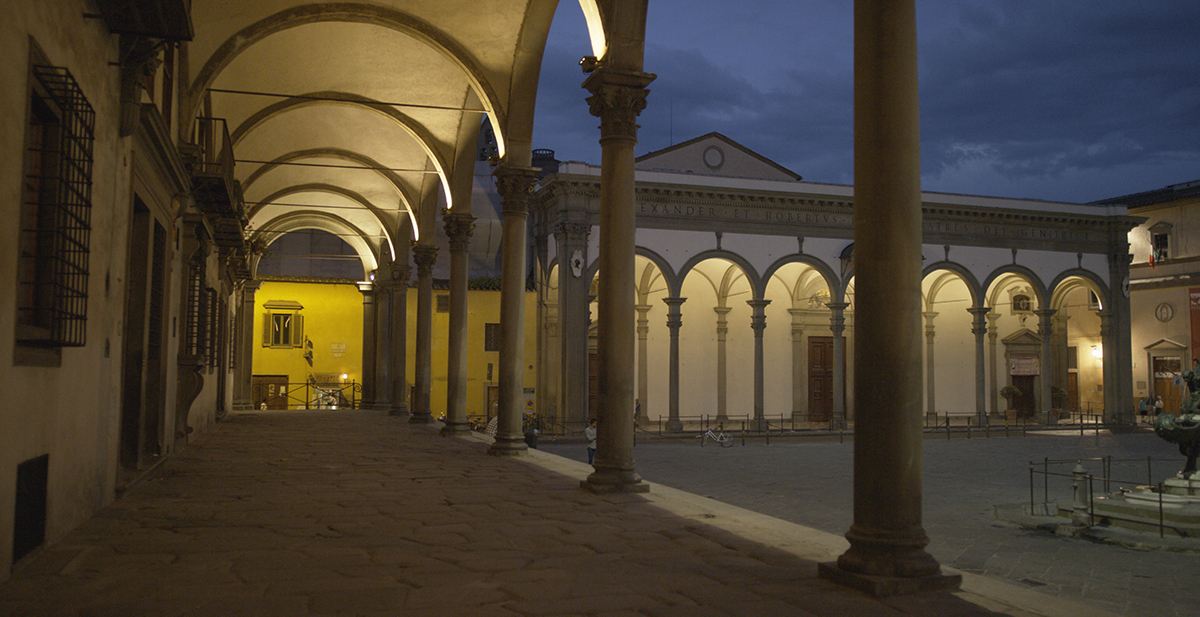
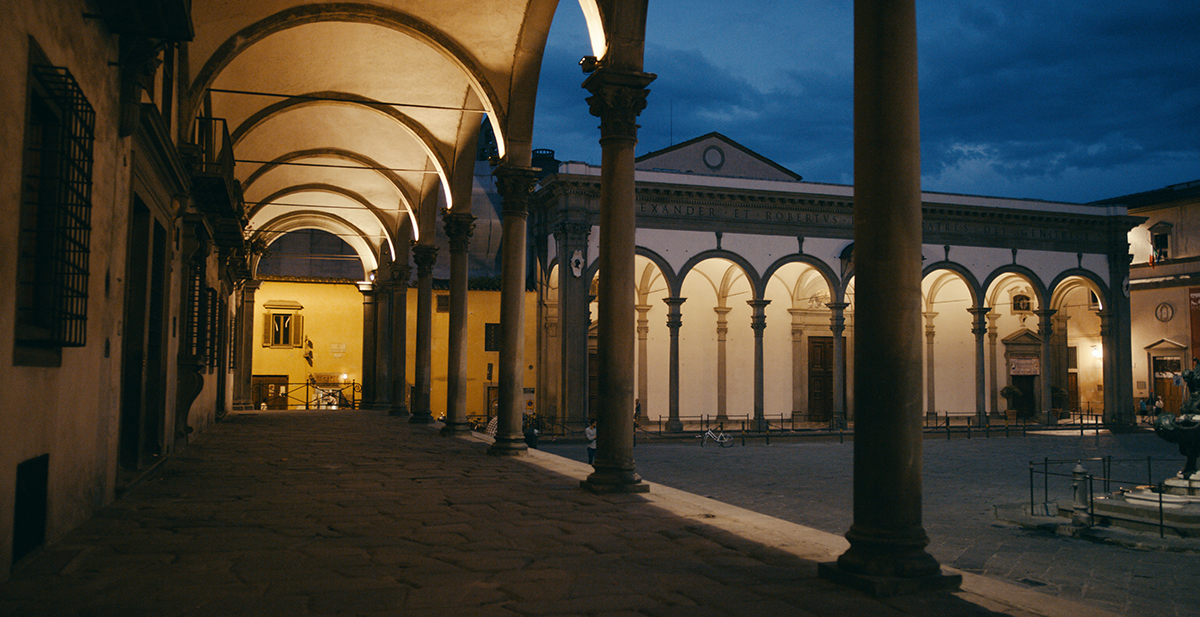
Here is the R3D file, along with some JPG stills showing how things change across temperature (with DC2) compared to RedWideGamutRGB:

https://www.dropbox.com/sh/id1lhjnss1ot8uw/AAAZh3JrW_lGmQrhSw4Awb_6a?dl=0
 
Thanks for investigating RWG Michael!

Graeme
 
I'm looking at some differences in LUT performance with the RWG selected. Interesting. :)

David
 
LUTs should perform very well on RWG data. I've done extensive testing here with that use case and it's working very well.

Graeme
 
I'm noticing less of a need to dail back saturation and just an overall crispness to the layers within the image :)

David
 
Last edited:
That's great feedback David. Thanks!

Graeme
 
Here is a quick and dirty using RCX to import and apply the LUT. 5300K seemed to be the sweet spot for a onelight. Obviously lots more could be done.

DC/RG3

noLUT.jpg


LUT applied with RWG/Reglogfilm

kodakLUT.jpg
 
That's looking sweet David!

Graeme
 
With RedWideGamutRGB, the colors stay in the box, but they are very much desaturated from the real-life vibrant colors of the diamond lights.

Well, yes. That is the nature of a wide gamut color space viewed on a display with a much narrower gamut. "Proper" saturation would be achieved via use of a color matrix in the processing path. In Arri wide gamut color pipelines, this is often implemented as part of the LUT. Up to this point in time, Red has always done this as part of the debayer process, offering different matrices for the purpose (Redcolor 1-3, Dragoncolor, etc.), allowing a RedlogFilm output to be "normalized" by a 1D LUT and achieve "normal" saturation. With the use of the wide gamut color space, you're basically back to what in much earlier Red days was referred to as "Camera RGB," albeit with more sophistication and much better accuracy. But it also means that to yield "normal" saturation is going to require a color matrix somewhere in the post path.
 
Well, yes. That is the nature of a wide gamut color space viewed on a display with a much narrower gamut. "Proper" saturation would be achieved via use of a color matrix in the processing path. In Arri wide gamut color pipelines, this is often implemented as part of the LUT. Up to this point in time, Red has always done this as part of the debayer process, offering different matrices for the purpose (Redcolor 1-3, Dragoncolor, etc.), allowing a RedlogFilm output to be "normalized" by a 1D LUT and achieve "normal" saturation. With the use of the wide gamut color space, you're basically back to what in much earlier Red days was referred to as "Camera RGB," albeit with more sophistication and much better accuracy. But it also means that to yield "normal" saturation is going to require a color matrix somewhere in the post path.

Very good point!
 
Yes Mike - RWG is quite similar to CameraRGB, but it's standardized so that it is one colour space rather than an almost infinite array of spaces that differed upon the nuances of the camera, sensor and how the raw development was set up. RWG gives plenty of the benefit of CameraRGB and some new abilities, and as all the cameras get normalized into it, workflow can be greatly simplified.

Graeme
 
Forgive me if it's obvious but I'm not seeing the option for RWG in the drop-down menu in RCX. I went into preferences and checked "show advanced controls" and still not seeing it.

I'm on build 41.0.0

Thanks!
Daniel
 
You need to get the beta for version 42, and then make sure advanced controls are turned on.

Graeme
 
M Most said:
"Proper" saturation would be achieved via use of a color matrix in the processing path.


One of Poynton's FXPHD talks goes into a lot of detail on this very subject. He shows an example of a camera's native gamut and how you need to apply a 3x3 matrix for it to be really useful.
 
Is this normally saturated, oversaturated, undersaturated?

wuiddh.jpg


qsl94i.jpg


In RCXP beta 42:
- REDWideGamutRGB
- Log3G12
- Kelvin 5600
- Tint 0
- ISO 800...

...everything default.

"Full CTB" added, and graded for brightness in NLE...by eye-ballin. :biggrin:

Second shoot with A.D.D.
 
Back
Top