Michael Tiemann
Well-known member
There are a few different threads that started off as Helium or 8K VV threads, but which morphed into the topic of color science. Awesomely, the RAW R3D format means that even those of us with conventional WEAPONs (and DRAGONs) get the new color science. Yay!
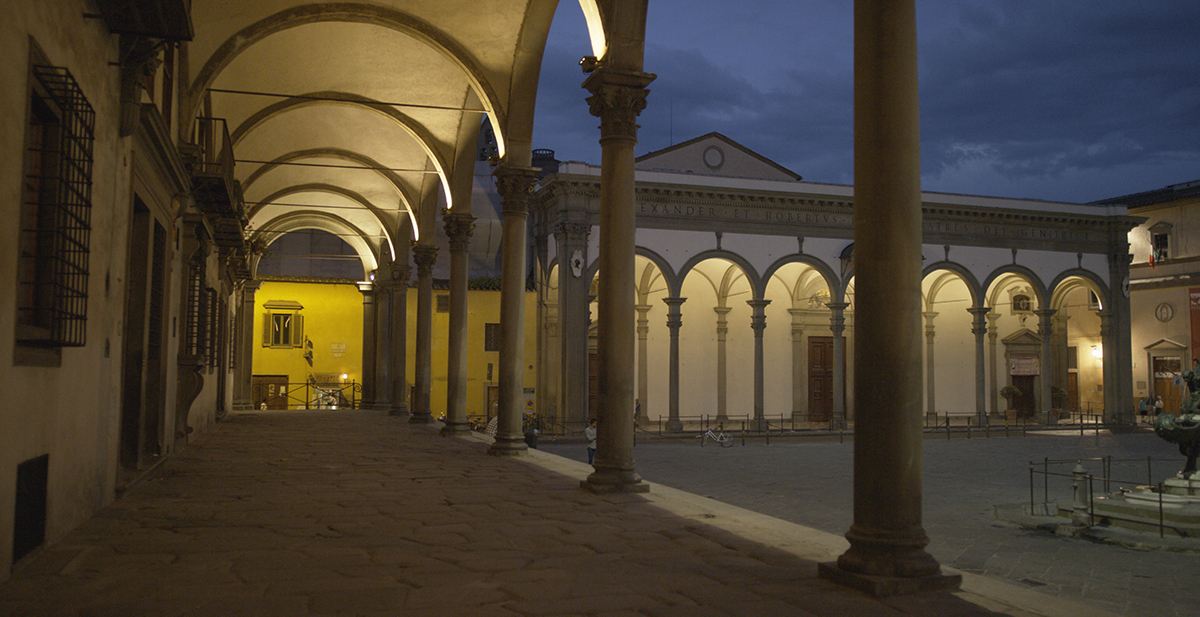
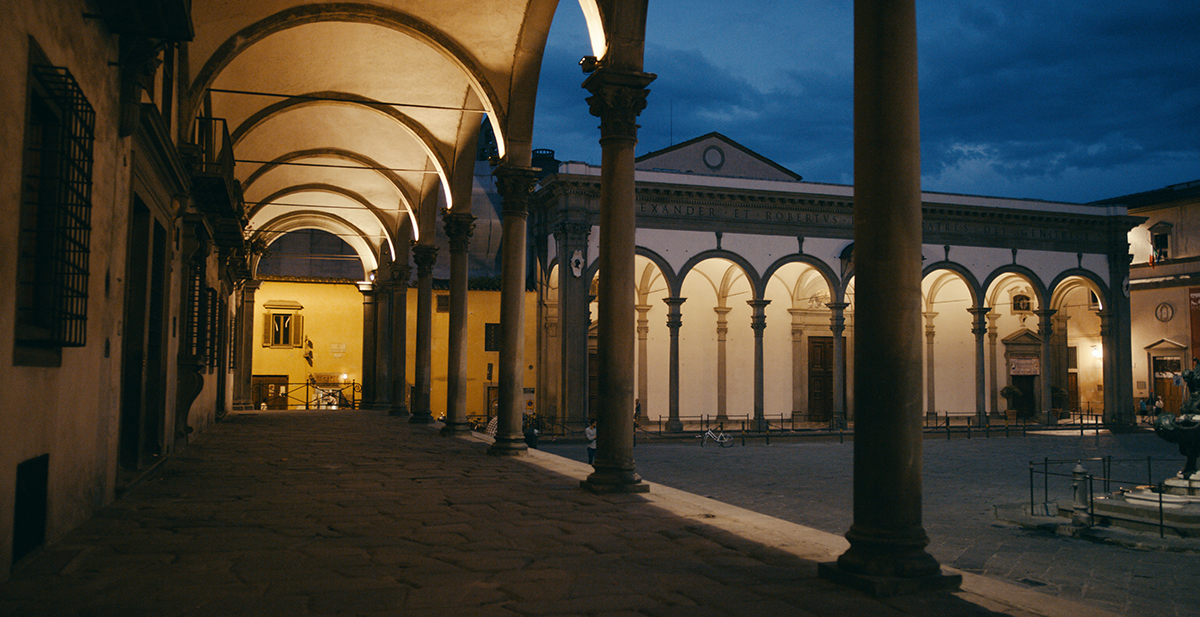
I submitted a badly behaved R3D frame to RED some months ago. When viewed in linear light, it is clear that nothing is clipping. But when converted to DC2/RG4, multiple bizarre color artifacts emerged. Architectural lights (meaning colored glass that let light pass through, not lights aimed at architectural elements) that were blue started fringing purple in the hot spots. Changing the color temperature from warm to cold reduced that, but then architectural lights that were purple would fringe blue. And the colors were way, way too saturated.
With RedWideGamutRGB, the colors stay in the box, but they are very much desaturated from the real-life vibrant colors of the diamond lights. If you know what light looks like when it goes through cobalt-blue glass, that is the color blue we are aiming for. It's blue. It never turns purple. In any case, I think RedWideGamutRGB will be a very helpful starting place for me to build a LUT that ultimately handles my (architectural) glass.
Here is the R3D file, along with some JPG stills showing how things change across temperature (with DC2) compared to RedWideGamutRGB:
https://www.dropbox.com/sh/id1lhjnss1ot8uw/AAAZh3JrW_lGmQrhSw4Awb_6a?dl=0