Johnathan Smith
New member
- Joined
- Jun 23, 2020
- Messages
- 2
- Reaction score
- 0
- Points
- 0
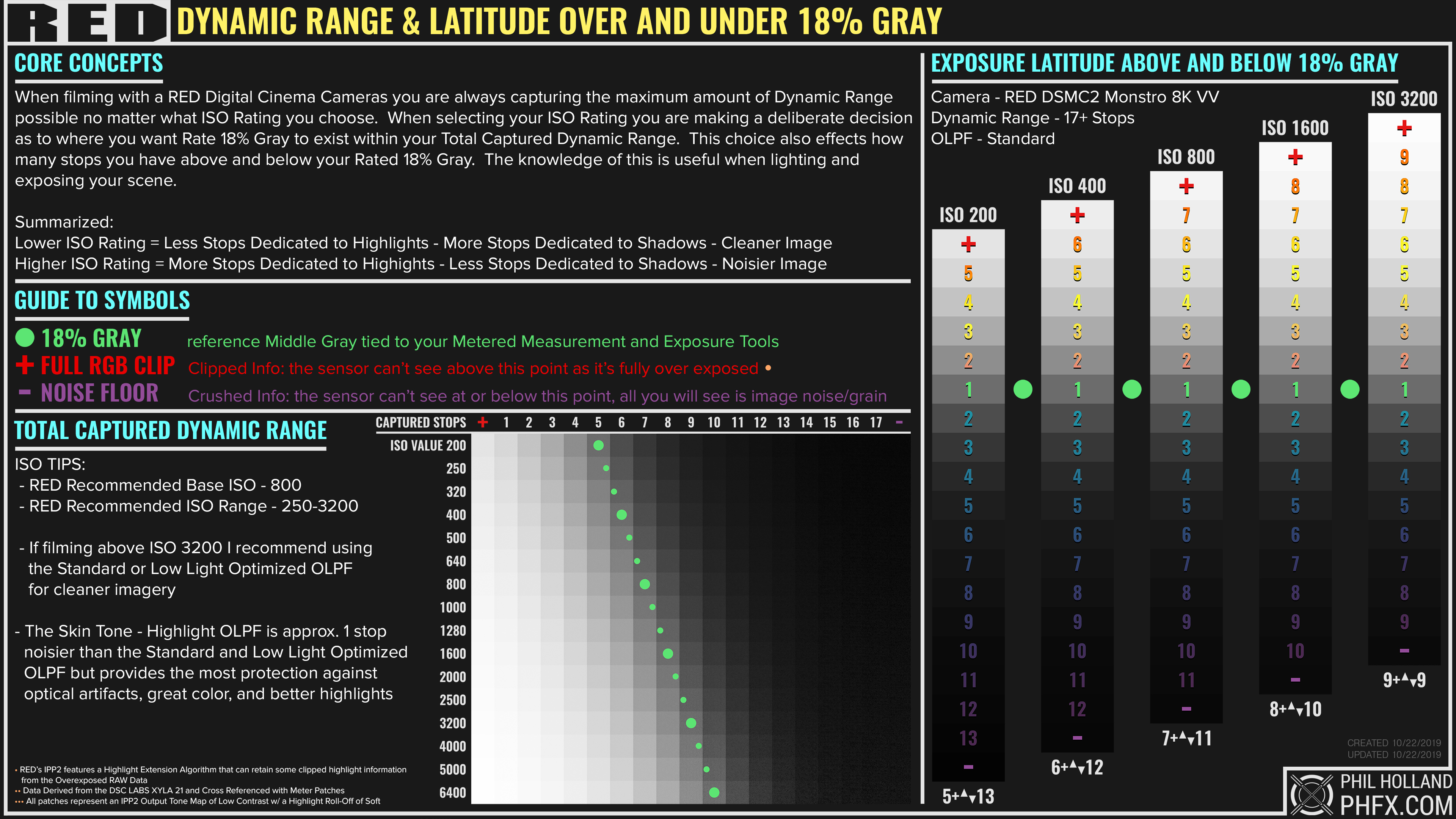
Coming from the Fs7, in Cine EI, I always rated the camera below the base ISO, resulting in a well exposed image in the viewfinder, and an over-exposed image on the MXF file in post. When the exposure is brought back down in post, the shadows are much cleaner, and less blotchy than if I shot at the base ISO.
While the FX9, is great in low light, and much better than the Fs7, I have found that using a similar method, of rating the camera at a lower than base ISO, does result in much cleaner shadows and dark colors of the frame, that are less blotchy. I’m wondering if anyone else has tested this out and used this method as well.
With the FX9, you have to go about it a little differently than the Fs7. In Cine EI, in order to access the lower ISOs, you have to Internal Record the LUT, except the LUT that you choose is SLOG3. Internally recording an Slog3-LUT seems to be the same as shooting Slog3 without Internally Recording a LUT. This allows me to drop the ISO to say 500 or 320, thus opening up the iris, and exposing the sensor to more light. With this method, the dark shadows end up much cleaner than if it were exposed at 800, and since the Slog3 LUT is baked in, what you see in your viewfinder is exactly what you get in post, so no correction needed, like when you rate the Fs7 at a lower ISO (because the Fs7 doesn't offer an Slog3 Lut).
I’ve also found that rating the 4000 Base ISO lower, say at 2000, gave a cleaner image than 800 at the Base 800.
Again, I know the Fx9 is pretty clean already, but I add grain in post, and do not like what happens in the shadows on these Sonys, at the base ISOs.
I’ve never seen anyone write about this anywhere online, so I wanted to see if anybody has a similar experience.
While the FX9, is great in low light, and much better than the Fs7, I have found that using a similar method, of rating the camera at a lower than base ISO, does result in much cleaner shadows and dark colors of the frame, that are less blotchy. I’m wondering if anyone else has tested this out and used this method as well.
With the FX9, you have to go about it a little differently than the Fs7. In Cine EI, in order to access the lower ISOs, you have to Internal Record the LUT, except the LUT that you choose is SLOG3. Internally recording an Slog3-LUT seems to be the same as shooting Slog3 without Internally Recording a LUT. This allows me to drop the ISO to say 500 or 320, thus opening up the iris, and exposing the sensor to more light. With this method, the dark shadows end up much cleaner than if it were exposed at 800, and since the Slog3 LUT is baked in, what you see in your viewfinder is exactly what you get in post, so no correction needed, like when you rate the Fs7 at a lower ISO (because the Fs7 doesn't offer an Slog3 Lut).
I’ve also found that rating the 4000 Base ISO lower, say at 2000, gave a cleaner image than 800 at the Base 800.
Again, I know the Fx9 is pretty clean already, but I add grain in post, and do not like what happens in the shadows on these Sonys, at the base ISOs.
I’ve never seen anyone write about this anywhere online, so I wanted to see if anybody has a similar experience.