

Robin Balas
Well-known member
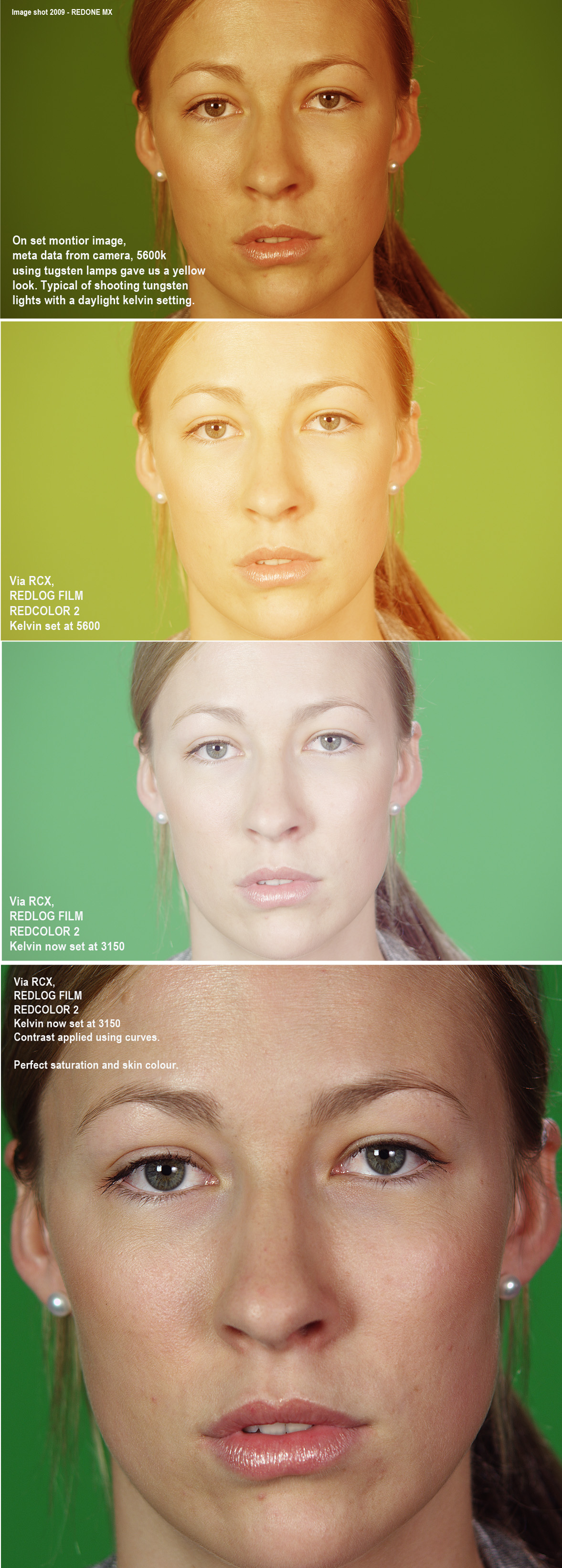
I think that's an incredibly unfair criticism of us trying to bring a real problem to light and find its solution. There is a genuine problem with red sensors and television make-up and we've attempted to be constructive about it. Those make-up teams have been working for years with certain parameters and they're the only make-up artists that specific celebrity talent will allow to be used. Having them change their entire method for one or two days on a camera they rarely ever see isn't the easiest thing for them to do, or to be asked of them. The easiest solution would be to use a different camera.
The Red is great, but it's not perfect and there's always room for improvement. If this is the only camera having this issue, then it's the odd man out and it's easy to have the finger pointed at it and have suggested that something else be used. Don't mistake constructive criticism and genuine offers to help solve the issue as complaining, because that's certainly not the case here.
You state "There is a genuine problem with red sensors..." - could you care to elaborate what makes one come to the conclusion that it is a hardware issue with RED's sensors and not a color science issue, i.e. software?
To my knowledge it would be a world first if it is confirmed that a piece of silicon behavied differently with skin tone color frequencies than other frequencies.
Have Graeme or RED confirmed it to be a sensor issue and not a color interpretation, i.e. color science issue?
This is a know issue in stills photography that a lot of make up mis-behaves under strobe lighting or cheap tungsten lighting from IR heavy sources) which contains a very skewed balance of UV/IR/Visible-light, but that professional make up should behave this way under "normal" light including daylight sounds a bit strange - it must be a different phenomen at work.
I know that Hasselblad supposedly spent a lot of effort tweaking their colorprofiles for their MF digital backs, with respect to skin tones, some years ago. The approach was to make sure the very narrow band of skin tones was firstly mapped 100% correctly to avoid any artifacts caused by small hue shifts in that band of hues and secondly to "enhance" skin tones by deliberatly manipulating the response in the skin tone area to make them "nicer" to th eviewer. If it really is a color science issue it should be reproducable regardless of using make-up or a color pigment. If it does matter if make-up or pigments are used, it indicates an non-natural response to the light source beeing used. Hence it should be a issue with the light source, filtration in front of the sensor or a combination - the silicon itself cannot have such a behaviour regardless of what one might think.
It will be interesting to hear what you find though, I only hope that you check really good the actual make up and its respons to IR and UV light as well. The argument that other cameras doesn't show it could also mean that these cameras have adressed the skin tone issue in software. It doesn't have to be a physical sensor issue.


 )) kidding.
