Keith Putnam
Well-known member
- Joined
- Jul 17, 2008
- Messages
- 185
- Reaction score
- 0
- Points
- 0
- Location
- Rego Park, NY
- Website
- isota.blogspot.com
Having spent those two days with OffHollywood shooting the video for Dawn Landes and the fashion/editorial project for Pieter Henket and Loic Maes, I'm spending even more time refreshing my email inbox in hopes of finding my upgrade email from RED.
The Dragon sensor is a light vacuum; nothing escapes. We had to spend a very long time blacking out the "set" we built, because even with establishing a very high contrast ratio between our subject and the background it was nearly impossible to not see walls which would need to be graded or matted out in post.
I was using a paper lantern with a 200w incandescent bulb on a dimmer to provide a little kiss of fill for our match-lit music video, not because it was necessary for exposure but for aesthetic contrast reasons, and I kept having to reduce and reduce and reduce the level of fill until the bulb filament was just barely glowing because it was simply too much light otherwise.
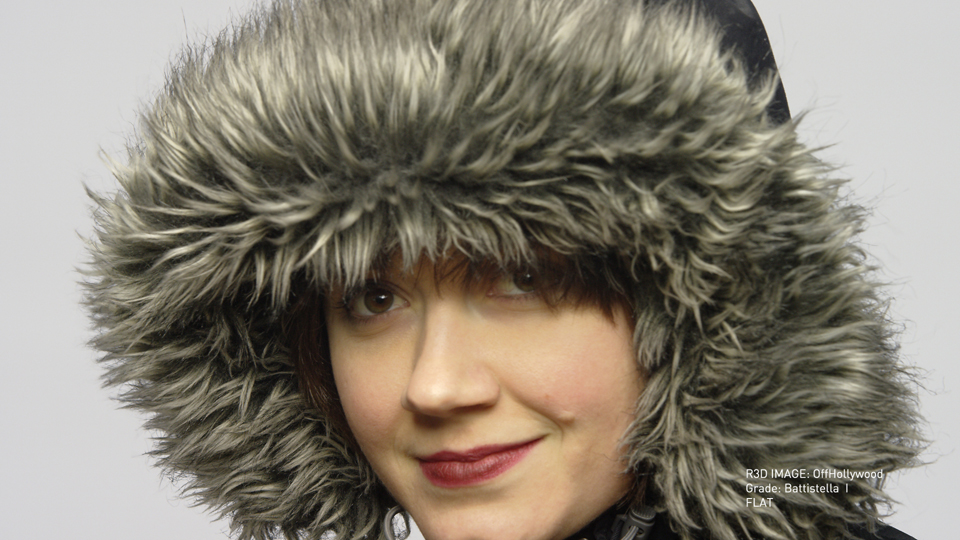
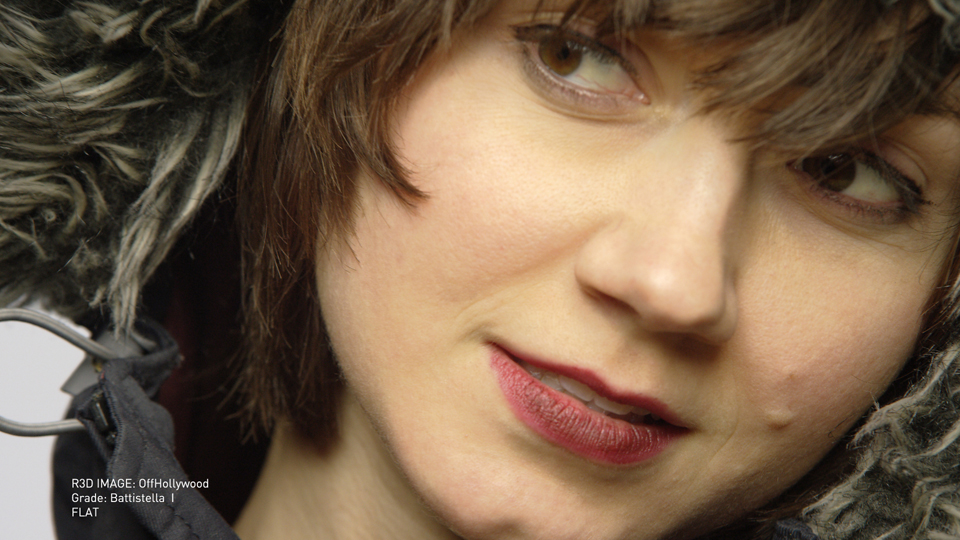
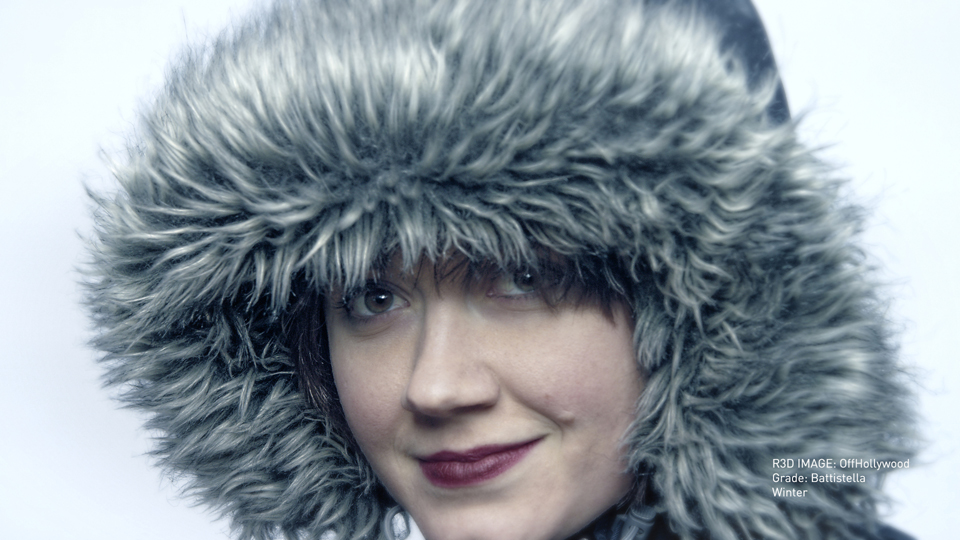
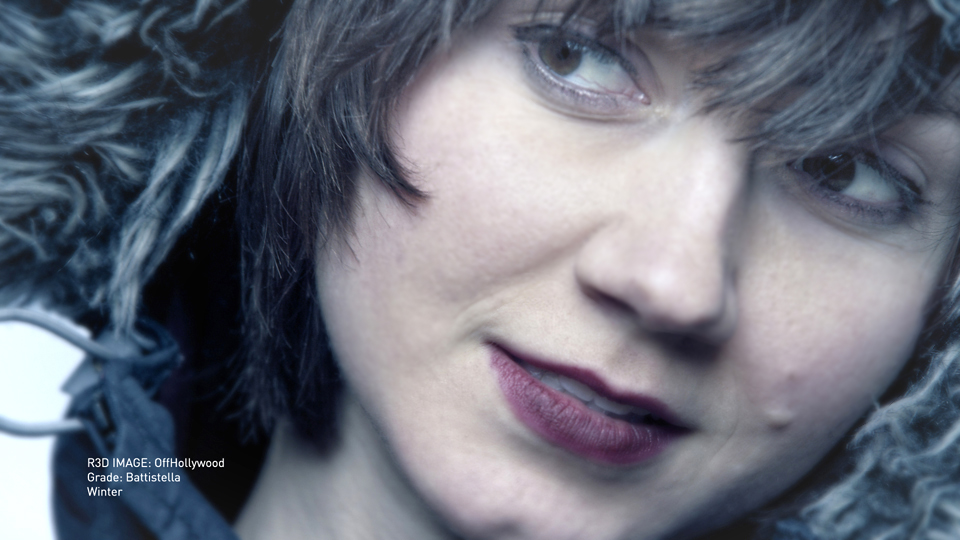
In pushing around R3Ds for grading, I've been especially impressed with the subtleties one is able to achieve with contrast and color within skin tones. I was always annoyed at people who claimed they "couldn't get a good skin tone" with the MX sensor, which was laughably untrue, but the Dragon should easily quiet all the skin-tone naysayers. Also, as hoped for and expected, the rolloff into extreme highlights is gentle and beautiful while the slightest tucking of the toe of the gamma curve will crush out any prickles of shadow noise you may have.
All in all I'm extremely pleased and impressed, and it's true what Mark said above about needing to rethink your exposure strategy a bit for Dragon; ETTR still works, but is much less necessary and certainly not always indicated. The Dragon will allow DPs to do what they really want to do: get as close to the final image as they can within the camera and be less at the mercy of a DI to "save" problematic exposure.
So until my upgrade email comes through (pretty soon now, right, RED? ), I'll try to get OffHollywood's Dragons in my hands as much as possible.
The Dragon sensor is a light vacuum; nothing escapes. We had to spend a very long time blacking out the "set" we built, because even with establishing a very high contrast ratio between our subject and the background it was nearly impossible to not see walls which would need to be graded or matted out in post.
I was using a paper lantern with a 200w incandescent bulb on a dimmer to provide a little kiss of fill for our match-lit music video, not because it was necessary for exposure but for aesthetic contrast reasons, and I kept having to reduce and reduce and reduce the level of fill until the bulb filament was just barely glowing because it was simply too much light otherwise.
In pushing around R3Ds for grading, I've been especially impressed with the subtleties one is able to achieve with contrast and color within skin tones. I was always annoyed at people who claimed they "couldn't get a good skin tone" with the MX sensor, which was laughably untrue, but the Dragon should easily quiet all the skin-tone naysayers. Also, as hoped for and expected, the rolloff into extreme highlights is gentle and beautiful while the slightest tucking of the toe of the gamma curve will crush out any prickles of shadow noise you may have.
All in all I'm extremely pleased and impressed, and it's true what Mark said above about needing to rethink your exposure strategy a bit for Dragon; ETTR still works, but is much less necessary and certainly not always indicated. The Dragon will allow DPs to do what they really want to do: get as close to the final image as they can within the camera and be less at the mercy of a DI to "save" problematic exposure.
So until my upgrade email comes through (pretty soon now, right, RED?
), I'll try to get OffHollywood's Dragons in my hands as much as possible.