Welcome to our community

Be a part of something great, join today!

  • Hey all, just changed over the backend after 15 years I figured time to give it a bit of an update, its probably gonna be a bit weird for most of you and i am sure there is a few bugs to work out but it should kinda work the same as before... hopefully :)

Atlas Lens Co. - Orion Series 2X Anamorphic Prime Lenses

CST - Brand Video


By Michael Steel


This was filmed across one day inside a CST warehouse using an Arri mini camera and Atlas Orion anamorphic prime lenses. Directed by Gene Alberts for Odyssey Films.
 
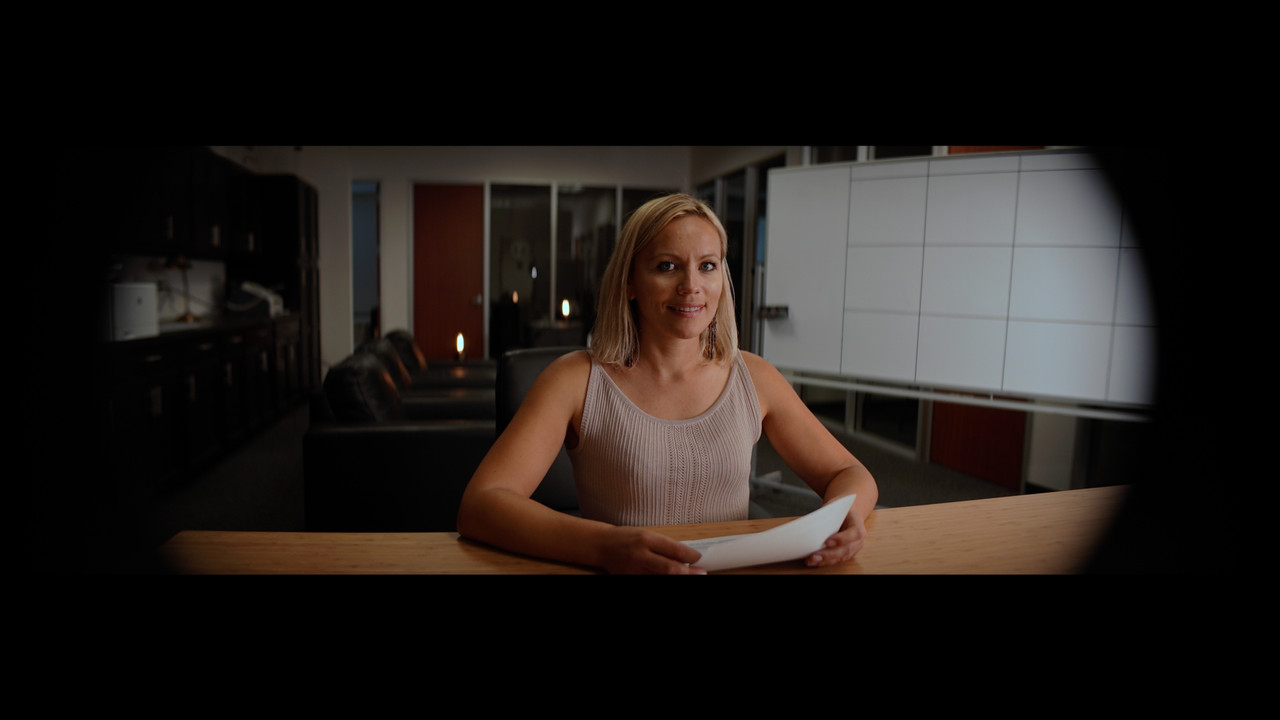
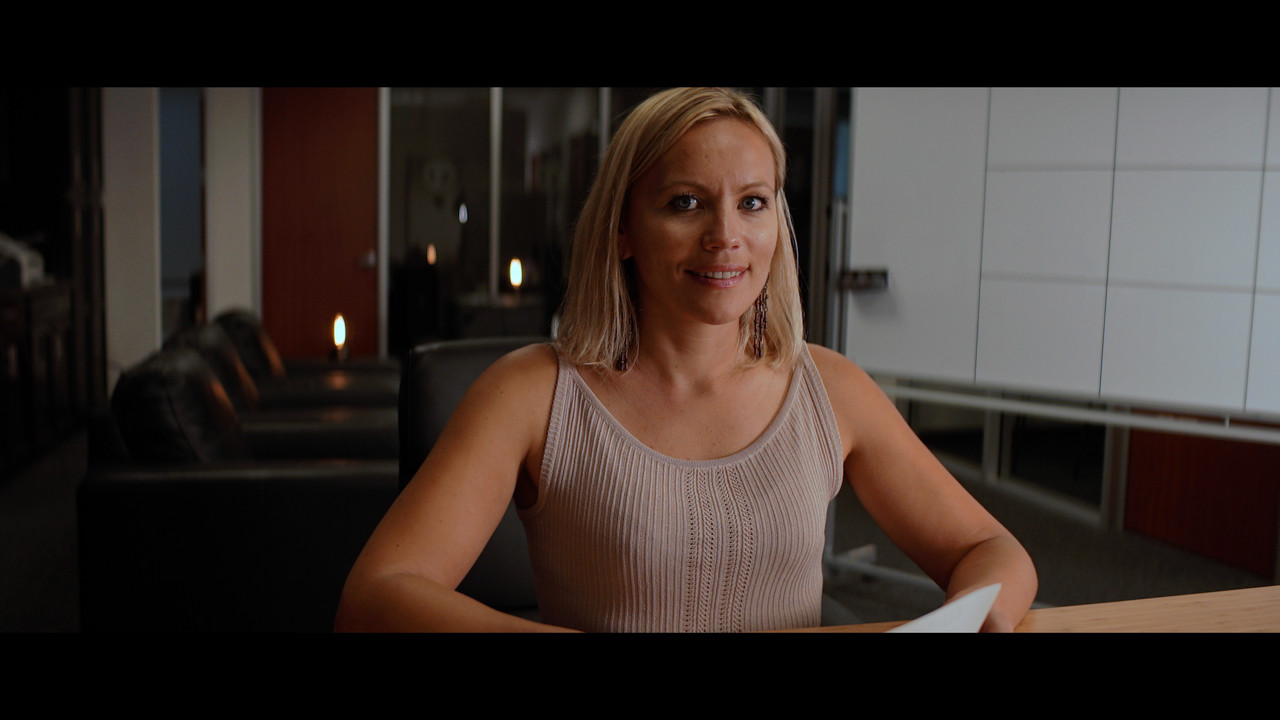
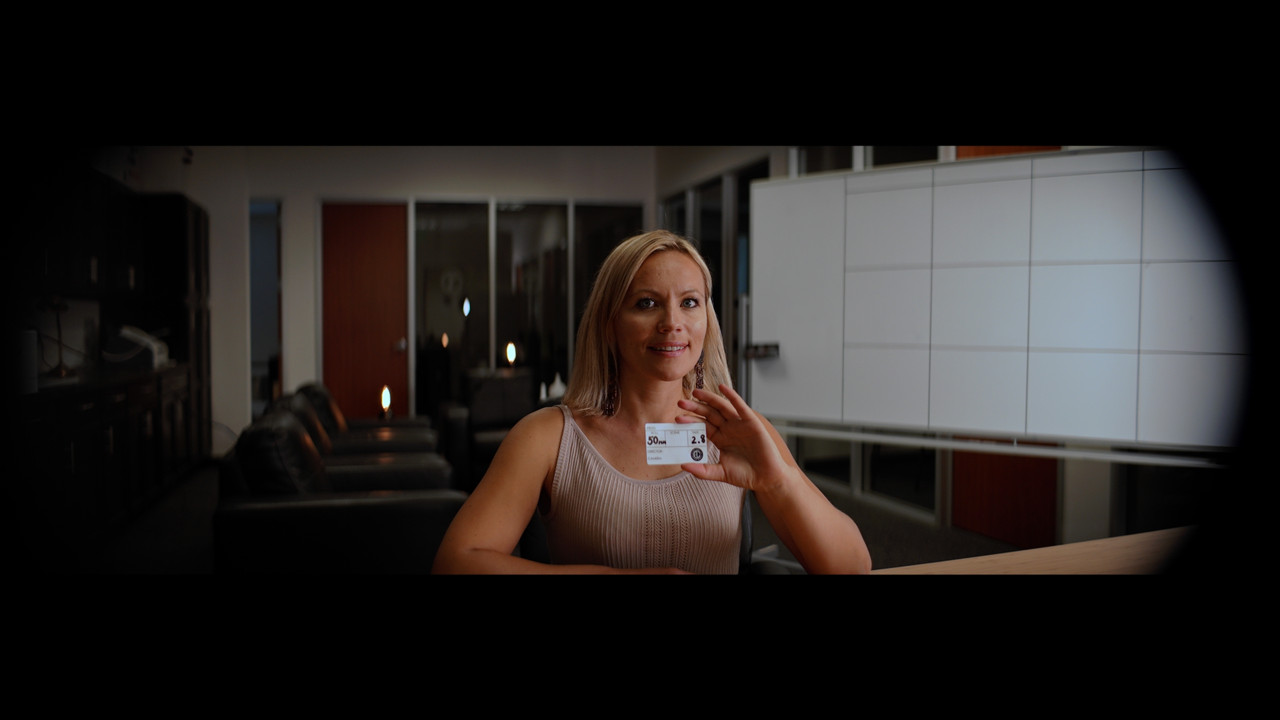
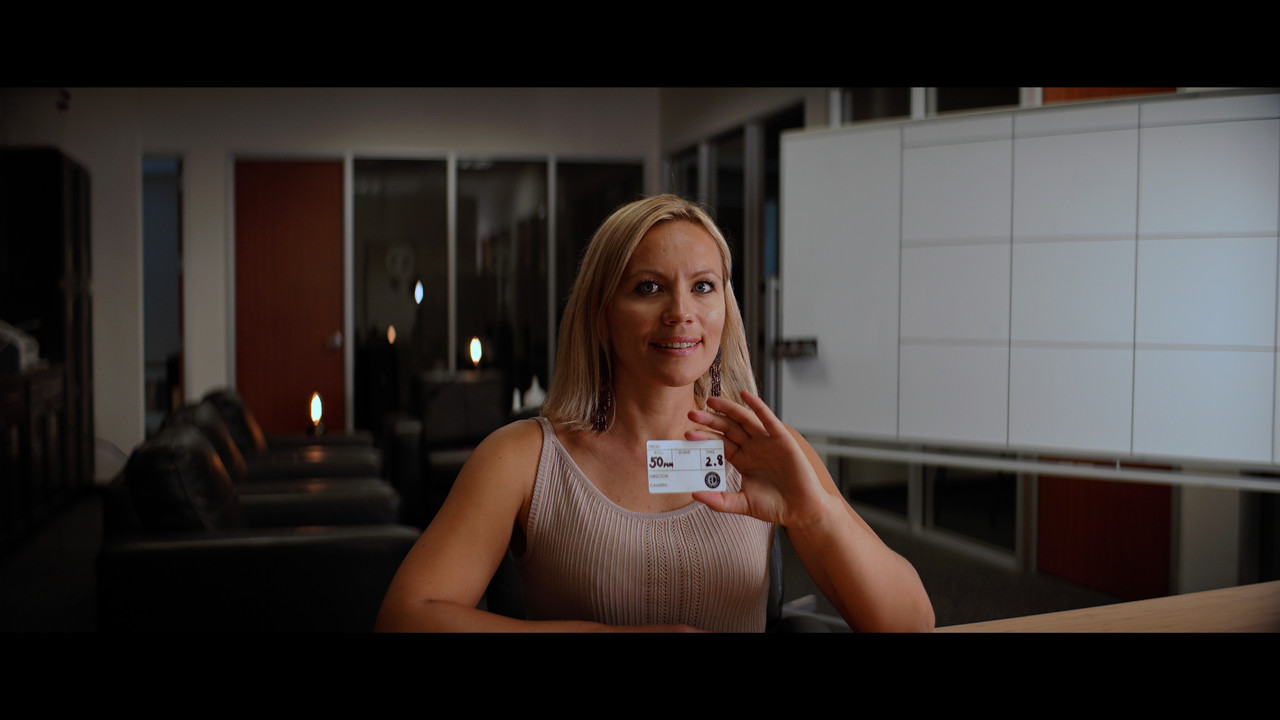
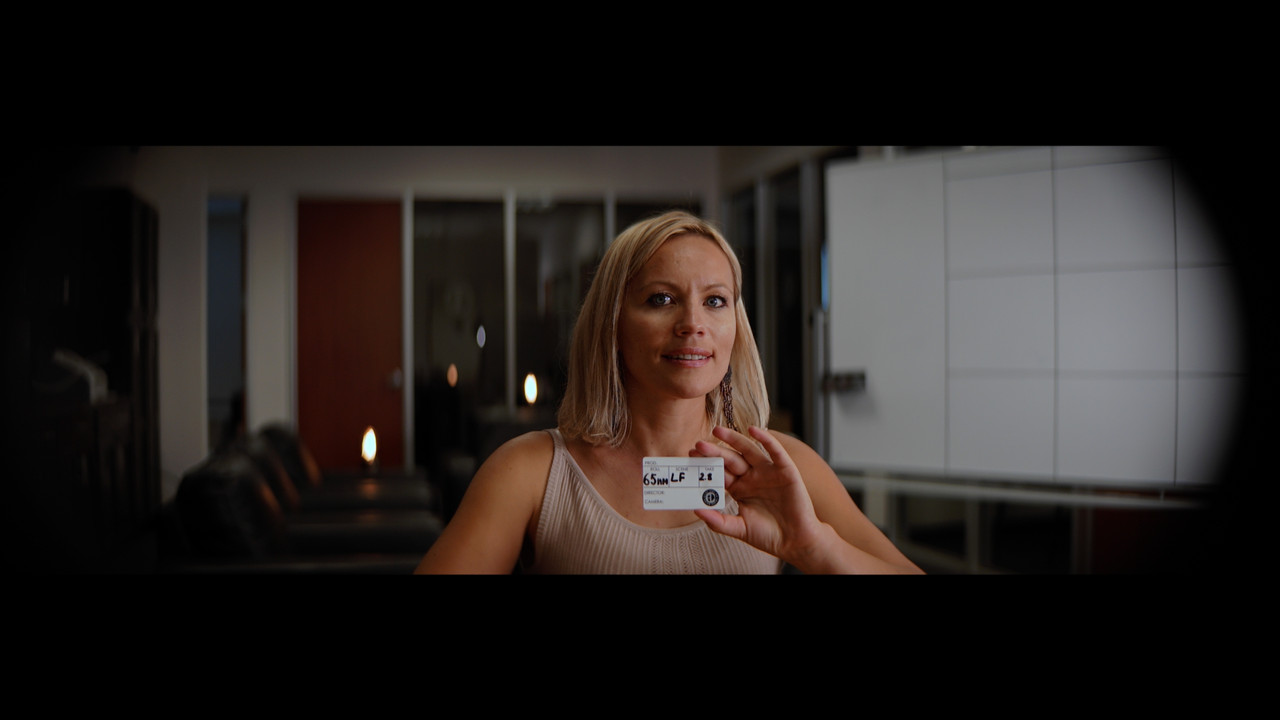
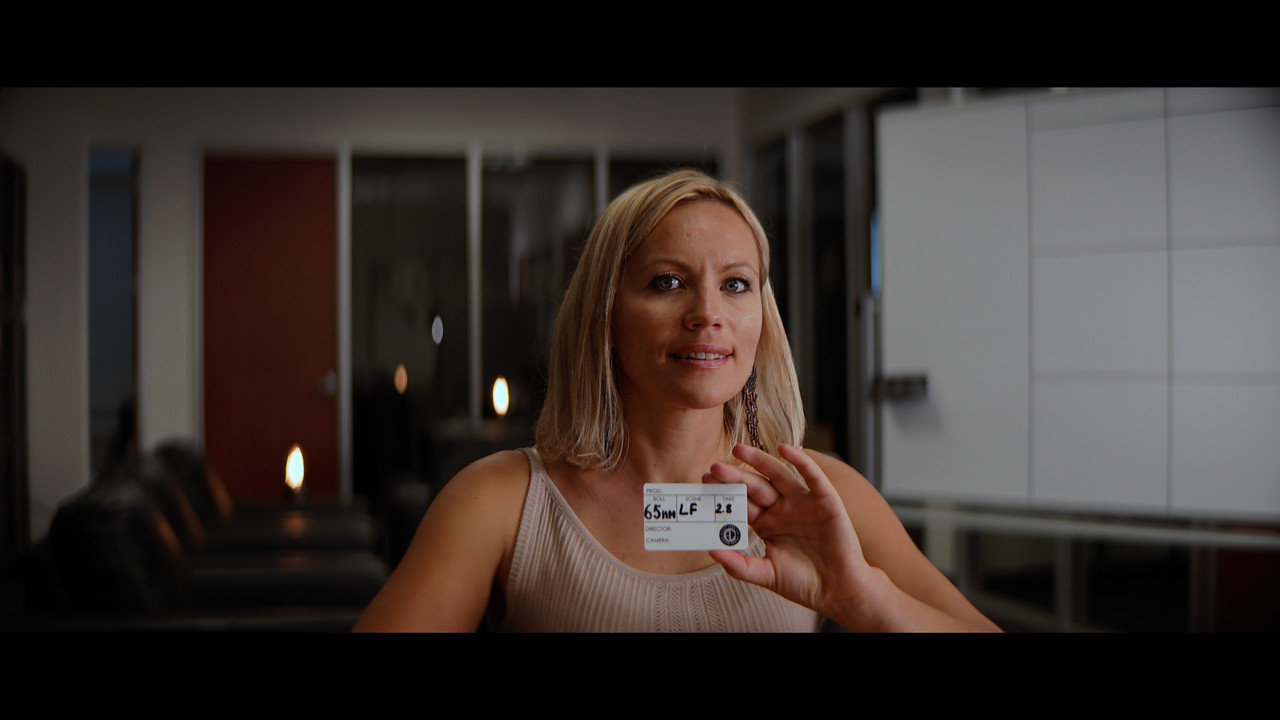
Here's the 40,50 and 65 at f2 and f2.8 with LF Extender with a little color correction added to kind of get rid of that yellowish color cast.

Thanks for this, is quite usefull. I forgot about the LF extender, there are no alternatives I presume. As I was even saving up to 1 atlas orion lens, now the reach has become so much further. So like on the ZCam F6 or panasonic S1H I still would need the LF extender. Even if it is EF mount right? So prolly gonna stick with the pocket 4K or 6K
 
Thanks Joe


These are some great samples from Dan that gave me a better understanding of what the LF extender does for the Atlas Anamorphic lenses.
 
Hi Joe,

The photos are sort of a precursor to helping understand anamorphic aspect ratios more deeply.

To be brief:

Often (but not always)

“Open gate” full sensor read out on LF/FF(36x24) sensors is by default 3:2 aspect ratio. With a 2x anamorphic coefficient this becomes 6:2 (or 3:1) - three times wider than it is tall. Delivery for anamorphic widescreen can, but does not need to be 2.40:1 (2.4 times wider than tall), 2.39:1, 2.35:1 or , really, whatever you want it to be for a deliverable, Netflix decided on 2:1 for instance as it’s a “universal” format proposed by a long time by some people, both creative and clever.

I’m a traditionalist in only a few ways, so I like between 2.40:1 and 2.35:1 often.

The long story short here is, if a sensor offers a native 6:5 or 4:3 mode as Red does (thanks Red) then you can easily go straight to delivery without any significant “framing plan” involving frame lines on a monitor and what I prefer to call extraction , but some people call “crop”

Now, I happen to know that many cameras like the S1H, Blackmagics, and Kinefinity and Zcam offer multiformat options which allow you to shoot at 6:5 or 4:3 aspects to simplify your deliverable, so, because Atlas are traditional anamorphic format lenses they offer a tall imaging area - actually generally tall enough for a 2.40:1 delivery if extracted from shots on a (+/- ~36x~24mm) full frame sensor showing corner darkening / vignette on the outer sides of an (+/-~)3:1 aspect desqueezed image. I’ll post to directly resized to 2.40:1/2.39:1 images later today after I get a few other things done so you can see the direct effect.

For your purpose, I would recommend the 40/50 or 65 - which is why I chose those three to shoot for the moment.

The EF mount has nothing to do with the format size. In fact my best advice is to stay in PL as it gives you the most options for mirrorless adaptability including upcoming Red Komodo, as well as LF Extender, which we won’t offer with EF. It’s nice we offer EF, but unless you’re absolutely married to a Canon C series camera or Canon EF DSLR, PL is a better choice for literally any contemporary cinema camera user.

Please forgive any typos as I’m doing this from my phone and just woke up pretty much ;)

In general, my conclusion is you don’t _need_ the LF Extender especially if you’re just starting with one lens, even on a “full frame “ camera, you can do a LOT with any of those three on a full frame sensor, just by selecting an aspect mode on the camera that directly gives you the delivery aspect that fits your needs, or by using frame guides while filming and setting a deliverable frame in your post software.

This is a great year to be camera fluid as we are spoiled for choice and they just keep coming.
 
Last edited:
Dan, confused a bit by the coverage explanation. On your site you state coverage for all your lenses is 31mm which covers the Arri Alexa sensor. That sensor is S35 so how can the lenses cover a full frame camera like a A7S or S1H? Forgive me if I've got mixed up here.
 
I can understand your confusion Ash.

It’s complex, but after a while it becomes less complex to understand.

31.11 is the diagonal dimension of 24.89x18.66 calculated through Pythagorean Theorem (a^2+b^2=c^2) which is the fastest shorthand way of showing an “image circle.” For a given format.

Orion Series lenses are designed for a 24.89x18.66 imaging area.

This represents a 4:3 (1.33:1) aspect ratio.

The key is first acceptance and recognition that there are multiple formats within a given imager if a camera manufacturer allows this. Red is one of the best examples of multiformat imager dimensioning, offering extreme granular control over resolution and dimensional definition of a capture format. Anything smaller than the max resolution / aspect ratio is a crop or extraction from the overall sensor. Generally this is a good thing, unless you’re someone who wants in camera 2K/4K downsampling - which Red also does now, but still has many format options which can or cannot be the full edge to edge sensor , depending on your choice.

With freedom of choice comes difficulties and responsibilities. I welcome this freedom and I also welcome the opportunity to be a steward of advancement in capabilities, growth and knowledge. Growth sometimes has pain, but I relish the chance to push through it.

There is actually coverage our lenses can provide outside the de facto 24.89x18.66 design area. (Aka , bigger illumination area - I say area not circle because it’s an oval because they’re anamorphic).

Now, to be clear they do not cover a 36x24 sensor edge to edge, in fact you can take a look at the images I provided taken on a ~36x24 sensor and see exactly where the vignette starts and ends without the LF Extender in place.

Now, unless you’re delivering a 3:1 aspect ratio project , you don’t/shouldn’t care if you’re cropping / extracting because either your camera is doing that work for you, or someone doing post production is.

If you’re shooting 8K 6:5 Monstro for a 2.40:1 wide screen deliverable, the camera is doing it for you.

“Now wait a minute - they didn’t do that in the good old days of film !”

Well, actually , that’s a misconception, and the express purpose of framing charts. Rarely would a deliverable in film days be “open gate - edge to edge everything. So, people developed ways of communicating frame lines through framing chartsc nomenclature like common top, etc. as there were deliverables for TV, deliverables for 1.85:1 theatrical, and later deliveries for 16:9 TV, etc. etc. on and on.

Phil Holland made a great tool called “format compare” - super super useful for thinking of format sizes.

Again, after I eat lunch I’ll show you three 2.35:1 deliverables from 40/50/65 lenses without the LF Extender, On a 36x24 “full frame” sensor.

You’re welcome to always ask these kind of questions, as it’s important. I’ll confinue to round it out with more case study data, and we will have a super sweet media drop eventually with some useful ways of perceiving all this.
 
Last edited:
Here is a folder of images - the ones with the vignette are "open gate" ~36x24mm A7S sensor.

There are ones that end in 235 - these are with a 2.35:1 extraction using full height of the sensor.

There are also two other 40mm with their resolution noted at the end which are smaller 2.35:1 extractions showing various levels of vignette/frame size but still over "4k" deliverable resolution.

https://drive.google.com/open?id=1Y0xhflPs5lHOiDk6uVRKboZ2nAOA7C-C
 
Chante Moore - “Fresh Love”


By CreativeDuet


Official music video for Chante Moore's "Fresh Love".
Director // Michael Vaughn Hernandez (instagram.com/creativeduet)
Director of Photography // Brian M. Tang // (instagram.com/b_tang)
Gaffer // Matt Burke // (instagram.com/burkewurke)
Shot on Arri Alexa Mini + Atlas Orion Anamorphic Lenses
 
I will use Dan's Terminology and grade from the previous page


40mm f2.8-"open gate" ~36x24mm A7S sensor.


Untitled4-1-1-1.jpg


40mm f2.8-2.35:1 extraction using full height of the sensor


Untitled1-1-1-1.jpg


50mm f2.8-"open gate" ~36x24mm A7S sensor.


Untitled5-1-2-1.jpg


50mm f2.8-2.35:1 extraction using full height of the sensor


Untitled2-1-2-1.jpg


65mm f2.8-"open gate" ~36x24mm A7S sensor.


Untitled6-1-3-1.jpg


65mm f2.8-2.35:1 extraction using full height of the sensor


Untitled3-1-3-1.jpg
 
This all seems logical except the 40mm, 2.35 extraction. It should be wider no?
 
It depends on how much you're extracting. Again, you'll notice that you need to push in a little more on the 40mm on a 36x24 sensor to achieve un-vignetted space.

40mm f2.8-2.35:1 extraction using full height of the sensor
^this description^ matches the below file:

https://drive.google.com/open?id=1sITFVyVICO0lASW_hRuODxUV3hA-9r6F


This is with a vertical resolution of 2700 pixels:
https://drive.google.com/file/d/1YIxZK1hyLppFuanav67GpVKC0A41_iah

this is with a vertical resolution of 2160 pixels (UHD Height)
https://drive.google.com/file/d/1SuDlD4UmhNDw6lkNX-gQY4y2hqHGluA1

so, top one is full height on a 36x24mm sensor
second one is a crop to 2700 vertical pixels
third one is a crop to 2160 vertical pixels (absolutely zero vignette)
 
Last edited:
The Twotakes - "When We Were Kids" [OFFICIAL VIDEO]


By The Twotakes


Info about lens and camera used can be found at the link below.


https://www.instagram.com/p/B2CM71pHZN2/


Arri Alexa Mini/Atlas Orion


Official music video for "When We Were Kids" by The Twotakes.
 
Widel - Sola (Official Video)


By WILL


Info about lens and camera used can be found at the link below.

https://www.instagram.com/p/Bxa4DV_BPK3/


Red Digital Cinema/ Atlas Lens Co


Widel - Sola (4K Official Video)
Suscribete a Mi Canal y Sigueme En Mis Redes Sociales - WIÐΣL
Facebook ► https://www.facebook.com/Wideloficial...
Instagram► https://www.instagram.com/wideloficial/
Website Oficial : www.iamwidel.com
Label Record : R&G Entertainment Miami
Discography : R&G Entertainment Miami


[/COLOR][/SIZE][/I][/B]
 
Exosuit : Performance Sportswear


By Exosuit


Info about lens and camera used can be found at the link below.


https://www.instagram.com/p/B2I1qKXhg2m/

Arri Alexa Mini/Atlas Orion Anamorphics


Performance Sportswear : An Exosuit Film

https://www.exosuit.co.uk/
https://www.instagram.com/_exosuit_/

Director : Christian Kinde
Producer : Jamie Gamache, Connor O’Hara
Production Company : Lowkey Films & CineK

Director of Photography : Oscar Partridge
1st AC : Callum Tunmore
2nd AC : Joseph Redman

Stills Photographer : James Wood

HMUA : Beth Gough

Model 1 : Freddie Abraham
Model 2 : Levi (W Models)

Editor : Christian Kinde
Grade : Priory Post
Sound Design : Lowkey Films (Jamie Gamache)

Thanks to : Procam, Westway Sports Centre, Latymer Sports Centre
 
Yasmine // Portrait / Model / Paris / Fashionfilm


By Carryl Bertet


Info about lens and camera used can be found at the link below.

https://www.instagram.com/p/B2KOJhLgcbV/


Arri Alexa Mini/ 2- Atlas Orion Anamorphic lenses


Portrait de Yasmine, réalisé à Paris un matin d'Août 2019
Tournage en Alexa Mini
Optique Orion Lens
clic sur HD :)
 
Not to nit-pick... but 2.35:1 hasn't existed since 1970... The Academy anamorphic spec was changed then to allow a little extra space above and below to allow for film splices. The actual spec is 2.39:1, sometimes rounded up and called 2.40:1... but the term 2.35 has stuck its persistent head in everybody's business for almost 50 years now and won't go away!
 
Thanks for that actually!

Academy formats are of course a standard, and an important one.

I would posit that people can and will go well off the rails and do things like deliver 3.55:1

Is Techniscope (2 perf widescreen 2.40:1?)

I’ll make some 2.40:1 crops from that 36x24 master soon too for reference.
 
BMPCC6K and Atlas Anamorphic Lenses


By Jay Armitage


Quick and dirty tests with the BMPCC 6k and Atlas Anamorphic Prime Lenses, 40mm, 65mm and 100mm. Excited to be using these on a new doc series shooting in NYC and Chicago Sept and Oct.
 
Back
Top