Alex Lubensky
Well-known member
- Joined
- Nov 18, 2016
- Messages
- 483
- Reaction score
- 22
- Points
- 18
- Location
- Kyiv, Ukraine
- Website
- vimeo.com
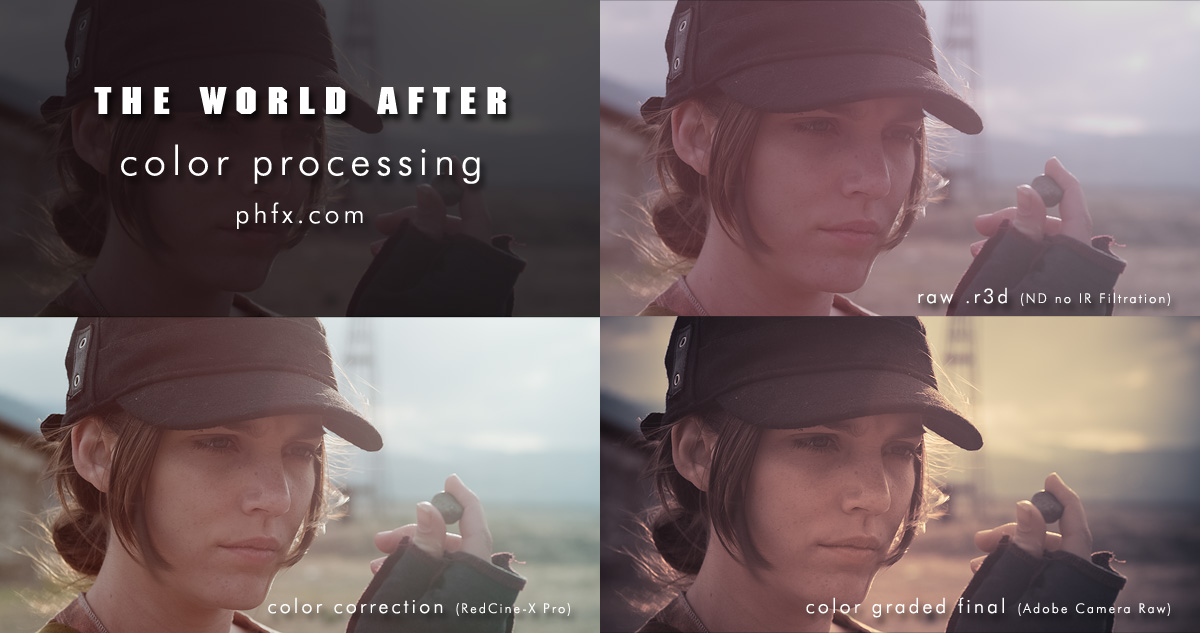
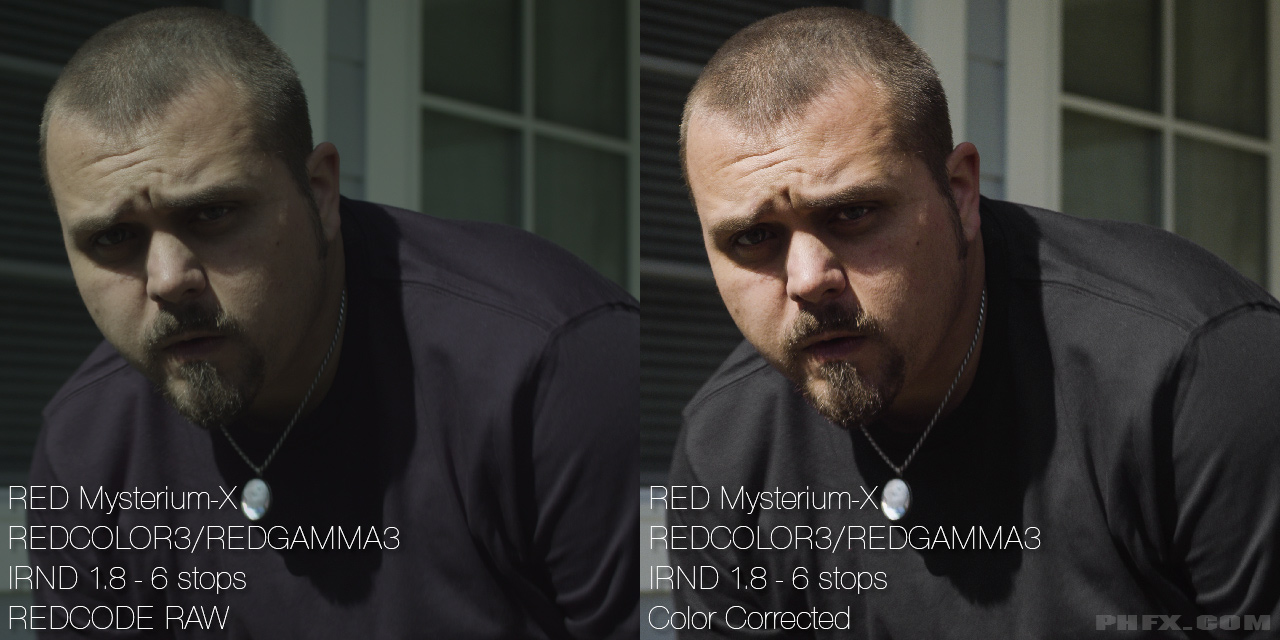
Hey everyone, I've been on a test recently, where Sony Venice was presented (Sony is not that popular on our market, still no Venice for hire). It was set up against Alexa Mini LF, utilising Cooke S7 lenses. Looking into the image everyone noticed Venice had a magenta tint to black/dark clothing, while the charts where on point. Alexa had a light green tint to the wall behind the person (Venice grey wall was on point, just as in real life), which led me to suggestion - there's no IR Cut on Venice OLPF or sensor, while the Alexa has it. I've asked the AC to change the internal ND to an occasional 4x5,6 good old Tiffen one, with no IR cut - and my suggestion was right. It dramatically revealed the absense of the IR-Cut inside the Venice, while using 4x5,6 IRND of-course cut the IR, and presented some green tint to the image.
We didn't record any Alexa footage with occasional Tiffen ND's just because it was pretty much the same as with internal ND's.
My general question is - which cameras nowadays have the IR cut applied to the OLPF/Sensor (And, maybe, someone know is it the OLPF or the sensor tech?). Which cameras you should use with IRND, which are OK with old ND's from the film days?
I do know MX and Dragon sensors in DSMC1 bodies have no IR-cut on sensor/olpf.
We didn't record any Alexa footage with occasional Tiffen ND's just because it was pretty much the same as with internal ND's.
My general question is - which cameras nowadays have the IR cut applied to the OLPF/Sensor (And, maybe, someone know is it the OLPF or the sensor tech?). Which cameras you should use with IRND, which are OK with old ND's from the film days?
I do know MX and Dragon sensors in DSMC1 bodies have no IR-cut on sensor/olpf.