Welcome to our community

Be a part of something great, join today!

  • Hey all, just changed over the backend after 15 years I figured time to give it a bit of an update, its probably gonna be a bit weird for most of you and i am sure there is a few bugs to work out but it should kinda work the same as before... hopefully :)

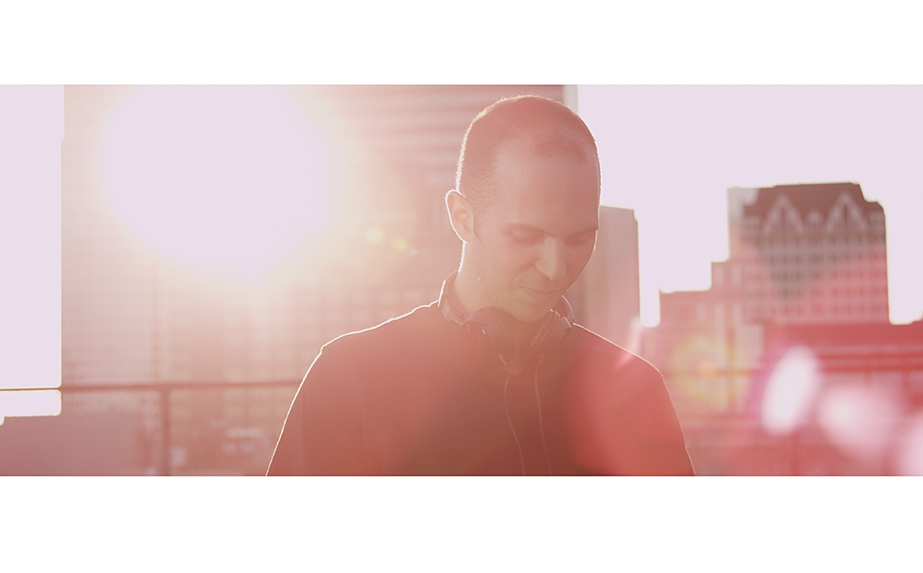
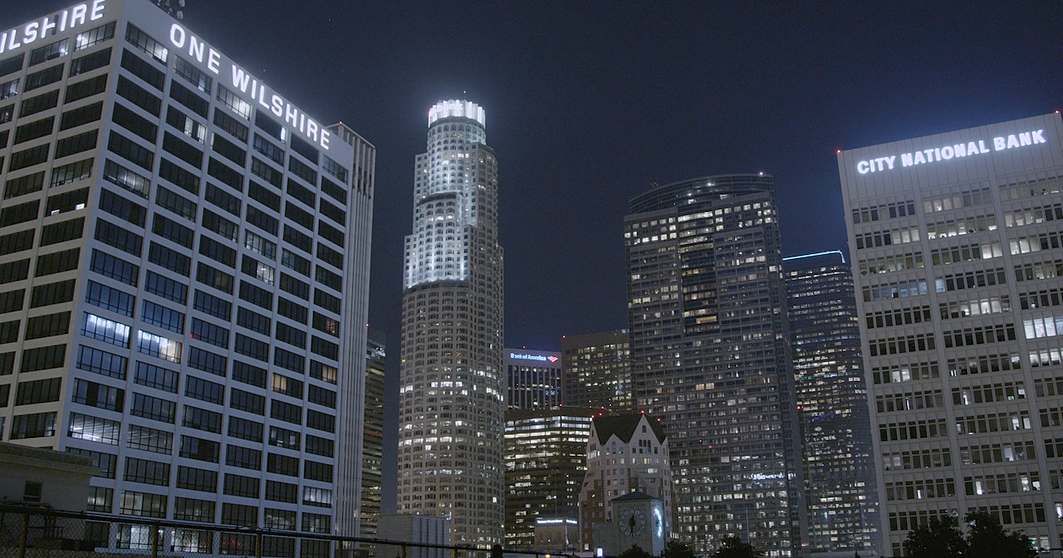
Post your stills! Skin Tones and Night Scenes

A003_L001_1110ZH.0000257_2000.jpg

A003_L013_1110GI.0000323_2000.jpg
 
BTS Bob love the frames ;)
 
David, Monochrome?

Nice tones :)
 
Love those David.

There's another thread where someone was asking how hard it is to learn Red cameras... I was REALLY impressed with how painless it was to learn the Epic (much easier than my D800), and how the camera is so good it can make an amature like myself look better than he really is. I've never made a nickle taking video or pictures for their artistic merit, and as I've learned more about it (here among other places) I've found that it's a LOT different than imaging for scientific use. Even so, as I experimented with the camera on my own time to learn how to use it I found I was taking pretty decent pictures with it. I bought the epic for its strong combination of portability, resolution, frame rate, low light capability and rapid access to image data... and it's more than lived up to my expectations. I can't show any of the images it's taken during it's day job - but it's a great tool.

The camera showed up in my office on a Monday morning (thanks to the Red guys who changed the shipping so it would arrive sooner), and I threw the whole kit in my car and drove to Kentucky to use it at one of our facilities that week. The next day I assembed it and powered it up... and that night I took these pics at a restored Shaker Villiage (homes built around 1800) I was staying at:


Loved the low light performance, and other than the fact that it was a workout to lug around (even with a tripod that everyone says is too light for the camera - Miller SoloII/Compass 15), it was really easy to use.

Edit: Eric - Yes it's an Epic-M Monochrome (and thanks for the compliment!).
 
Hi David...you use EPIC Mono?
I think.... EPIC mono Very sharp Image right?
 
Hi David...you use EPIC Mono?
I think.... EPIC mono Very sharp Image right?

No bayer filter means you do get a sharper image than a color camera (optics dependant of course), but it does still have a filter on it to avoid aliasing effects.. To me the images look softer than a machine vision camera of similar resolution (expected). The other benefit is that you get more light to the electronics than with a color camera, Red spec's a native ISO of 2000 for the mono.
 
Love the B&W. Were the stills you posted at 2000?

So my understanding (which may be incorrect) is that 2000 is basically telling the camera "don't mess with the image" and any ISO other than 2000 is adding a digital manipulation of the raw data (I think of it as a gain adjustment). For photography I prefer to adjust gain and offset myself so I just leave it at 2000. When I get some time I was going to experiment with ISO to see if maybe it's doing more than just a simple gain adjust.

For video I've been doing the same thing, but I think that may limit my ability to create 'pleasing' video... I've never had to understand how ISO interacts with shutter speed and aperture to adjust motion based distortion. For scientific imaging I'm generally trying to produce a blur free image... light (type, direction, intensity), acquisition time, aperture all selected based on the goal of freezing the subject. One of the more counter-intuitive things I've learned from you guys is that sometimes you WANT motion blur - and you will go as far as throwing away perfectly good light to get it (what is this neutral density filter thing you speak of?). Just one of a million techniques that you guys likely take for granted... and why JUST having an awesome camera does not a filmmaker... ahh... make.
 
Figured might as well put up some recent ones too.

Scarlet at 800iso


03972b_3f621d2deb6bce3636d444c74674ea48.png_srz_923_573_75_22_0.50_1.20_0.00_png_srz


03972b_1c2e39ffd0ab1dd4701d2f8f05b7e6b4.png_srz_1063_558_75_22_0.50_1.20_0.00_png_srz
 
Nice shots Jason, but you gotta DRX that first one bro! All together now, "say no to magenta highlights!"

please explain farther... DRX? HDRX you mean or something else?
 
It's a slider within Redcine-X. You can manually adjust the clipped highlights too by correcting the curves so they clip to white instead.


The DRX slider stands for “Dynamic Range Extension,” and attempts to recover clipped highlights wherever only some of the color channels are blown. The effect is subtle though, and doesn’t restore full color information, but can be helpful with slight overexposure by fixing color shifts in the extreme highlights.
​


please explain farther... DRX? HDRX you mean or something else?
 
Didn't know about the DRX slider, never used it, I usually do that with the curves, but you learn something new every day. Most of the red color is from the tint I gave it. The lens gave off a great red flare so I decided to give the image a pretty extreme color too instead of grading to white.
 
Magenta highlights are the number one give-away that it's from the RED and it's so easy to remove. Most of the time, people transcode to prores from the RAW without even looking at the footage defeating the advantages to shooting raw. Or, they are editing off the footage from the external recorder and don't know how to correct the clipped highlights in post.
 
Back
Top