Welcome to our community

Be a part of something great, join today!

  • Hey all, just changed over the backend after 15 years I figured time to give it a bit of an update, its probably gonna be a bit weird for most of you and i am sure there is a few bugs to work out but it should kinda work the same as before... hopefully :)

Samples from 41Mpixel Nokia Lumia 1020 camera

Lauri Kettunen

Well-known member
Joined
Aug 6, 2007
Messages
1,063
Reaction score
0
Points
36
Location
Finland
In this thread I will post images from a Nokia Lumia 1020 cell phone camera. This camera is pretty interesting as it has a 41Mpixel sensor. Currently it creates 7712x4352 jpg images, and in my understanding a software update allowing access to the raw-files is on its way.

Since the camera itself is tiny --a GoPro camera is big compared to this one-- and therefore the images from the Nokia camera will give a rather good idea of what kind of pocket cinema cameras one may expect to see in the future. The technology is already there.

In my eyes, there is also some irony behind this camera technology. For, in the cinema camera community there was this debate whether 2K is enough for cinema, and simultaneously a cell phone manufacturer designed a 40+ MP for a phone. That is, 2K is enough for cinema but a phone needs 40 Mpixels?

Getting to the point, my intention is to shoot some images with the Lumia 1020 and Epic and post them here. That should give us all a good idea of the existing camera technology. The Epic images will give a scale to the Lumia 1020 images suggesting what is the difference of the best cell phone camera to the best DSMC camera. Please understand, my best need not to be your best, and I'm not suggesting you should share the same best with me.

I hasten to start by posting here some images shot immediately with the out-of-the-box approach. At least I was rather impressed when zoomed the highres files to check how much details the camera captures:

WP_20130822_19_39_31_Pro.jpg


Highres image: http://www.finnishwildlifeportal.fi/Sample1.jpg

WP_20130822_19_40_37_Pro.jpg


Highres image: http://www.finnishwildlifeportal.fi/Sample2.jpg

WP_20130822_19_43_37_Pro.jpg


Highres image: http://www.finnishwildlifeportal.fi/Sample3.jpg

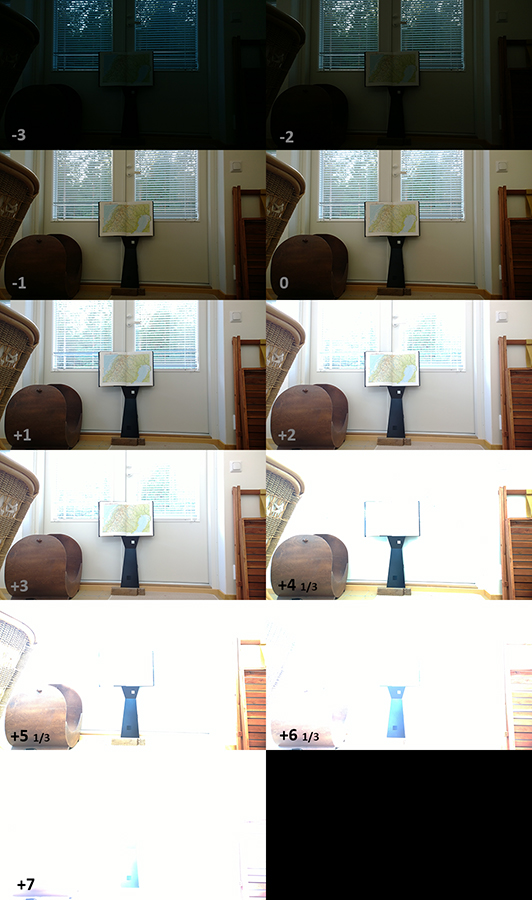
Please do not pay attention to colors or exposure etc. These are literally out-of-the-box images, and the only purpose is to give a sample of the resolution.
 
def not the sharpest lens on the planet.
 
The main reason for such a high-resolution sensor is for pixel oversampling. Nokia's algorithms collect data from multiple pixels to create what it calls a superpixel. These superpixels deliver a more accurate representation of the subject while also helping eliminate image noise in low-light conditions and make noise virtually nonexistent when shooting in good lighting. The end result is some really good 5-megapixel photos.

More importantly, the pixel oversampling gives the 1020 a better digital zoom. Basically, as you zoom in the amount of oversampling reduces until you've reached the limit of the actual resolution. In other words, if you are shooting at 5 megapixels you can continue to zoom until it's no longer oversampling and simply using a 5-megapixel area of the sensor. There is no upscaling or interpolation, it's just a 5-megapixel photo.

A
 
it's just a 5-megapixel photo.

Robert, sorry to correct you: this is not Lumia 920 but instead 1020. What you say applies to the earlier model. Look at the size of the image 7712x4352 and think of getting a raw file.
 
The camera appears to be what it claims to be: a GREAT cell phone camera. Of course you're going to be limited by lens choice (none) filter options (none) pixel size (tiny) and a number of other things. But those are better than what my iPhone 5 captures, and used appropriately you can get some great shots with it.
 
Robert, sorry to correct you: this is not Lumia 920 but instead 1020. What you say applies to the earlier model. Look at the size of the image 7712x4352 and think of getting a raw file.

Hi Lauri, it was a part from this artikel, it has so many pixels, but it put them together as a group, here is the hole artikel,
" More than marketing-pixels
Yes, the 1020's camera has a 41-megapixel sensor and, yes, it can take photos at that resolution, or at least close to it depending on your photo's aspect ratio: 38 megapixels for 4:3 or 34 megapixels for 16:9. But, as with the 808, that's really not the whole story.

The main reason for such a high-resolution sensor is for pixel oversampling. Nokia's algorithms collect data from multiple pixels to create what it calls a superpixel. These superpixels deliver a more accurate representation of the subject while also helping eliminate image noise in low-light conditions and make noise virtually nonexistent when shooting in good lighting. The end result is some really good 5-megapixel photos.

More importantly, the pixel oversampling gives the 1020 a better digital zoom. Basically, as you zoom in the amount of oversampling reduces until you've reached the limit of the actual resolution. In other words, if you are shooting at 5 megapixels you can continue to zoom until it's no longer oversampling and simply using a 5-megapixel area of the sensor. There is no upscaling or interpolation, it's just a 5-megapixel photo.

That explains a lot.

http://reviews.cnet.com/8301-6454_7-57593179/whats-old-and-new-about-the-nokia-lumia-1020s-camera/
 
Oversampling is always a good thing. However, you can get better images with a lower Mpix sensor if the sensor works "right". Oversampling to that extend; I don't see it's necessary.
Every sensor on the planet produces shitty images at native resolution (perceived detail and noise characteristics), scale it down a notch -> Works. It was true in 1998, and its true today.

Don't intead to derail the thread (feel free to PM me): While we are on the subject: I just started today to watch Wilfread on Netflix (Now watching Season 2), and I read it was shot entirely with Canon 7D?
Does anyone know if it's really true? Because in some of the shots, the DR is WAAAAY out of the 7D range.
 
it was a part from this artikel, it has so many pixels, but it put them together as a group,

Thank you for the comment. The article is easily misinterpreted; The default settings of the camera store BOTH the high resolution AND the 5MPixel image. Quite likely pro people will pick only the highres image.
 
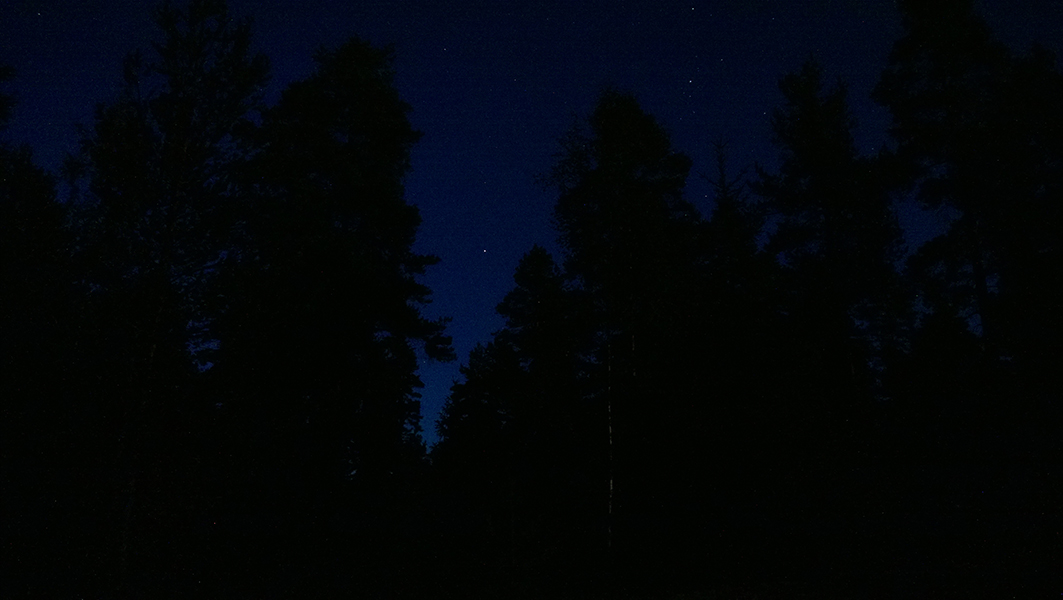
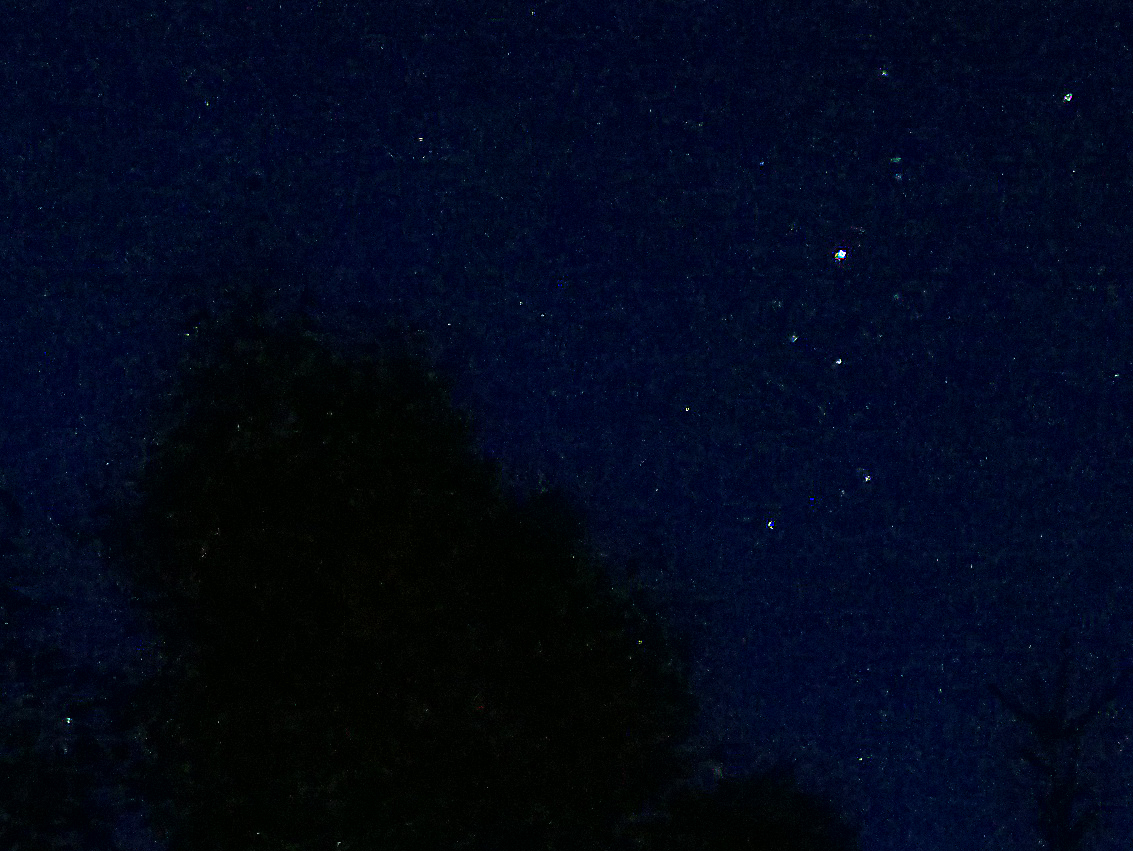
This is shot in fully manual mode. If the stars are visible this night, need to test the settings. But as a first (quick) shot, not bad at all, especially as it's still a (smart) phone camera.

Sample-5-proxy.jpg


100% crop:

Sample-5-ZoomIn.jpg


100% crop with bit of post processing:

Sample-5-ZoomIn2.jpg


Link to the highres image
 
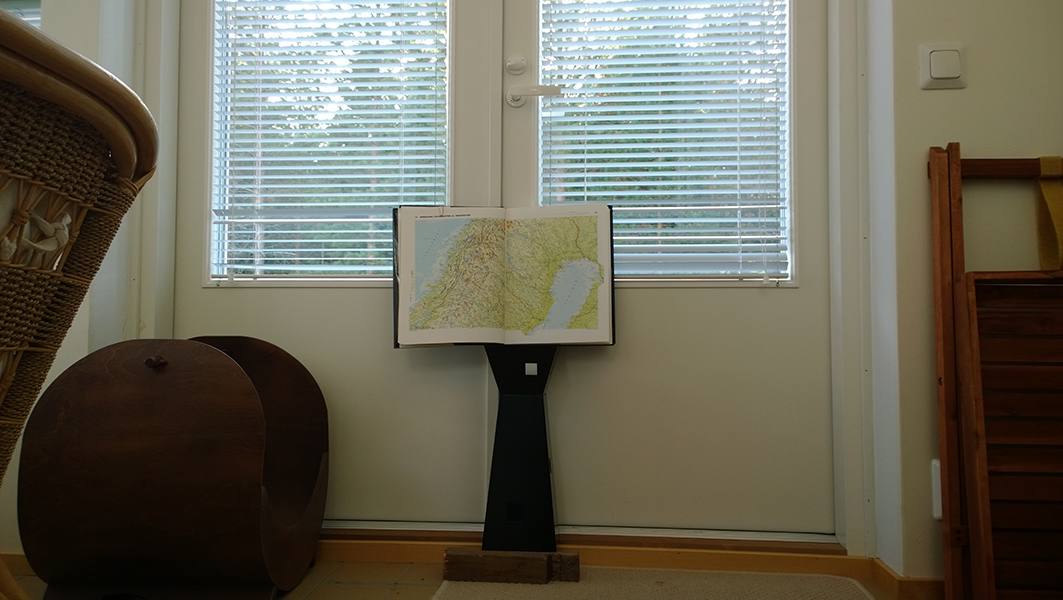
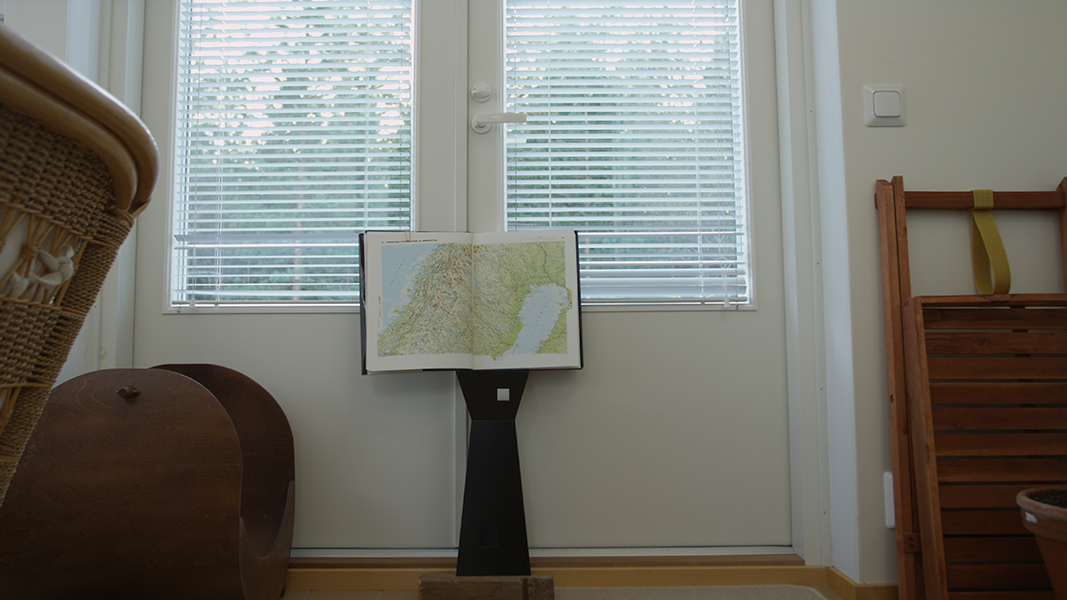
Here's a resolution test using Epic-X with Canon EF 16-35mm f2.8 II L lens as a reference.

This is Lumia 1020

Sample-6.jpg


Link to the highres files.

This image is from Epic

Sample-6-EpicX.jpg


Link to the RCX exported EpicX-file

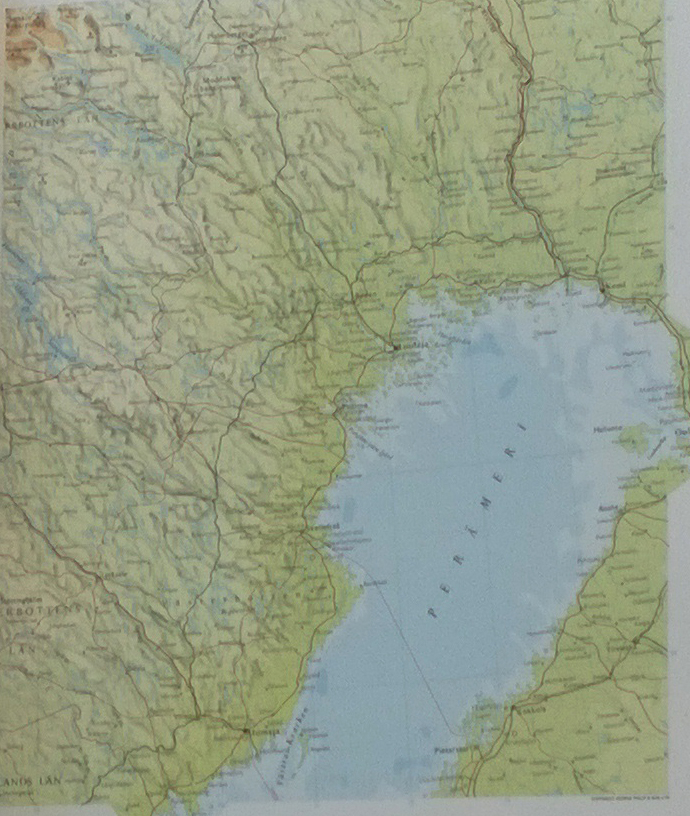
100% crop of Lumia 1020 image:

Lumia1020-ZoomIn.jpg


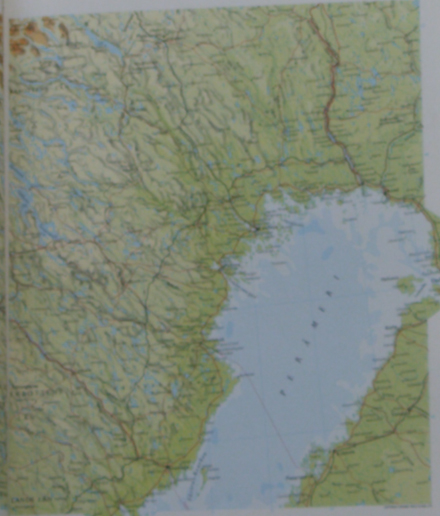
and 100% crop of Epic-X image:

EpicX-ZoomIn.jpg


The Lumia 1020 image suggests the resolution of a small smart phone camera can indeed be rather impressive.
 
Some genius should build a little digital cinema camera using this sensor ;-)
 
Back
Top