

- Thread starter
- Banned
- #21
Guy Bryan Holt
Banned
- Joined
- Sep 20, 2009
- Messages
- 149
- Reaction score
- 0
- Points
- 0
Seems like Hive's Apiary Retrofit Program does just that... And I can buy a used 2K or 1K quartz fixture for less than $100 on Ebay almost anyday of the week... given that I can buy a DIY LEP kit and a used 2K fresnel for less than $1,000, even as low as $800 and build my own in an afternoon.
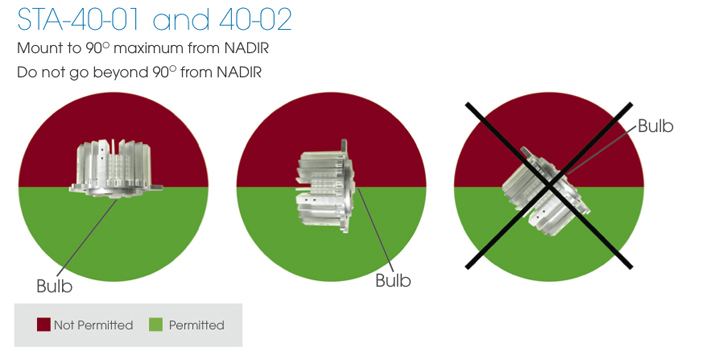
I am not that familiar with how Hive retrofits tungsten heads, but by the pdf that you refer to it looks like they are putting a complete housing including lens inside the can of a Mole 412 rather than just putting the LEP emitter behind the lens of the 412. I would think that would have to be the case given that the RF drivers that power plasma emitters run at 900MHz, so the emitter housings have to be specifically designed to contain the RF. As Robert Rutherford, the other co-creator of the Hive lights explains in another of their pdfs: “It’s like a microwave… keep the door shut and everything works fine. Unfortunately, this does mean that you can’t just put a plasma emitter in any old head. Without our proper shielding, the RF energy, even though it’s less than 0.1 milli-watts, can do some very funny things to wireless mics and walkie talkies.” It would appear that they are in fact using custom manufactured components not available to the average user. So, I doubt that it is something you can do on your workbench with an old quartz Fresnel and $700 DIY Plasma Projector Kit. Even if you could, you would not have a head that could burn in all orientations. While it is true that in most applications heads burn tilted down, in many applications heads are tilted up, and what’s the point of having a head that you can only use in some orientations.
As far as I can tell, the head manufacturers of LEP lamps for motion picture lighting applications have been able to address the issues of lamp orientation, UV emissions, RF interference, ignition time and restrike within the framework of a light that makes practical sense for motion picture production because they can manufacture custom components. It reminds me of a story I heard on public radio about a bike enthusiast who set out to build from scratch his ideal bike for everyday riding (not racing). In the end it cost him $7000.00 for something very similar, but not exactly the same, as he could have bought off the shelf for $1500.
- Guy Holt, Gaffer, ScreenLight & Grip, Lighting Rental & Sales in Boston


 , I'm sure you understand.